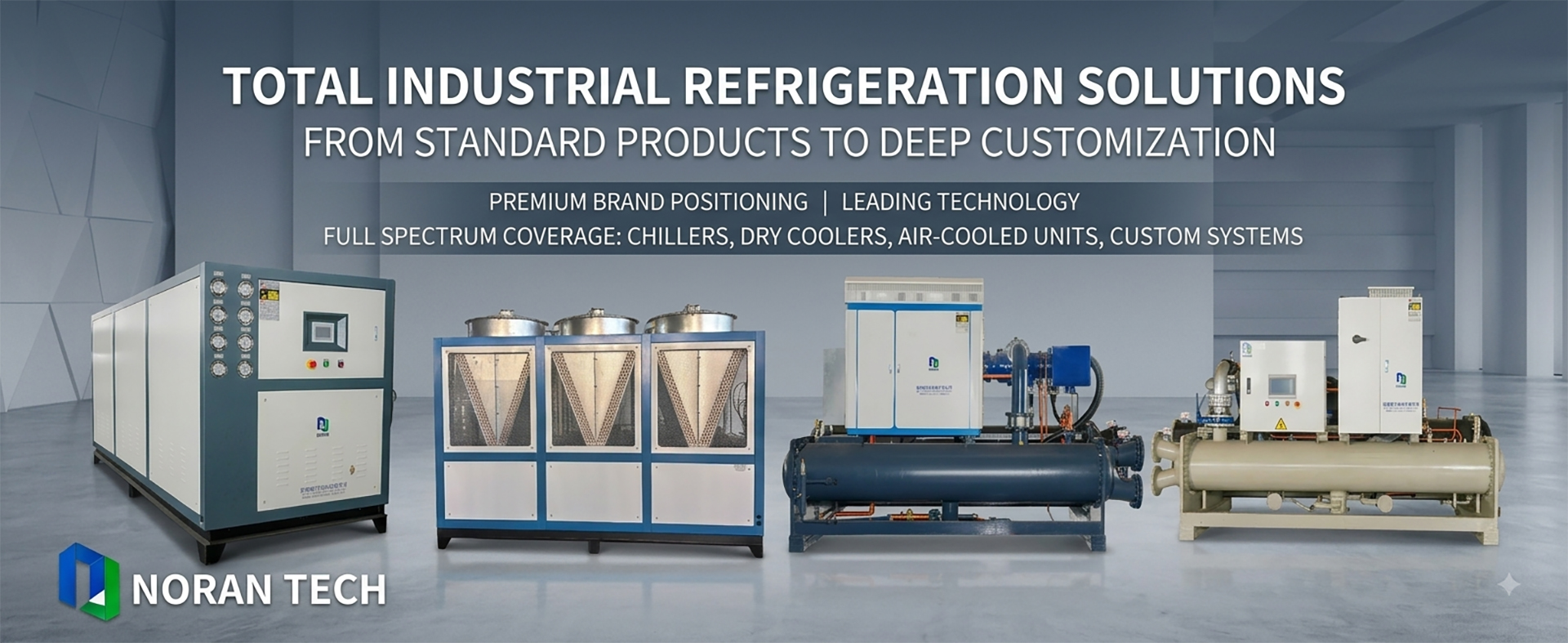
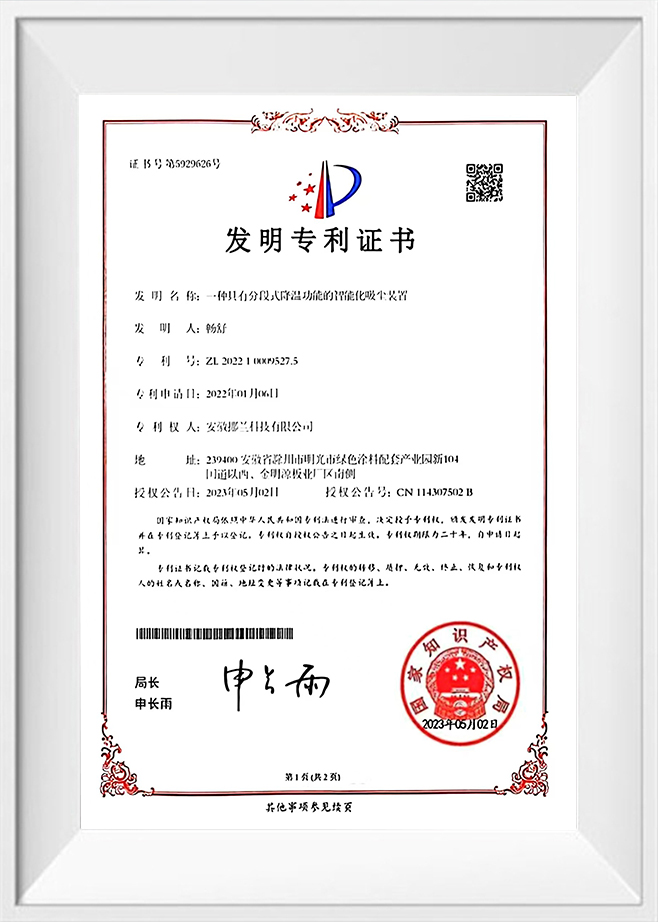
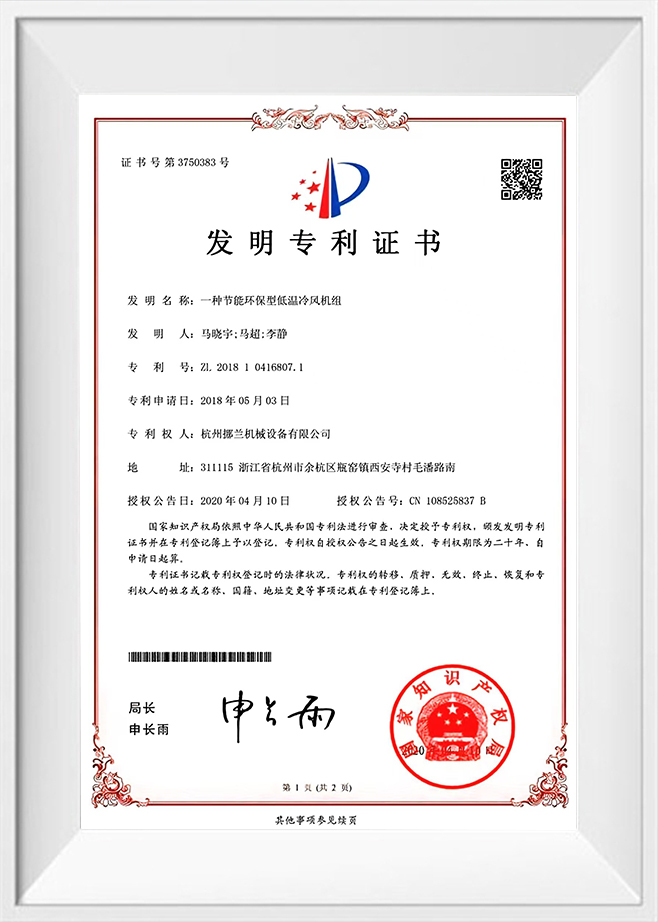
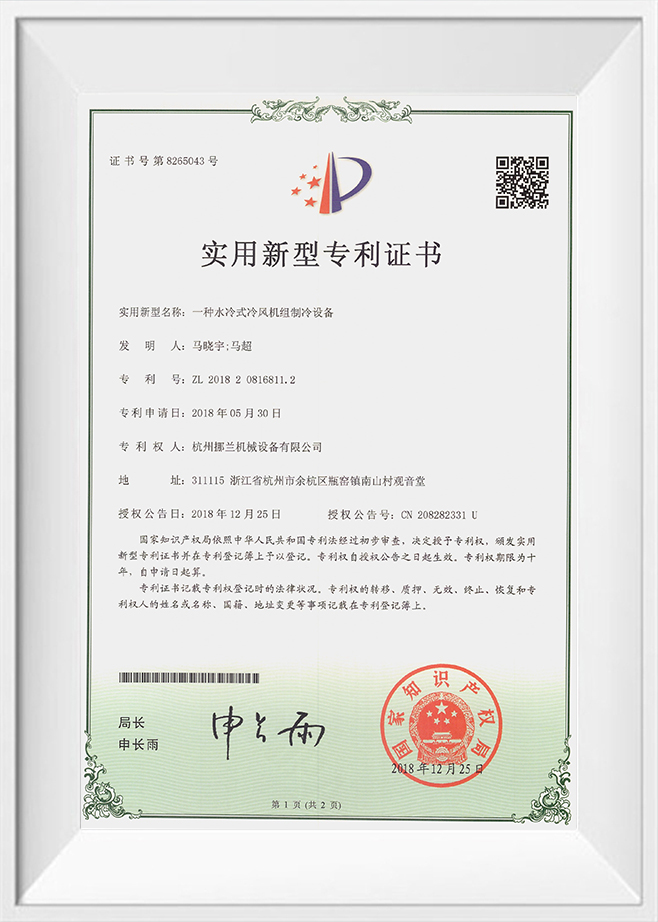
Hangzhou Noran Machinery Equipment Co., Ltd. is China Round Cooling Tower Suppliers and Round Cooling Tower manufacturers, founded in 2014, focusing on the R&D and manufacturing of high-end refrigeration equipment. In 2021, Anhui Noran Technology Co., Ltd. was established, with a 50-mu production base built in Mingguang, Anhui Province, continuously upgrading capabilities in R&D, manufacturing and project delivery.
Noran mainly supplies industrial water chillers, air coolers, mold temperature control systems, explosion-proof refrigeration units and magnetic levitation centrifugal units. Its products are widely used in powder coating, plastic mould, electronic photovoltaic, pharmaceutical chemical and other industries. Supported by technological innovation, university cooperation and patent reserves, we are committed to providing customers with stable, energy-saving and customizable industrial temperature control solutions.
 More About Us
NORAN

0+
years
Industry Experience

0+
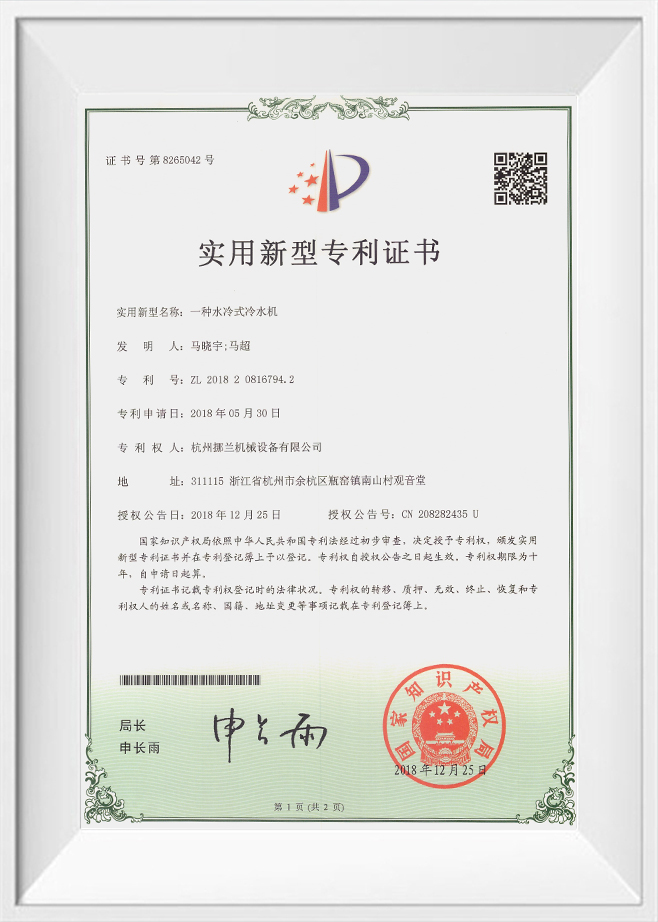
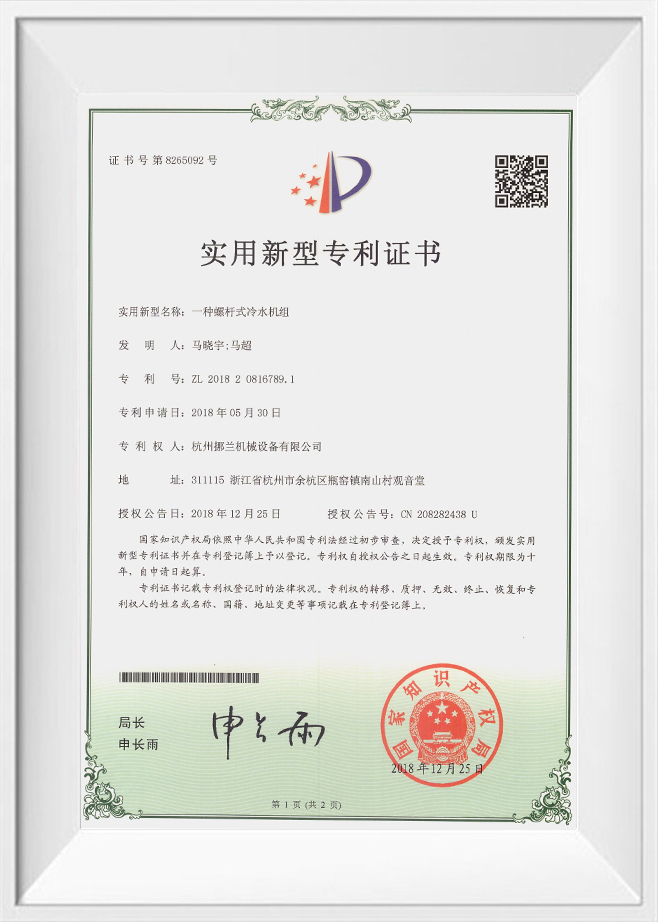
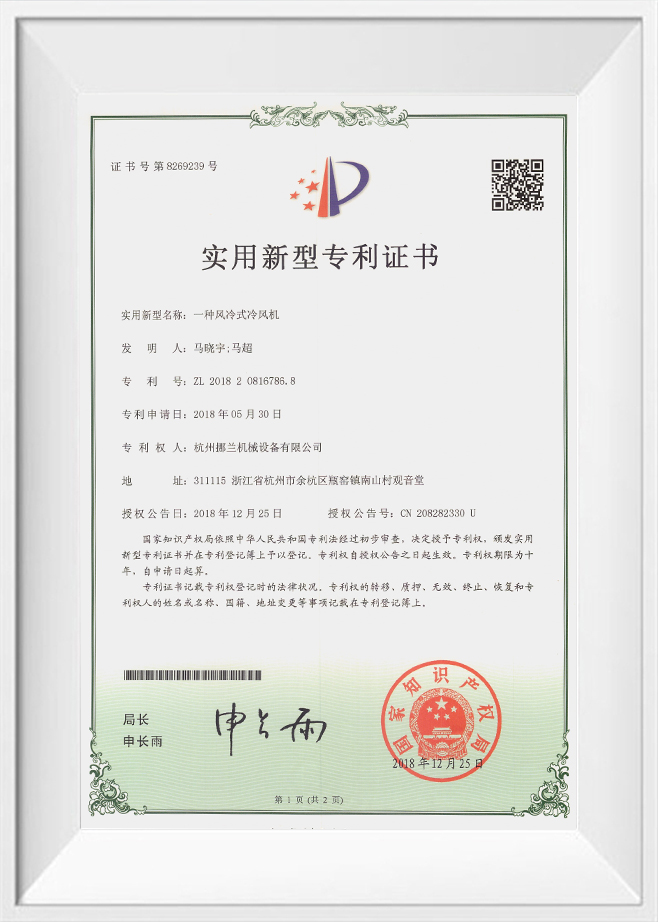
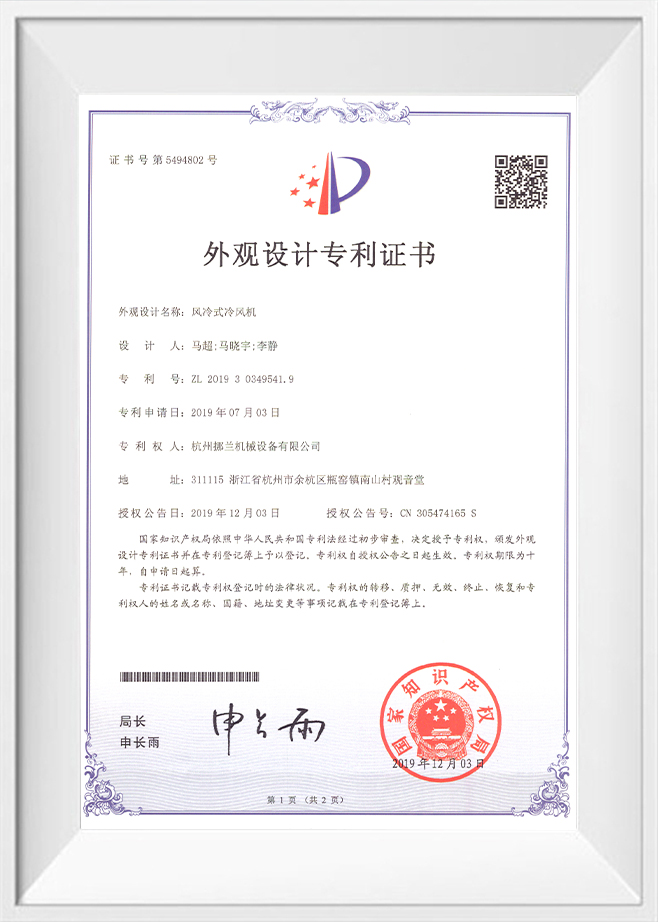
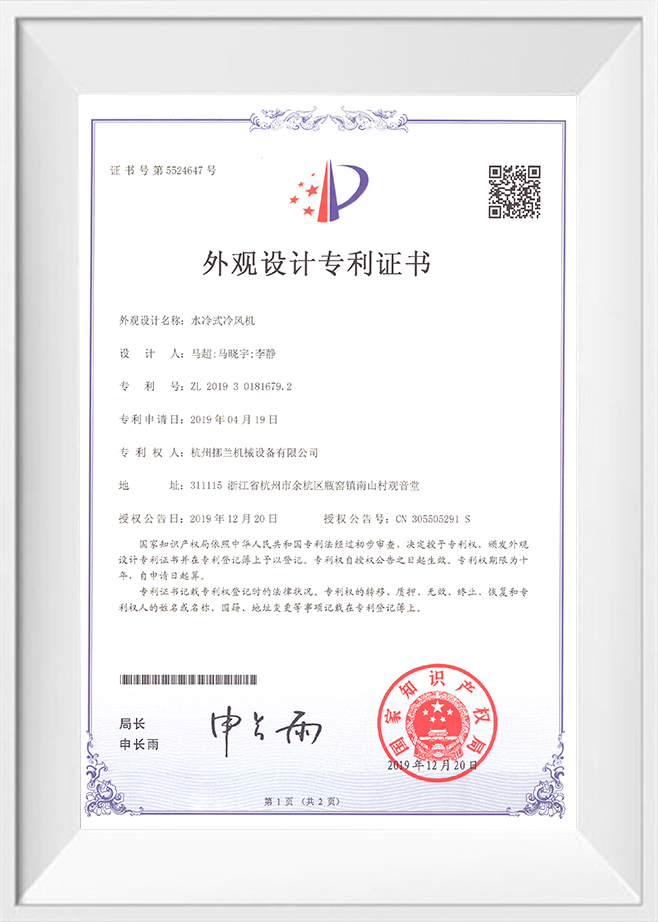
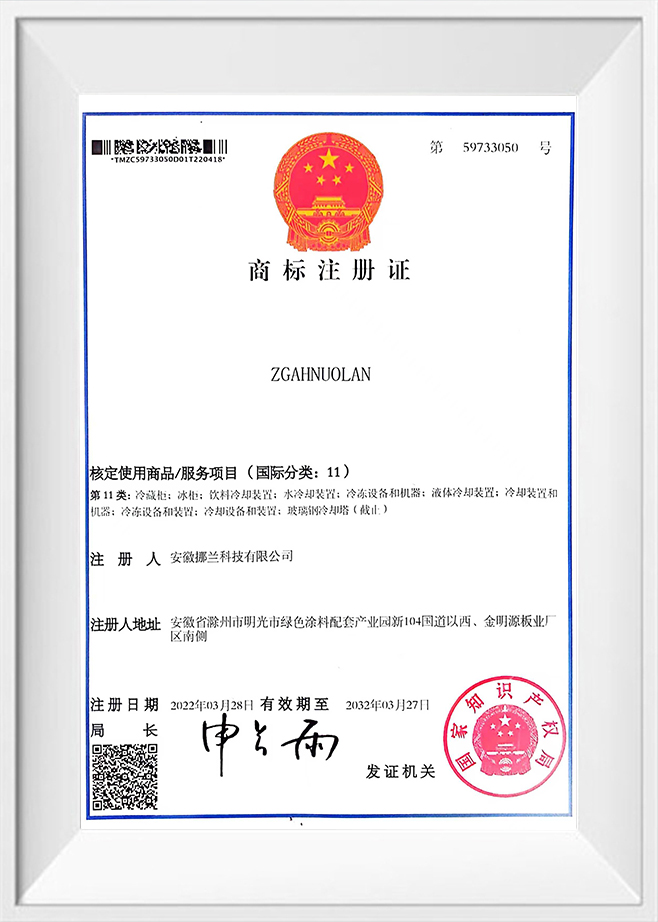
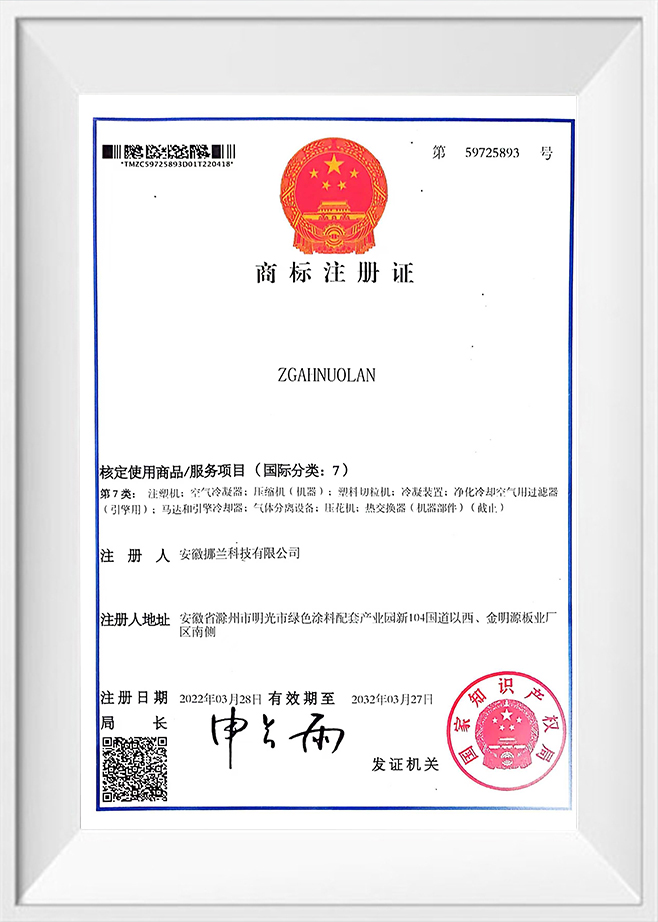
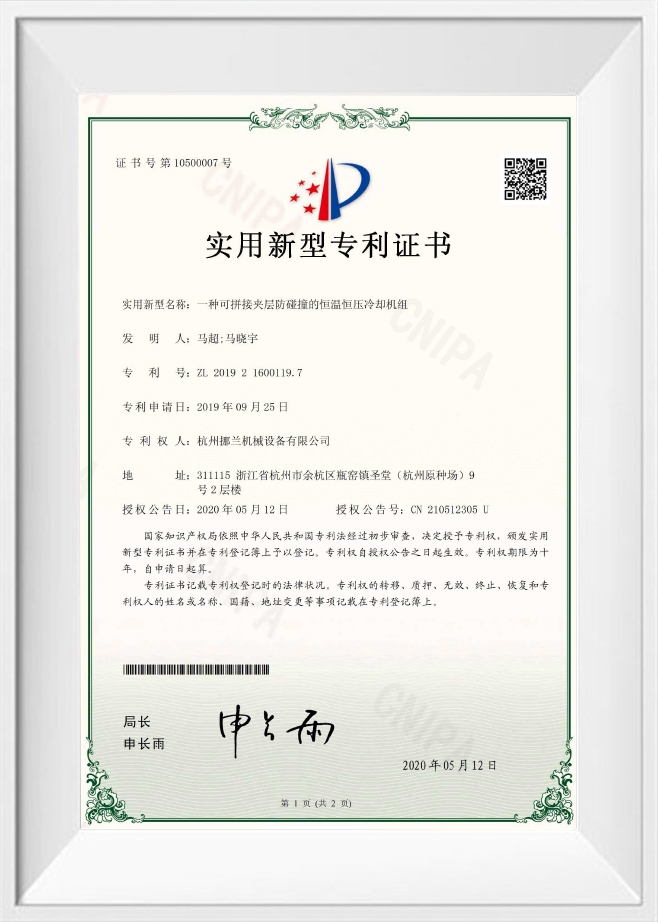
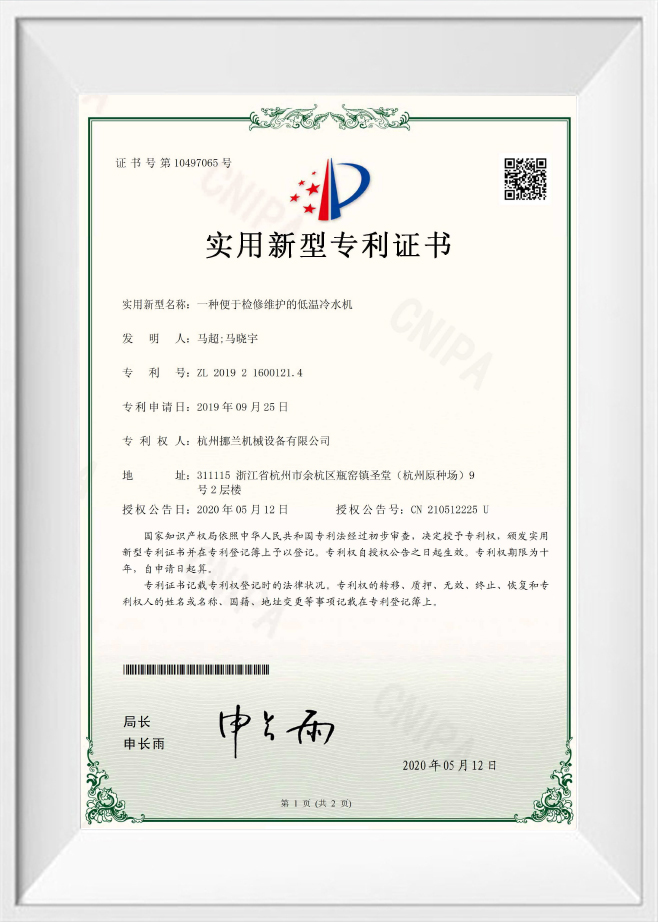
Patent Certification

0+
Number of Employees

0
㎡
Factory Area

News & Insights

2026-10-10
2026-10-10
2026-10-10
2026-10-10
2026-10-05
Capacity selection is the foundation of every successful cooling tower project. An undersized round cooling tower cannot hold condensing temperature during peak summer load, while an oversized unit wastes fan and pump energy and shortens equipment life through excessive cycling. In a large manufacturing plant, the correct approach combines a full heat load calculation, accurate ambient design conditions, and a realistic assessment of installation constraints. As an industrial cooling tower manufacturer, Anhui Noran Technology Co., Ltd. engineers each unit around cooling capacity, temperature accuracy, operating environment, and installation conditions.
The first step is to determine how much heat the tower must reject. This is not simply the chiller's nominal capacity, because compressor power also becomes heat that must be removed at the condenser.
Cooling tower capacity is rated against a specific entering wet-bulb temperature. Using the wrong design value is one of the most common causes of underperformance in large plants, especially in hot and humid regions.
Approach temperature is the difference between leaving water temperature and entering wet-bulb temperature. A tighter approach requires a larger tower, so this decision directly affects both capital cost and energy performance.
Flow rate and range determine how much water must pass through the tower and how much heat each unit of water carries. These values must align with the chiller condenser specification and the pump selection.
In large manufacturing plants, installation conditions often determine whether a round cooling tower can deliver its rated capacity. Recirculation, obstructions, and elevation all reduce effective performance.
A practical design includes margin for fouling, aging, and future production growth. However, excessive margin creates inefficiency, so the allowance should be deliberate rather than arbitrary.
| Selection Parameter | Typical Range or Value | Impact If Underestimated | Impact If Overestimated |
| Heat rejection factor | 1.2 to 1.3 times cooling capacity | Insufficient cooling, high condensing pressure | Unnecessary capital cost |
| Design wet-bulb temperature | Site-specific peak value | Capacity shortfall in summer | Oversized tower and higher cost |
| Approach temperature | 3°C to 6°C typical | Higher condensing temperature, more power | Larger tower, higher capital cost |
| Range | 5°C to 10°C typical | Insufficient heat removal | Excess flow and pump energy |
| Circulating flow rate | Matched to condenser specification | Poor heat transfer, high approach | Higher pump power and pipe size |
| Fouling allowance | 5% to 10% | Performance loss within months | Minor efficiency penalty |
| Expansion margin | 10% to 20% where planned | Early retrofit required | Part-load inefficiency |
| Altitude correction | Applied above 1000 m | Reduced airflow and capacity | Oversized fan and motor |
| Recirculation allowance | Based on layout study | Capacity loss of 5% to 15% or more | Excess safety margin |
Capacity selection is a system engineering task, not a catalogue lookup. The tower, chiller, pumps, piping, and controls must be designed as one integrated plant. Working with a manufacturer that understands the full refrigeration loop produces more accurate selection and better long-term performance.
Anhui Noran Technology Co., Ltd. was founded from Hangzhou Noran in 2014 and moved to Anhui in 2021, establishing an approximately 33000 m2 production base in Mingguang City, Anhui Province. The company designs and manufactures industrial chillers, air cooling systems, screw chillers, low-temperature refrigeration units, heat recovery systems, explosion-proof refrigeration equipment, and customized cooling solutions. Its products serve plastics, powder coating, electronics and photovoltaics, pharmaceuticals, chemicals, industrial painting, and large-scale industrial projects.
As an industrial cooling tower manufacturer, Anhui Noran Technology Co., Ltd. supports customers through the full selection process, from heat load calculation and wet-bulb definition to layout review and control integration. Based on cooling capacity, temperature accuracy, operating environment, and installation conditions, the company provides reliable and energy-efficient refrigeration solutions tailored to each application, supported by continuous innovation in energy-saving refrigeration technologies and intelligent temperature control.
Q1: What information do I need before selecting a round cooling tower for a large plant?
A: Prepare the total heat rejection load, chiller condenser flow and temperature requirements, site design wet-bulb temperature, altitude, available installation space, and any noise restrictions. A layout sketch showing nearby structures and prevailing wind direction is also valuable. Anhui Noran Technology Co., Ltd. uses these inputs to size the tower correctly and to verify that the selected model will achieve the required approach temperature under real site conditions rather than nominal laboratory conditions.
Q2: Is it better to install one large round cooling tower or several smaller units?
A: For large manufacturing plants, multiple smaller towers usually provide better part-load efficiency, redundancy during maintenance, and flexibility for future expansion. A single large tower may have a lower initial cost per unit capacity but offers no backup if it must be taken offline. Anhui Noran Technology Co., Ltd. evaluates cooling capacity, temperature accuracy, operating environment, and installation conditions to recommend the configuration that best balances capital cost, energy use, and operational reliability.
Q3: Can Anhui Noran Technology Co., Ltd. provide customized cooling tower selection for different industries?
A: Yes. Anhui Noran Technology Co., Ltd. specializes in industrial chillers, air cooling systems, screw chillers, low-temperature refrigeration units, heat recovery systems, explosion-proof refrigeration equipment, and customized cooling solutions. The company serves plastics, powder coating, electronics and photovoltaics, pharmaceuticals, chemicals, industrial painting, and large-scale industrial projects. Each cooling tower selection is engineered around cooling capacity, temperature accuracy, operating environment, and installation conditions to deliver stable, efficient, and professional refrigeration performance.
Contact Us

Jenny@nolantech.cn
amy.wang@nolantech.cn
cici.yuan@nolantech.cn

+86-4001001078

+86-15990174016

+86-13677629472

+86-13677629472 (Amy) / +86-18226838248 (Cici)

No.60 Harmony Road,Green Coating Supporting Industrial Park, Mingguang City,Chuzhou City,Anhui Province, China
Ready to Begin?
Get in Touch

Now!
ANHUI NORAN

 English
 Français
 Español
 Português
 عربى
 Türk
 हिंदी


