What is the difference between air cooled and water cooled chillers?
Industrial manufacturing plants rely heavily on precise thermal management systems to keep machinery operating within safe temperature limits and maintain consistent product quality. When selecting temperature control equipment, facility engineers frequently evaluate the structural and operational distinctions between air cooled chiller configurations and traditional water-cooled counterparts. While both systems use a standard vapor compression refrigeration cycle to extract heat from process fluids, their method of heat rejection into the ambient environment differs significantly. Understanding these differences allows plant managers to choose the optimal cooling infrastructure based on available water resources, floor space limitations, and regional climate conditions.
Water-cooled units typically require external cooling towers, extensive plumbing, and dedicated pump stations to transfer heat through a circulating water loop. In contrast, air-cooled options use ambient air blown directly across finned condenser coils to dissipate thermal energy, eliminating the need for complex water infrastructure. To support diverse facility layouts worldwide, Hangzhou Noran Machinery Equipment Co., Ltd. was founded in 2014, focusing on the R&D and manufacturing of high-end refrigeration equipment. In 2021, Anhui Noran Technology Co., Ltd. was established, with a 50-mu production base built in Mingguang, Anhui Province, continuously upgrading capabilities in R&D, manufacturing and project delivery.
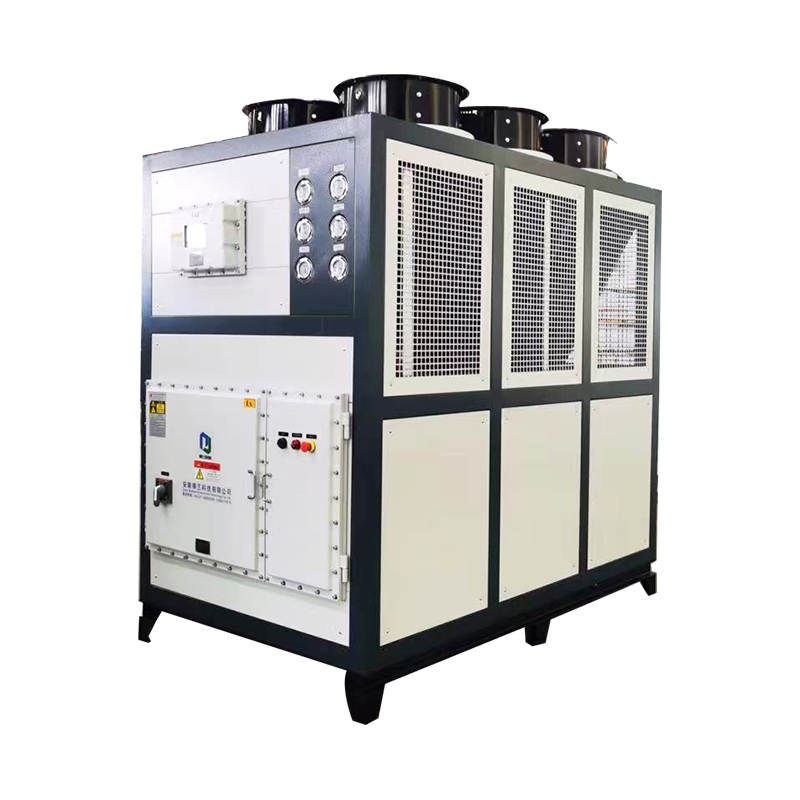
Selecting the correct refrigeration apparatus ensures compliance with environmental regulations and optimizes long-term energy efficiency across industrial sectors. Noran mainly supplies industrial water chillers, air coolers, mold temperature control systems, explosion-proof refrigeration units and magnetic levitation centrifugal units. Its products are widely used in powder coating, plastic mould, electronic photovoltaic, pharmaceutical chemical and other industries. Supported by technological innovation, university cooperation and patent reserves, we are committed to providing customers with stable, energy-saving and customizable industrial temperature control solutions.
Air-Cooled Industrial Chiller and Factory Processing Systems
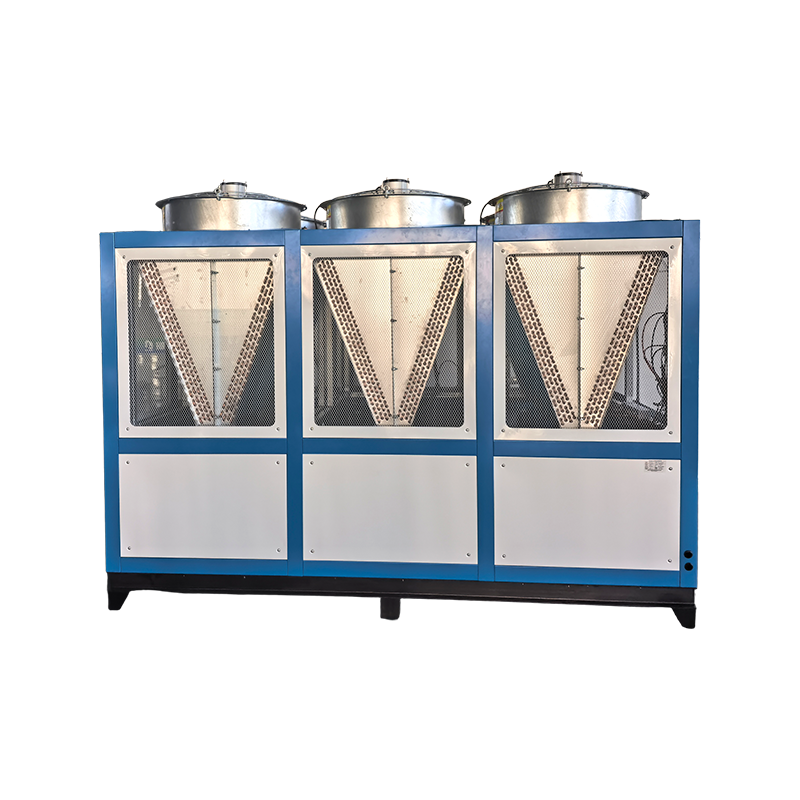
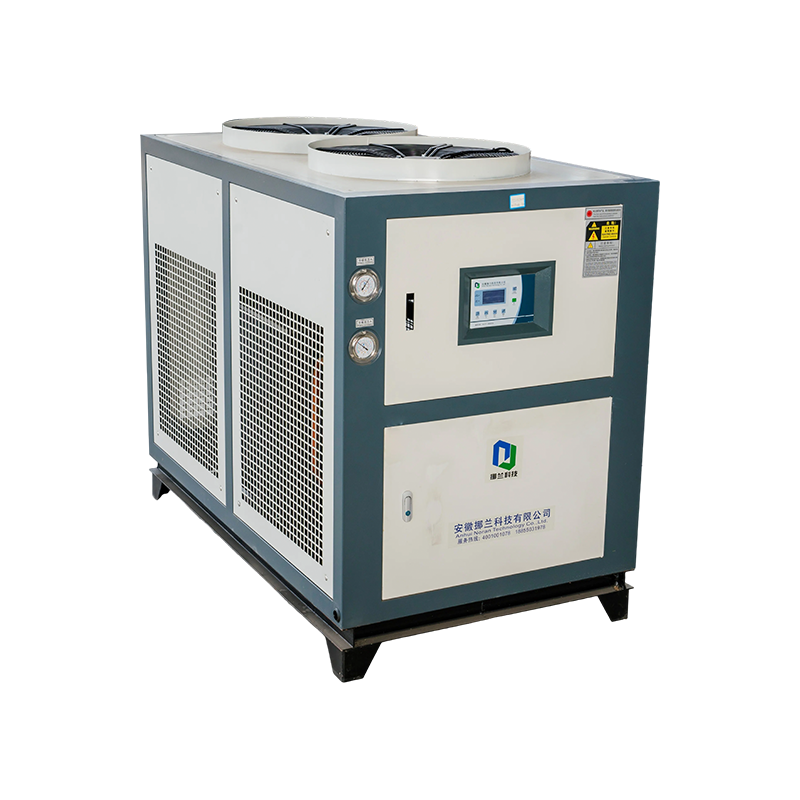
Air-cooled systems represent a streamlined approach to thermal management, designed specifically for facilities where water scarcity or space constraints make cooling towers impractical. Defined by their ability to use ambient air for heat rejection, these units feature robust condenser coils and high-efficiency fans housed within a compact framework. The core function of an air cooled industrial chiller is to provide reliable, continuous temperature regulation for precision manufacturing equipment without consuming water resources. Typical application scenarios include plastic processing lines, CNC machining centers, and laser cutting workshops. The differential advantage of these systems lies in their straightforward installation, lower routine maintenance requirements, and freedom from water treatment chemical costs. When implementing a dependable air cooled process chiller, operators benefit from flexible outdoor installation options that save valuable indoor factory floor space. As an established manufacturer, Noran delivers versatile solutions including an advanced air cooled water chiller engineered for steady performance under varying weather loads.
Setting up and operating these air-cooled units requires adherence to structured installation guidelines to guarantee maximum airflow and heat dissipation efficiency.
- Verify that the outdoor installation site provides ample clearance around the condenser coils to prevent hot air recirculation.
- Ensure that electrical supply lines match voltage requirements and feature proper phase monitoring protection.
- Connect chilled water piping securely, insulating all exterior lines to prevent thermal gain and surface condensation.
- Perform routine inspections of fan motors and clean finned coils regularly to maintain optimal heat transfer.
Air-Cooled Refrigeration Systems and Workshop Integration
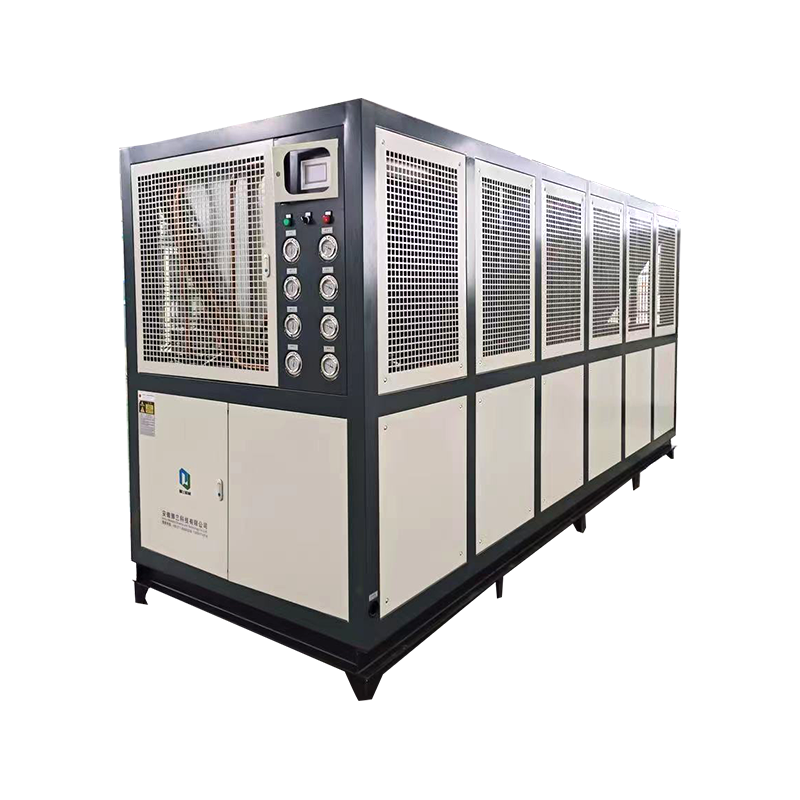
Integrating thermal equipment into existing workshop layouts requires careful coordination of fluid flow rates, electrical connections, and automated controls. Defined as a complete closed-loop thermal network, an air cooled refrigeration system circulates chilled fluid continuously through production machinery jackets and heat exchangers. The core technical feature of this setup is its self-contained design, which houses the compressor, evaporator, condenser, and pump station inside a unified housing. Typical applications involve small and medium industrial cooling systems where quick setup and minimal maintenance are top priorities. The primary advantage of choosing a specialized air cooled industrial chiller for workshop processing line cooling is the elimination of external water towers and complex plumbing networks. Facilities seeking reliable performance often look for a versatile air cooled chiller for proccessing cooling system: that adapts smoothly to changing production demands. Furthermore, deploying a robust air cooled chiller for factories ensures that heavy-duty machinery remains thermally stable during peak operating shifts.
Executing a successful integration of an air-cooled thermal unit into a factory floor involves a precise, step-by-step technical methodology.
- Conduct a comprehensive thermal load assessment to determine the required cooling capacity for all connected machinery.
- Position the unit on a level, reinforced concrete pad or structural rooftop capable of supporting its operating weight.
- Flush the internal chilled water circuit thoroughly to remove construction debris before filling with water or glycol.
- Calibrate digital temperature controllers and execute test runs under simulated full-load manufacturing conditions.
Air-Cooled Chiller Manufacturing and Operational Comparisons
Understanding the manufacturing standards and operational traits of air-cooled equipment helps engineers contrast them directly against water-cooled alternatives. Defined by rigorous quality control protocols and advanced component sourcing, an experienced air cooled chiller manufacturer ensures that every unit withstands harsh industrial environments. The core function of a trusted air cooled chiller supplier is to provide durable, energy-efficient equipment supported by comprehensive technical documentation and customer service. Typical application fields include mold temperature control, electronic manufacturing, and general industrial processing. The differential advantage of air-cooled units over water-cooled models is their complete independence from cooling tower water loops, drastically reducing maintenance overhead. Through advanced engineering expertise, Noran ensures that every thermal solution delivers exceptional reliability and precise temperature control for global partners.
Through continuous technological innovation and rigorous quality control protocols, our systems provide stable operation, high energy efficiency, and flexible system integration for global industrial customers.
| Chiller Type |
Heat Rejection Medium |
Installation Infrastructure |
Primary Maintenance Focus |
| Air-Cooled Chiller |
Ambient Air via Fans |
Simple Outdoor / Roof Placement |
Coil Cleaning & Fan Inspection |
| Water-Cooled Chiller |
Cooling Tower Water Loop |
Indoor Plant with Tower Plumbing |
Water Treatment & Tube Descaling |
| Hybrid / Customized Unit |
Engineered Dual Medium |
Bespoke Facility Layout |
Comprehensive System Servicing |
Frequently Asked Questions
Q1: What is the primary operational difference between air-cooled and water-cooled chillers?
Air-cooled chillers reject heat directly to the surrounding atmosphere using built-in condenser fans, whereas water-cooled chillers reject heat into an external water loop connected to a cooling tower.
Q2: Why do facility managers choose an air-cooled industrial chiller over a water-cooled model?
Facility managers choose air-cooled chillers because they require no cooling tower infrastructure, involve simpler installation procedures, demand lower maintenance, and consume no water for heat rejection.
Q3: What types of manufacturing applications are best suited for air-cooled water chillers?
Air-cooled water chillers are ideal for plastic processing, CNC machining, laser cutting equipment, and small-to-medium industrial workshops where water resources are limited or installation space is restricted.
Q4: How do ambient weather conditions impact the performance of an air-cooled refrigeration system?
High ambient outdoor temperatures can reduce the heat rejection efficiency of air-cooled condensers during peak summer months, making proper ventilation and adequate clearance around the unit essential for stable operation.

 English
  Français
  Español
  Português
  عربى
عربى  Türk
Türk  हिंदी
हिंदी