
 English
  Français
  Español
  Português
  عربى
عربى  Türk
Türk  हिंदी
हिंदी 

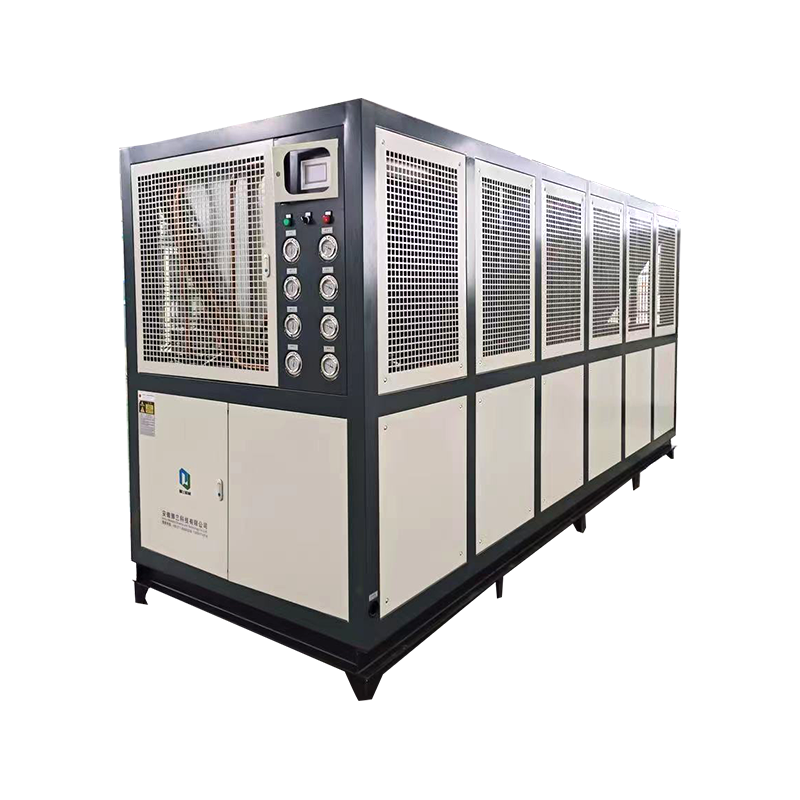
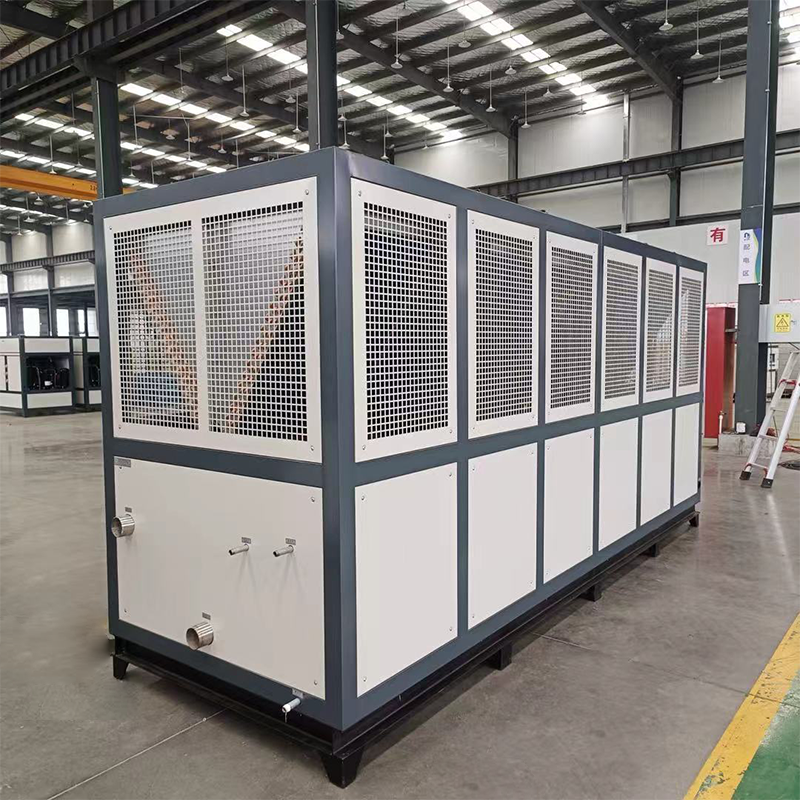
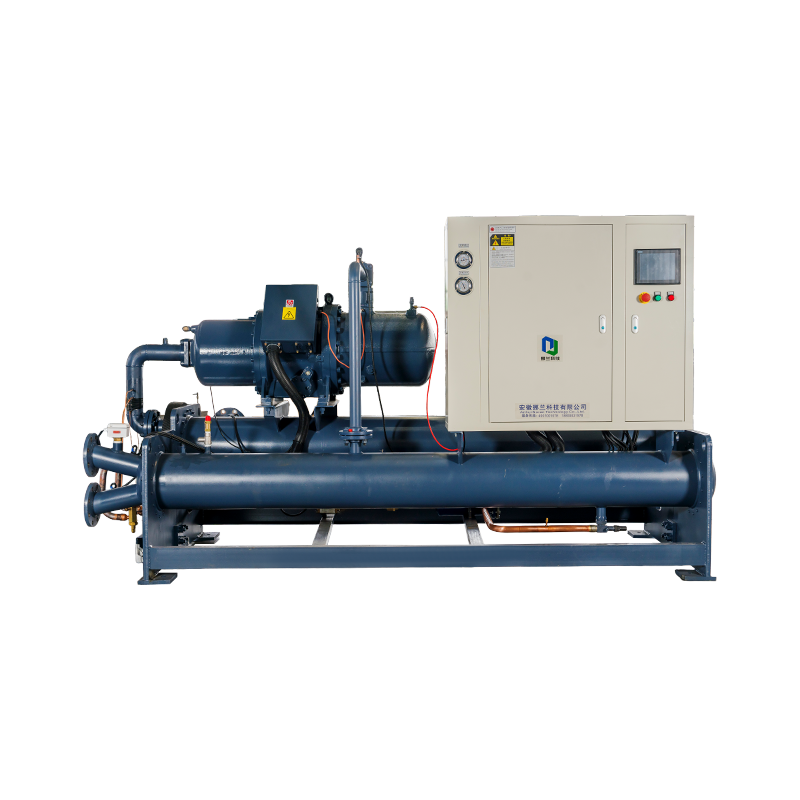



















Dual-Temperature Control Principles and Industrial Applications of Heating and Cooling Chillers
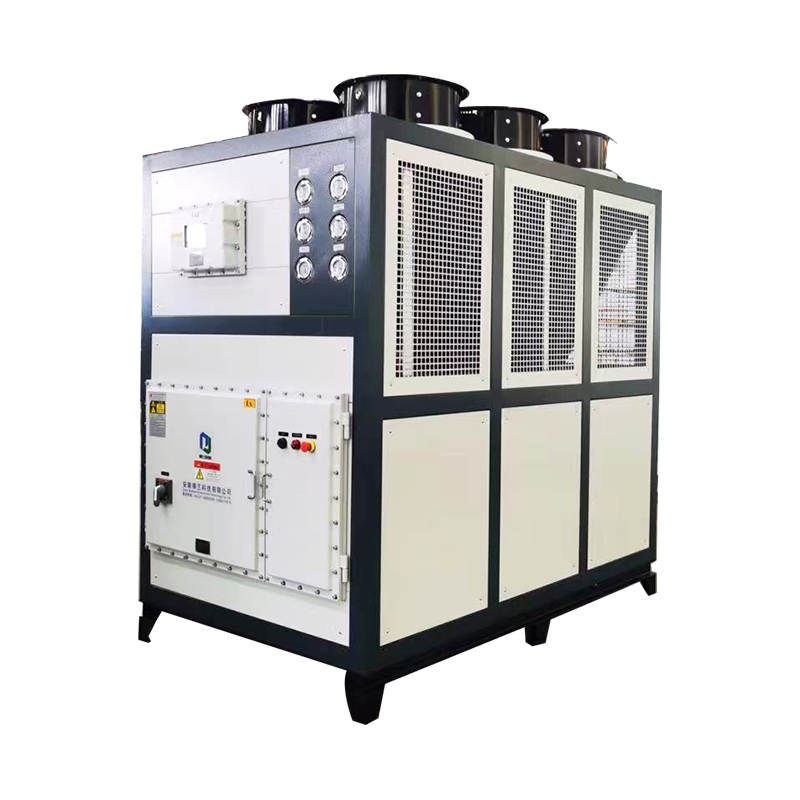
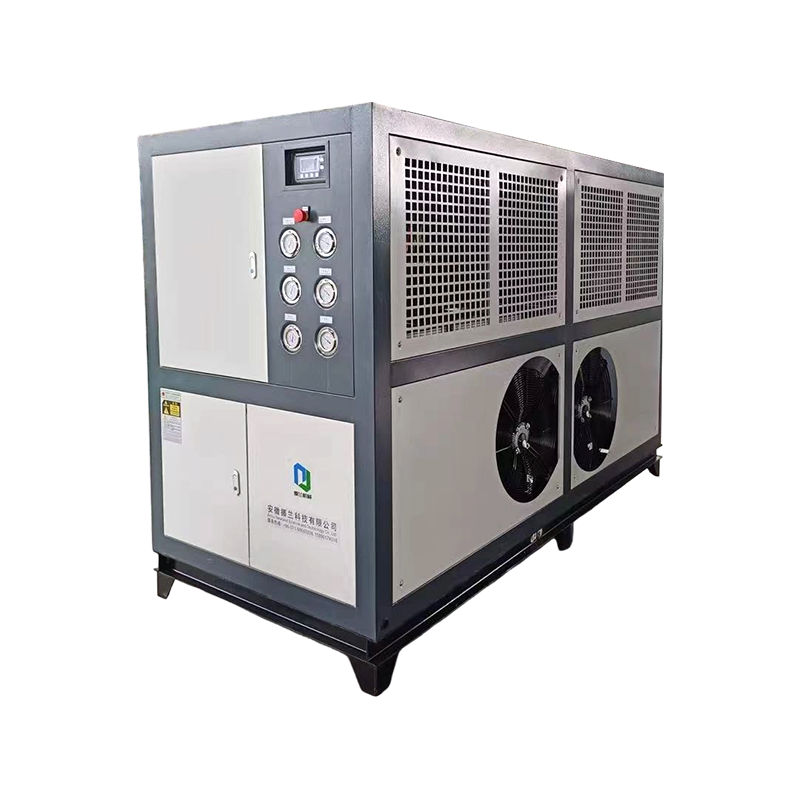
Industrial processes often require both heating and cooling at different stages of production. Maintaining stable temperatures during these transitions is essential for product quality, equipment protection, and process repeatability. A heating and cooling integrated chiller combines temperature adjustment, circulating fluid delivery, and automatic control in one system, reducing the need for separate heating and cooling equipment.
Modern dual-temperature control equipment can support applications ranging from low-temperature testing to high-temperature reaction processes. Depending on the configuration, the operating temperature range may extend from -85°C to +350°C. This broad capability makes an integrated system suitable for precision manufacturing, chemical reactors, pharmaceutical production, and laboratory testing where different temperature stages must be coordinated.
The main engineering objective is not simply to reach a target temperature, but to achieve it at an appropriate rate, maintain the required stability, and respond effectively when process conditions change. Understanding control mechanisms, heating and cooling technologies, and application-specific configurations helps engineers select suitable equipment for demanding industrial environments.
1. Dual-Temperature Control Mechanisms
A dual-temperature control system integrates heating, refrigeration, circulation, temperature measurement, and control logic. The operator enters a target temperature, and the controller compares the measured process temperature with the setpoint. It then determines whether heating or cooling is required and activates the appropriate operating components. As the process approaches the target, the controller adjusts output to reduce temperature fluctuations.
In a heating and cooling integrated chiller, automatic mode selection reduces the need for manual intervention when a process changes from an exothermic stage to a cooling stage or from cold testing to thermal conditioning. Depending on the design, heating may be provided by an electric heater or another engineered heat source, while refrigeration removes heat through the cooling circuit. Circulating fluid transfers thermal energy between the unit and the process equipment.
Control performance depends on sensor placement, circulation flow, heat exchanger capacity, controller response, and the thermal characteristics of the connected equipment. A temperature sensor installed too far from the actual process may report a different temperature from the reactor contents or workpiece. Proper instrumentation and circulation design are therefore necessary for dependable control.
Key Control Functions
- Setpoint management: Establishes the required temperature for each production stage.
- Automatic mode switching: Selects heating or cooling according to measured conditions and configured control logic.
- Temperature regulation: Adjusts heating or refrigeration output to limit deviations from the target.
- Protective monitoring: Uses appropriate alarms and interlocks to respond to abnormal temperatures, pressure conditions, or circulation faults.
2. Multi-Stage Temperature Precision and Thermal Stability
Many industrial processes require several temperature stages rather than one fixed operating point. A material may need preheating, a controlled holding period, rapid cooling, and a final stabilization stage. An integrated heating cooling system can coordinate these stages through programmable control, provided the controller and equipment configuration support the required operating sequence.
Multi-stage control requires attention to heating and cooling rates, temperature overshoot, holding time, and recovery after disturbances. Large reactors and thick-walled vessels may respond more slowly than the circulating fluid because of their thermal mass. Engineers should evaluate both the temperature of the heat transfer fluid and the actual process temperature instead of assuming that the two values are identical.
Thermal stability also depends on process load. A system that maintains a stable temperature during an idle period may behave differently when raw materials are introduced or a reaction releases heat. Appropriate capacity selection, circulation design, sensor calibration, and control tuning help maintain consistent performance under changing conditions.
- Define the target temperatures, operating sequence, and required holding periods.
- Determine the process heat load, fluid properties, circulation requirements, and expected temperature changes.
- Select heating and refrigeration capacities suitable for the most demanding operating stage.
- Configure control parameters, alarms, and operating limits for the intended process.
- Validate temperature stability and transition performance under representative operating conditions.
3. Reversible Heating and Cooling Technology
Reversible heating and cooling technology allows one integrated unit to serve different thermal requirements. Depending on the design, the system may use a heat pump cycle to transfer heat or a combination of refrigeration and dedicated heating components. The appropriate arrangement depends on the required temperature range, heating capacity, cooling duty, heat transfer medium, and operating environment.
For applications that alternate between heating and cooling, a reversible cooling and heating system can reduce equipment duplication and simplify temperature-control infrastructure. However, reversible operation does not automatically mean that the unit can deliver its maximum heating and cooling capacity at every temperature. Available performance varies with system architecture, ambient conditions, fluid characteristics, and the selected operating point.
A heat pump can improve energy utilization when suitable heat sources and temperature conditions are available. In high-temperature industrial applications, however, the design must account for the limits of compressors, heat exchangers, seals, heat transfer fluids, and piping. Very low-temperature cooling and high-temperature heating may require specialized circuits or separate thermal stages rather than a conventional heat pump alone.
For process engineers, the most useful comparison is the unit's actual performance across the intended operating range. Relevant considerations include transition time, temperature stability, energy consumption, fluid compatibility, and whether heating and cooling can operate simultaneously when the process requires it.
4. Product Categories and Application Differences
4.1 Integrated Heating and Cooling Chillers for Precision Manufacturing
Precision manufacturing processes may involve thermal conditioning, material testing, component processing, and equipment temperature regulation. In these environments, temperature variation can affect dimensional consistency, material properties, surface quality, or testing repeatability. A dedicated dual-mode unit provides controlled heating and cooling through a circulating fluid loop, allowing process equipment to follow defined temperature stages without requiring operators to change between independent systems.
Compared with conventional cooling-only equipment, an industrial heating and cooling system supports both warming and heat removal. Its main advantage is operational flexibility, particularly when a production line has changing thermal requirements. Configuration should reflect the workpiece or process vessel, expected thermal load, circulation distance, and permissible temperature deviation.
Anhui Noran Technology Co., Ltd. develops industrial refrigeration equipment and customized temperature-control solutions for manufacturing applications. Its engineering approach considers cooling capacity, temperature accuracy, installation conditions, and operating environments when determining system configuration. Optional PLC control and RS485 communication can support integration with plant monitoring systems when included in the selected design.
4.2 Reactor Temperature Control Systems for Chemical and Pharmaceutical Processes
Chemical reactors and pharmaceutical process vessels may require controlled heating during preparation, stable temperature holding during a reaction, and rapid cooling at the end of a process. Heat release, fluid viscosity, vessel geometry, and reaction sensitivity all influence control requirements. A properly engineered heating and cooling system for industrial processes must therefore be selected according to the actual process duty rather than temperature range alone.
These systems commonly combine circulation, temperature feedback, heating output regulation, refrigeration control, and protective monitoring. Stainless steel piping, including 304 stainless steel where suitable for the application, can support corrosion resistance in compatible service conditions. Material selection must still consider the chemical properties of the circulating medium, operating temperature, pressure, and applicable safety requirements.
For chemical and pharmaceutical facilities, Anhui Noran Technology Co., Ltd. provides industrial refrigeration and customized equipment configurations for temperature-sensitive applications. Depending on project requirements, engineering considerations may include low-temperature cooling, heat recovery, explosion-protection provisions, and automated control. Hazardous-area equipment must be designed and selected against the relevant site classification and applicable standards; general industrial protection features alone do not establish hazardous-area suitability.
4.3 Laboratory and Research Temperature Control Units
Laboratories, pilot plants, and research facilities often need flexible temperature control for thermal experiments, material characterization, crystallization studies, and process development. Unlike a large production line, a laboratory setup may handle different vessels, sample quantities, and experimental sequences over time. The control unit must therefore provide a suitable operating range, repeatable setpoint management, and compatibility with the connected experimental equipment.
A custom heating and cooling chiller can be configured around the required temperature limits, fluid circulation conditions, and experimental workflow. Compact integration may reduce the number of separate units and simplify installation, while programmable controls can help reproduce established temperature profiles. Nevertheless, temperature uniformity within the test vessel depends on the vessel design, agitation, sensor location, and heat transfer characteristics as well as the controller itself.
Compared with production-oriented systems, laboratory configurations generally place greater emphasis on flexible operating sequences and repeatability across different tests. Anhui Noran Technology Co., Ltd. offers customized temperature-control solutions that can be evaluated against pilot-scale and research requirements, including heating and cooling demand, control interfaces, and installation constraints.
5. Main Technical Specifications and Selection Criteria
The appropriate configuration depends on the process rather than a single specification. Although some integrated units are designed for a broad range from -85°C to +350°C, this should be treated as a configuration-dependent operating range, not a guarantee that every model can cover the full span under all loads. Engineers should confirm the available heating and cooling capacities at the required temperatures before selecting a unit.
| Selection factor | Precision manufacturing | Chemical reactors | Laboratory testing |
| Primary requirement | Repeatable thermal conditioning | Reaction temperature management | Flexible experimental control |
| Control priorities | Stability and recovery | Heat-load response and safety | Setpoint accuracy and repeatability |
| Configuration focus | Workpiece and equipment interface | Vessel, fluid, and process conditions | Test equipment and operating sequence |
| Optional integration | Production monitoring | PLC control and safety interlocks | Programmable test sequences |
A practical specification review should address the following points:
- Required minimum and maximum process temperatures.
- Heating and cooling capacity at the actual operating points.
- Target temperature stability and acceptable transition time.
- Circulating fluid type, flow rate, piping material, and pressure requirements.
- Control interfaces, monitoring needs, and alarm functions.
- Environmental conditions, installation space, maintenance access, and applicable safety standards.
Anhui Noran Technology Co., Ltd. was established in its current Anhui operation following its relocation in 2021 and operates a production base of approximately 33,000 square meters in Mingguang City. Together with its Hangzhou operations, the company supports the development and manufacture of industrial chillers, air-cooled systems, screw chillers, low-temperature refrigeration equipment, heat recovery systems, and customized temperature-control solutions.
For projects requiring an industrial chiller for heating and cooling, equipment selection should be based on process data and verified operating performance. A qualified heating and cooling chiller manufacturer should be able to review the temperature profile, thermal load, fluid properties, and control requirements before recommending a configuration.
6. Industrial Implementation and Process Example
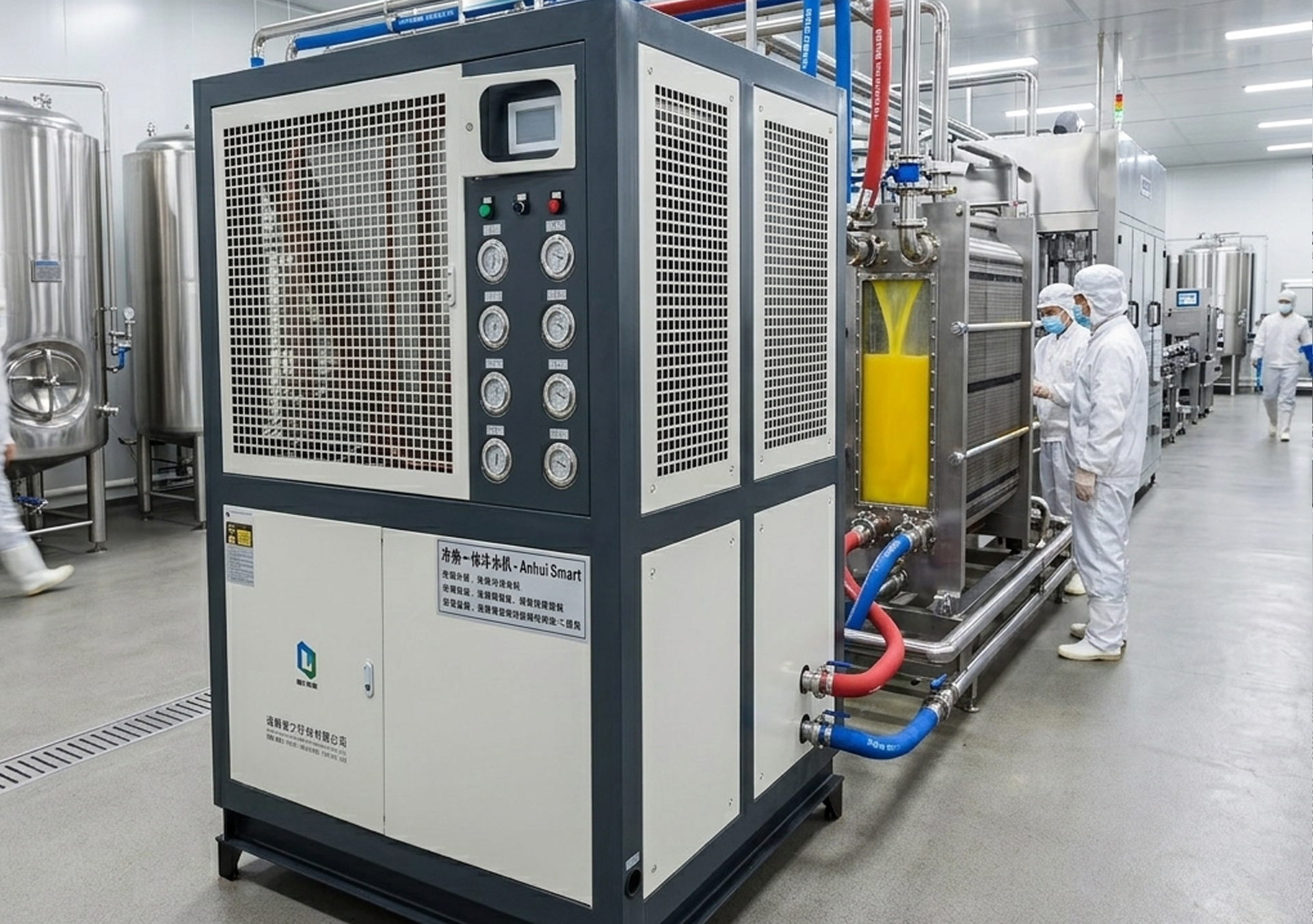
A juice processing facility illustrates why industrial temperature-control equipment must accommodate different operating conditions. Depending on the production design, the process may require cooling to 20°C or below, hot water supply at 90°C to 95°C, and chilled water supply at 7°C to 12°C. A stated process water flow of 15 to 25 cubic meters per hour and a temperature stability target of plus or minus 1°C provide additional design inputs.
These values describe an application example rather than universal equipment settings. The final system design must establish whether the heating and cooling duties occur sequentially or simultaneously, calculate the actual thermal loads using validated engineering methods, and verify the compatibility of the circulating medium with the process. Temperature holding time, hygiene requirements, and food-safety controls must be determined according to the juice type and validated production procedure.
For this type of project, an integrated heating cooling system for factory applications may help consolidate temperature-control functions. The engineering review should confirm whether one unit can meet all operating duties or whether separate thermal circuits are needed to satisfy different temperature levels and simultaneous load requirements.
7. Configuration, Safety, and System Integration
Industrial temperature-control equipment should be designed around the complete process cycle, including startup, steady operation, temperature transitions, shutdown, and abnormal conditions. Appropriate protective measures may include high- and low-temperature limits, pressure monitoring, flow detection, compressor protection, and alarms. The exact protection functions depend on the equipment architecture and process hazards.
Anhui Noran Technology Co., Ltd. evaluates customized refrigeration solutions according to customer requirements, including capacity, control precision, operating environment, and installation conditions. Depending on the project, a heating and cooling chiller supplier should also clarify the available communication interfaces, piping configuration, maintenance requirements, and commissioning responsibilities.
For more demanding applications, a reversible chiller for process temperature control should be assessed for its actual heating and cooling performance, operating limits, and compatibility with the intended process. Successful integration depends on matching the equipment to real operating conditions rather than relying on a broad temperature-range claim alone.
Frequently Asked Questions
Q1: What is a heating and cooling integrated chiller?
It is a temperature-control unit that combines heating, cooling, circulation, and control functions. Depending on its design, it can automatically switch between heating and cooling to support processes with changing temperature requirements.
Q2: Can one unit provide temperatures from -85°C to +350°C?
Some specialized configurations are designed for this overall temperature range, but the achievable range depends on the selected model, heat transfer medium, operating conditions, and thermal circuit design. Confirm the actual operating limits and heating and cooling capacities with the manufacturer.
Q3: Which applications benefit most from an integrated heating cooling system?
Typical applications include precision manufacturing, chemical reactors, pharmaceutical production, crystallization, laboratory testing, plastics processing, and other processes that require both heating and cooling during one production cycle.
Q4: What information is needed to select a custom heating and cooling chiller?
Provide the target temperature range, heating and cooling loads, circulating fluid, required flow rate, temperature stability, process sequence, installation environment, and control interface requirements. These details help determine the appropriate configuration.
Q5: Does automatic temperature control guarantee uniform process temperature?
No. Automatic control regulates the measured temperature, but overall uniformity also depends on circulation, vessel geometry, sensor location, thermal load, and heat transfer characteristics. Process testing and suitable sensor placement are necessary to verify performance.
Q6: How should an industrial heating and cooling system be evaluated before purchase?
Evaluate operating temperature limits, heating and cooling capacity at the required conditions, control stability, transition response, fluid compatibility, safety provisions, energy use, and maintenance access. A technically suitable supplier should review these requirements before proposing a final configuration.


