How to Select an Industrial Low Temperature Chiller for Precision Cooling

Home / Blog / Industry News / How to Select an Industrial Low Temperature Chiller for Precision Cooling

How to Select an Industrial Low Temperature Chiller for Precision Cooling


Content

ENGINEERING GUIDE / PROCESS REFRIGERATION

Precision cooling below conventional chilled water temperatures requires more than a standard refrigeration unit. Temperature stability, heat transfer medium, compressor operating limits, insulation, and system control all influence the reliability of low temperature industrial processes.

An industrial low temperature chiller is designed to remove heat from process fluids or equipment when conventional cooling systems cannot maintain the required operating temperature. Depending on the application, the system may use glycol, brine, or another compatible secondary fluid to provide cooling below the freezing point of water.

-5 to -10 C Moderate sub-zero process range
-10 to -25 C Demanding low temperature range
Below -30 C Specialized refrigeration territory

These temperature bands are illustrative engineering categories rather than universal equipment ratings. Actual operating limits depend on the required fluid temperature, refrigerant circuit, load conditions, and equipment design.

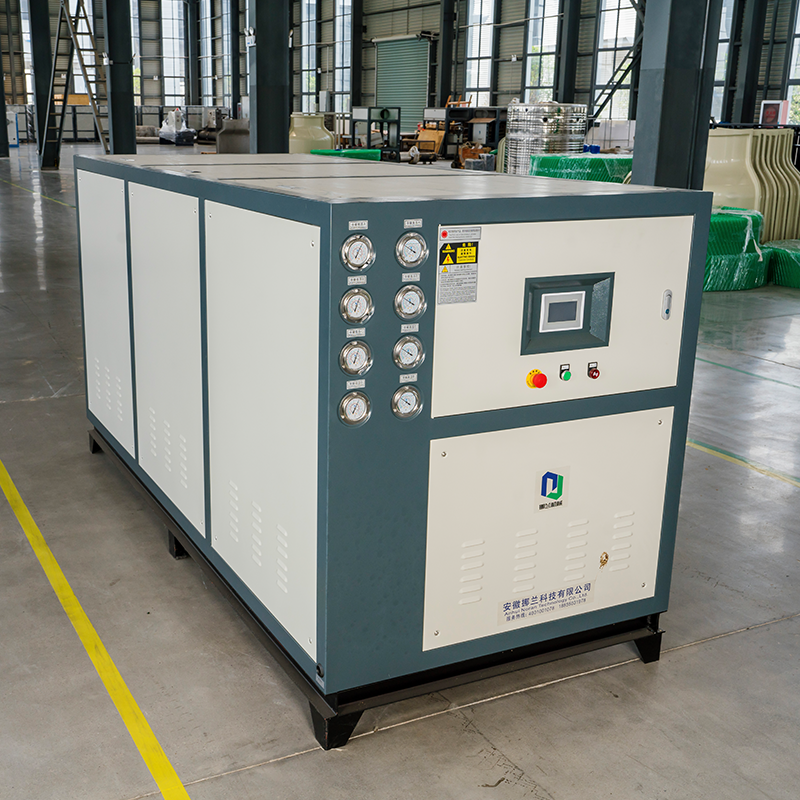
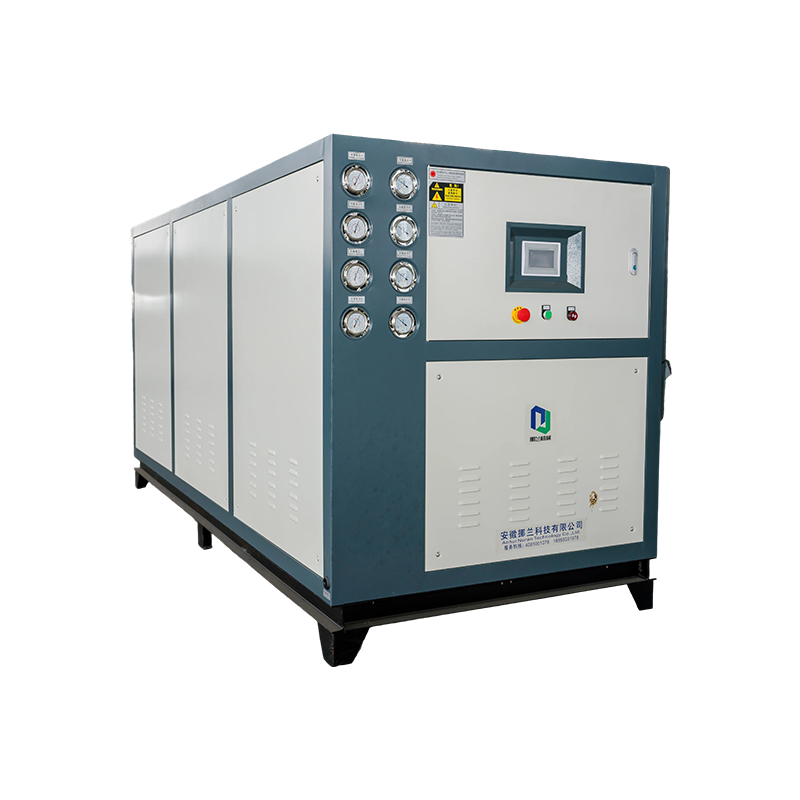
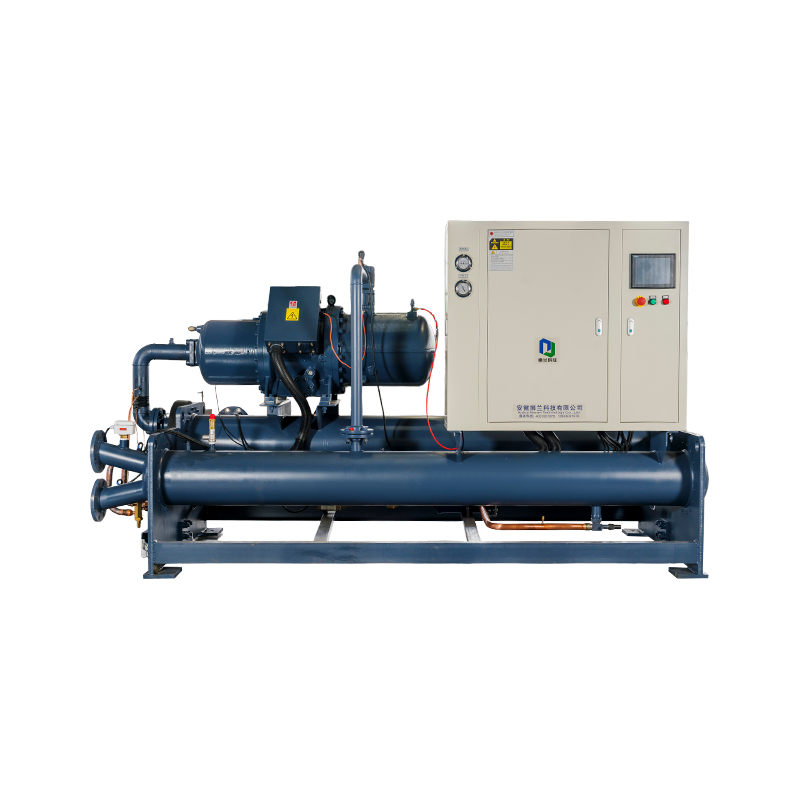
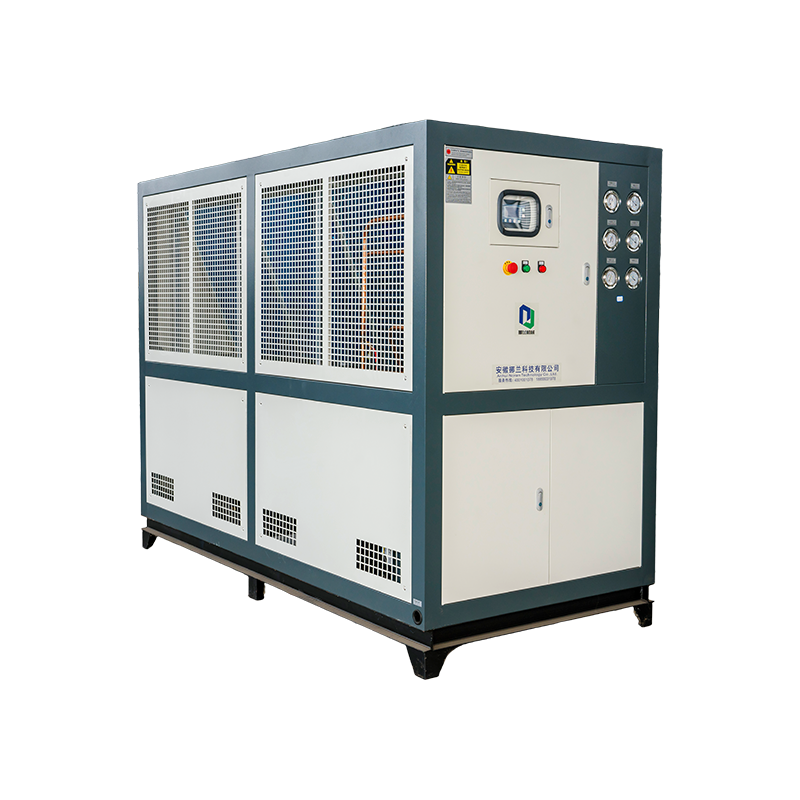
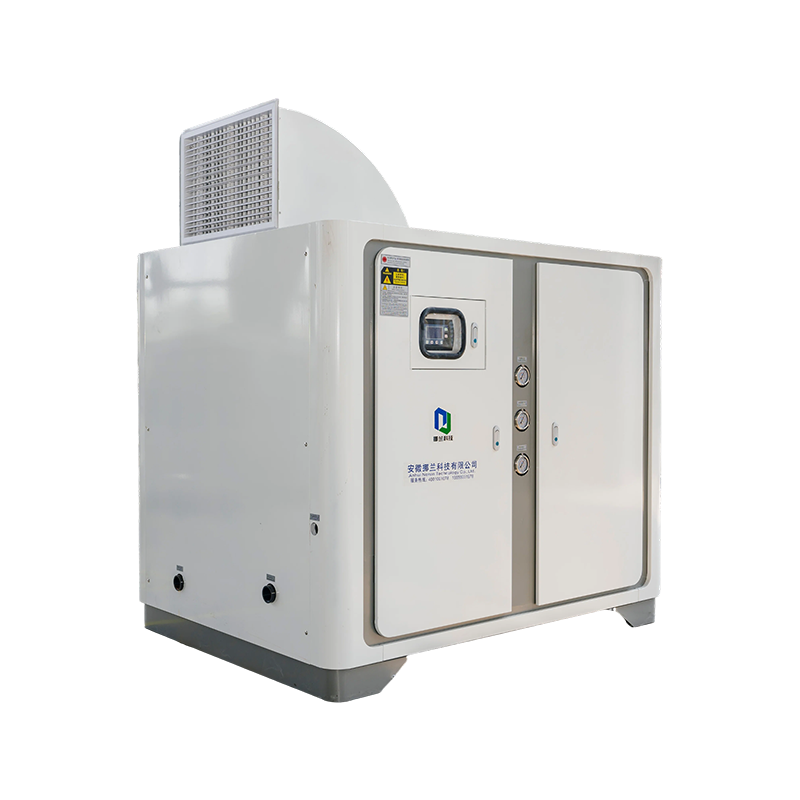
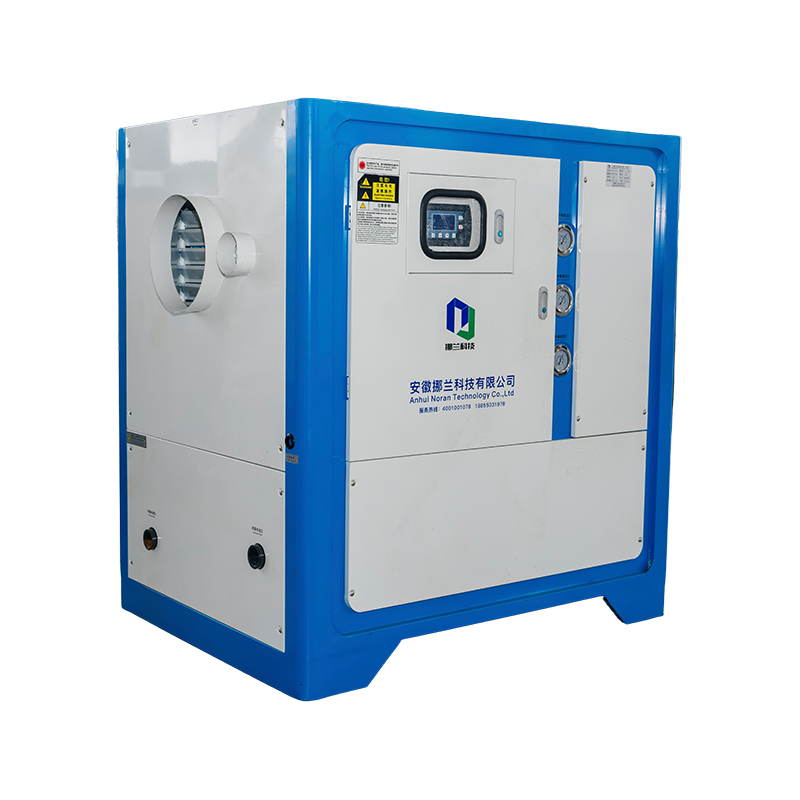
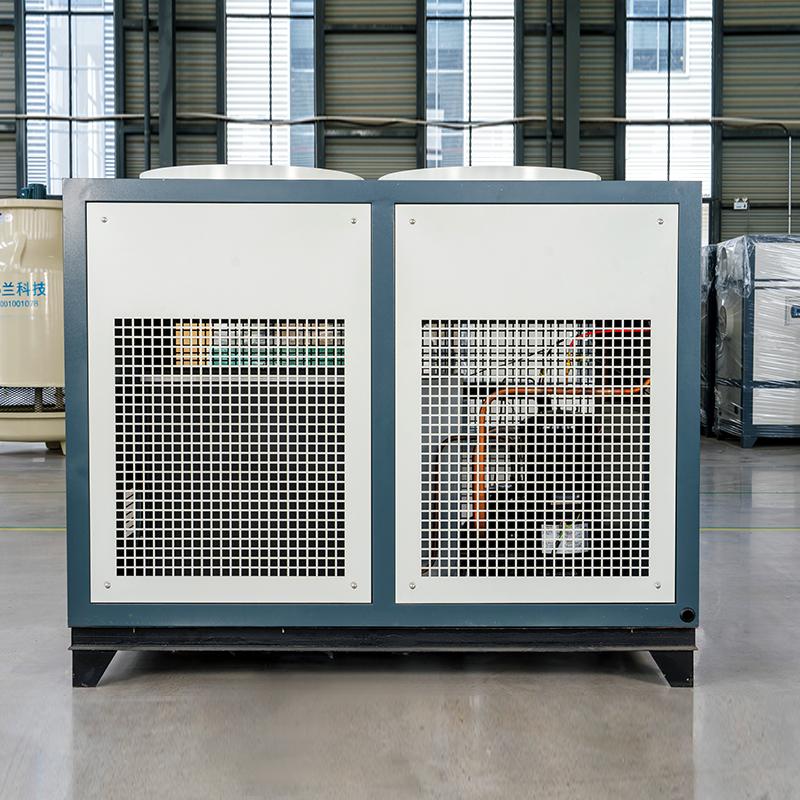
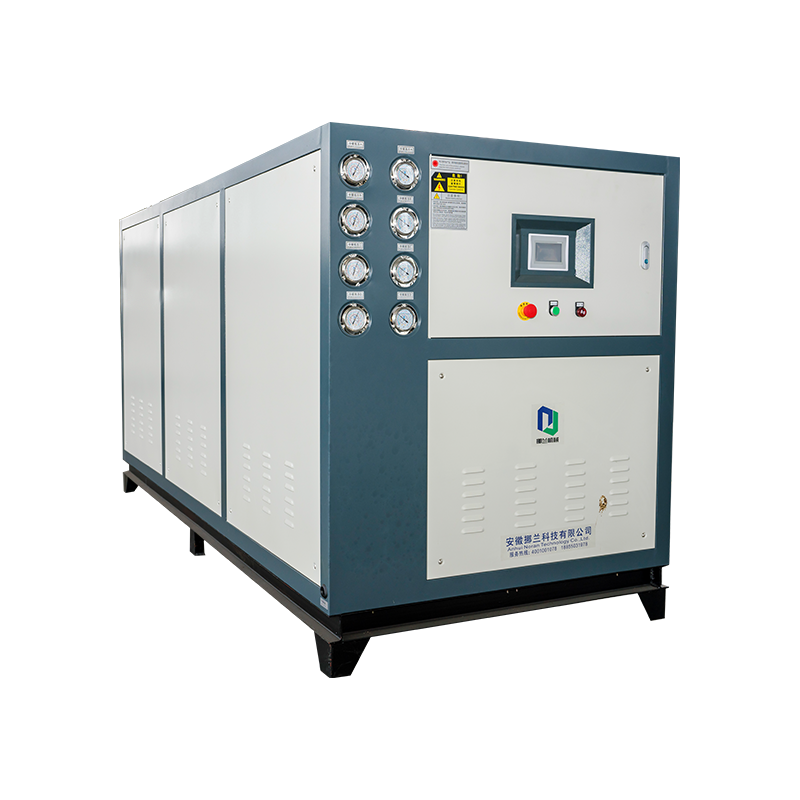
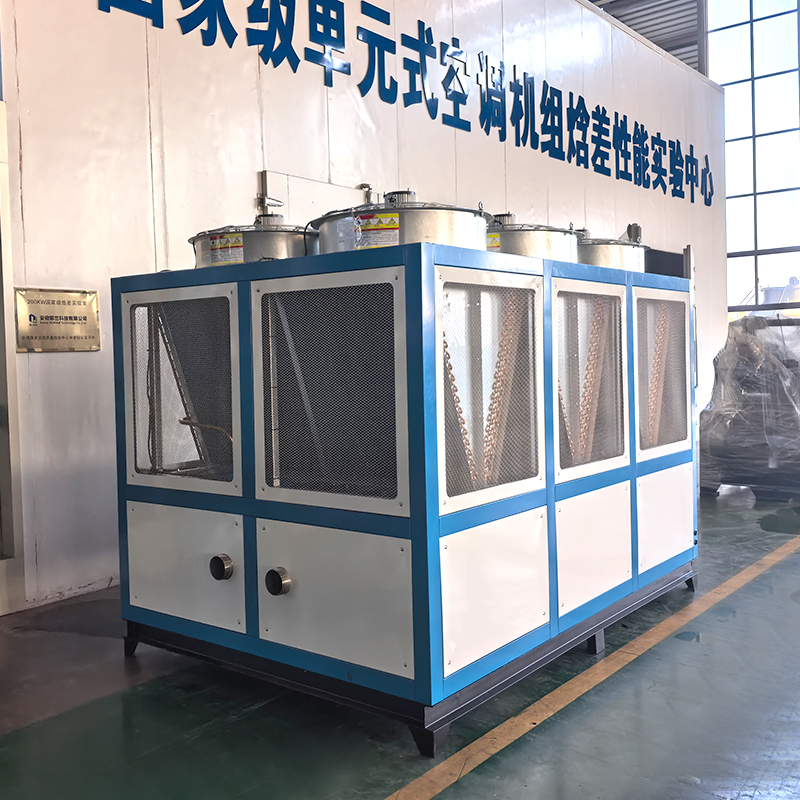
Industrial low temperature refrigeration equipment for controlled process cooling
Low temperature refrigeration equipment must be matched to process demand, fluid properties, and operating conditions.

1. What Is an Industrial Low Temperature Chiller?

An industrial low temperature chiller is a refrigeration system engineered to deliver a controlled cooling medium at temperatures lower than those normally required by comfort air conditioning or standard process cooling. It removes heat from a circulating liquid and transfers that heat to another medium, such as cooling water or ambient air.

The term covers several equipment configurations. A low temperature water chiller may operate near the freezing point of water when the process and evaporator design permit it. A glycol chiller can circulate an antifreeze solution at sub-zero temperatures, while a brine chiller may use a suitable salt-based or other formulated heat transfer fluid. More demanding applications may require a dedicated low temperature refrigeration circuit or a cascade arrangement.

The defining requirement is not simply that the outlet fluid is cold. The chiller must maintain the required temperature while handling variations in process heat load, fluid flow, ambient conditions, and operating schedules.

How It Differs from a Standard Industrial Chiller

A standard industrial chiller is commonly selected for moderate process temperatures. When the target temperature falls substantially below the freezing point of water, additional engineering considerations become important. Refrigeration components must operate within suitable pressure and temperature limits, and the selected fluid must remain pumpable under the expected conditions.

  • Lower evaporating temperatures: The refrigeration circuit must accommodate a larger temperature lift between the cooled fluid and the heat rejection side.
  • Specialized heat transfer fluids: Glycol or brine can reduce the risk of freezing within the process circuit when correctly formulated and maintained.
  • Enhanced insulation: Cold pipes, valves, tanks, and fittings require insulation and vapor control to limit heat gain and condensation.
  • More demanding controls: Compressor staging, capacity modulation, fluid flow monitoring, and protective interlocks become increasingly important.
  • Application-specific components: Pumps, seals, heat exchangers, valves, and refrigerant controls must suit the intended temperature range.

Engineering priority

Select the equipment around the required process fluid temperature and the actual heat load. A machine advertised for a particular low outlet temperature is not necessarily suitable for every application at that temperature.

2. How Low Temperature Refrigeration Works

Low temp refrigeration generally follows a vapor compression cycle. Refrigerant circulates through the compressor, condenser, expansion device, and evaporator. Each component performs a distinct function, and the coordinated operation of the complete circuit determines the cooling capacity available to the process.

01

Evaporator

Refrigerant absorbs heat from the circulating process fluid.

→
02

Compressor

Refrigerant vapor is compressed to a higher pressure.

→
03

Condenser

Heat is rejected to air or a cooling water circuit.

→
04

Expansion Device

Refrigerant pressure is reduced before it returns to the evaporator.

The process fluid transfers heat through the evaporator without normally mixing with the refrigerant. In a typical indirect cooling arrangement, a pump circulates glycol or brine between the chiller and the equipment being cooled. This separates the refrigeration circuit from the process piping and allows the fluid distribution system to serve multiple loads.

Why Lower Temperatures Increase Refrigeration Demands

As the required fluid temperature decreases, the refrigerant generally must evaporate at a still lower temperature to maintain the necessary heat transfer. This increases the temperature lift that the compressor must overcome. Depending on the system, cooling capacity and energy efficiency can decline as the operating temperature falls.

At deeper sub-zero conditions, compressor discharge temperature, lubricant behavior, refrigerant mass flow, motor cooling, and pressure limits require particular attention. A compressor that performs well in a moderate temperature application may not provide an appropriate operating envelope for a substantially colder process.

Air Cooled and Water Cooled Configurations

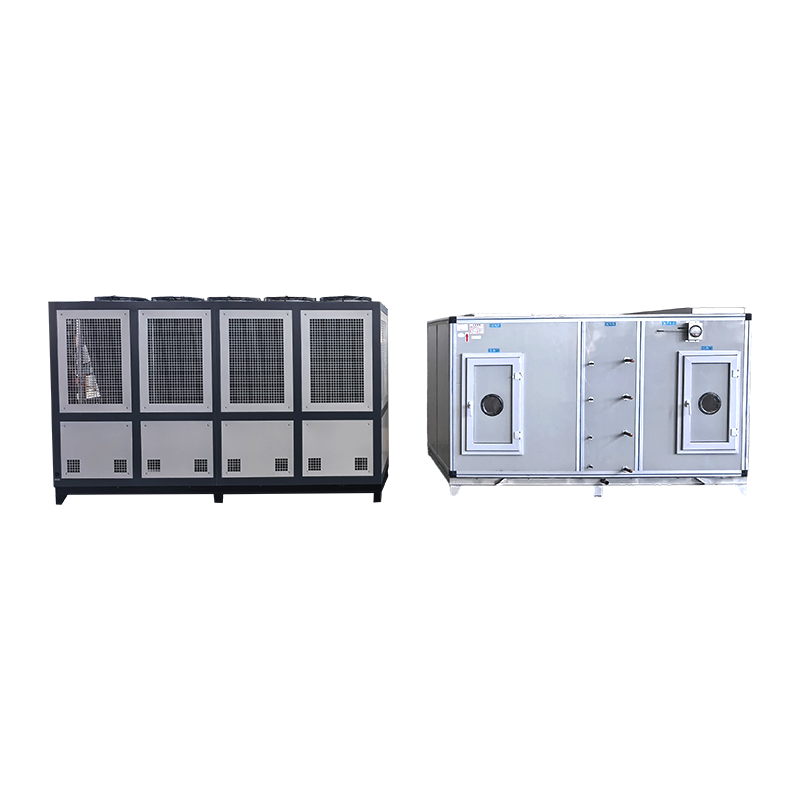
An air cooled low temperature industrial chiller rejects heat directly to ambient air through a condenser and fans. It can simplify site installation where cooling water is unavailable, but its performance is affected by outdoor temperature, airflow, and condenser cleanliness.

A water cooled configuration transfers condenser heat to a water circuit, typically connected to a cooling tower or another suitable heat rejection system. It can provide more controllable condensing conditions when the water supply is properly designed. However, it requires additional piping, water treatment, pumps, and maintenance planning.

Neither configuration is automatically superior in every facility. The decision should account for climate, water availability, operating hours, utility costs, installation space, and the heat rejection requirements of the selected refrigeration system.

3. Temperature Ranges and Equipment Selection

The required supply temperature is one of the first parameters to establish during equipment selection. It determines the appropriate refrigeration architecture, the properties of the secondary fluid, and the level of insulation and control required.

TEMPERATURE MAP

Illustrative Industrial Cooling Ranges

Representative application bands for preliminary selection, not guaranteed equipment limits.

-50 C -40 C -30 C -20 C -10 C 0 C Deep cooling Low temperature Moderate sub-zero -50 to -30 C -30 to -10 C -10 to 0 C

Temperature bands overlap across equipment categories. Always verify the guaranteed leaving fluid temperature, ambient design condition, and rated capacity in the technical specification.

Three Practical Selection Zones

  • Moderate sub-zero cooling: Applications near zero to approximately minus 10 degrees Celsius may use a suitably designed glycol chiller, subject to fluid concentration, freezing margin, and evaporator limitations.
  • Low temperature process cooling: Requirements around minus 10 to minus 30 degrees Celsius often need more specialized refrigeration components, carefully selected fluids, and more extensive insulation.
  • Deep low temperature cooling: Requirements below approximately minus 30 degrees Celsius may need a dedicated low temperature system, a cascade arrangement, or another specialized refrigeration architecture.

These zones are intended to organize early engineering discussions. They are not fixed industry definitions. Two machines with the same nominal outlet temperature can have very different capacities, allowable ambient conditions, and continuous operating limits.

Distinguish Fluid Temperature from Refrigeration Temperature

The leaving process fluid temperature is not the same as the refrigerant evaporating temperature. Heat must pass through the evaporator surface, so the refrigerant usually operates colder than the fluid being cooled. The necessary temperature difference depends on heat exchanger design, flow rate, fouling, and the required duty.

For example, a process requiring glycol supply at minus 20 degrees Celsius cannot be specified solely by asking for a chiller that operates at minus 20 degrees Celsius. The supplier must confirm the achievable leaving glycol temperature, the fluid composition, the design heat load, and the operating conditions under which the stated capacity is available.

4. Choosing Between Glycol, Brine, and Other Cooling Media

The heat transfer fluid affects refrigeration efficiency, pumping energy, heat exchanger performance, corrosion protection, and operating safety. A glycol chiller and a brine chiller may serve similar temperature requirements, but their fluids do not have identical properties.

Cooling Medium Typical Application Considerations Main Advantages Key Limitations
Water Above-freezing process cooling Good heat transfer and low pumping resistance Freezing risk below its applicable operating limit
Ethylene glycol solution Industrial closed loops requiring antifreeze protection Useful low temperature performance in properly formulated systems Toxicity concerns, viscosity changes, and concentration control
Propylene glycol solution Applications where reduced toxicity is a priority Suitable for many process and secondary cooling circuits May require different concentration and pumping provisions
Brine solution Selected industrial refrigeration systems with compatible materials Can support specific low temperature duties Corrosion management and fluid compatibility requirements
Specialized secondary fluid Processes with unusual temperature or material requirements Can be selected for specific operating constraints Availability, cost, compatibility, and handling requirements

Glycol Concentration and Pumping Requirements

Glycol concentration should be based on the lowest expected fluid temperature and an appropriate freezing protection margin. Increasing concentration generally changes viscosity, heat capacity, thermal conductivity, and pumping requirements. Excessive concentration can increase circulation power and reduce heat transfer performance without providing a useful benefit to the process.

Ethylene glycol and propylene glycol should not be treated as interchangeable. Their thermal properties, toxicity profiles, and suitability for contact-sensitive environments differ. The selected formulation should also contain corrosion inhibitors appropriate to the equipment materials and operating conditions.

When a Brine Chiller Is Appropriate

Brine systems can be useful when the process requires a secondary fluid with specific low temperature characteristics. The exact brine formulation matters because freezing behavior, viscosity, corrosion risk, and compatibility depend on its composition. A material that performs adequately in one brine circuit may deteriorate in another.

Before choosing a brine chiller, evaluate the evaporator materials, pump seals, valves, piping, expansion tank, and fluid treatment plan. Fluid sampling and concentration checks should be part of the maintenance schedule rather than measures taken only after a cooling problem occurs.

Fluid selection checklist

  • Confirm the minimum and normal operating fluid temperatures.
  • Verify freezing protection at the coldest point in the circuit.
  • Check viscosity and pump performance at startup and steady operation.
  • Confirm compatibility with metals, elastomers, seals, and heat exchangers.
  • Establish a fluid inspection, replacement, and contamination control plan.

5. Understanding Cooling Capacity and Process Load

A low temperature process chiller should be selected against the actual heat entering the process, not simply the size of the production machine or the nominal power rating of an existing cooling unit. Process heat may come from motors, friction, reaction vessels, electrical components, incoming material, ambient heat gain, or repeated batch operations.

The design load should distinguish continuous heat generation from temporary peaks. A process with a stable load may benefit from a smaller operating range and steady capacity modulation. A batch process may require additional capacity during initial pull-down, followed by a much lower load during temperature holding.

ILLUSTRATIVE DESIGN EXAMPLE

Relative Heat Load by Process Stage

Example planning values showing how cooling demand can vary during a production cycle.

0 25 50 75 100 Startup Pull-down Production Holding

Illustrative relative index only. The values are not measured plant data and must not be used as equipment sizing ratings.

Factors That Affect Required Capacity

  • Initial pull-down: The system must remove stored heat from the product, process equipment, fluid inventory, and piping.
  • Steady-state heat gain: Pumps, motors, ambient exposure, and continuous process operations add to the ongoing load.
  • Production timing: Simultaneous batch operations may create a larger peak demand than the average daily load suggests.
  • Fluid flow and temperature difference: Insufficient flow can impair heat transfer or trigger low flow protection.
  • Heat rejection conditions: High ambient air temperature or unfavorable cooling water conditions can reduce available refrigeration capacity.

Why Oversizing Is Not a Universal Solution

Oversizing may appear to provide a comfortable capacity margin, but it can lead to frequent compressor cycling, poor humidity or temperature control where relevant, higher initial cost, and inefficient operation at low load. Conversely, undersizing can prolong pull-down periods and prevent the process from recovering after a production peak.

The appropriate design margin should reflect uncertainty in the load calculation, future production changes, fouling allowance, and required recovery time. It should not be added indiscriminately to every load component. For critical applications, consider whether staged compressors, variable capacity control, thermal storage, or separate circuits offer a better response to fluctuating demand.

6. Compressor, Evaporator, and Control System Design

The refrigeration components must operate as a coordinated system. Selecting an individual compressor or heat exchanger based on a headline capacity is insufficient because rated output changes with evaporating temperature, condensing temperature, refrigerant selection, and operating limits.

Compressor Selection

Compressor technology should match the required temperature range, capacity profile, and duty cycle. Reciprocating compressors can suit a range of specialized applications and staged capacity arrangements. Screw compressors can support larger industrial duties where the selected model and operating envelope are appropriate. Other configurations may be suitable for particular low temperature requirements.

Evaluate the manufacturer's capacity data at the actual design conditions. Review the permissible suction pressure, discharge temperature, motor loading, lubrication requirements, and minimum stable capacity. For low temperature operation, also confirm that the compressor is approved for the intended refrigerant and operating range.

Evaporator and Heat Exchanger Design

The evaporator must provide adequate heat transfer without exposing the process fluid to unacceptable pressure loss or freezing risk. Plate heat exchangers offer compact construction and effective heat transfer in many compatible applications. Shell and tube designs may be selected for other combinations of flow, maintenance access, pressure requirements, and fluid properties.

For viscous fluids, heat exchanger selection should account for reduced heat transfer and increased pumping resistance. The design should also allow practical cleaning or servicing where contamination, degradation products, or process deposits are possible.

Temperature Control and Instrumentation

A precision process may require more than a single supply temperature sensor. Depending on the process, useful measurements can include leaving fluid temperature, return temperature, flow rate, suction and discharge pressures, compressor discharge temperature, and pump status.

Control logic should avoid rapid cycling and should maintain stable operation when the process load changes. A buffer tank can reduce short-term temperature swings and improve control in some systems, although its volume and arrangement must be evaluated against the process response requirements.

For an industrial chiller with sub-zero temperature control, alarm limits should reflect real operating risks. Low fluid flow, low suction pressure, abnormal discharge temperature, and fluid temperature outside the allowable range may require an alarm, capacity reduction, or controlled shutdown. The exact response should follow the equipment design and the consequences of losing cooling.

7. Comparing Cooling System Performance

Low temperature equipment should be evaluated across several performance dimensions rather than by nominal capacity alone. A system that achieves a colder outlet temperature may consume more electricity, require more maintenance, or provide less capacity at the actual design ambient condition.

DESIGN COMPARISON

Illustrative Performance Profile

Conceptual scores on a relative scale for comparing engineering priorities.

Temperature range Control System simplicity Efficiency potential Conventional cooling Glycol low temperature Deep cooling

Conceptual comparison only. Scores are illustrative, not field measurements or verified ratings. Actual efficiency and controllability depend on equipment selection and site conditions.

Energy Efficiency at Low Temperatures

As a general engineering trend, lowering the required evaporating temperature increases compressor work for a given heat rejection condition. This means energy consumption should be evaluated at the specified operating point rather than assumed from the chiller's nominal capacity.

Useful comparison data include cooling capacity, electrical input, compressor operating conditions, condenser conditions, and part-load behavior. If two quotations use different fluid temperatures or ambient design conditions, their headline capacity and efficiency figures may not be directly comparable.

Part-Load Operation

Many industrial processes spend substantial time below peak load. A system with suitable capacity modulation can reduce unnecessary starts and stops and improve stability during these periods. Multiple compressors or independent refrigeration circuits may offer useful staging options, depending on the plant's capacity and reliability requirements.

Efficiency improvements should be considered at the system level. Pump selection, pipe sizing, condenser cleanliness, fluid concentration, insulation quality, and control settings can all affect total operating cost. A high-efficiency compressor cannot compensate fully for a poorly designed secondary fluid circuit.

8. Industrial Applications for Sub-Zero Process Cooling

A sub-zero industrial chiller is used wherever equipment, materials, or production processes require a stable temperature below the range that conventional chilled water can reliably provide. The required capacity and temperature stability vary significantly by application.

01

Chemical Processing

Reactor jackets, process vessels, and selected material conditioning stages may require controlled cooling to manage temperature-sensitive operations. The system design must account for transient heat release, fluid compatibility, and safe response to cooling interruptions.

02

Pharmaceutical Manufacturing

Some production and preparation processes require repeatable temperature conditions. Validation needs, monitoring records, contamination control, and the consequences of temperature excursions can influence system architecture and redundancy.

03

Food and Beverage Processing

Selected process steps and indirect cooling circuits use low temperature fluids to remove heat from equipment or production materials. Fluid selection must account for hygiene requirements and the potential consequences of leaks or cross contamination.

04

Plastics and Materials Processing

Specialized production lines may require rapid and stable temperature adjustment for molds, process equipment, or material conditioning. Peak heat load and cycle timing are important when determining required cooling capacity.

05

Electronics and Testing

Environmental testing, component evaluation, and selected manufacturing processes may need controlled low temperature conditions. Sensor accuracy, thermal uniformity, and protection against condensation can be critical.

06

Industrial Equipment Cooling

Specialized machinery and test rigs may need a chilled secondary fluid to stabilize operating conditions. The design must accommodate changes in heat generation, fluid demand, and production schedules.

Illustrative Engineering Scenario

Consider a batch process that requires glycol supplied at minus 18 degrees Celsius. The cooling load is high during the initial pull-down period and decreases after the equipment reaches its operating temperature. The return fluid warms as it absorbs process heat before circulating back to the chiller.

The engineering team would first establish the batch heat load, required pull-down time, fluid volume, flow rate, and acceptable temperature variation. It would then check the selected glycol concentration, pump duty, evaporator pressure drop, and refrigeration capacity at the required operating point.

If production batches overlap, the team must also evaluate whether the combined load exceeds the available capacity. Depending on the operating profile, staged refrigeration, a buffer tank, or separate process circuits may improve temperature stability. This example describes a selection method rather than a documented installation or guaranteed equipment result.

9. Installation, Piping, and Thermal Insulation

Even a correctly sized low temperature chiller can perform poorly if installation details are overlooked. The piping layout, fluid inventory, insulation system, pump location, and heat rejection arrangement all affect startup behavior, temperature stability, and maintenance requirements.

Insulation and Vapor Control

Low temperature piping gains heat from the surrounding environment. If the external surface falls below the local dew point, moisture can condense on the insulation or adjacent components. A suitable insulation system should limit heat gain and include vapor control appropriate to the operating temperature and ambient humidity.

Pay particular attention to valves, flanges, pipe supports, tank connections, instrument fittings, and removable service sections. These areas can become thermal bridges or points where the vapor barrier is interrupted. Damaged insulation should be repaired promptly to prevent persistent moisture and loss of cooling performance.

Hydraulic Design

Pipe diameter should be selected to meet the required flow while controlling pressure loss and fluid velocity. Because low temperature glycol and brine solutions can become more viscous, the design should verify pump performance using the actual fluid properties rather than water-based assumptions.

Provide suitable isolation valves, air removal provisions, expansion capacity, strainers where appropriate, and service access. Ensure the pump has adequate operating margin and that the evaporator maintains its required minimum flow. Low flow protection should prevent operation in conditions that could damage the heat exchanger or compromise refrigeration stability.

Site Commissioning

  1. Inspect piping, insulation, supports, electrical connections, and heat rejection equipment.
  2. Verify the cooling fluid type, concentration, cleanliness, and compatibility with the circuit.
  3. Confirm pump rotation, flow rate, pressure drop, and proper air removal.
  4. Check sensors, alarms, protective interlocks, and temperature control sequences.
  5. Record supply and return temperatures, ambient conditions, fluid flow, and electrical input during testing.
  6. Test the response to realistic changes in process load and confirm that operating limits are respected.

Commissioning records create a baseline for later troubleshooting. Without a reliable baseline, it becomes harder to distinguish a new equipment fault from an existing design limitation or a gradual change in fluid condition.

10. Maintenance and Troubleshooting

Preventive maintenance is particularly important for low temperature equipment because reduced heat transfer, fluid degradation, and control errors can quickly affect process stability. Maintenance intervals should follow the equipment manufacturer's requirements, actual operating conditions, and the consequences of an unexpected shutdown.

Observed Symptom Possible Cause Recommended Check
Supply temperature too high Excessive load, insufficient flow, or reduced refrigeration capacity Compare actual load, fluid flow, and refrigeration operating data
Unstable outlet temperature Frequent cycling, sensor error, or rapid load changes Review control settings, sensor calibration, and capacity modulation
High electrical consumption Poor heat rejection, dirty heat exchanger, or unsuitable operating conditions Check condenser performance, fluid concentration, and operating temperatures
Low fluid flow Blocked strainer, pump issue, excessive viscosity, or closed valve Inspect the hydraulic circuit and verify pump operation
Repeated low pressure alarm Refrigerant circuit issue, low load, or operating conditions outside the design range Have qualified refrigeration personnel review pressure and temperature data
Corrosion or fluid discoloration Fluid degradation, contamination, or incompatible materials Sample the fluid and assess inhibitor condition and material compatibility

Recommended Maintenance Tasks

  • Inspect condenser surfaces, fans, cooling water strainers, and associated heat rejection equipment.
  • Review operating pressure and temperature trends for changes from the commissioning baseline.
  • Check fluid concentration, freezing protection, inhibitor condition, and contamination where applicable.
  • Inspect pumps, seals, valves, insulation, and vapor barriers for leakage or deterioration.
  • Verify sensor calibration and confirm that alarms and shutdown protections operate as intended.
  • Review refrigerant circuit service records and investigate recurring faults rather than repeatedly resetting alarms.

Refrigerant charging, leak repair, and internal refrigeration work should be carried out by qualified personnel using the applicable procedures and regulations. Repeated alarm resets without identifying the cause can increase equipment damage and create unsafe operating conditions.

11. How to Specify a Custom Low Temperature Chiller

A custom low temperature chiller specification should translate the production requirement into measurable design conditions. Providing only the desired outlet temperature often results in quotations based on different assumptions, making technical and commercial comparisons unreliable.

01

Required Temperature

Specify normal supply temperature, return temperature, minimum allowable temperature, and acceptable fluctuation during operation.

02

Cooling Capacity and Load Profile

Provide estimated heat load, peak load, continuous duty, startup pull-down requirement, and expected production schedule.

03

Fluid and Hydraulic Conditions

Identify the fluid formulation, concentration, flow rate, allowable pressure drop, piping distance, and required pump arrangement.

04

Site and Utility Conditions

State ambient design temperatures, cooling water conditions where applicable, power supply, installation location, and available service space.

05

Control and Reliability Requirements

Define temperature monitoring, remote communication, alarm functions, continuous operation expectations, and any required redundancy.

06

Documentation and Acceptance

Request performance data at the specified conditions, wiring and piping documentation, maintenance requirements, and an agreed commissioning procedure.

Questions to Ask a Low Temperature Chiller Manufacturer

Technical discussions should focus on verified operating performance and design suitability rather than general claims about maximum cooling capability. Useful questions include:

  • What cooling capacity is available at the exact required fluid temperature and design ambient condition?
  • Which fluid type and concentration are assumed in the published performance data?
  • What are the allowable operating limits and minimum stable capacity?
  • How are low flow, abnormal pressure, and high discharge temperature handled by the control system?
  • What maintenance access, installation clearances, and heat rejection utilities are required?
  • What performance records and commissioning support are available for the specified duty?

A custom low temperature chiller may be appropriate when the process requires unusual setpoints, a specialized secondary fluid, nonstandard heat exchanger materials, particular control interfaces, or a specific installation arrangement. Customization should address documented process requirements rather than add complexity without a measurable operational benefit.

12. A Practical Decision Workflow

A consistent selection process helps reduce specification gaps and makes equipment quotations easier to compare. The following workflow organizes the major decisions from the process requirement through final commissioning.

STEP 1

Define the Process

Establish the target temperature, load, flow, and operating schedule.

STEP 2

Select the Fluid

Check freezing protection, viscosity, heat transfer, and compatibility.

STEP 3

Confirm Refrigeration Design

Verify capacity, compressor envelope, evaporator, and heat rejection.

STEP 4

Engineer the Circuit

Size pumps and pipes, specify insulation, and define protection logic.

STEP 5

Test and Commission

Verify performance at agreed operating conditions and record a baseline.

Before approving a final specification, ensure the process owner, equipment supplier, and installation team use the same design conditions. Differences in fluid concentration, inlet temperature, ambient temperature, or capacity definitions can otherwise lead to conflicting expectations after delivery.

Frequently Asked Questions

Q1: What is an industrial low temperature chiller?

An industrial low temperature chiller is a refrigeration system designed to provide controlled cooling at temperatures below those normally handled by standard chilled water equipment. It is used for industrial processes that require specialized temperature control, often with glycol, brine, or another secondary fluid.

Q2: How cold can a low temperature industrial chiller operate?

The achievable temperature depends on the refrigeration architecture, compressor operating envelope, refrigerant, heat exchanger design, and cooling medium. Some systems operate moderately below zero, while specialized configurations can support substantially lower temperatures. The guaranteed fluid outlet temperature must be confirmed for the actual design conditions.

Q3: What is the difference between a glycol chiller and a brine chiller?

A glycol chiller uses a glycol based fluid to provide antifreeze protection and transfer heat. A brine chiller uses a suitable brine formulation or another fluid classified as brine for the application. Their freezing behavior, viscosity, corrosion characteristics, and material compatibility differ, so the fluid must be selected for the specific operating range.

Q4: Can a low temperature water chiller operate below zero degrees Celsius?

Water alone is generally unsuitable for a process circuit operating below its freezing point because ice formation can restrict flow and damage components. A purpose-designed system may use an antifreeze solution or another suitable heat transfer medium. The evaporator design and protection controls must also be compatible with the intended conditions.

Q5: What determines the cooling capacity required?

Required capacity depends on process heat generation, stored heat, incoming material temperature, fluid circulation, ambient heat gain, production timing, and the required pull-down period. Peak and continuous loads should be evaluated separately to avoid both undersizing and unnecessary oversizing.

Q6: Is a water cooled or air cooled low temperature chiller better?

The better configuration depends on site conditions. Air cooled equipment can simplify installation where cooling water is unavailable, while water cooled equipment may offer useful heat rejection performance with a suitable cooling water system. Climate, utilities, maintenance resources, space, and operating costs should guide the decision.

Q7: How can a low temperature process chiller improve energy efficiency?

Efficiency can be improved by selecting equipment at the actual design operating point, matching capacity to the load profile, optimizing fluid concentration and pump operation, maintaining clean heat exchangers, and minimizing heat gain through insulation. Part load performance and control stability should also be evaluated.

Q8: What information is needed to request a custom low temperature chiller?

Provide the target supply and return temperatures, heat load, required flow rate, fluid type and concentration, operating schedule, ambient conditions, available utilities, installation constraints, and control requirements. These details allow the supplier to assess capacity and operating suitability against a consistent set of conditions.

Q9: Does a cryogenic chiller mean the same thing as a low temperature industrial chiller?

Not necessarily. Cryogenic cooling generally refers to substantially lower temperature applications that may require specialized refrigeration or gas based cooling technologies. Industrial low temperature chiller is a broader term covering many sub-zero process cooling systems. The required temperature range and cooling method should be defined explicitly.

Q10: How often should the cooling fluid be checked?

Inspection frequency depends on the fluid formulation, operating conditions, contamination risk, and supplier guidance. Establish a documented schedule for checking concentration, freezing protection, appearance, contamination, and inhibitor condition where applicable. Unusual changes should be investigated before they affect cooling performance or component life.