
 English
  Français
  Español
  Português
  عربى
عربى  Türk
Türk  हिंदी
हिंदी 

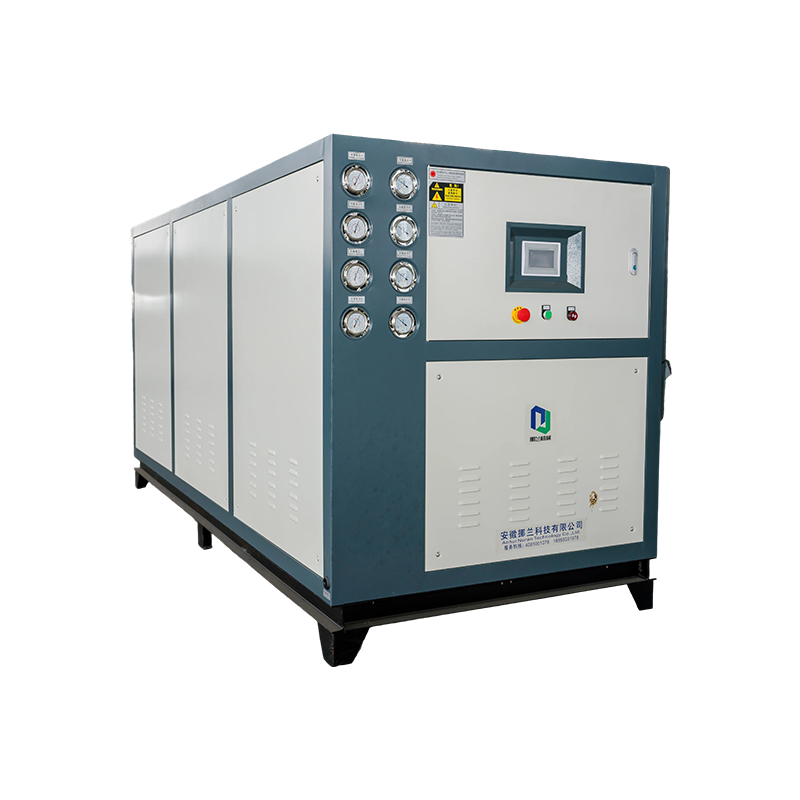
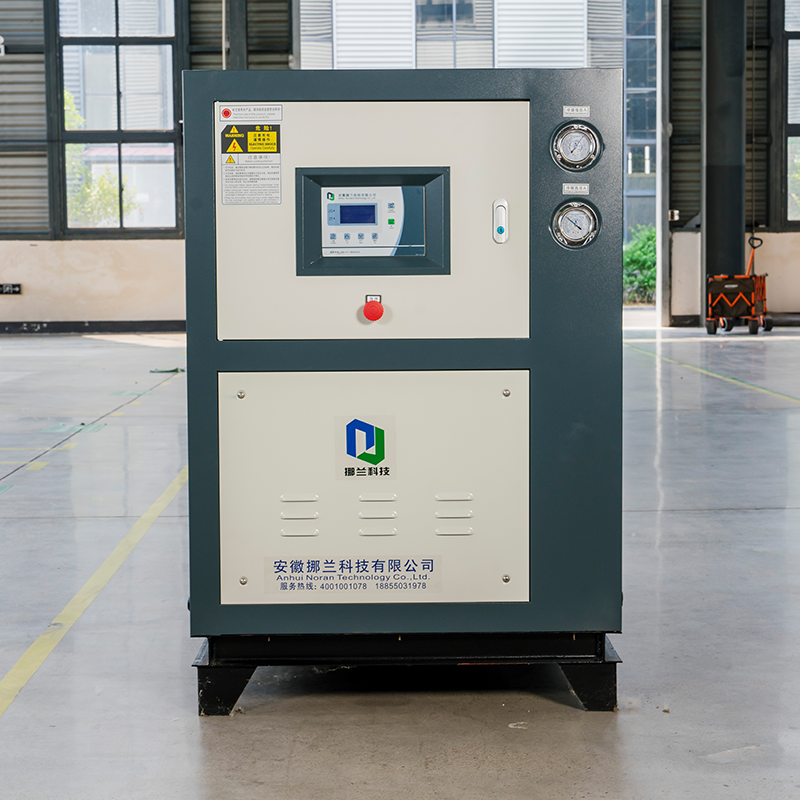
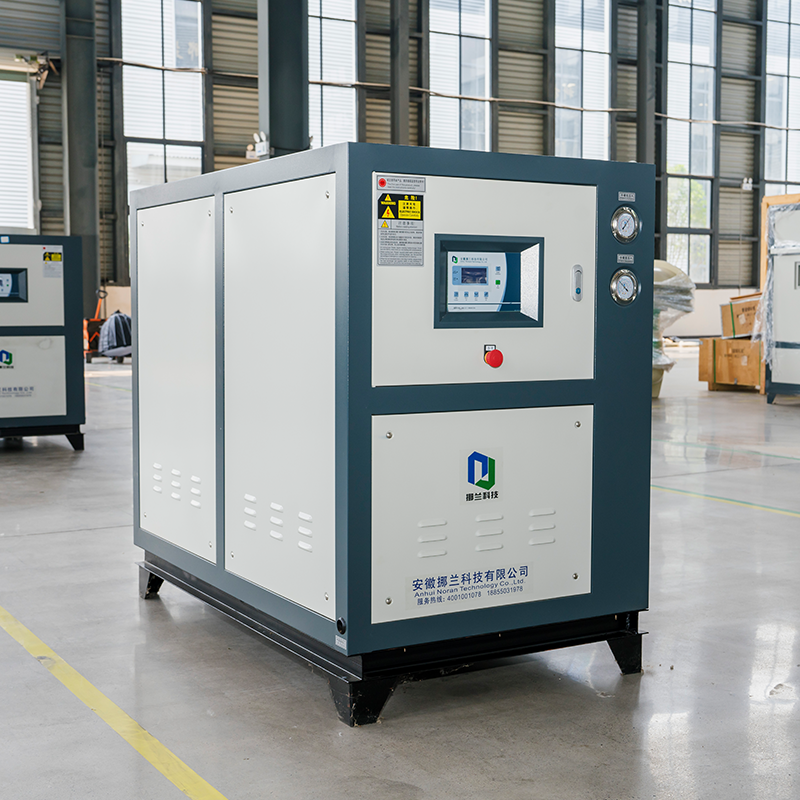
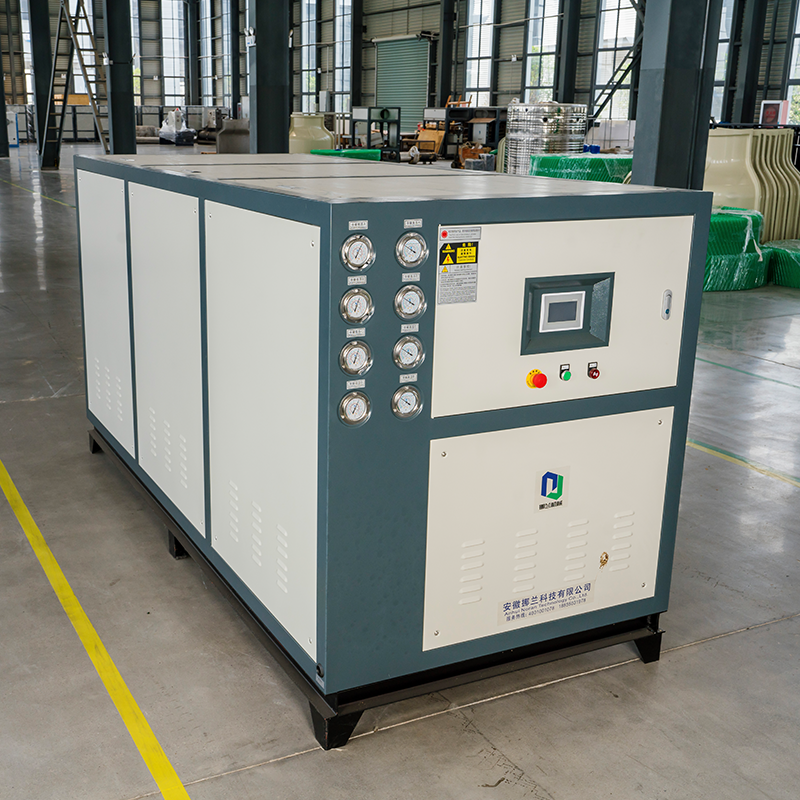


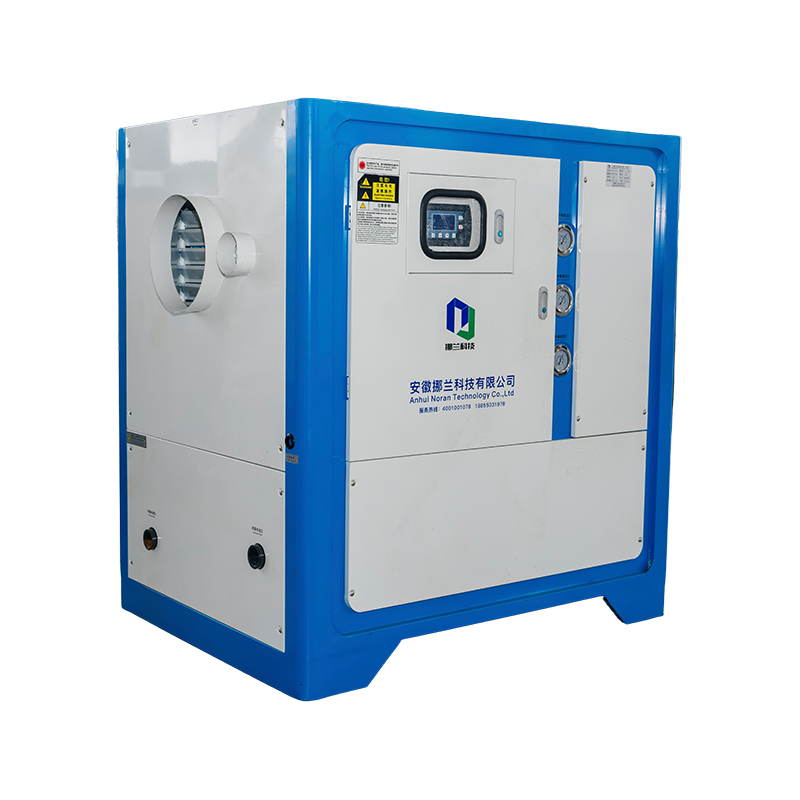















What is the typical cooling capacity of an industrial low temperature chiller?
Industrial cooling requirements vary dramatically depending on the scale of manufacturing and the specific thermal demands of chemical, pharmaceutical, and processing operations. When planning facility infrastructure, plant engineers frequently investigate the thermal output of an industrial low temperature chiller to ensure precise temperature maintenance across sub-zero workflows. Unlike standard commercial refrigeration equipment, these specialized systems are engineered to handle continuous, heavy-duty heat removal at temperatures ranging from minus forty-five to minus ten degrees Celsius. Understanding cooling capacity metrics helps operators select appropriately sized apparatus, preventing thermal inefficiencies and ensuring stable continuous operation under heavy industrial workloads.
Evaluating cooling capacity requires examining how heat load calculations interact with refrigerant behavior, ambient conditions, and fluid circulation rates. Because these complex systems support critical production environments, Hangzhou Noran Machinery Equipment Co., Ltd. was founded in 2014, focusing on the R&D and manufacturing of high-end refrigeration equipment. In 2021, Anhui Noran Technology Co., Ltd. was established, with a 50-mu production base built in Mingguang, Anhui Province, continuously upgrading capabilities in R&D, manufacturing and project delivery.
Selecting the correct sub-zero architecture ensures that a facility can sustain continuous processing without risking thermal runaway or equipment degradation. Noran mainly supplies industrial water chillers, air coolers, mold temperature control systems, explosion-proof refrigeration units and magnetic levitation centrifugal units. Its products are widely used in powder coating, plastic mould, electronic photovoltaic, pharmaceutical chemical and other industries. Supported by technological innovation, university cooperation and patent reserves, we are committed to providing customers with stable, energy-saving and customizable industrial temperature control solutions.
Air-Cooled and Water-Cooled Sub-Zero Chiller Series
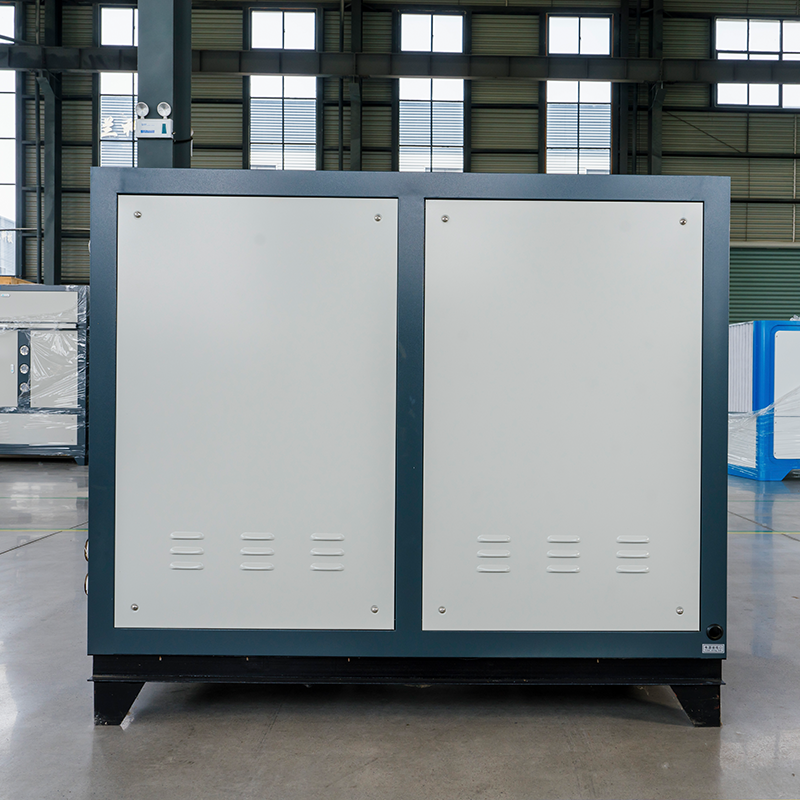
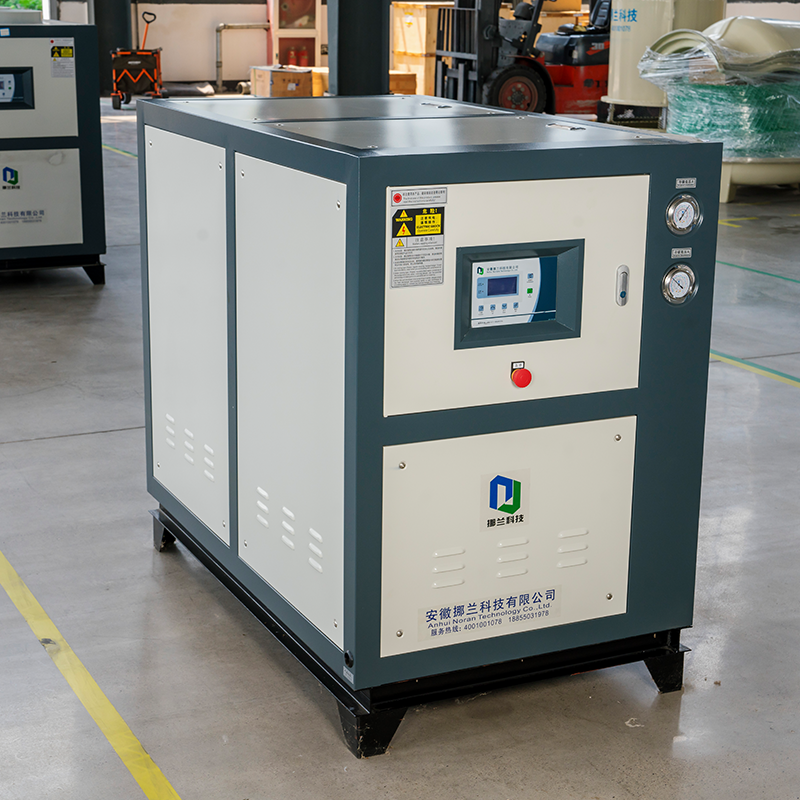
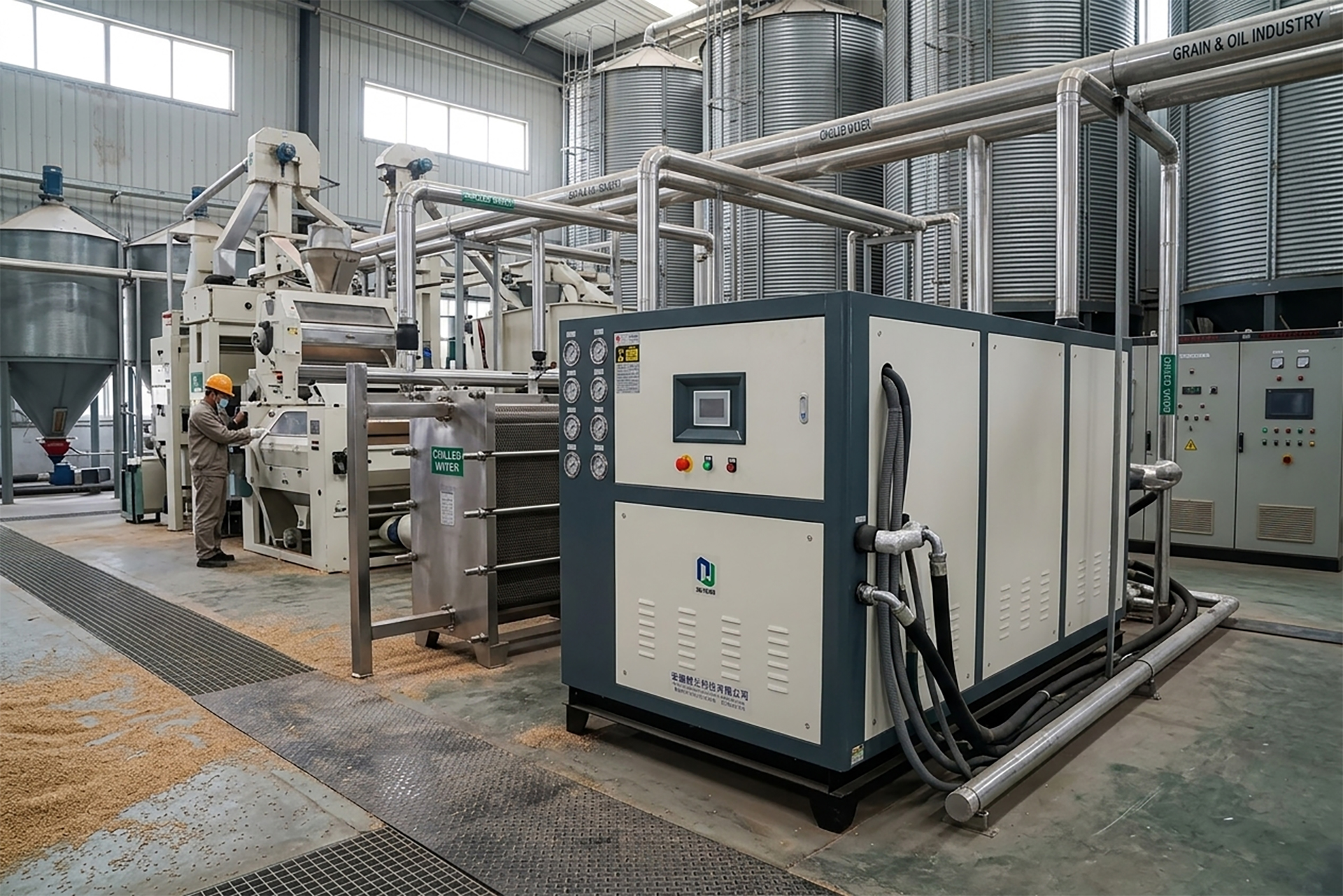
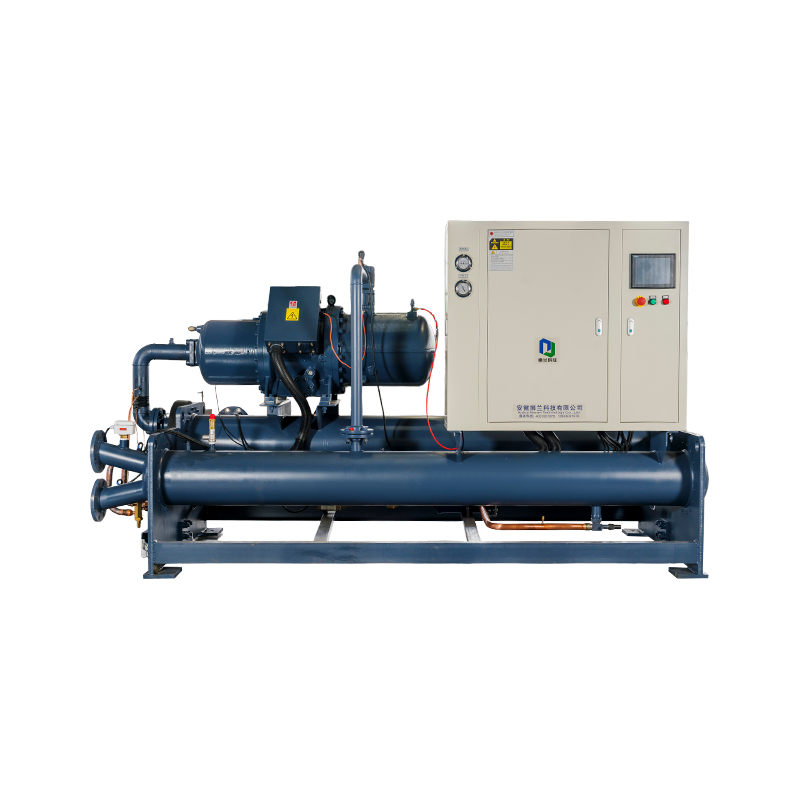
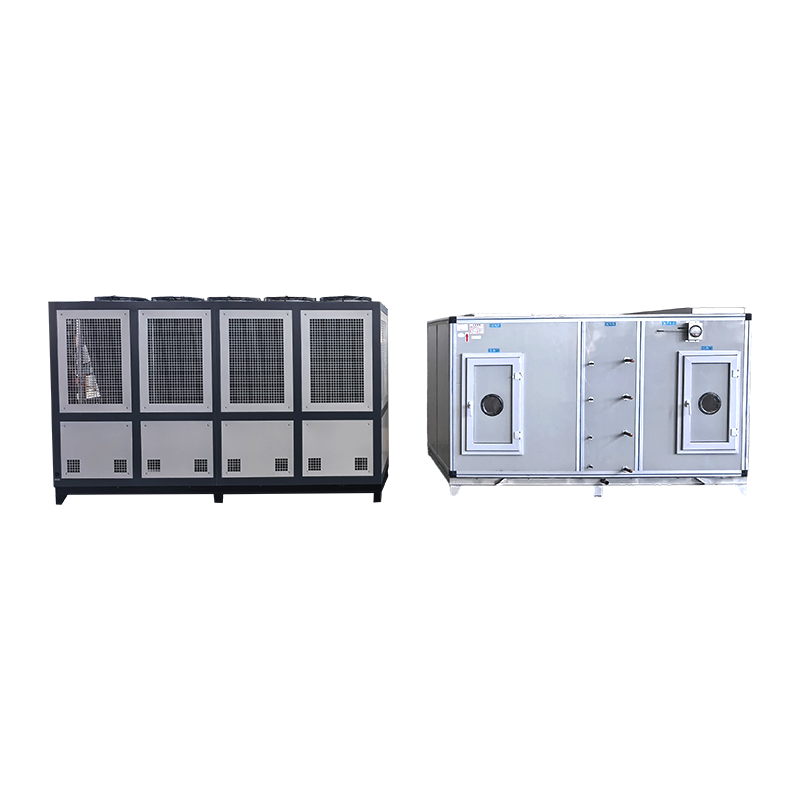
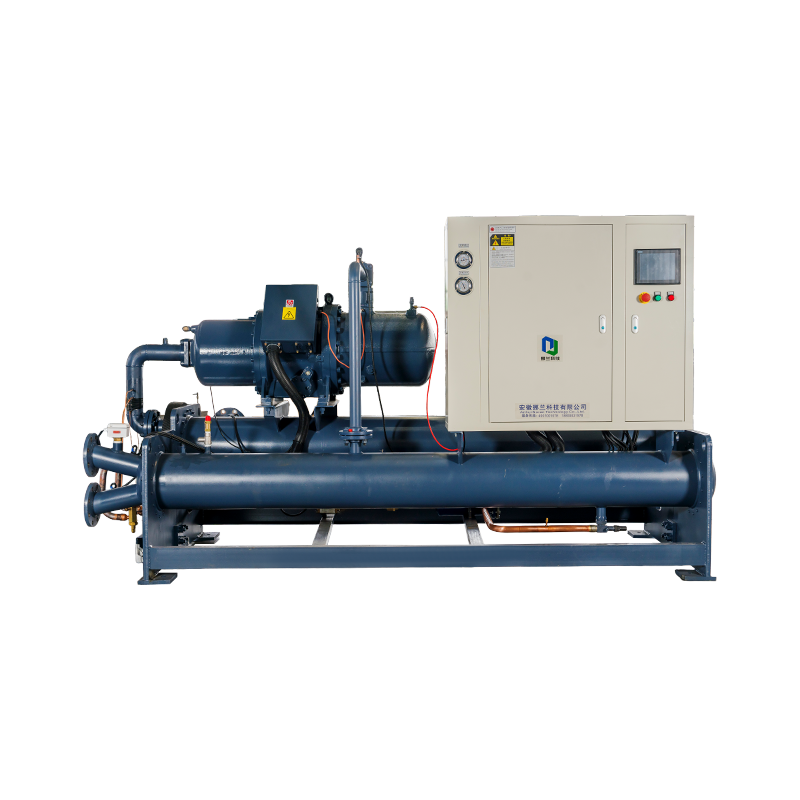
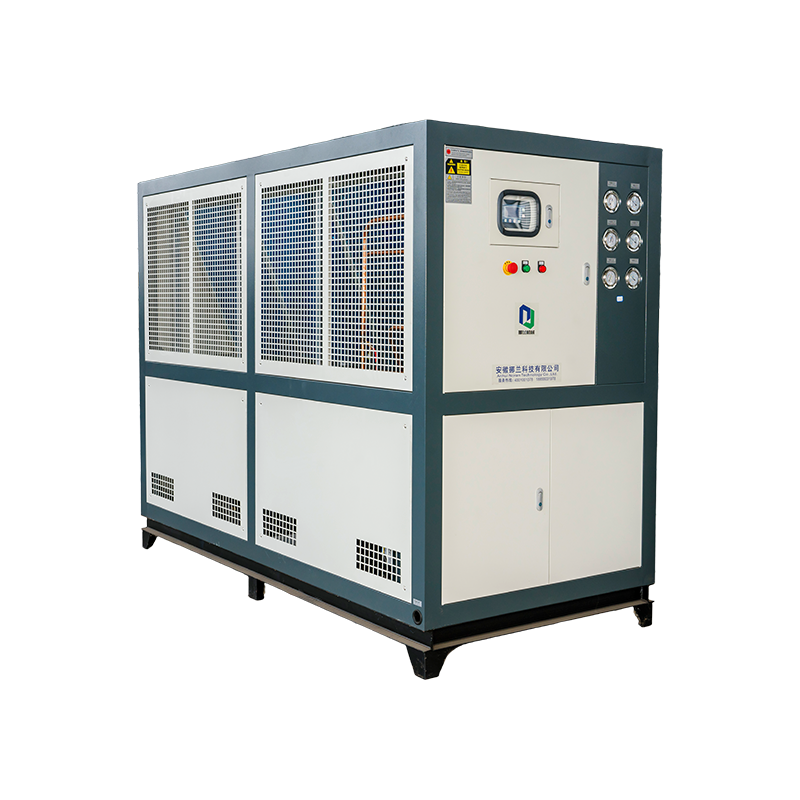
Configuring condenser options is a vital first step when determining the optimal cooling capacity for a manufacturing plant. Defined by their distinct heat rejection mechanisms, air-cooled units utilize copper tube and aluminum fin condensers for efficient heat dissipation without requiring an external cooling tower. In contrast, water-cooled units employ heavy-duty shell-and-tube condensers connected to a circulating water loop to achieve superior heat exchange efficiency. The core function of these systems is to remove extreme thermal loads from process vessels while maintaining exact fluid temperatures. Typical application scenarios include chemical production plants and pharmaceutical manufacturing lines operating in tropical climates. The differential advantage of a low temperature process chiller lies in its ability to deliver stable cooling performance regardless of fluctuating ambient weather conditions. When evaluating options, engineers frequently examine an advanced industrial chiller with low temperature capacity to ensure full alignment with factory heat loads. As an expert manufacturer, Noran delivers versatile options including a robust low temperature industrial chiller designed to withstand rigorous, continuous operation.
Configuring and installing these low-temperature units requires strict adherence to recommended mechanical setup guidelines to safeguard performance.
- Verify that the installation site provides adequate structural load support and clearance for routine maintenance access.
- Ensure that outdoor air-cooled condensing units have unobstructed airflow paths to prevent hot air recirculation.
- Connect condenser water loops with proper flow switches and strainers to protect shell-and-tube heat exchangers from scale buildup.
- Insulate all cold piping thoroughly using high-density vapor barriers to eliminate condensation and thermal gain.
Glycol and Brine Medium Refrigeration Systems
Sub-zero temperature operation demands specialized secondary cooling mediums that remain in liquid form well below the freezing point of water. Defined by the use of water-glycol mixtures or calcium chloride solutions, these secondary loops circulate safely through process jackets and reaction vessels. The core technical feature of a specialized glycol chiller or a heavy-duty brine chiller is its ability to transfer thermal energy at sub-zero temperatures without freezing inside the evaporator tubes. Typical application scenarios involve pharmaceutical active ingredient crystallization and low-temperature chemical synthesis where temperature precision dictates product yield and safety. The primary advantage of deploying a dedicated industrial chiller with glycol medium is the prevention of pipeline blockage and localized freezing. Facilities requiring bespoke thermal parameters often partner with manufacturers to build a custom low temperature chiller tailored to unique fluid viscosities. Furthermore, incorporating a precision industrial chiller with sub-zero temperature control allows plant operators to maintain tight thermal tolerances within plus or minus one degree Celsius.
Executing a successful installation and charging sequence for secondary fluid loops involves a strict, step-by-step technical methodology.
- Conduct a comprehensive pressure test and vacuum dehydration of the closed-loop piping network prior to fluid introduction.
- Prepare the precise concentration of glycol-water or calcium chloride solution based on the required operating temperature setpoint.
- Fill the stainless steel storage tank and activate the circulation pump to bleed all trapped air from the system headers.
- Calibrate digital temperature controllers and execute trial runs under simulated full-load manufacturing conditions.
Specialized Sub-Zero Industrial Chiller Capacity Management
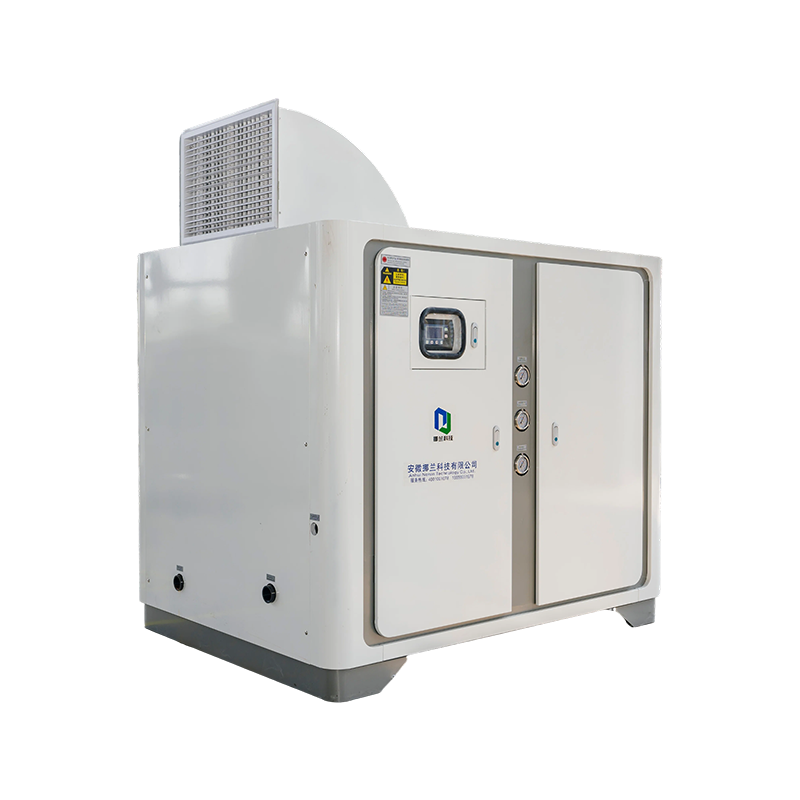
Achieving reliable sub-zero performance also depends on the integration of proven refrigeration components and electrical controls designed for harsh industrial duty. Defined by the inclusion of semi-hermetic compressors, expansion valves, filter driers, and oil separators, these systems ensure seamless refrigerant flow and optimal oil return. The core function of this integrated architecture is to maintain stable high-side and low-side pressures during prolonged multi-stage compression cycles. Typical applications include advanced research facilities and industrial testing chambers demanding an unyielding sub-zero industrial chiller. The differential advantage of working with an experienced low temperature chiller manufacturer is the guarantee that all internal components are matched correctly to prevent compressor overheating and refrigerant starvation. Through advanced engineering expertise, Noran ensures that every industrial low temperature chiller delivers exceptional durability, energy efficiency, and precise thermal stability for global clients.
Through continuous technological innovation and rigorous quality control protocols, our systems provide stable operation, high energy efficiency, and flexible system integration for global industrial customers.
| Chiller Configuration | Operating Temperature Range | Cooling Medium Type | Primary Industrial Application |
| Air-Cooled Low-Temp Unit | Minus 40 C to Minus 10 C | Glycol-Water Solution | General Chemical Testing |
| Water-Cooled Sub-Zero Chiller | Minus 45 C to Minus 10 C | Calcium Chloride / Glycol | Pharmaceutical Crystallization |
| Customized Brine System | Minus 45 C to Zero C | Specialized Brine Solution | Large-Scale Industrial Freezing |
Frequently Asked Questions
Q1: What is the typical cooling capacity range for an industrial low temperature chiller?
Industrial low temperature chillers are designed to handle demanding heat loads across sub-zero temperature ranges from minus forty-five to minus ten degrees Celsius, scaling from compact modular units to large centralized plant systems.
Q2: Why are glycol or brine solutions necessary in low-temperature refrigeration systems?
Glycol and brine solutions lower the freezing point of the circulating fluid, enabling the system to transfer heat effectively at sub-zero temperatures without freezing solid and damaging internal components.
Q3: How do air-cooled and water-cooled low-temperature chillers differ in performance?
Water-cooled chillers utilize shell-and-tube condensers connected to external water loops, offering higher heat transfer efficiency and stable operation in hot climates, whereas air-cooled units rely on ambient air fans for simplified installation.
Q4: What key components ensure the reliability of a sub-zero industrial chiller?
Reliability is ensured through the integration of proven semi-hermetic compressors, precision digital temperature controllers, expansion valves, oil separators, and high-quality electrical control components.


