
 English
  Français
  Español
  Português
  عربى
عربى  Türk
Türk  हिंदी
हिंदी 

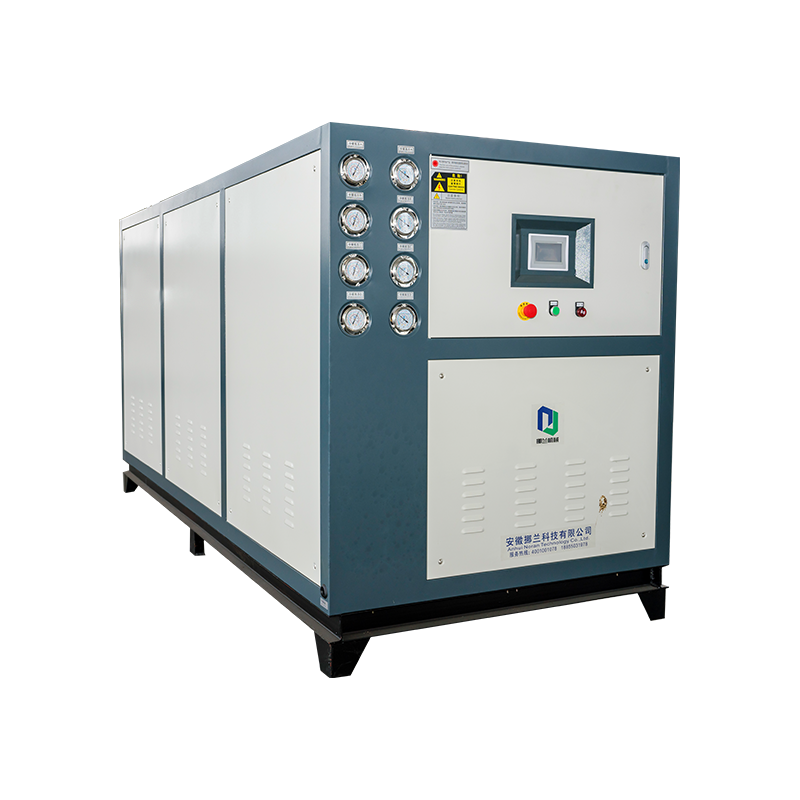
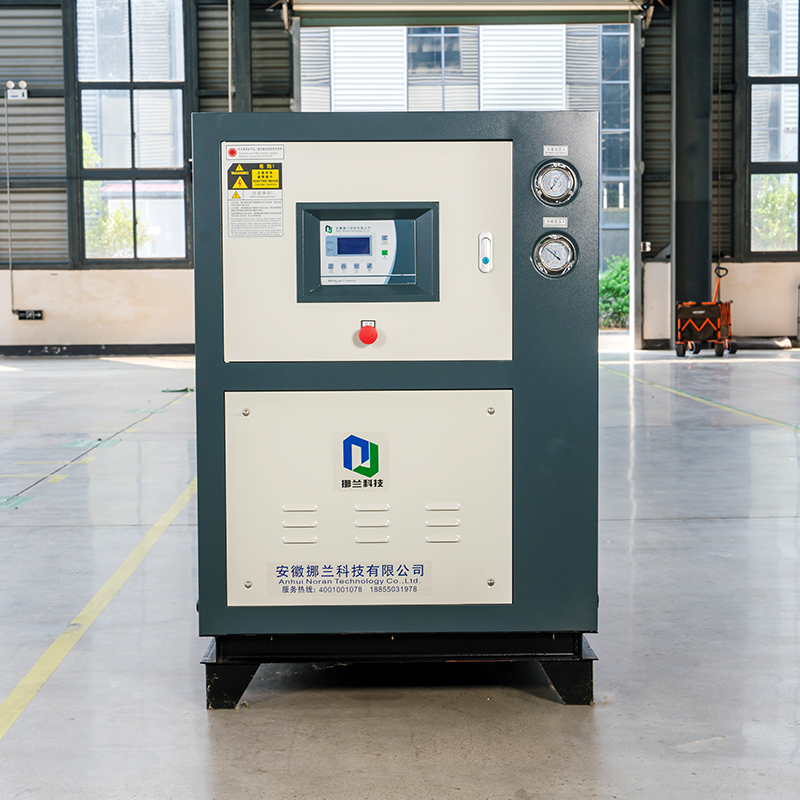
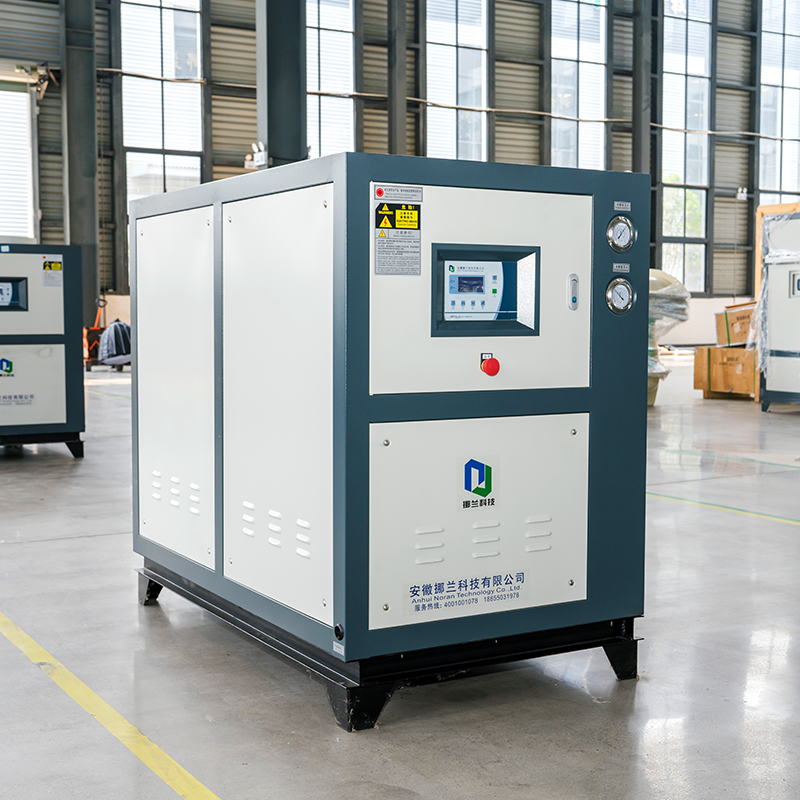
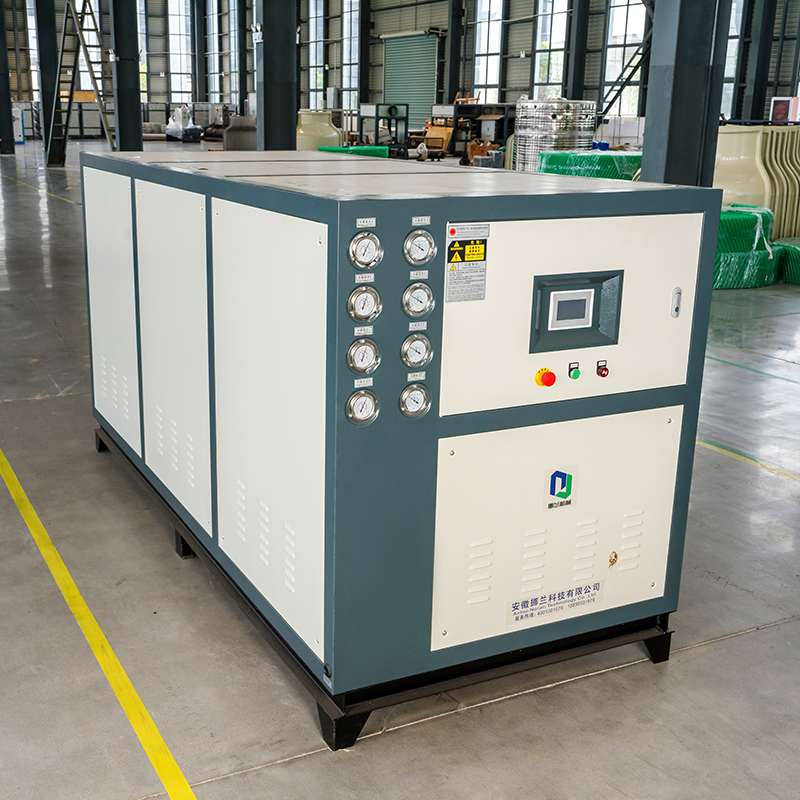
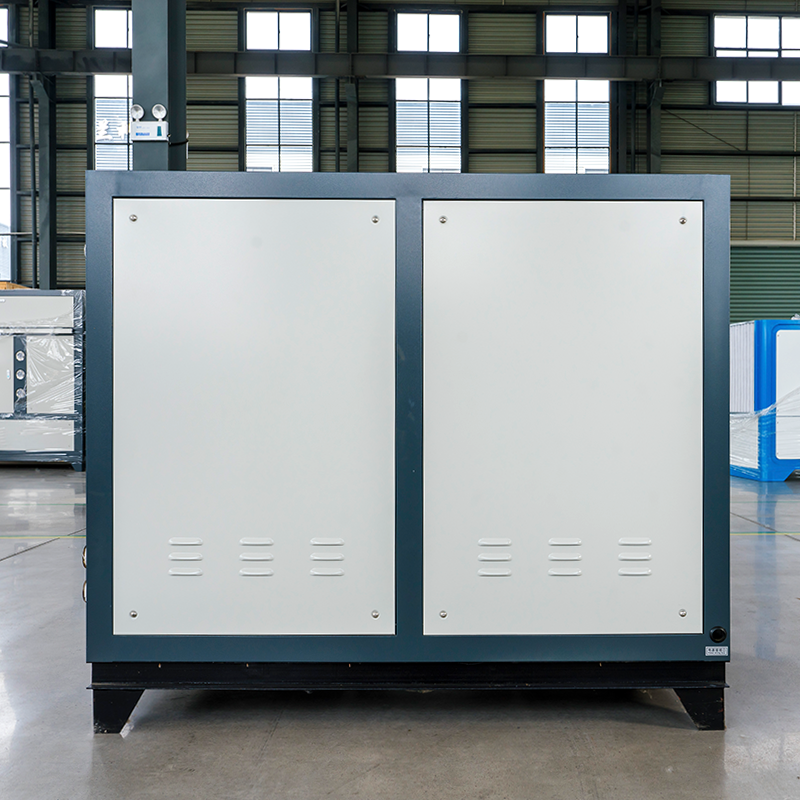
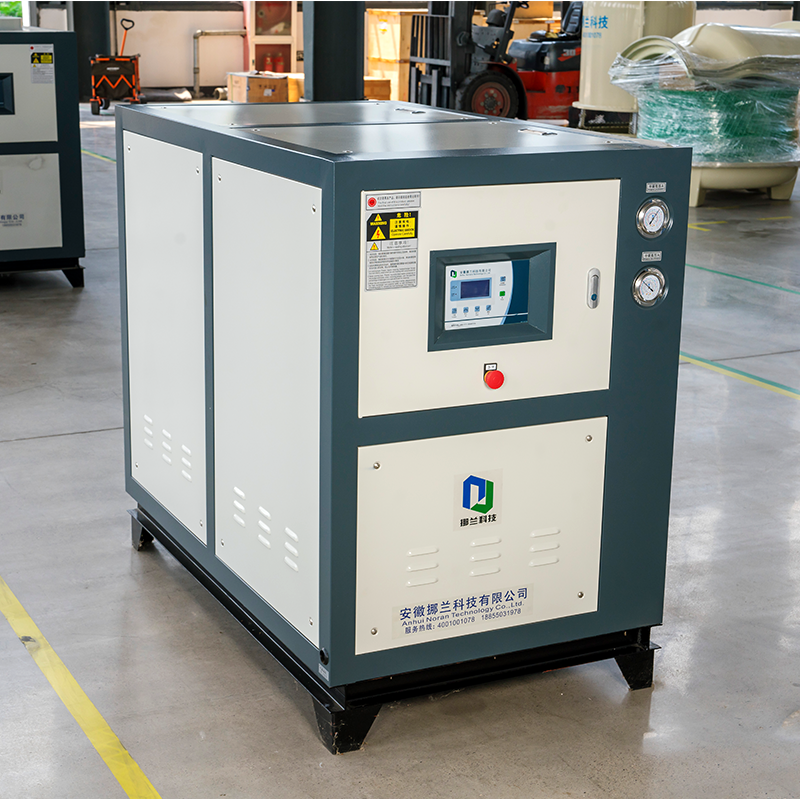
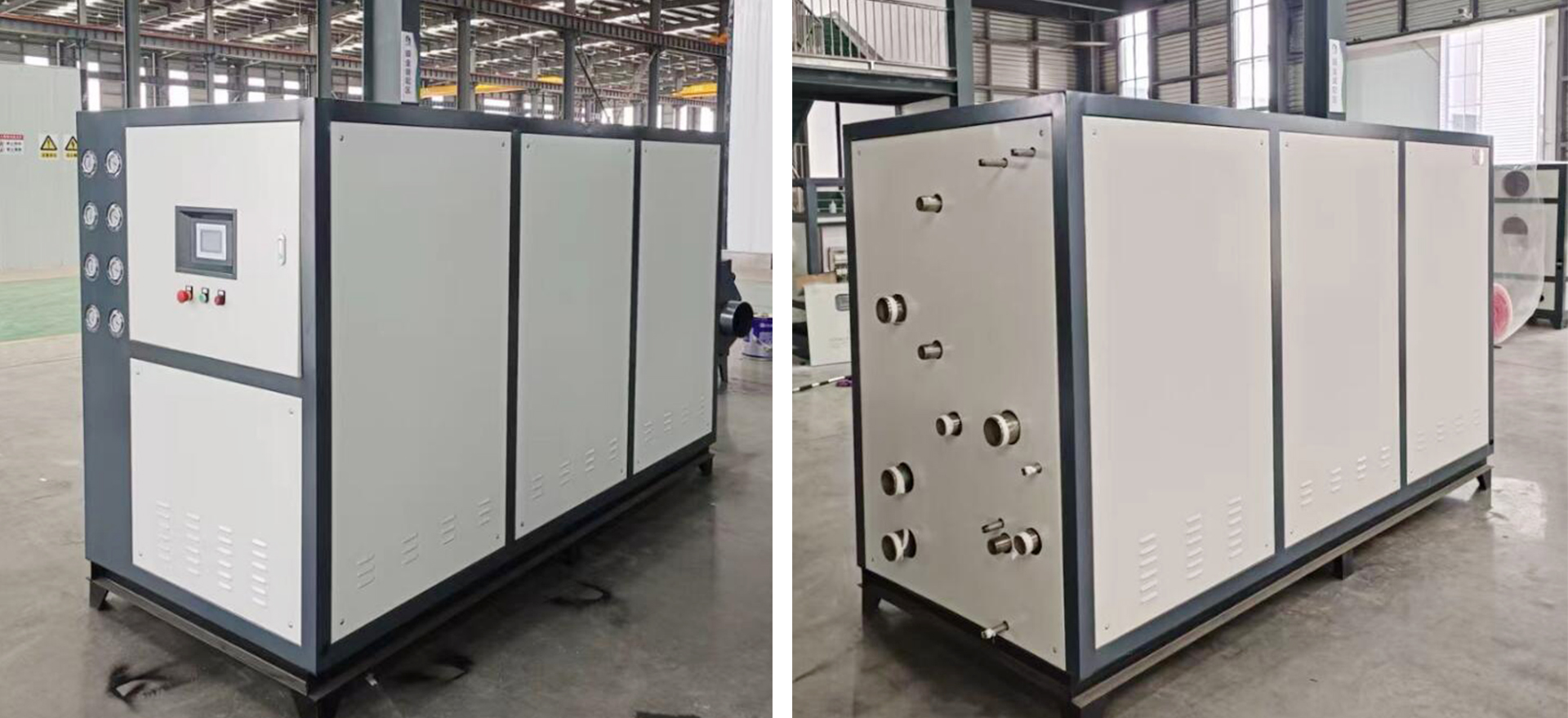
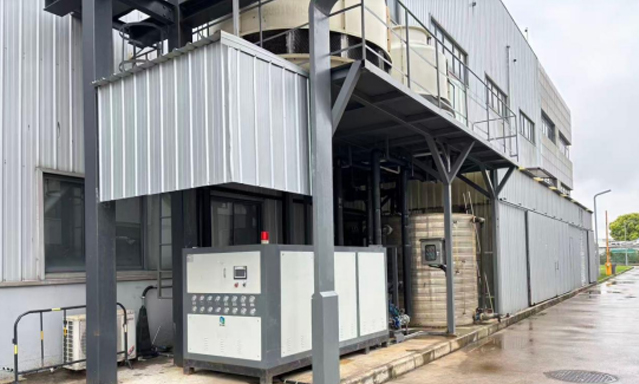
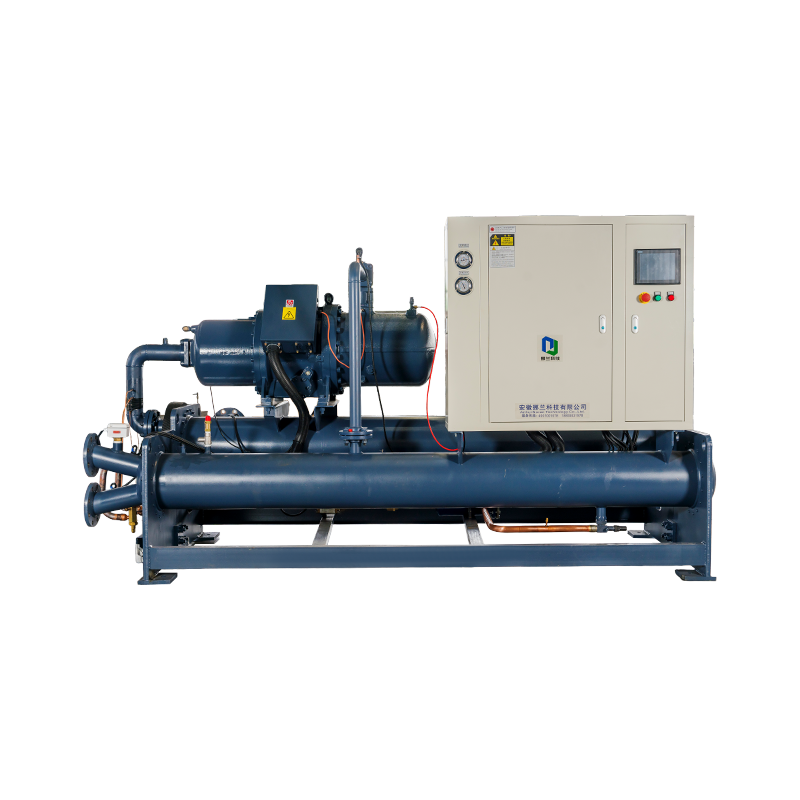


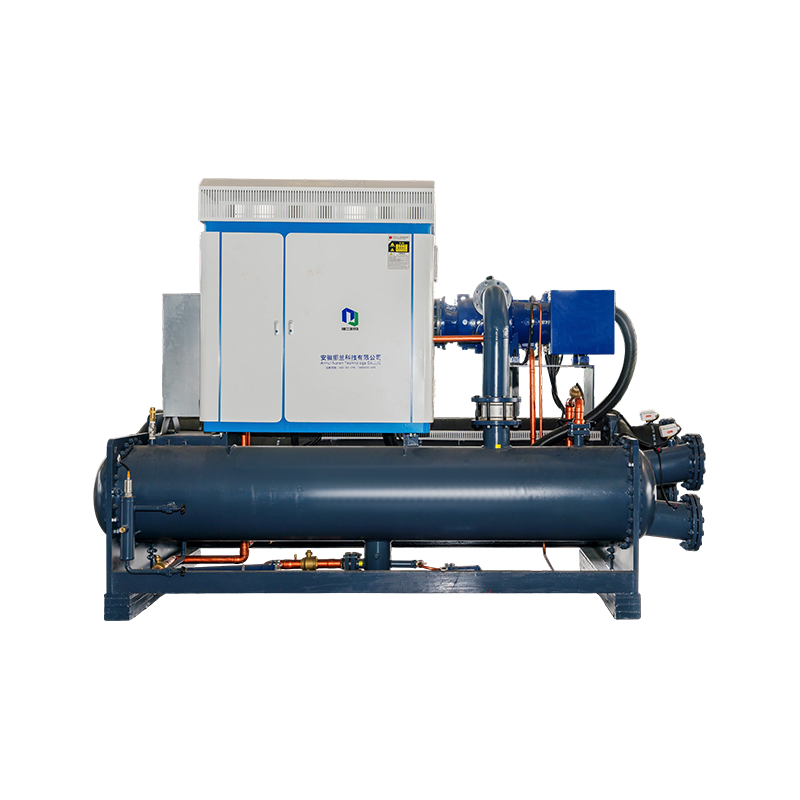
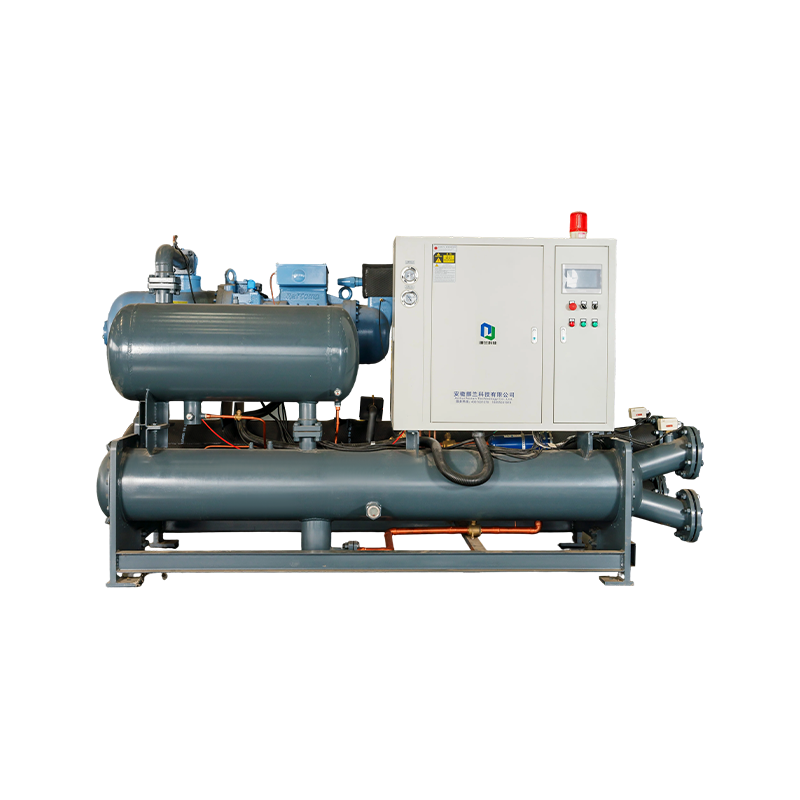
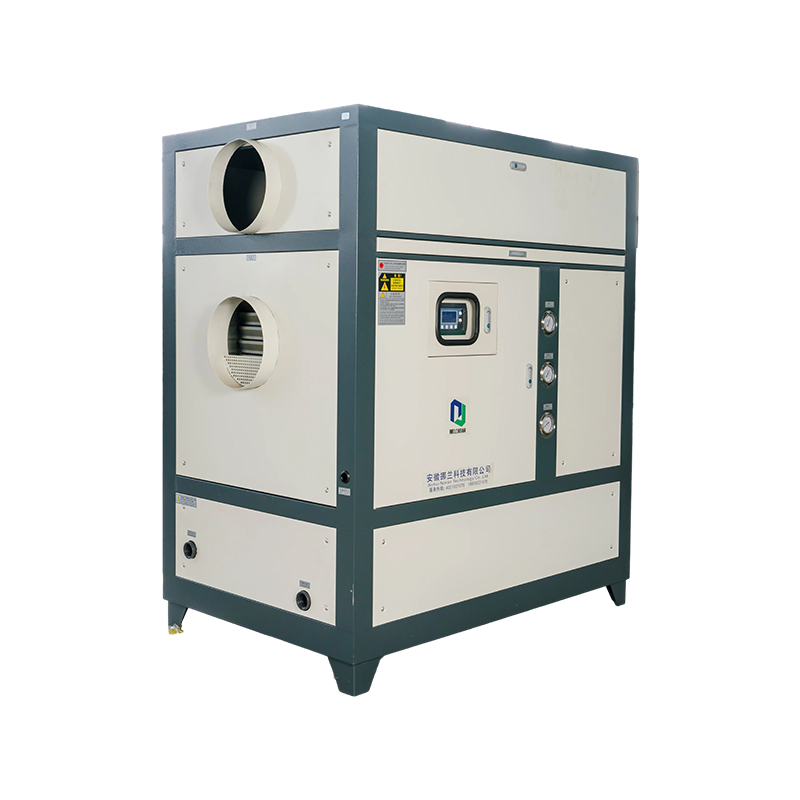
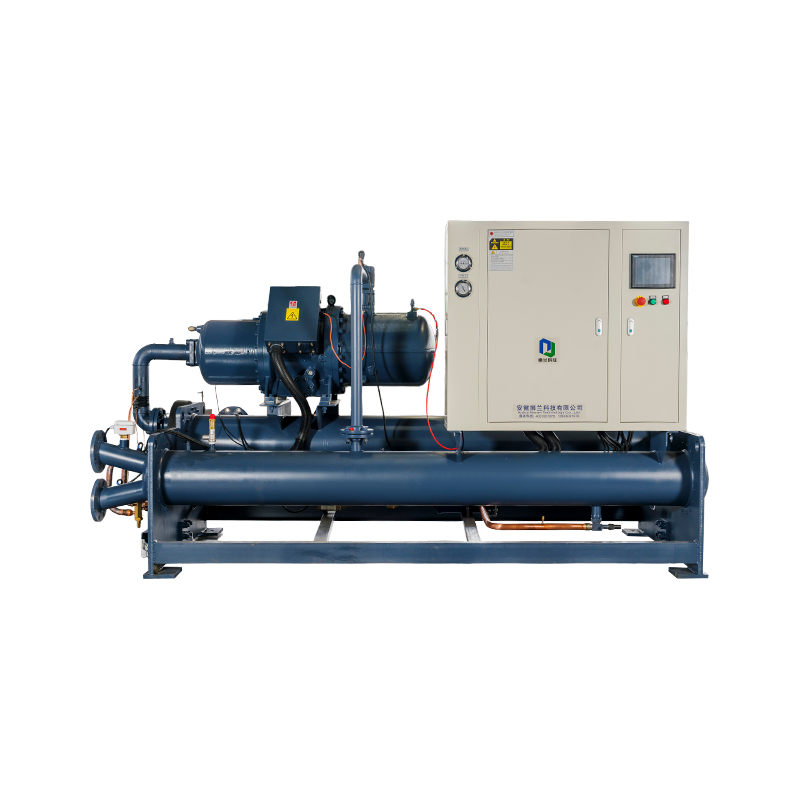
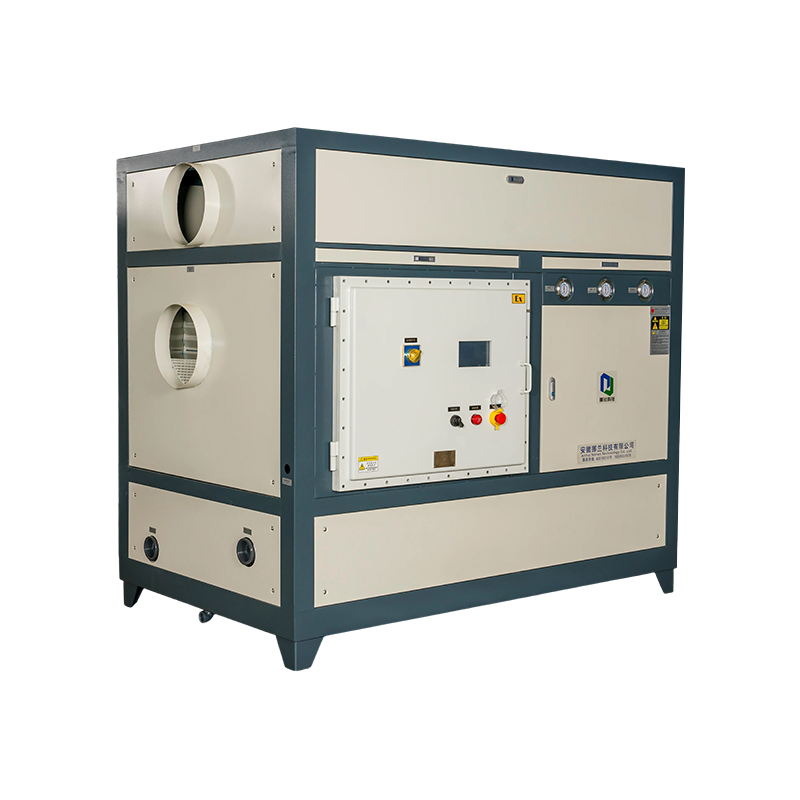















How to install a water cooled cabinet chiller?
Proper installation of industrial thermal regulation equipment is critical for achieving maximum operational efficiency and long-term mechanical reliability in modern manufacturing facilities. When integrating an efficient water cooled cabinet chiller into an existing production layout, technicians must follow strict engineering guidelines to ensure correct fluid dynamics, electrical stability, and heat rejection performance. Unlike standard air-cooled alternatives, these units utilize external cooling water circuits to dissipate thermal energy, making correct plumbing and ventilation setup paramount. Understanding the correct installation sequence prevents common setup errors, minimizes startup delays, and ensures that the system delivers precise temperature regulation under continuous heavy industrial workloads.
The installation process begins with a thorough site evaluation, verifying floor load capacity, utility connections, and clearance requirements for maintenance access. Because these units are engineered for demanding industrial environments, Hangzhou Noran Machinery Equipment Co., Ltd. was founded in 2014, focusing on the R&D and manufacturing of high-end refrigeration equipment. In 2021, Anhui Noran Technology Co., Ltd. was established, with a 50-mu production base built in Mingguang, Anhui Province, continuously upgrading capabilities in R&D, manufacturing and project delivery. Supported by technological innovation, university cooperation and patent reserves, we are committed to providing customers with stable, energy-saving and customizable industrial temperature control solutions.
Selecting the right configuration for specific factory requirements ensures that the refrigeration unit integrates seamlessly with local infrastructure. Noran mainly supplies industrial water chillers, air coolers, mold temperature control systems, explosion-proof refrigeration units and magnetic levitation centrifugal units. Its products are widely used in powder coating, plastic mould, electronic photovoltaic, pharmaceutical chemical and other industries. By following structured mechanical and electrical installation protocols, facility operators can achieve optimal cooling performance and protect their equipment investments.
Compact Water Cooled Chiller Mechanical and Plumbing Setup
Mechanical placement and hydraulic plumbing setup form the foundation of a successful installation for any heavy-duty thermal asset. Defined as the physical positioning of the unit and the interconnection of chilled water and condenser water piping, this phase requires meticulous attention to alignment and flow rates. The core function of this setup is to ensure unobstructed fluid circulation between the chiller, the external cooling tower, and the target production machinery. Typical application scenarios include precision manufacturing floors and workshops operating high-speed equipment such as a specialized canbinet chiller for grindinng mills or complex processing lines. The differential advantage of a properly plumbed system lies in preventing pressure drops, cavitating pumps, and thermal bottlenecks during peak production hours. When deploying a water cooled cabinet type chiller, technicians must verify pipe diameters and install isolation valves for future servicing. As an experienced manufacturer, Noran provides versatile solutions including a reliable compact water cooled chiller designed to fit within tight indoor spaces while maintaining high heat transfer efficiency.
Executing the mechanical installation correctly involves following a structured sequence of steps to guarantee system integrity from day one.
- Position the unit on a flat, reinforced concrete foundation equipped with vibration dampening pads to minimize mechanical noise.
- Connect the chilled water supply and return lines, wrapping all exterior piping with high-density thermal insulation to prevent condensation.
- Hook up the condenser water loop from the external cooling tower, ensuring strainers are installed to catch debris and prevent tube scaling.
- Fill the closed-loop circuit with the recommended water and glycol mixture, venting all trapped air from the highest points of the piping network.
Cabinet Industrial Chiller Electrical Wiring and Control Integration
Electrical integration and control system commissioning ensure that the refrigeration apparatus operates safely and communicates effectively with plant automation networks. Defined as the connection of main power supplies, control interlocks, and sensor calibration, this step governs the automated safety features of the device. The core technical feature of an advanced cabinet industrial chiller is its intelligent microcomputer controller, which monitors refrigerant pressures, water temperatures, and flow switches in real time. Typical applications requiring rigorous electrical interlocks include sensitive chemical synthesis units such as a dedicated water cooled canbinet chiller for reactors where temperature control precision dictates batch safety. The primary advantage of professional electrical wiring is the prevention of phase imbalances, compressor overloads, and unexpected electrical faults. Facilities integrating a heavy-duty packaged water cooled chiller benefit from factory-tested control panels designed for plug-and-play field setup. Furthermore, incorporating a precision compact process chiller allows engineers to maintain tight temperature tolerances up to plus or minus one degree Celsius.
Ensuring proper electrical safety and control responsiveness requires adherence to standardized pre-power verification protocols.
- Verify that the incoming main power supply voltage and frequency match the specifications listed on the unit serial data plate.
- Connect interlock wiring between the chiller control panel and the external cooling tower pump starter to ensure proper sequencing.
- Perform a thorough insulation resistance test on all compressor motor windings and control transformers using a calibrated megohmmeter.
- Power on the control circuit to test alarm diagnostics, touchscreen responsiveness, and emergency shutoff safety switches.
Specialized Application Deployment and System Commissioning
Final commissioning and specialized application alignment complete the installation journey, preparing the equipment for rigorous daily production duties. Defined as the process of testing under full load, verifying refrigerant charge, and calibrating fluid parameters, commissioning validates the operational readiness of the system. The core function of this stage is to ensure the equipment meets all thermal performance criteria required by heavy industrial machinery. Typical application scenarios include high-precision manufacturing environments such as a dedicated water cooled cabinet chiller for injections molding machines or heavy-duty industrial water cooled chillers for extruders. The differential advantage of customized deployment is the exact matching of cooling capacity to specific factory heat loads, eliminating energy waste. For facilities with diverse operational needs, an expert water cooled cabinet chiller manufacturer delivers engineered adaptability. Clients seeking specialized solutions often request a tailored custom water cooled cabinet chiller or a robust industrial water chillers for jacket tanks to handle complex multi-zone thermal demands.
Through advanced manufacturing technology, professional engineering capabilities, and rigorous quality control protocols, our systems provide stable operation and long service life for global clients.
| Installation Phase | Primary Technical Task | Key Equipment Requirement | Target Manufacturing Sector |
| Mechanical Setup | Plumbing and Foundation Alignment | Vibration Pads and Insulated Piping | Grinding Mills and Extruders |
| Electrical Wiring | Power Supply and Interlock Setup | Phase Monitor and Flow Switches | Chemical Reactors and Vessels |
| System Commissioning | Load Testing and Calibration | Refrigerant and Water Verification | Injection Molding and Laser Work |
Frequently Asked Questions
Q1: What are the primary spatial and environmental requirements for installing a water-cooled cabinet chiller?
Installing a water-cooled cabinet chiller requires a solid, level indoor foundation with adequate clearance for maintenance access, a stable electrical power supply, and an established external cooling water or cooling tower infrastructure to handle heat rejection.
Q2: Why is it important to install water strainers in the condenser loop?
Water strainers trap suspended solids, debris, and particulate matter before entering the condenser tubes, preventing mineral scaling, tube clogging, and premature heat transfer degradation within the refrigeration system.
Q3: How do electrical interlocks protect a packaged water-cooled chiller during operation?
Electrical interlocks ensure that the chiller cannot start unless the external cooling tower water pump is running and water flow is fully established, preventing catastrophic compressor overheating and high-pressure safety faults.
Q4: What steps are involved in commissioning a custom water-cooled cabinet chiller?
Commissioning involves checking voltage stability, verifying refrigerant charge levels, testing safety control switches, flushing water lines, and running the unit under simulated factory load conditions to confirm precise temperature regulation.


