
 English
  Français
  Español
  Português
  عربى
عربى  Türk
Türk  हिंदी
हिंदी 

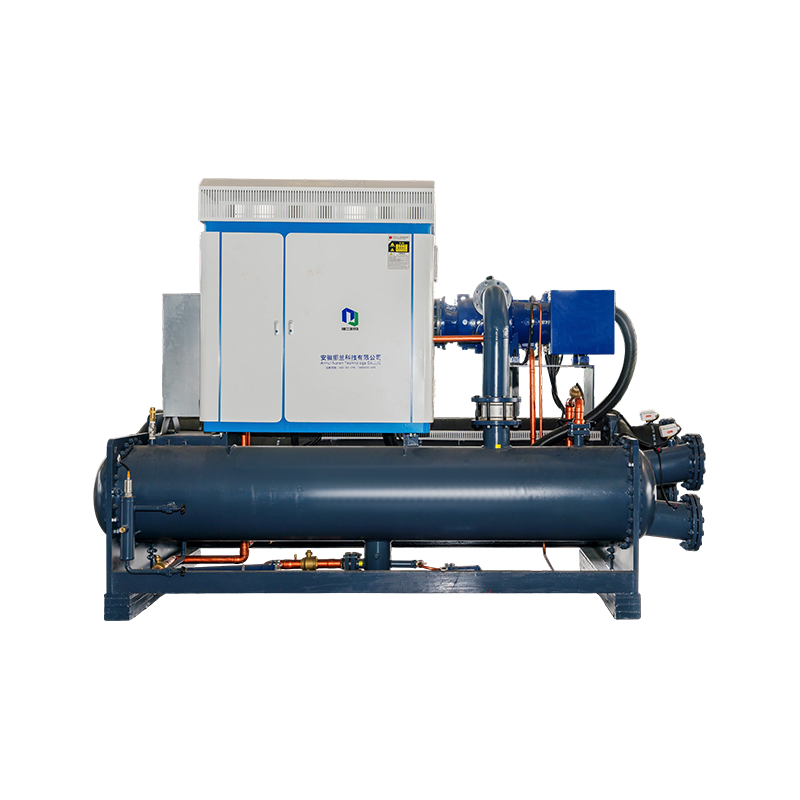
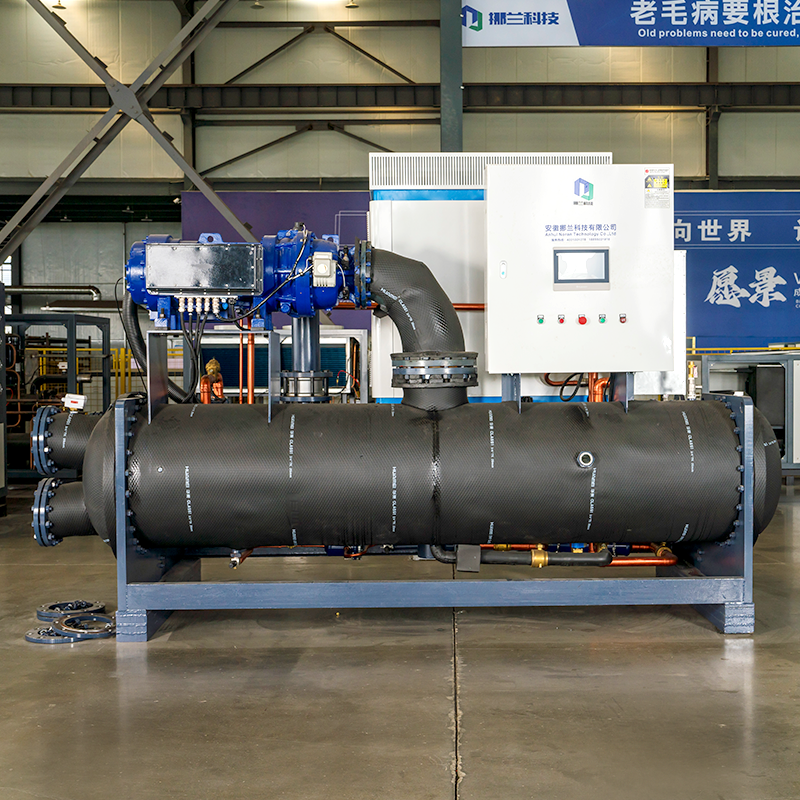
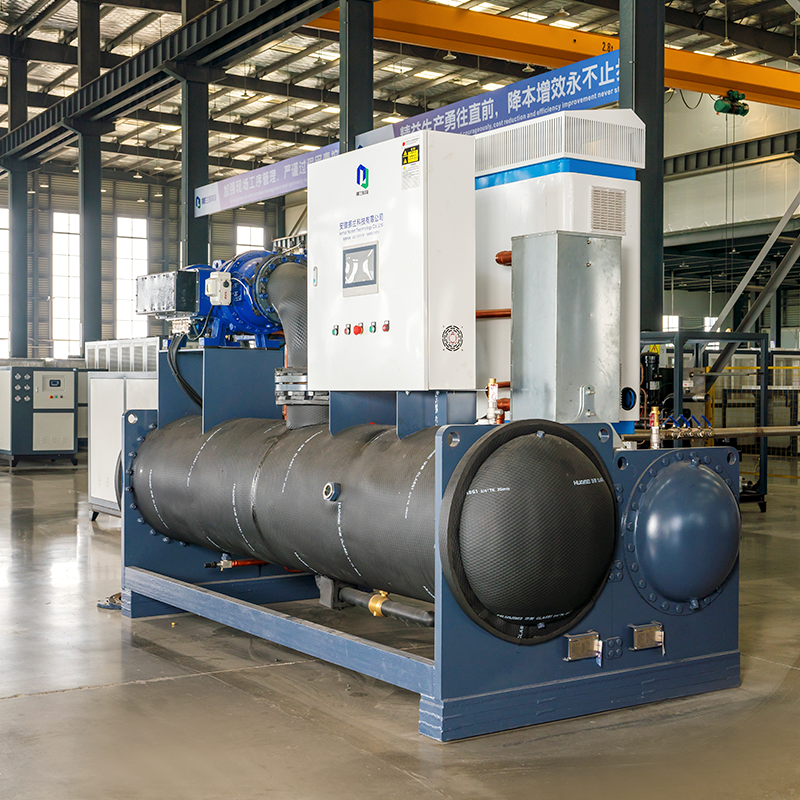
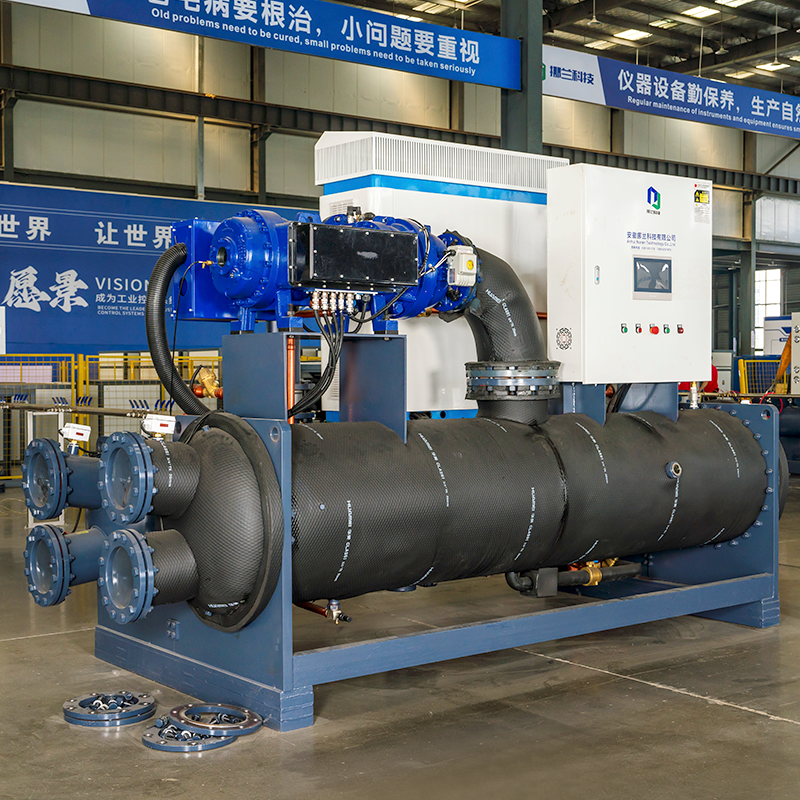


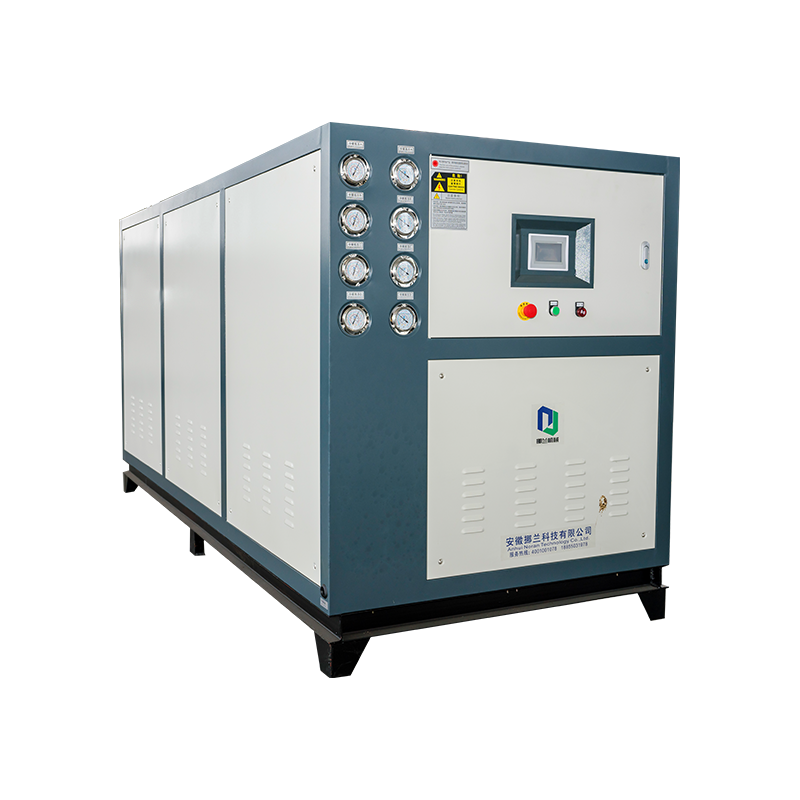
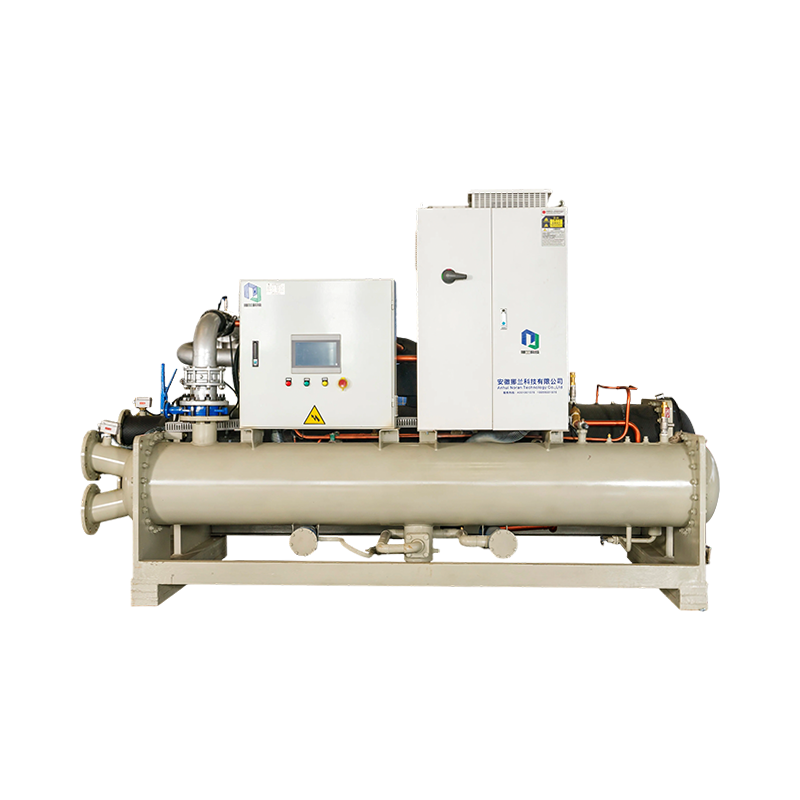
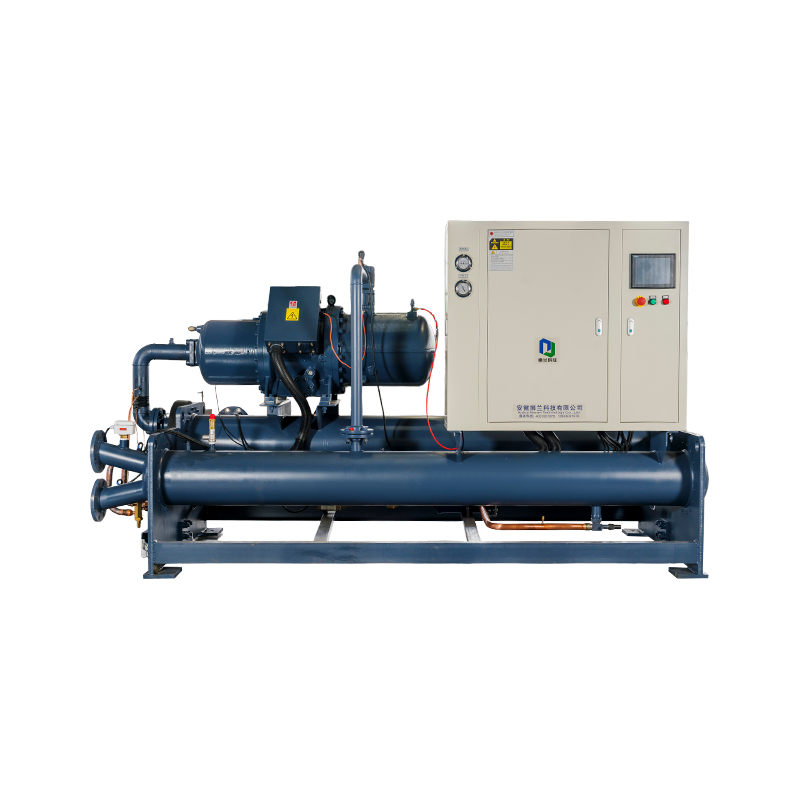
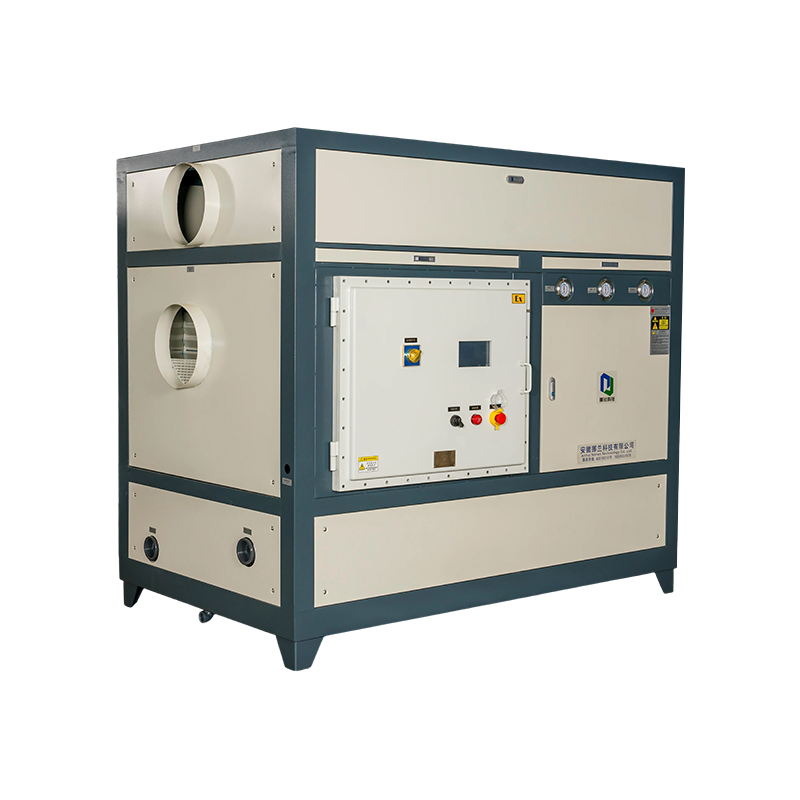















How Magnetic Bearing Centrifugal Chillers Improve Industrial Cooling
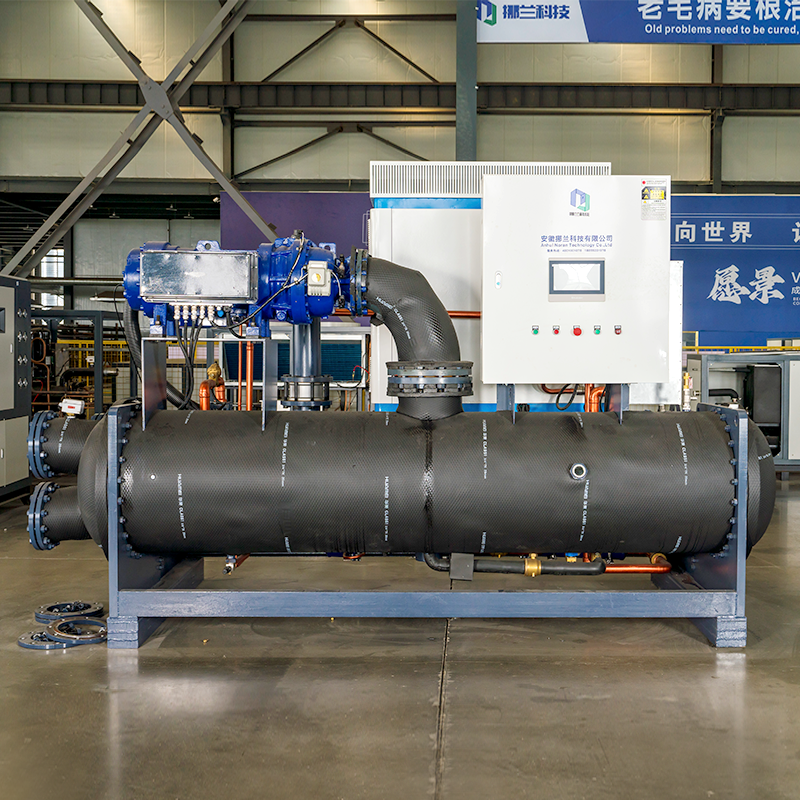
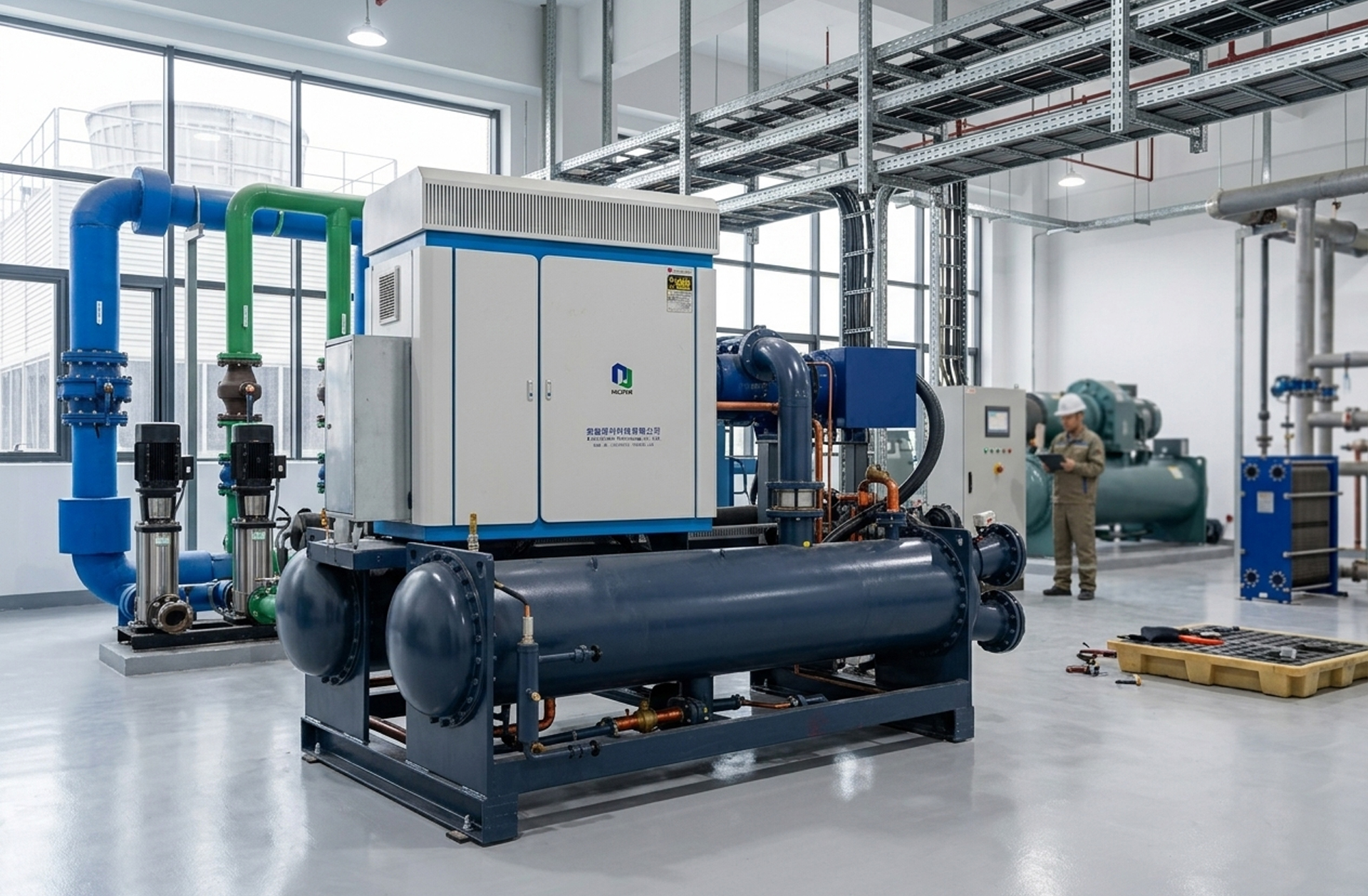
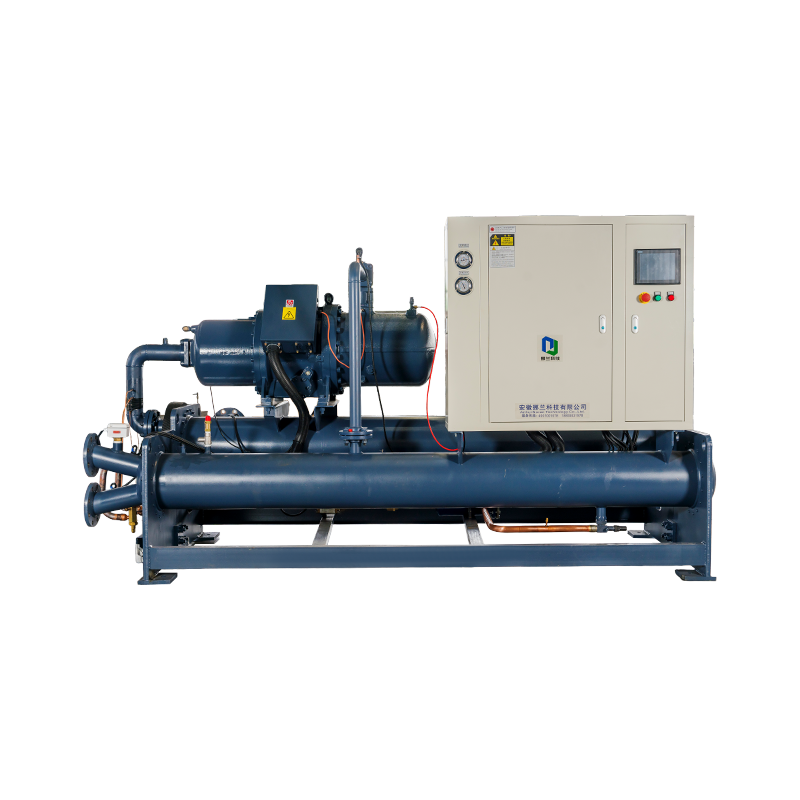
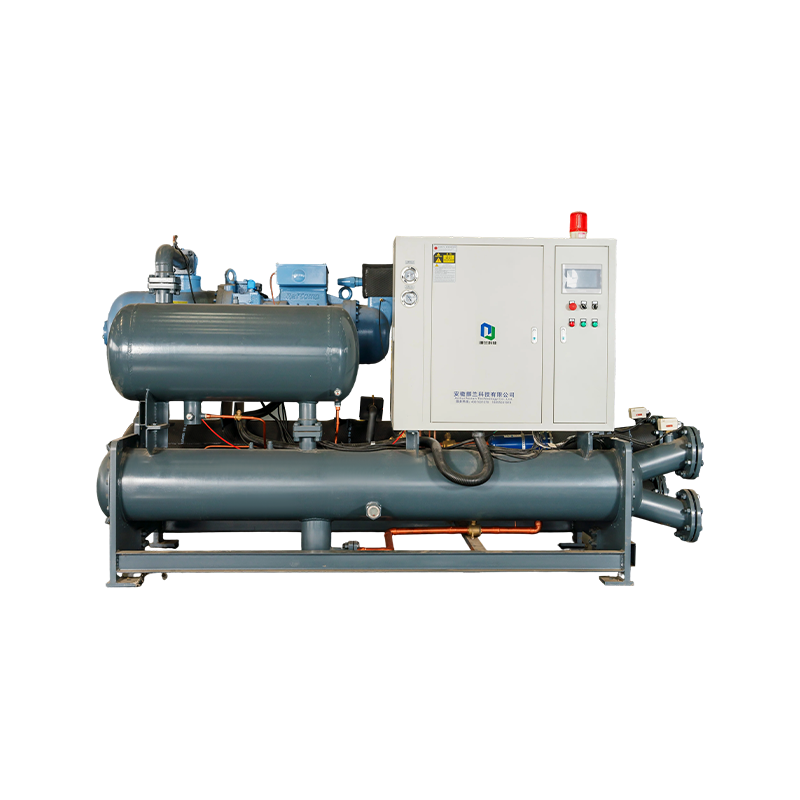
A magnetic bearing centrifugal chiller uses magnetic forces to suspend and control the compressor rotor without conventional mechanical contact at the magnetic bearings. Combined with centrifugal compression and variable frequency control, this technology can reduce bearing-related friction and eliminate the need for conventional bearing lubrication within the magnetic bearing system. It is suitable for evaluation in industrial and commercial cooling applications where energy performance, operational stability, and maintenance requirements are important.
When selecting a magnetic bearing centrifugal chiller, buyers should evaluate the required cooling capacity, chilled water temperatures, condenser conditions, expected load profile, and system integration requirements.
How Magnetic Bearing Technology Works
A magnetic bearing compressor uses controlled electromagnetic forces to maintain the rotor's position during operation. Sensors monitor rotor position, while a control system adjusts magnetic forces to keep the rotor stable. The centrifugal impeller accelerates refrigerant vapor, and the diffuser converts velocity into pressure as part of the refrigeration cycle.
An active magnetic bearing chiller relies on an electronic control system to regulate the magnetic bearings. This arrangement avoids continuous mechanical contact during normal levitated operation, although auxiliary touchdown bearings may be provided for startup, shutdown, or abnormal conditions, depending on the design.
An oil free magnetic bearing system can eliminate conventional bearing lubrication within the magnetic bearing arrangement. However, buyers should confirm the complete compressor and refrigeration system configuration rather than assuming that every component is entirely oil-free.
Magnetic Bearing and Conventional Centrifugal Chillers Compared
| Comparison Factor | Magnetic Bearing Design | Conventional Oil-Lubricated Design |
|---|---|---|
| Rotor support | Electromagnetic forces control rotor position. | Mechanical bearings support the rotating shaft. |
| Bearing contact | No continuous mechanical contact during normal magnetic levitation. | Mechanical contact occurs within the bearing arrangement. |
| Lubrication | Magnetic bearings do not require conventional bearing oil. | Typically requires bearing lubrication and oil management. |
| Maintenance focus | Magnetic bearing controls, sensors, power electronics, and compressor operation. | Lubrication system, bearing condition, and compressor operation. |
| Key selection factor | Control reliability, operating range, and system compatibility. | Lubrication requirements, operating range, and overall efficiency. |
Actual energy performance depends on compressor design, refrigerant conditions, heat-exchanger performance, water temperatures, and auxiliary power consumption. A magnetic bearing design should therefore be assessed using comparable operating data rather than technology type alone.
Selection and Maintenance Considerations
- Cooling capacity: Determine peak process heat load and expected variations in demand.
- Operating range: Verify minimum stable capacity, compressor speed limits, and permitted operating conditions.
- Electrical requirements: Check power supply stability, control equipment requirements, and protection arrangements.
- Water conditions: Specify chilled water temperatures, flow rates, condenser water temperatures, and water quality.
- Maintenance planning: Follow manufacturer guidance for inspecting sensors, control systems, electrical components, and heat-transfer surfaces.
When comparing a magnetic bearing centrifugal chiller manufacturer or magnetic bearing chiller supplier, buyers should request model-specific cooling capacity, power consumption, part-load performance, operating limits, and maintenance documentation. A custom magnetic bearing chiller may be appropriate when standard configurations do not meet the project's cooling demand or installation requirements.
Frequently Asked Questions
1. What are the main advantages of a magnetic bearing centrifugal chiller?
Magnetic bearings support the compressor rotor without continuous mechanical contact during normal levitated operation. This can reduce bearing friction and remove the need for conventional bearing lubrication in that system. Actual efficiency and maintenance benefits depend on the complete equipment design. Anhui Noran Technology Co., Ltd. specializes in industrial refrigeration equipment and customized temperature control solutions.
2. Is an active magnetic bearing chiller suitable for changing cooling loads?
It can be suitable when the compressor and control system are designed for the required load range. Buyers should verify minimum capacity, speed limits, and stable operating conditions using documented performance data. Noran focuses on energy-saving refrigeration technologies, intelligent temperature control, and customized system integration for industrial customers.
3. What should buyers consider when choosing a magnetic bearing refrigeration system?
Evaluate cooling requirements, energy performance, control reliability, service access, and integration with the existing water and electrical systems. Founded in 2014, Noran expanded its manufacturing operations to a production base of approximately 33,000 m2 in Mingguang City, Anhui Province. Its product scope includes industrial chillers, low-temperature refrigeration units, heat recovery systems, and customized cooling solutions. The final configuration should be confirmed against the project's operating conditions and equipment documentation.


