What Are the Main Functions of an Industrial Oil Chiller in Manufacturing?
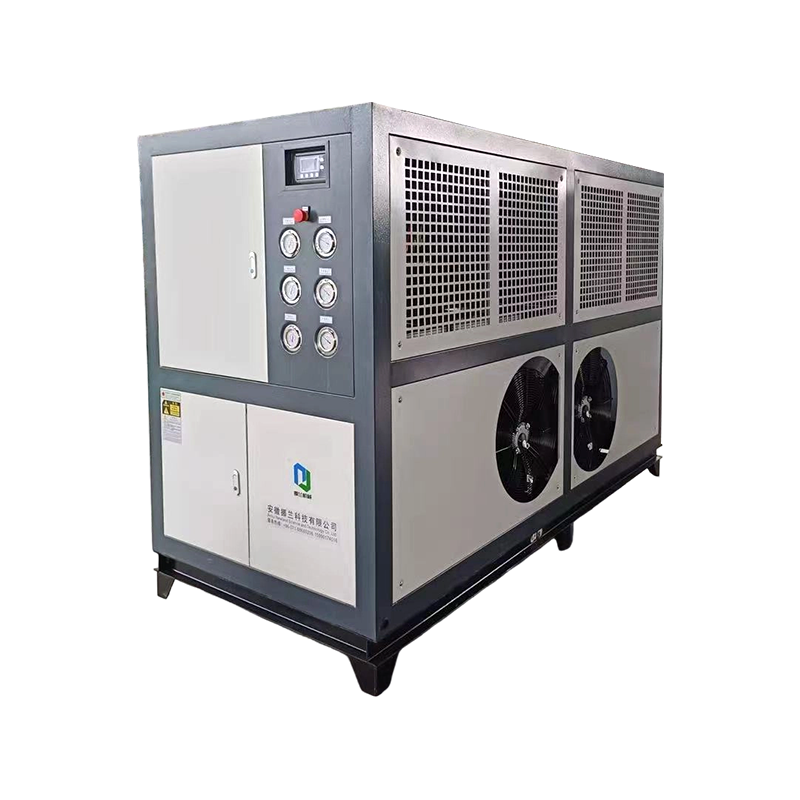
An industrial oil chiller is a refrigeration system designed to remove excess heat from industrial oil and maintain it within a specified temperature range. It is commonly used in CNC machine tools, hydraulic systems, lubrication circuits, and other equipment where oil temperature affects operating performance. By controlling heat accumulation, an industrial oil chiller helps improve temperature consistency, reduce thermal fluctuations, and support reliable manufacturing processes.
1. Maintaining Stable Oil Temperature
During manufacturing, oil absorbs heat generated by friction, mechanical movement, hydraulic pressure, and continuous equipment operation. If the temperature rises beyond the recommended range, the oil’s viscosity may change, affecting lubrication, hydraulic response, and heat transfer.
An industrial oil chiller circulates oil through a cooling circuit or heat exchanger, where excess heat is transferred to a refrigerant or another cooling medium. The refrigeration system then removes this heat and returns the cooled oil to the equipment.
Stable oil temperature helps maintain consistent operating conditions, particularly in precision machining and equipment that runs for extended periods. The required temperature range depends on the oil type, machine design, and production conditions.
2. Improving CNC Machining Accuracy
Temperature control is particularly important for CNC lathes and other precision machine tools. Cutting operations, spindle rotation, and mechanical friction generate heat that can affect machine components and workpiece dimensions.
An oil chiller for CNC lathe applications helps control the temperature of circulating lubrication or hydraulic oil. By limiting temperature fluctuations, it can reduce thermal expansion in relevant machine components and help maintain machining consistency.
For applications requiring tighter dimensional tolerances, an industrial oil chiller to keep CNC low temperature must be selected according to the machine’s heat load, oil flow requirements, and target temperature. Cooling should remain within the equipment manufacturer’s specified operating range rather than being set as low as possible.
3. Protecting Oil Properties and Equipment Components
Oil temperature directly influences viscosity, lubrication performance, and system efficiency. Excessive heat may accelerate oil oxidation and aging, while unsuitable viscosity can affect the formation of lubricating films and the response of hydraulic systems.
An industrial oil cooler or refrigeration-based oil chiller can help manage these thermal conditions. However, the two terms are not always interchangeable: a conventional oil cooler typically uses ambient air or cooling water to remove heat, whereas an industrial oil chiller uses a refrigeration cycle to provide more controlled cooling.
| Function |
Industrial benefit |
| Oil temperature regulation |
Maintains oil within the required operating range |
| Viscosity management |
Helps preserve suitable oil flow and lubrication conditions |
| Heat removal |
Limits excessive heat accumulation during continuous operation |
| Equipment protection |
Helps reduce temperature-related wear and operating instability |
| Process consistency |
Supports more repeatable equipment performance |
Temperature control does not eliminate the need for oil filtration, scheduled oil replacement, or routine equipment maintenance.
4. Supporting Continuous Production
In manufacturing environments, temperature fluctuations can affect machine availability, processing consistency, and maintenance requirements. An appropriately sized oil chiller helps remove heat as it is generated, supporting stable operation during extended production cycles.
An oil chiller for workshop equipment may be used with CNC lathes, hydraulic presses, industrial lubrication systems, and other machinery that generates heat through mechanical or hydraulic operation.
Before selecting a system, engineers should evaluate the oil’s operating temperature, heat generation rate, required cooling capacity, circulation flow, ambient conditions, and installation space. Correct sizing helps avoid insufficient cooling and unnecessary energy consumption.
5. Improving Temperature Control and Operational Safety
Modern industrial chillers can incorporate automatic temperature regulation, operating-status monitoring, alarms, and protective functions. These features help operators identify abnormal conditions and maintain more consistent cooling performance.
Depending on the configuration, an industrial oil chiller may include:
- High- and low-pressure protection for the refrigeration circuit.
- Overload protection for electrical components.
- Phase-reversal protection for applicable power systems.
- Anti-freeze protection to prevent unsuitable low-temperature operation.
- Water-shortage or water-flow protection where applicable.
- Temperature alarms and fault detection to support troubleshooting.
CPU- and PLC-based controls can coordinate temperature monitoring, system operation, and protective responses. The actual functions depend on the equipment configuration and the requirements of the application.
6. How to Select the Right Industrial Oil Chiller
Choosing suitable cooling equipment requires more than estimating the machine’s power consumption. The chiller must match the thermal load and operating characteristics of the oil circuit.
| Selection factor |
What to evaluate |
| Cooling capacity |
Heat generated by the machine and oil system |
| Temperature range |
Required oil supply temperature and allowable fluctuations |
| Oil flow |
Required circulation rate and pressure-drop limitations |
| Operating environment |
Ambient temperature, dust, humidity, and ventilation |
| Control system |
Temperature adjustment, monitoring, alarms, and protection |
| Installation requirements |
Available space, piping arrangement, and maintenance access |
An experienced industrial oil chiller manufacturer can assess these factors and recommend a suitable configuration. For demanding applications, customized temperature control may be necessary to accommodate specific cooling loads, installation conditions, or environmental requirements.
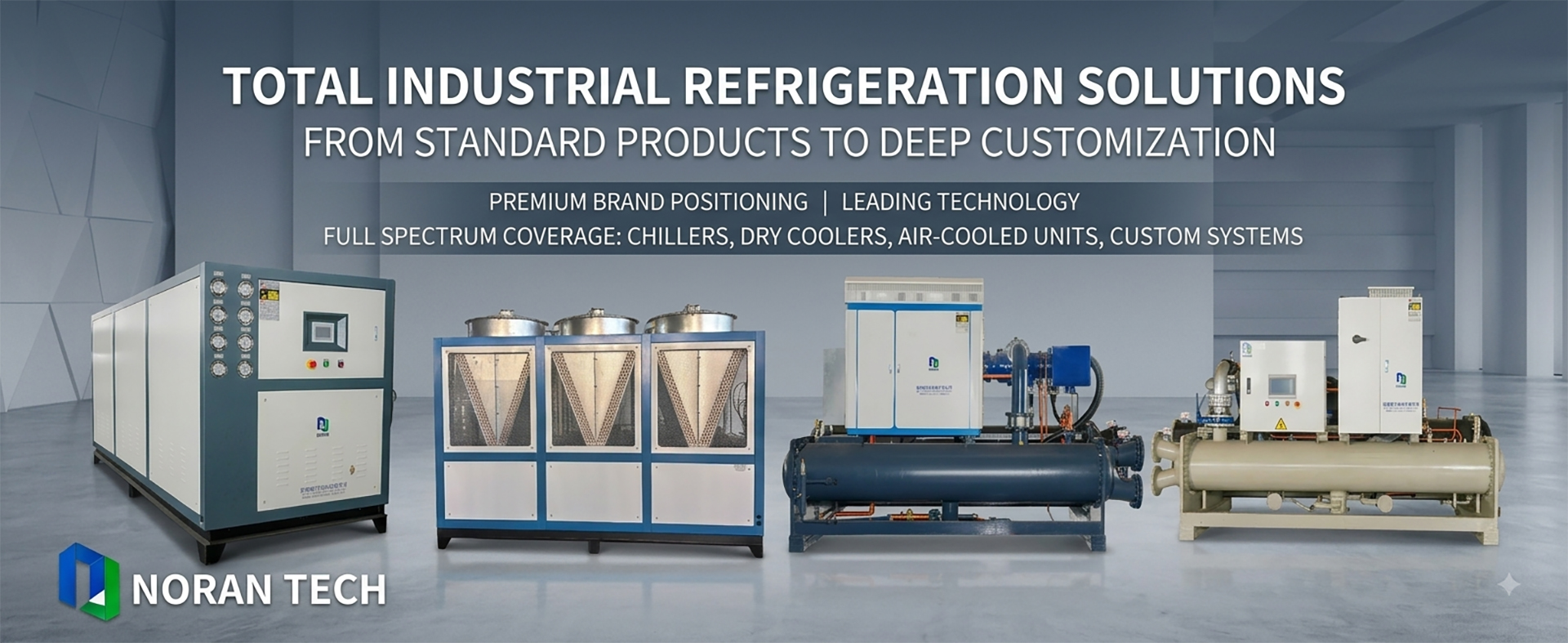
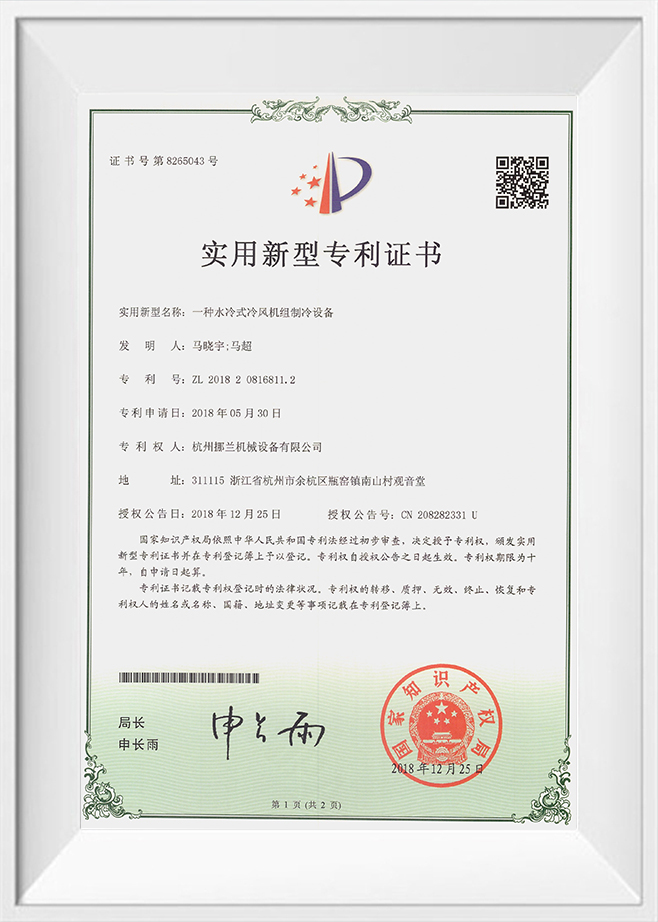
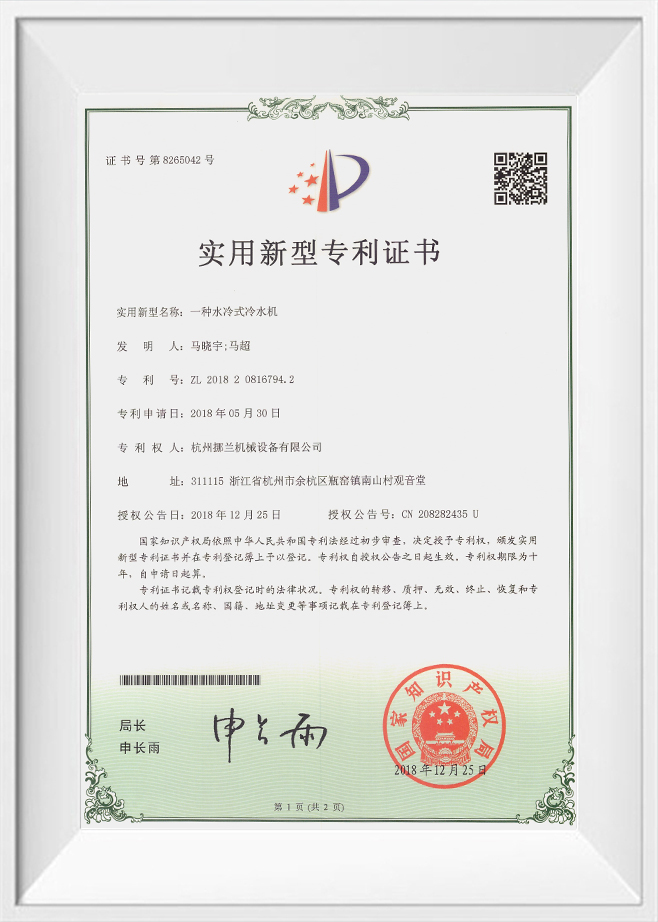
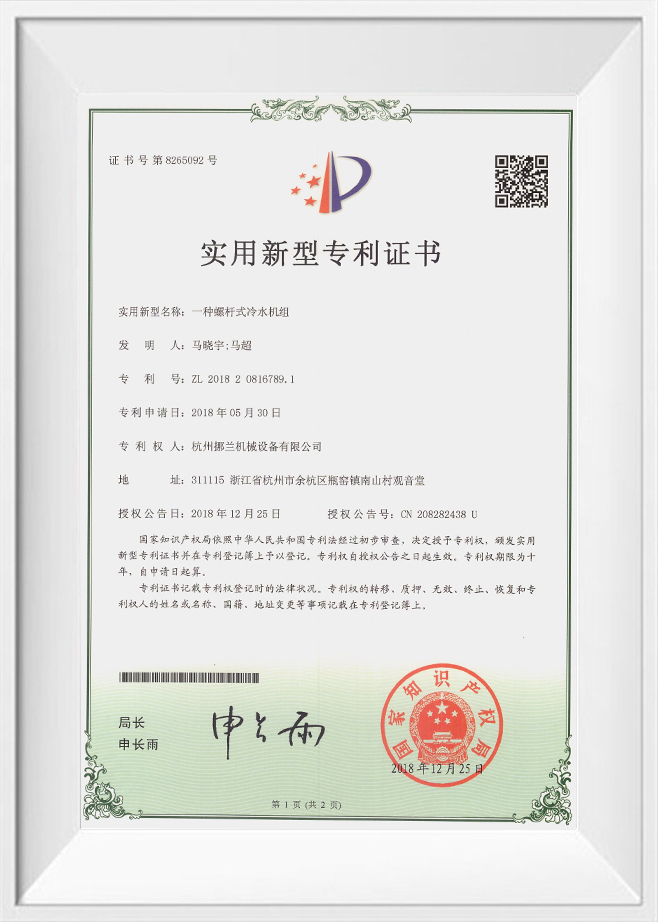
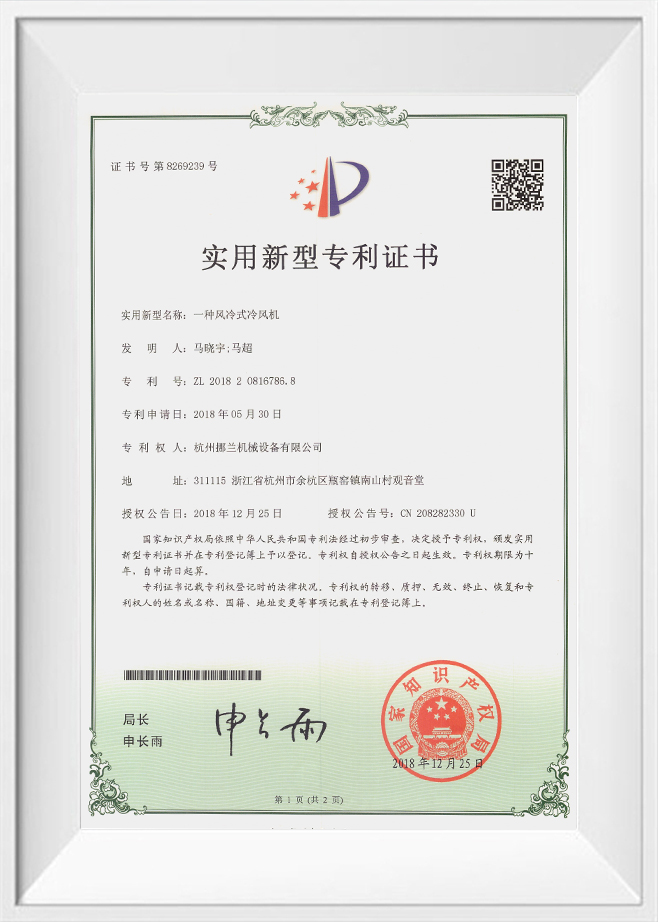
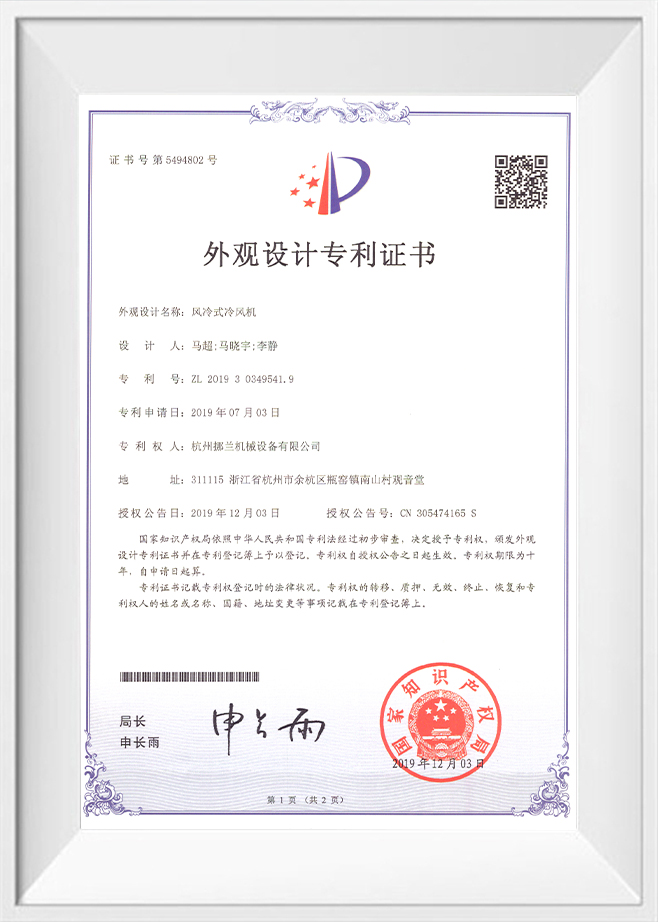
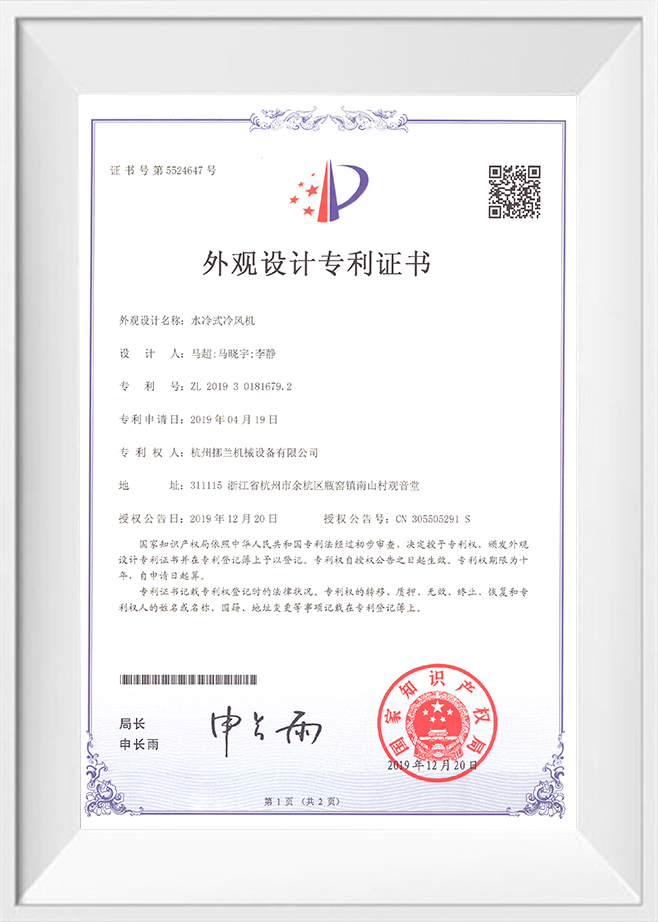
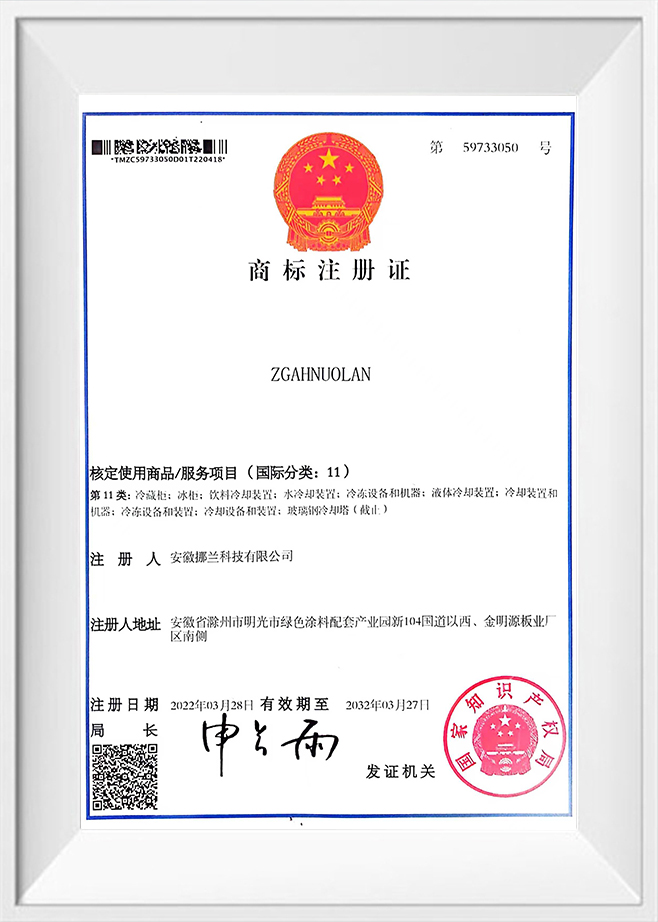
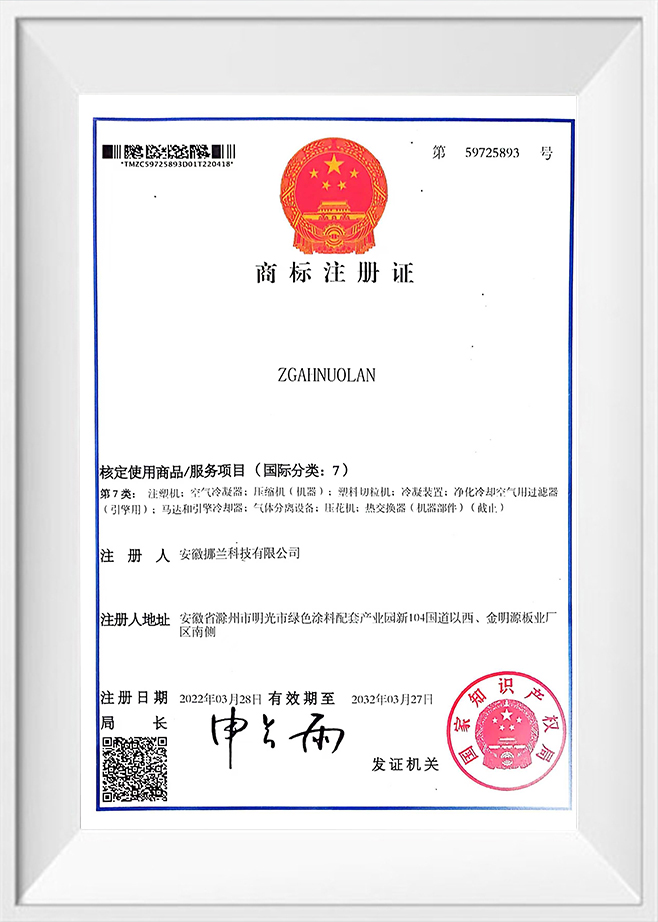
Anhui Noran Technology Co., Ltd. specializes in industrial refrigeration equipment and customized temperature control solutions. Its product range includes industrial chillers, air cooling systems, screw chillers, low-temperature refrigeration units, heat recovery systems, and explosion-proof refrigeration equipment.
At Noran, equipment design involves CAD-based engineering and design reviews, with compressors, refrigeration valves, and electrical components selected according to project requirements. Depending on the configuration, systems can incorporate CPU- and PLC-based controls. Factory testing may cover refrigeration performance, temperature operation, control logic, and protective functions, with explosion-proof testing available upon request.
As an oil chiller manufacturer, Noran can evaluate cooling capacity, temperature accuracy, operating conditions, and installation requirements to develop application-specific refrigeration solutions. Proper selection and commissioning help ensure that the system meets the actual thermal demands of the production equipment.
Conclusion
The main functions of an industrial oil chiller are to regulate oil temperature, remove excess heat, support lubrication and hydraulic performance, improve machining consistency, and help protect equipment from temperature-related operating problems. Its effectiveness depends on correct system sizing, suitable temperature settings, adequate oil circulation, and appropriate maintenance.
For CNC machining and other heat-intensive manufacturing processes, selecting a chiller based on actual operating conditions can improve temperature stability without unnecessary energy consumption. Working with a qualified industrial oil chiller manufacturer also helps ensure that cooling capacity, control functions, and installation requirements are properly matched to the application.
FAQ
1. What is an industrial oil chiller used for?
An industrial oil chiller removes excess heat from industrial oil and maintains a controlled temperature range. It is commonly used in CNC machine tools, hydraulic equipment, lubrication systems, and other manufacturing machinery.
2. What is the difference between an industrial oil chiller and an industrial oil cooler?
An industrial oil chiller uses a refrigeration cycle for controlled cooling, while a conventional industrial oil cooler generally relies on air or water to dissipate heat. The appropriate option depends on the required temperature, ambient conditions, and cooling load.
3. How do I choose an oil chiller for a CNC lathe?
Consider the machine’s heat load, oil type, required supply temperature, circulation flow, operating environment, and available installation space. Cooling capacity should be matched to actual operating conditions.
4. Can an industrial oil chiller operate continuously?
Yes, a properly selected and maintained industrial oil chiller can support continuous industrial operation when designed for the required duty cycle and ambient conditions. Routine inspection of the refrigeration circuit, filters, oil system, and protective controls remains important.
5. Can an industrial oil chiller be customized?
Yes. Depending on the application, cooling capacity, temperature range, control system, protective functions, and installation arrangement can be configured to meet specific manufacturing requirements.

 English
 Français
 Español
 Português
 عربى
 Türk
 हिंदी