How does an industrial chiller work?
Industrial temperature management forms the backbone of modern manufacturing plants, where maintaining precise thermal limits ensures both product quality and equipment longevity. At the core of these operations is a specialized thermal device that utilizes a refrigeration cycle to remove heat from machinery or process fluids and transfer it into the ambient environment. Understanding the mechanical and thermodynamic principles behind an industrial chiller helps facility managers optimize energy usage, reduce unexpected downtime, and enhance overall plant productivity. Without these dedicated cooling systems, high-speed industrial machinery would quickly suffer from thermal stress and catastrophic mechanical failure.
The fundamental working mechanism relies on a continuous four-stage vapor compression cycle consisting of compression, condensation, expansion, and evaporation. Low-pressure refrigerant gas enters the compressor where it is pressurized, raising both its temperature and energy state. This high-pressure gas then flows into the condenser where ambient air or cooling tower water absorbs the heat, causing the refrigerant to liquefy. Next, the liquid passes through an expansion valve that drops its pressure drastically, turning it into a cold, low-temperature mixture. Finally, this cold refrigerant enters the evaporator to absorb thermal energy from the process fluid, effectively cooling the water before it circulates back to the manufacturing equipment. To deliver these robust thermal frameworks globally, Hangzhou Noran Machinery Equipment Co., Ltd. was founded in 2014, focusing on the R&D and manufacturing of high-end refrigeration equipment. In 2021, Anhui Noran Technology Co., Ltd. was established, with a 50-mu production base built in Mingguang, Anhui Province, continuously upgrading capabilities in R&D, manufacturing and project delivery.
Selecting the appropriate cooling apparatus depends heavily on the specific heat load, ambient climate conditions, and fluid purity requirements of the facility. Manufacturers supply an extensive portfolio of thermal units, ensuring that operations ranging from small workshops to massive chemical plants find the ideal match. Noran mainly supplies industrial water chillers, air coolers, mold temperature control systems, explosion-proof refrigeration units and magnetic levitation centrifugal units. Its products are widely used in powder coating, plastic mould, electronic photovoltaic, pharmaceutical chemical and other industries. Supported by technological innovation, university cooperation and patent reserves, we are committed to providing customers with stable, energy-saving and customizable industrial temperature control solutions.
Air-Cooled and Water-Cooled Industrial Chiller Series
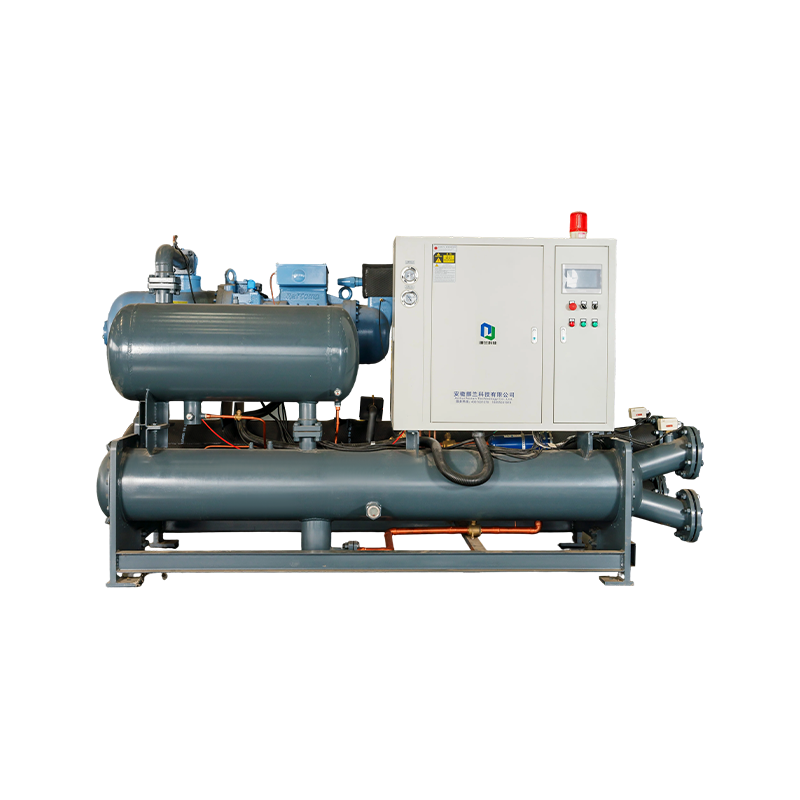
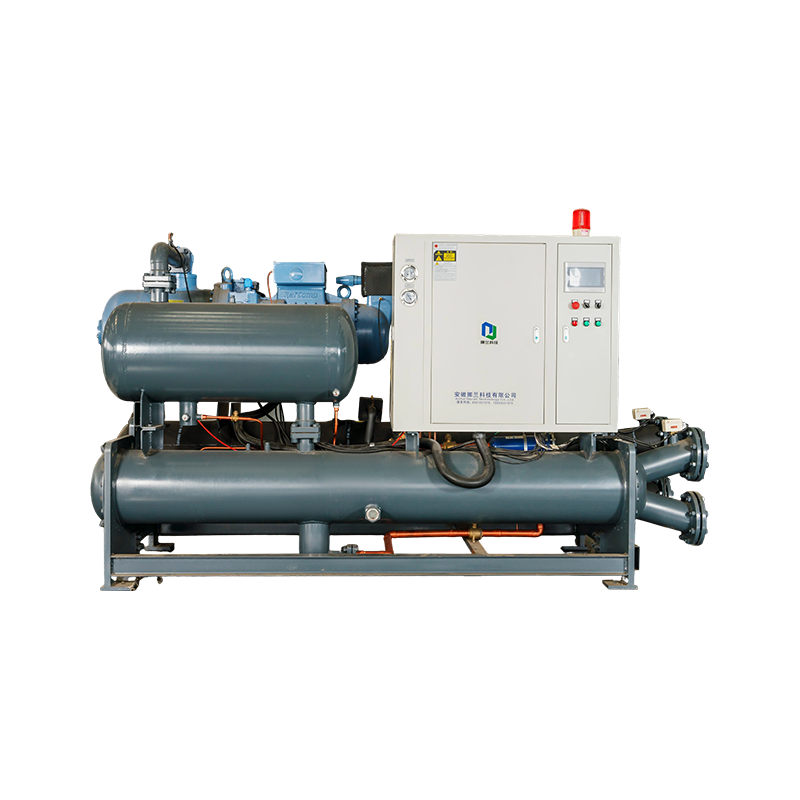
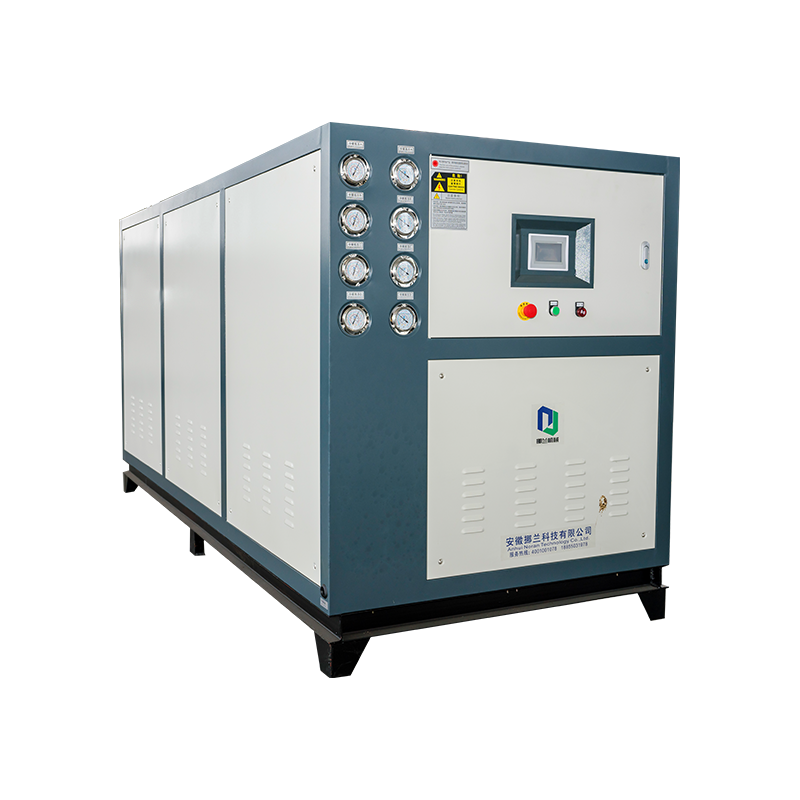
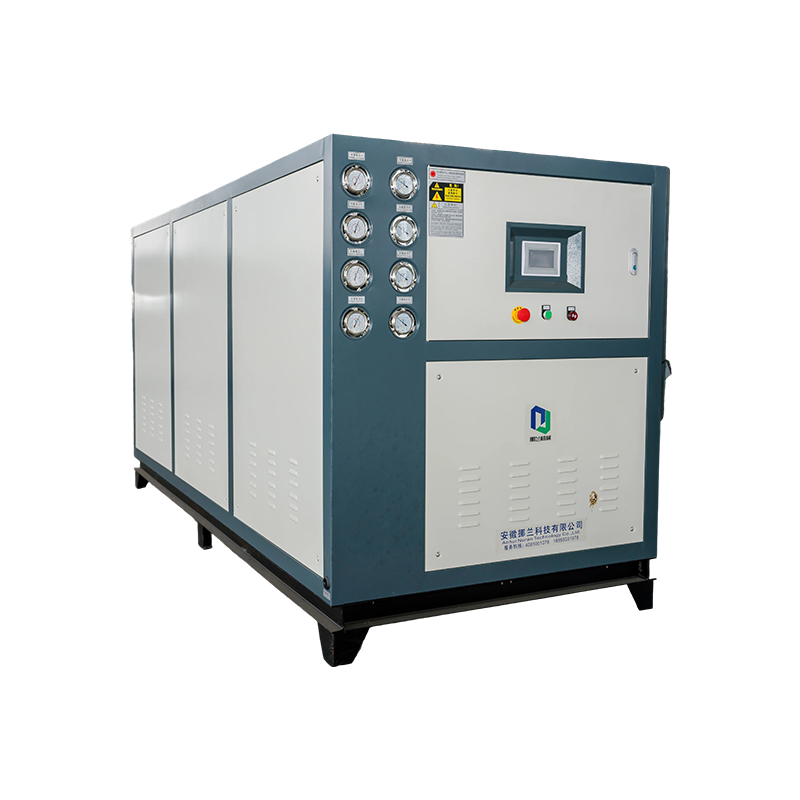
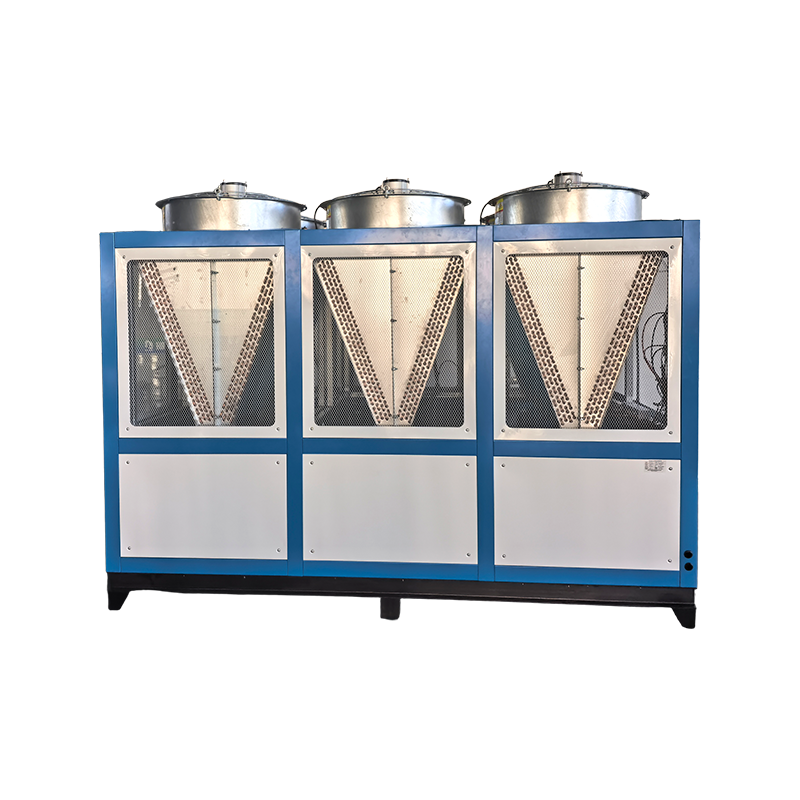
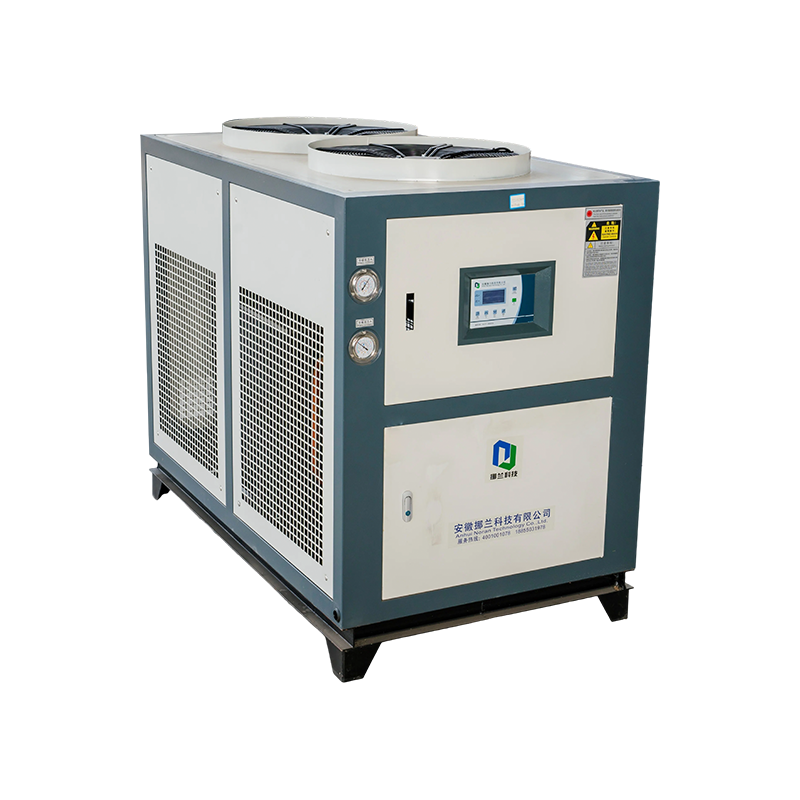
Air-cooled and water-cooled units represent the two primary architectural configurations utilized in modern manufacturing facilities. Defined by their distinct condenser heat rejection methods, air-cooled models use built-in fans to blow ambient air directly across finned coils, whereas water-cooled models rely on external cooling towers and shell-and-tube condensers. The core function of these systems is to provide steady, continuous temperature regulation for heavy machinery, preventing overheating during peak production cycles. Typical application scenarios include large-scale injection molding lines, metal stamping workshops, and electronic component manufacturing plants. The primary differential advantage of air-cooled units lies in their simplified installation and lack of water tower plumbing requirements, making them ideal for water-scarce regions. Conversely, water-cooled systems offer superior energy efficiency and more consistent thermal performance in hot, humid climates. To accommodate diverse factory layouts, manufacturers engineer a high efficiency industrial chiller lineup that maximizes heat transfer while minimizing electricity consumption. Facility operators frequently integrate these units as industrial chillers for factory environments to maintain strict thermal compliance.
Deploying these systems correctly requires adherence to established engineering guidelines and operational protocols to guarantee maximum performance and extended equipment life.
- Conducting initial thermal load calculations to determine the exact cooling capacity required for peak production hours.
- Ensuring adequate ambient airflow clearance around outdoor air-cooled condensing units to prevent heat trapping.
- Maintaining optimal water chemistry and inhibitor levels in water-cooled tower loops to prevent scaling and bio-fouling.
- Implementing automated bypass valves to manage sudden pressure fluctuations within the facility piping network.
Screw Chillers and Workshop Processing Cooling Equipment
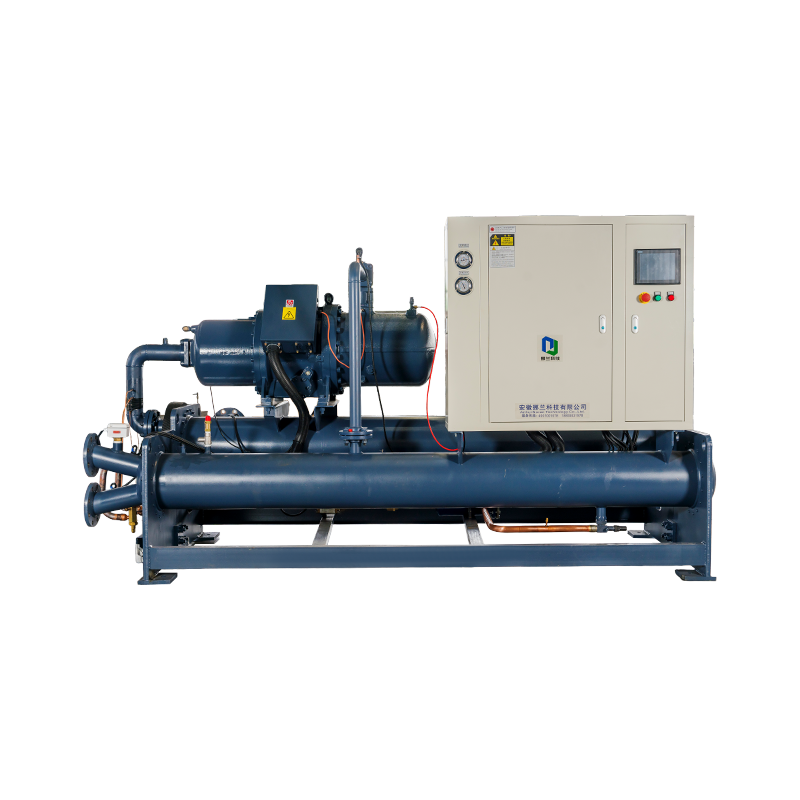
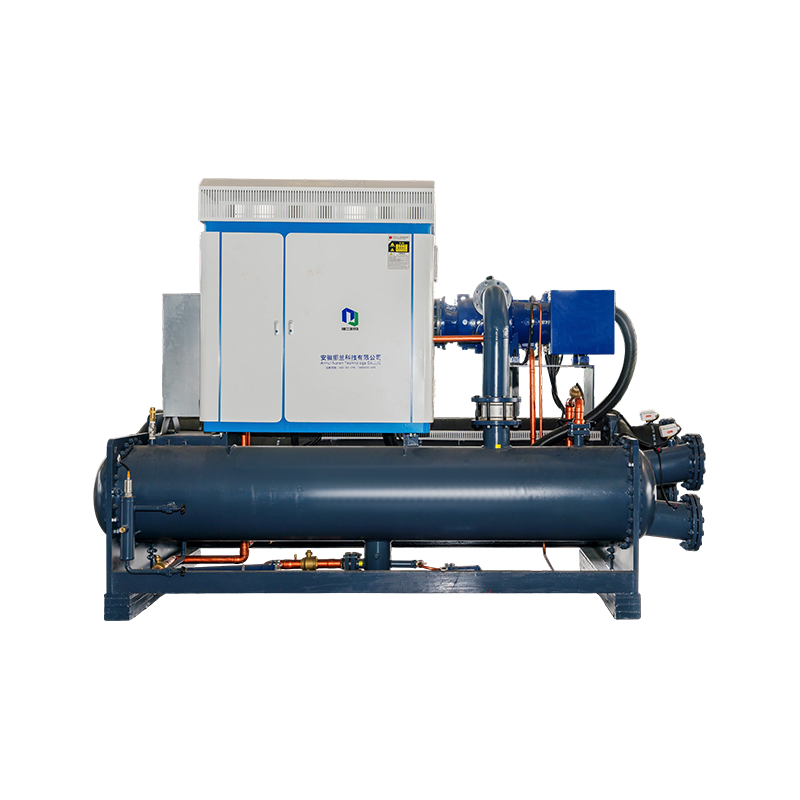
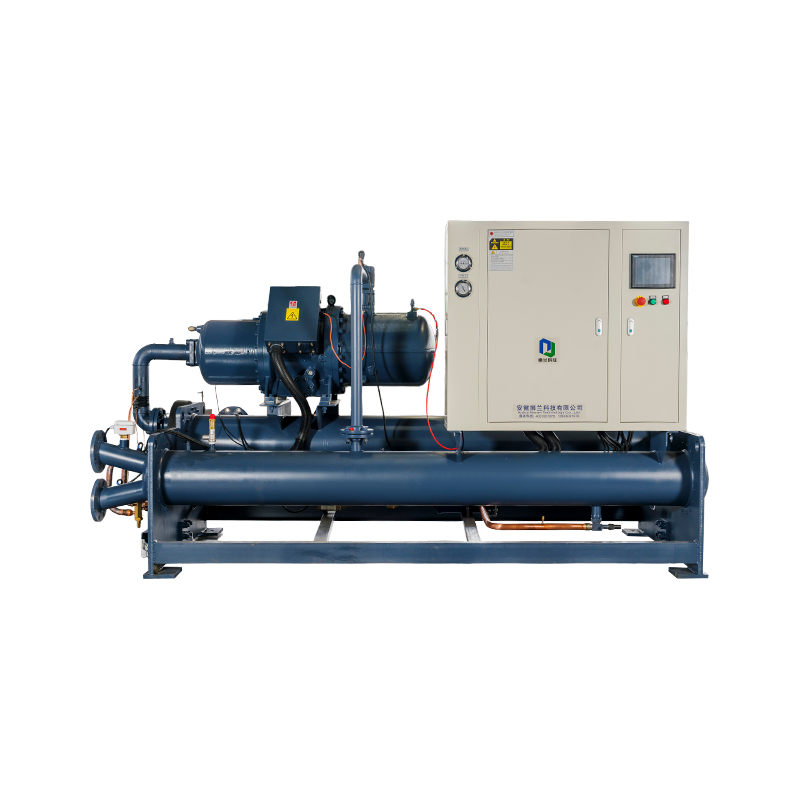
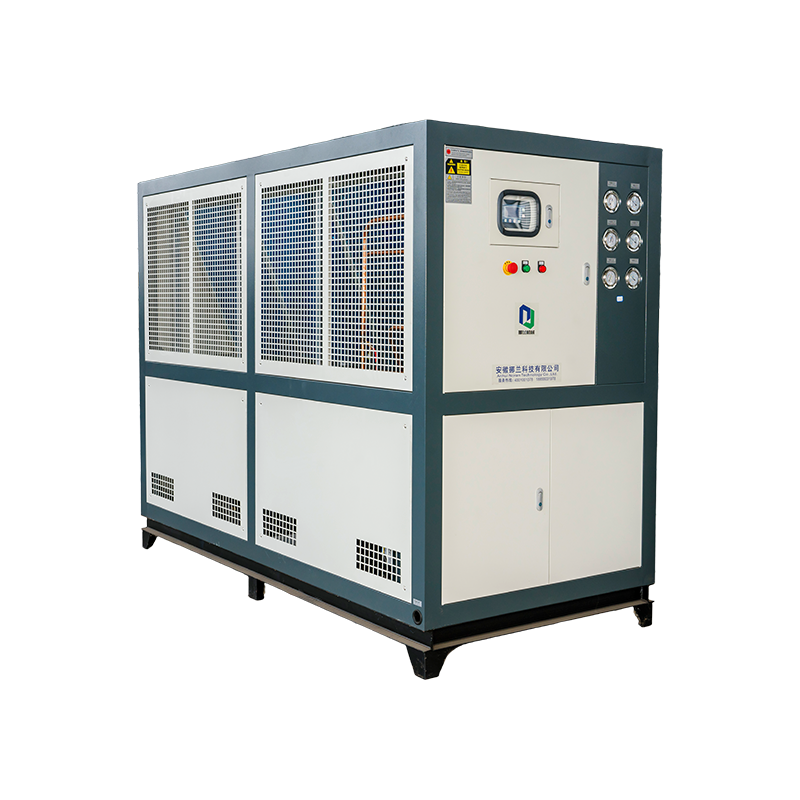
Screw chillers and specialized workshop cooling systems are engineered for heavy-duty industrial environments that demand massive cooling capacities and unyielding reliability. Defined by their multi-compressor screw mechanisms and large-volume evaporators, these units offer exceptional volumetric efficiency under continuous heavy loads. Their core function is to chill massive volumes of process fluid rapidly, ensuring that high-speed cutting tools, laser welding machines, and chemical reaction vessels remain at stable operating temperatures. Typical applications include large chemical synthesis facilities, pharmaceutical production lines, and extensive chillers for workshop processing cooling where temperature drift can ruin entire production batches. Compared to smaller scroll configurations, screw units provide wider capacity modulation, superior durability, and significantly lower maintenance intervals over long operational cycles. Facility managers often rely on a dedicated industrial water chiller to handle centralized factory loops, ensuring uniform temperature distribution across multiple production zones. By integrating advanced microcomputer controllers, these systems automatically adjust compressor staging based on real-time thermal demand, optimizing power usage.
Integrating these high-capacity units into an existing factory infrastructure involves a structured implementation sequence to guarantee flawless operation from day one.
- Perform a comprehensive site survey to evaluate electrical supply stability, available floor space, and piping routes.
- Position the heavy screw chiller unit on a reinforced concrete pad equipped with vibration isolation dampening pads.
- Connect insulated supply and return water headers, installing pressure gauges and flow switches for safety interlocking.
- Execute a complete system vacuum dehydration, refrigerant charge verification, and multi-stage electrical commissioning test.
Specialized Industrial Process Chiller and Refrigeration Solutions
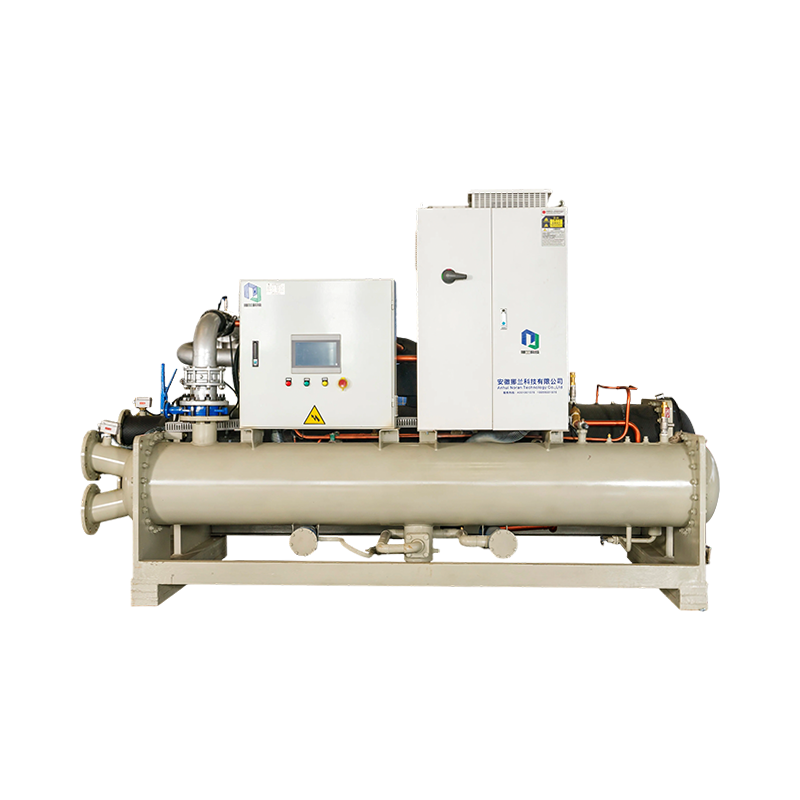
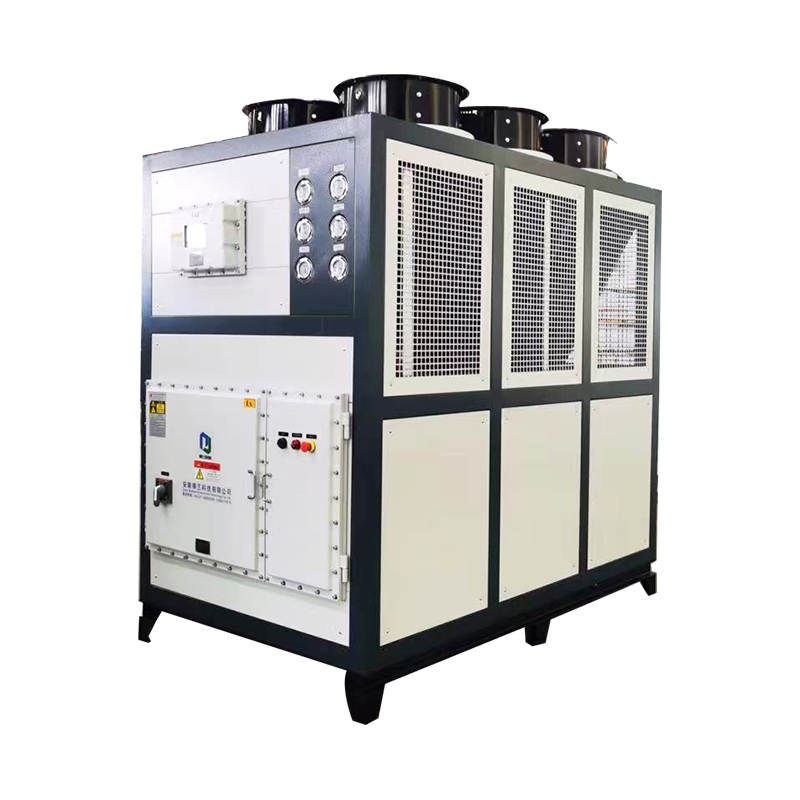
Specialized process chillers and comprehensive refrigeration solutions cater to extreme manufacturing requirements that standard commercial units cannot satisfy. Defined by their ability to achieve sub-zero temperatures, explosion-proof compliance, or ultra-precise thermal tolerances, these units operate in the most demanding industrial sectors. Their core technical feature involves customized refrigerant circuits, corrosion-resistant alloy heat exchangers, and specialized pumping stations tailored to unique fluid chemistries. Typical application scenarios include aerospace material testing, semiconductor wafer fabrication, and complex chemical processing operations where safety and precision are paramount. The differential advantage of a customized industrial process chiller lies in its exact alignment with unique facility constraints, preventing the inefficiencies associated with generic off-the-shelf equipment. Facility engineers looking for an advanced industrial chiller for refrigeration system integration value the rugged construction and long service life of these specialized assets. Furthermore, incorporating a reliable water cooled chiller for factory coolling ensures that high-density heat loads are dissipated efficiently without impacting internal cleanroom environments.
Through tailored engineering and robust manufacturing practices, these specialized units deliver unmatched stability for global industrial partners seeking reliable thermal control.
| Chiller Category |
Operating Temperature |
Primary Heat Rejection |
Target Industrial Application |
| Air-Cooled Chiller |
5 C to 35 C |
Ambient Air Fans |
General Plastics and Laser Cutting |
| Screw Chiller System |
3 C to 25 C |
Water Cooling Tower |
Large Chemical and Extrusion Plants |
| Specialized Process Unit |
Minus 40 C to 10 C |
Closed Loop Exchanger |
Pharmaceutical and Semiconductor |
Frequently Asked Questions
Q1: What is the primary function of an industrial chiller in a manufacturing plant?
An industrial chiller removes unwanted heat from manufacturing machinery or process fluids by circulating chilled water or glycol through a closed-loop system, ensuring stable operating temperatures and preventing equipment damage.
Q2: How do air-cooled and water-cooled chillers differ in operation?
Air-cooled chillers use ambient air blown across condenser coils to reject heat directly, making them easier to install. Water-cooled chillers use a separate cooling tower loop, offering higher energy efficiency and consistent performance regardless of outdoor weather.
Q3: Why is customized temperature control important for specialized industrial processes?
Standard chillers often cannot meet the exact pressure, flow rate, and sub-zero temperature stability required by advanced sectors like pharmaceuticals and electronics, making customized solutions essential for product quality and safety.
Q4: What maintenance practices extend the operational lifespan of an industrial cooling system?
Routine maintenance includes cleaning condenser coils, checking refrigerant charge levels, replacing water filters, monitoring compressor oil quality, and testing safety interlocks to prevent unexpected mechanical failures.

 English
  Français
  Español
  Português
  عربى
عربى  Türk
Türk  हिंदी
हिंदी