
 English
  Français
  Español
  Português
  عربى
عربى  Türk
Türk  हिंदी
हिंदी 

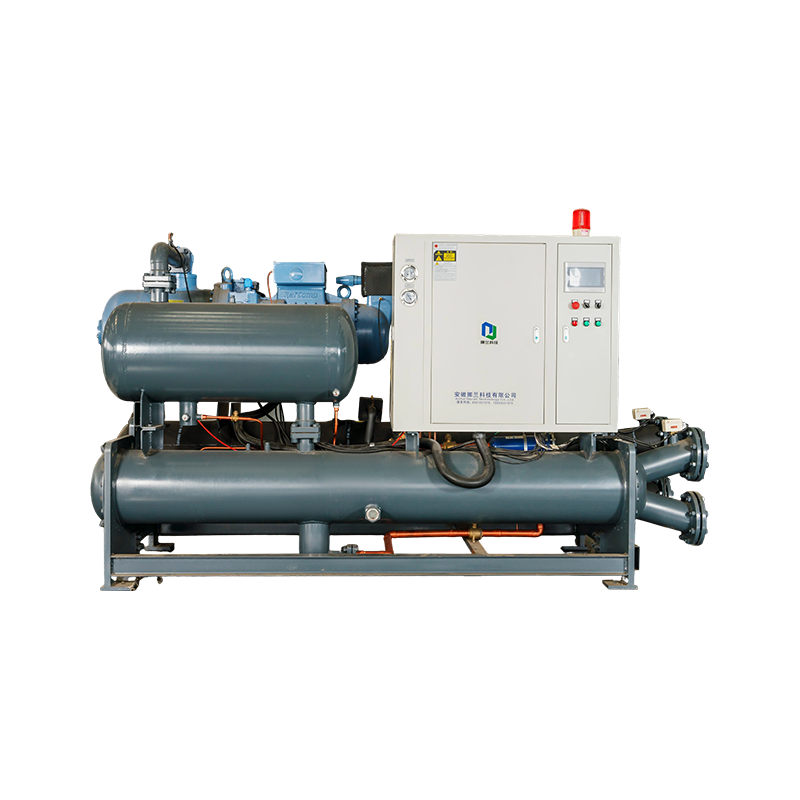

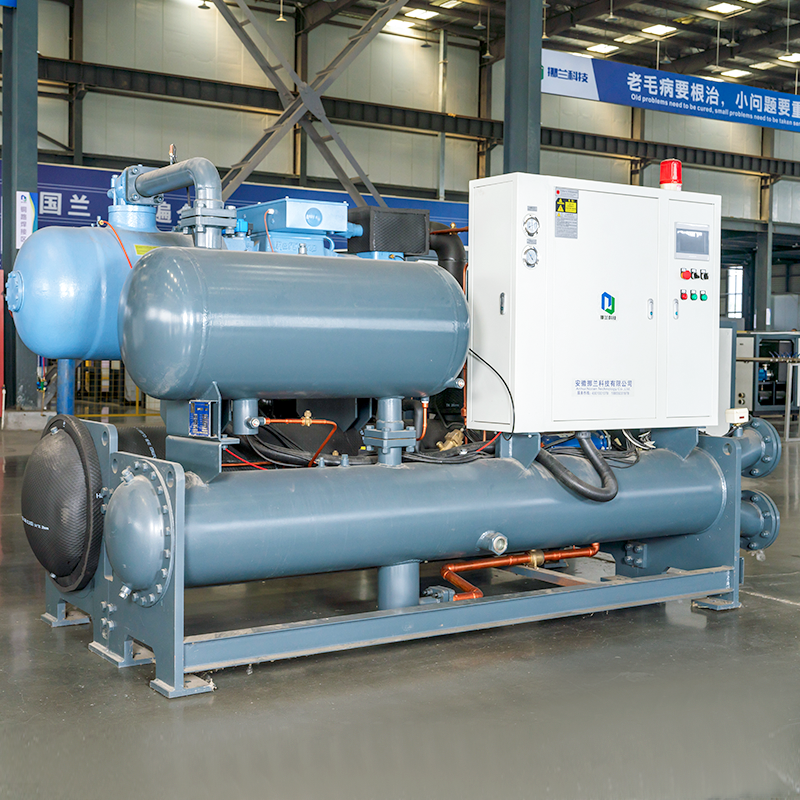
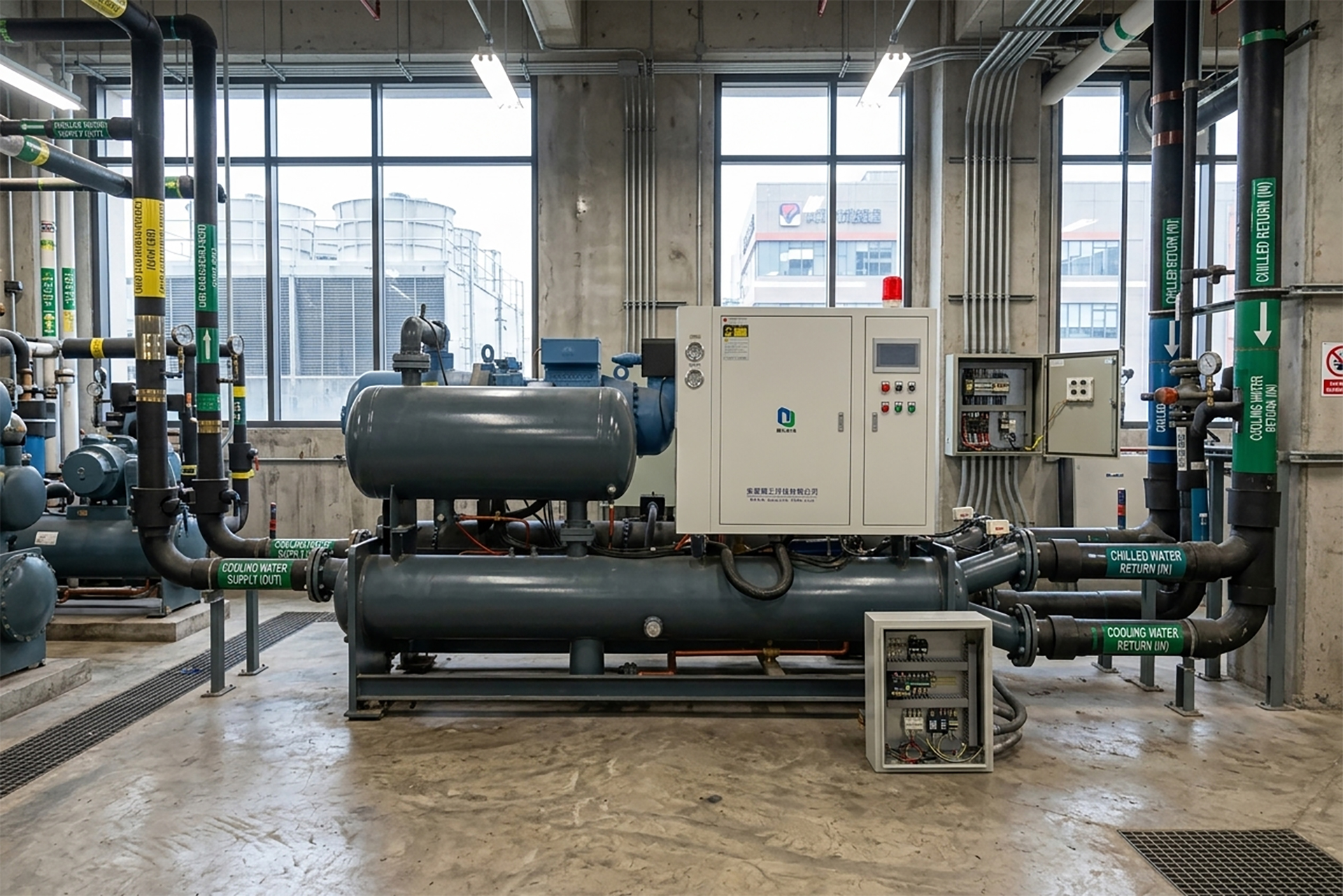
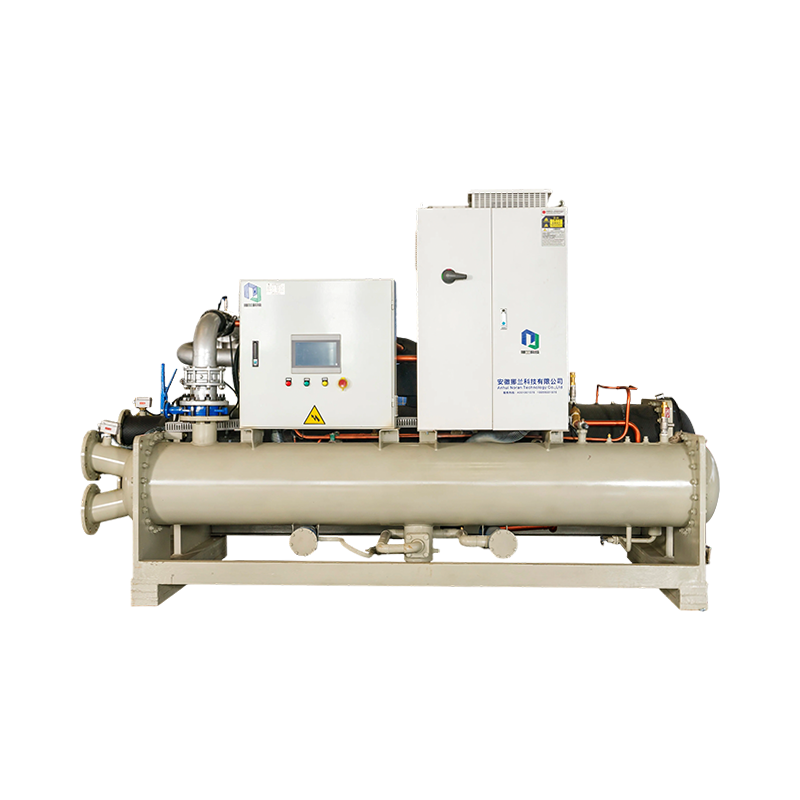


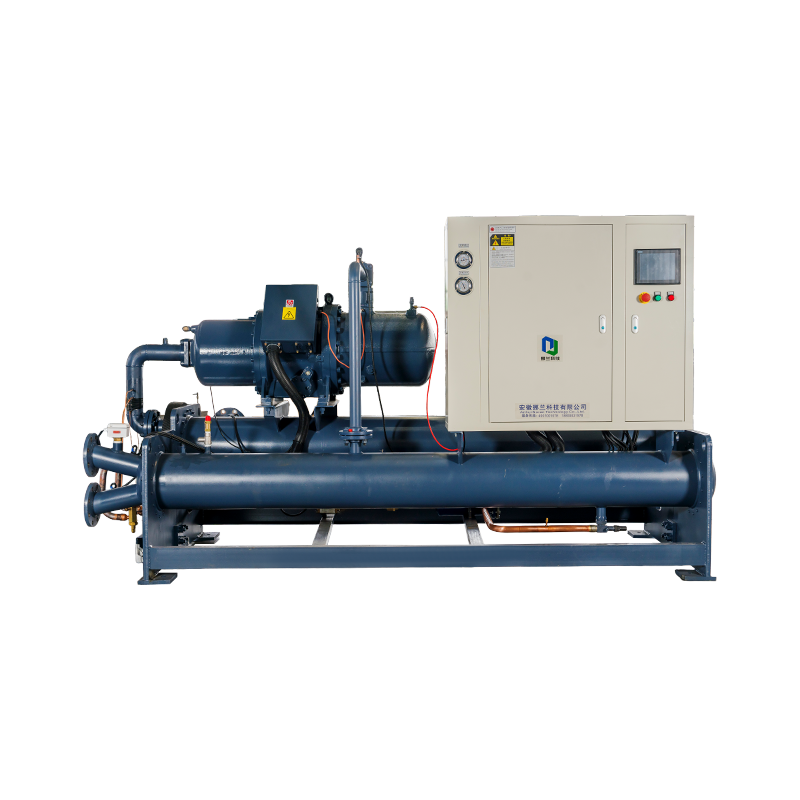
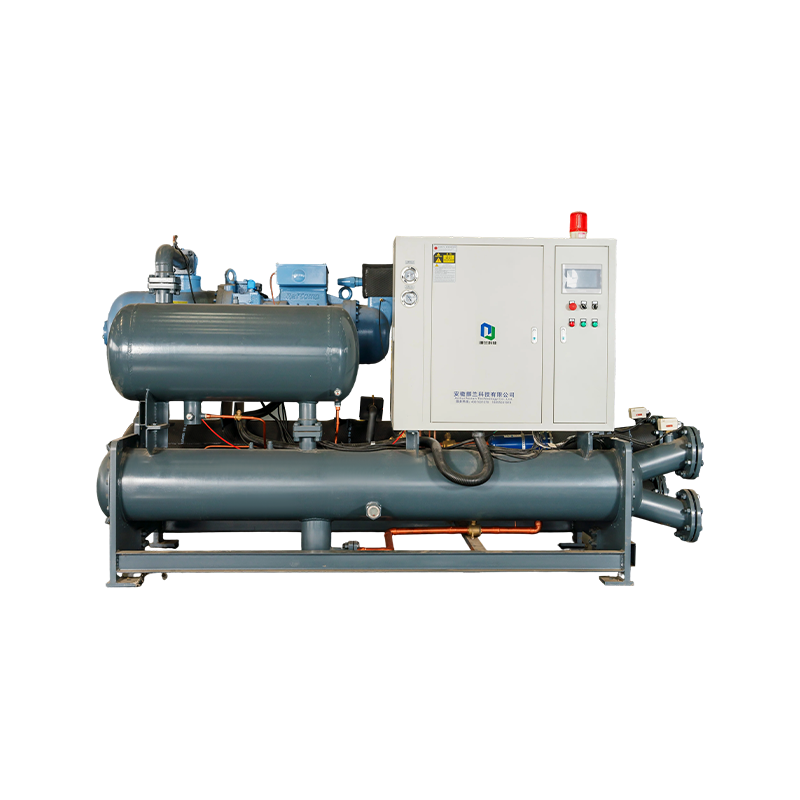
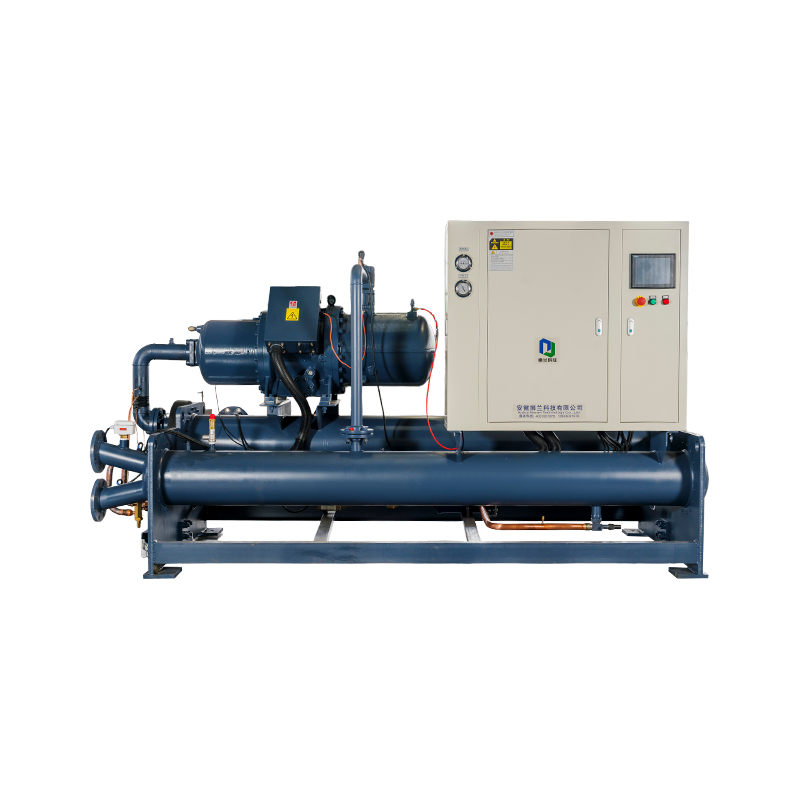
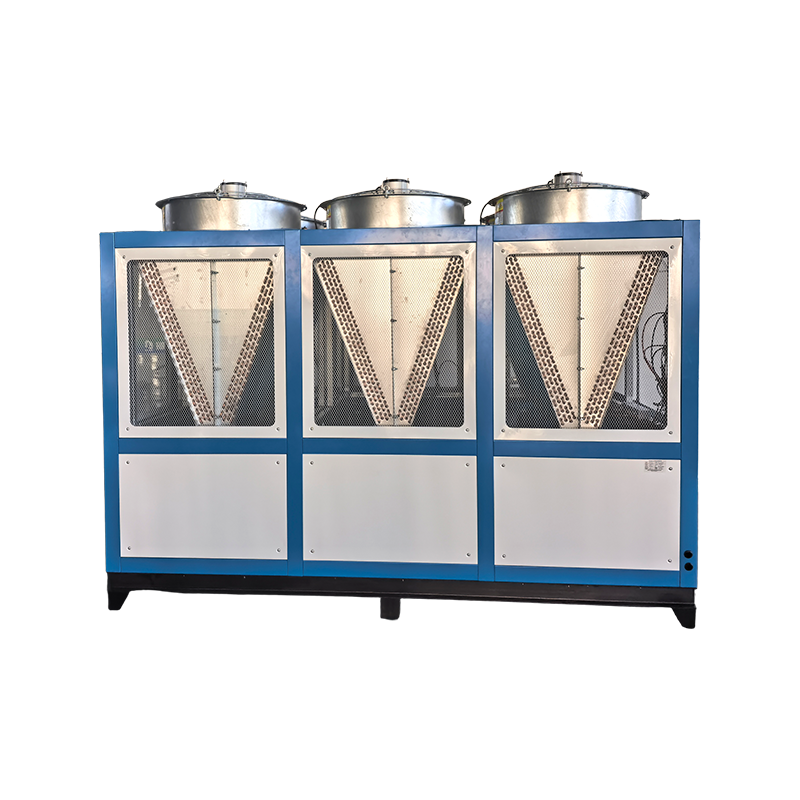
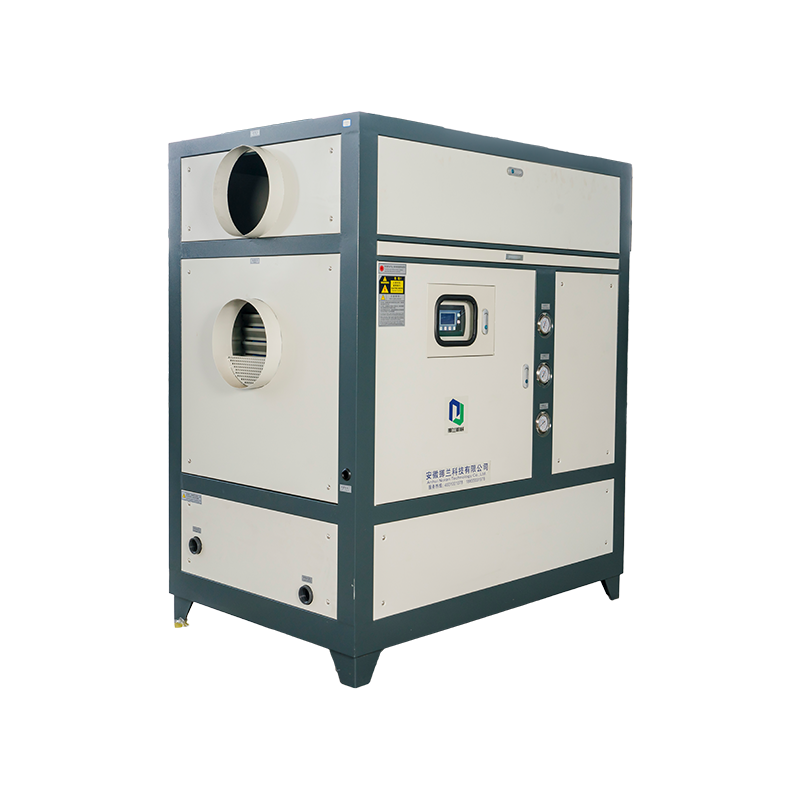















How to Select a Variable Frequency Water-Cooled Falling Film Screw Chiller
A falling film screw chiller combines screw compression with falling film evaporation to provide cooling for industrial processes. A water cooled falling film chiller rejects heat through a water-cooled condenser, while variable frequency control adjusts compressor speed to respond to changing cooling demand. These features can be useful in plastics processing, chemical production, electronics manufacturing, and other applications requiring stable process temperatures.
When evaluating a falling film screw chiller, buyers should consider cooling capacity, chilled water temperatures, condenser water conditions, operating load, and maintenance requirements rather than relying on nominal capacity alone.
How Falling Film Evaporation Works
A falling film evaporator chiller distributes liquid refrigerant over a heat-transfer surface. As the refrigerant flows downward and absorbs heat from the chilled water, it evaporates and returns to the compressor as vapor. Compared with some flooded evaporator designs, falling film systems can operate with a lower refrigerant inventory, depending on the equipment configuration.
A variable frequency falling film chiller uses a variable frequency drive to adjust compressor speed within its permitted operating range. This can improve capacity matching during part-load operation, although actual energy savings depend on compressor efficiency, refrigerant conditions, condenser performance, and the operating profile.
Key Technical Comparisons
| Comparison | Falling Film Design | Flooded Design |
|---|---|---|
| Refrigerant arrangement | Liquid refrigerant flows as a film over the heat-transfer surface. | Heat-transfer surfaces are immersed in a refrigerant pool. |
| Refrigerant inventory | Can be lower, depending on system design. | Generally requires refrigerant to maintain the evaporator pool. |
| Maintenance focus | Refrigerant distribution and surface wetting. | Refrigerant level and liquid management. |
| Performance factors | Film distribution, heat-transfer area, and operating load. | Refrigerant circulation, liquid level, and heat-transfer conditions. |
Neither design is universally more efficient. A suitable falling film refrigeration system must be evaluated under comparable cooling and condenser water conditions.
Selection and Maintenance Considerations
- Cooling capacity: Calculate peak process heat load and account for changes in production demand.
- Water temperatures: Specify chilled water inlet and outlet temperatures, flow rates, and condenser water conditions.
- Compressor control: Confirm the VFD screw chiller operating range and minimum stable cooling load.
- Water quality: Manage scale, corrosion, and biological fouling to protect heat-transfer performance.
- System configuration: Evaluate installation space, electrical supply, service access, and control requirements.
Buyers comparing a falling film screw chiller manufacturer or falling film chiller supplier should request operating data at their actual design conditions. A custom falling film screw chiller may be appropriate when standard configurations do not match the required capacity, temperature accuracy, or installation environment.
Frequently Asked Questions
1. What information is required to select a falling film evaporator chiller?
Provide the required cooling capacity, water temperatures, flow rates, operating schedule, and site conditions. Anhui Noran Technology Co., Ltd. develops industrial refrigeration equipment and customized temperature control solutions based on customer requirements.
2. Does variable frequency control reduce chiller energy consumption?
It can reduce energy consumption when cooling demand varies, but results depend on the operating conditions and complete system design. Noran focuses on energy-saving refrigeration technologies and intelligent temperature control for industrial applications.
3. Which industries can use water-cooled falling film screw chillers?
Potential applications include plastics, chemicals, pharmaceuticals, electronics, photovoltaics, and industrial painting. Founded in 2014, Noran expanded its manufacturing operations to a production base of approximately 33,000 m2 in Mingguang City, Anhui Province, supporting its industrial refrigeration equipment and customized cooling business.


