
 English
  Français
  Español
  Português
  عربى
عربى  Türk
Türk  हिंदी
हिंदी 

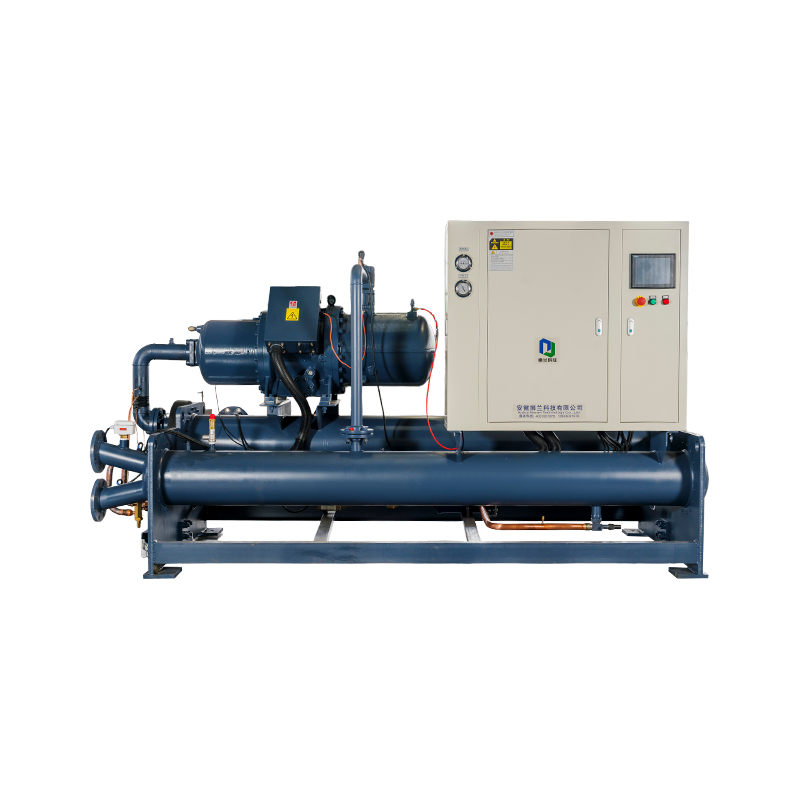
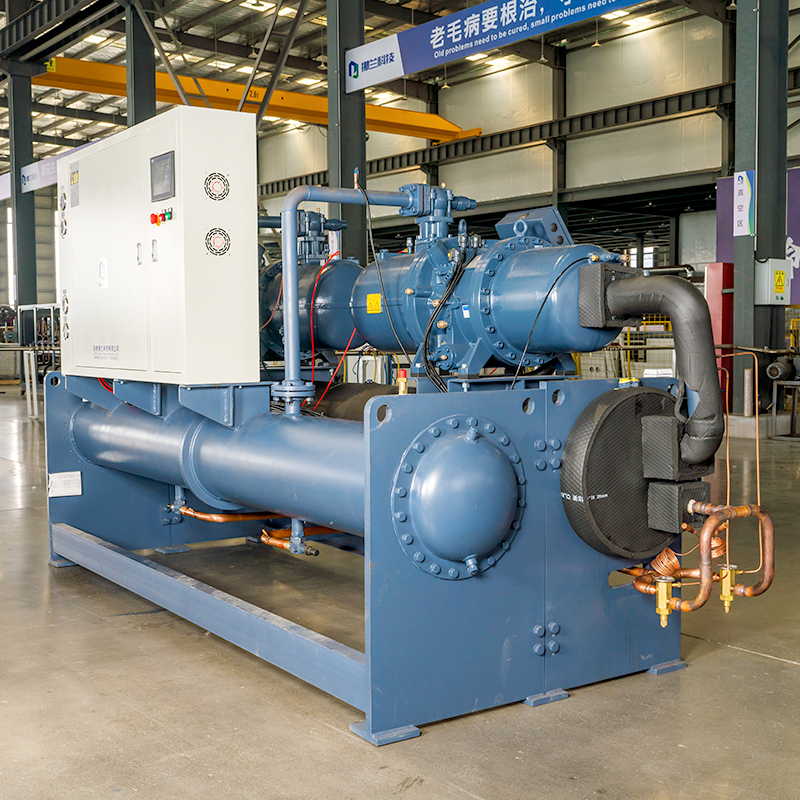
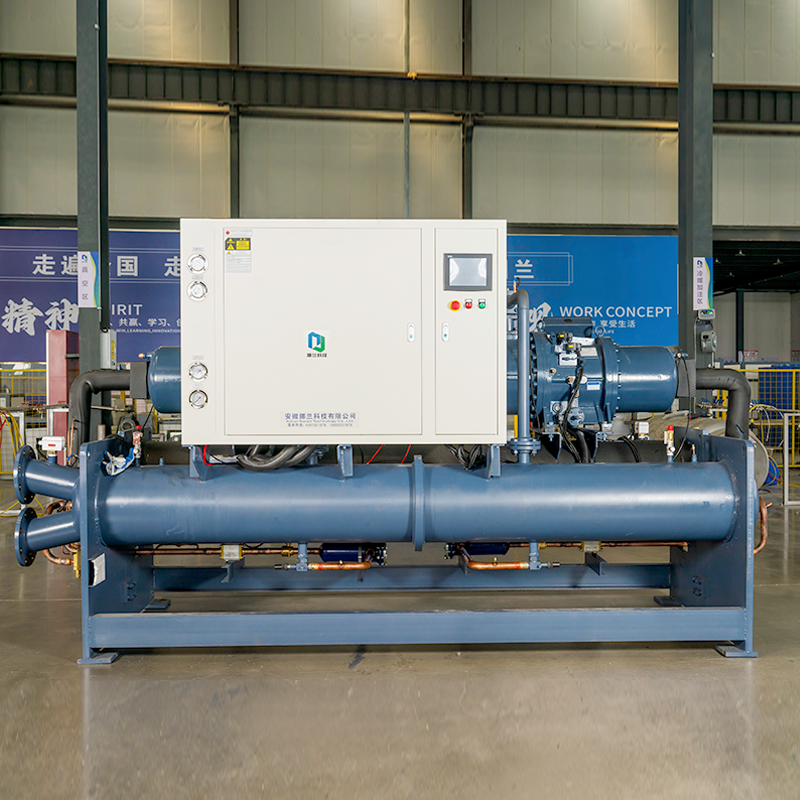
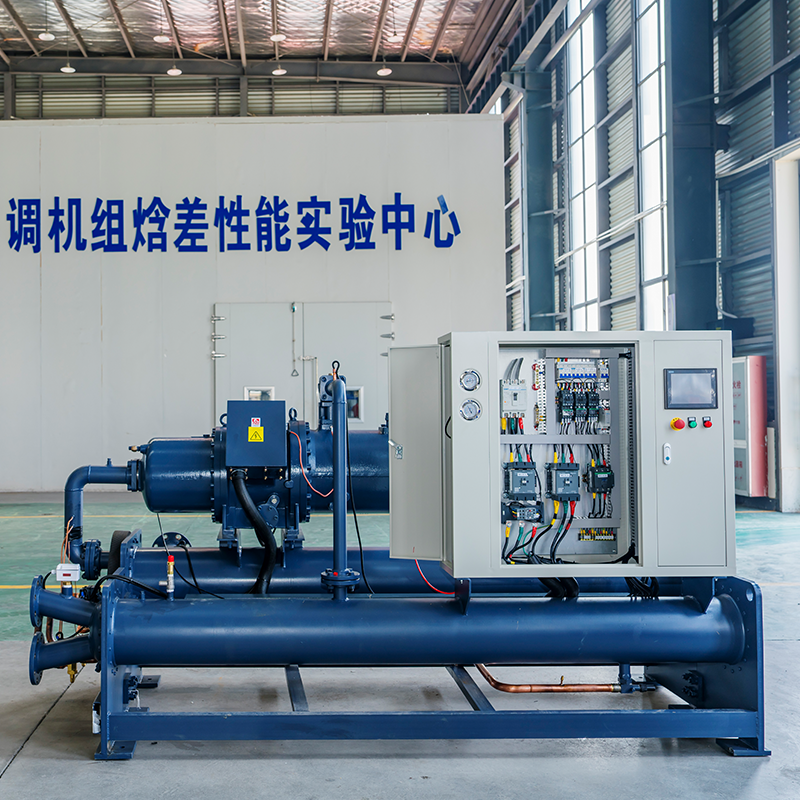
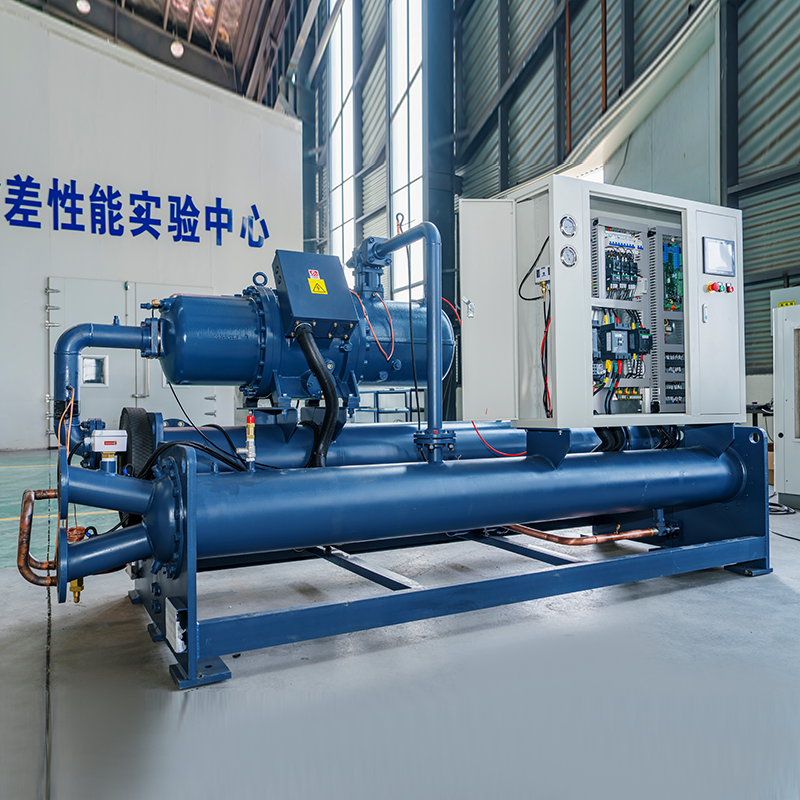
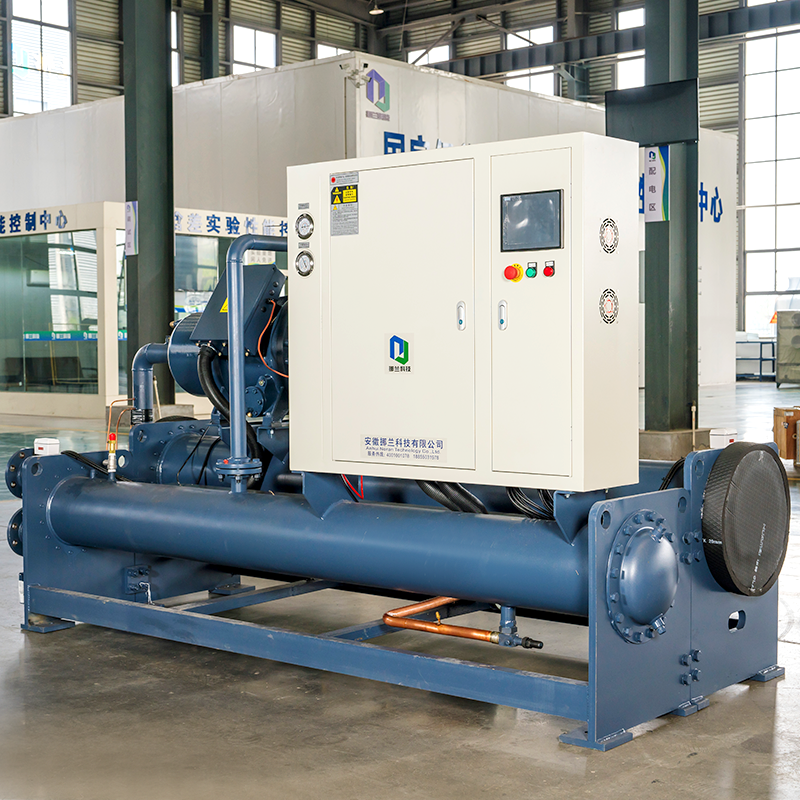
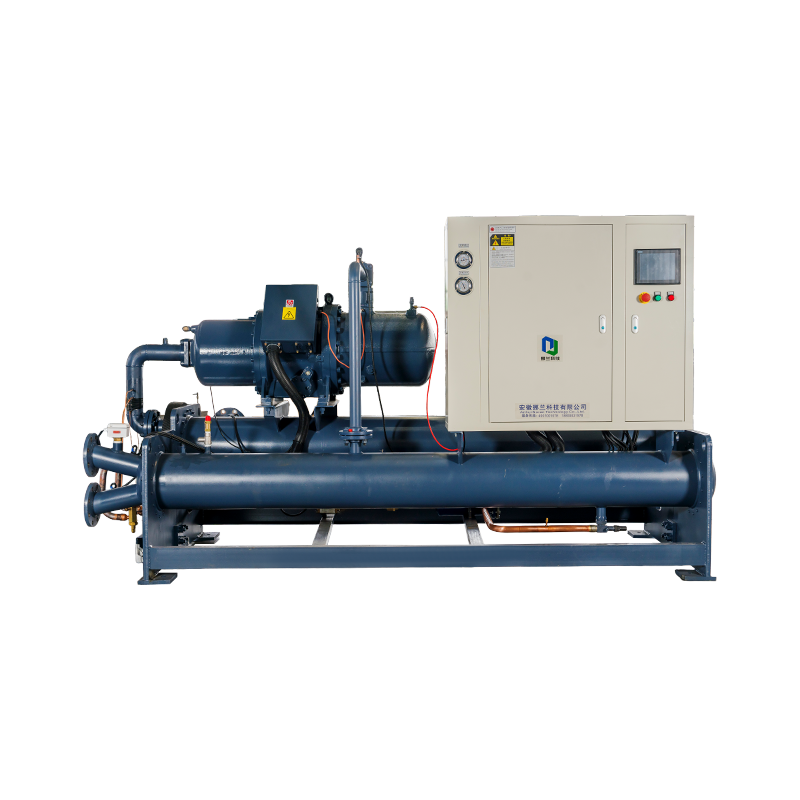


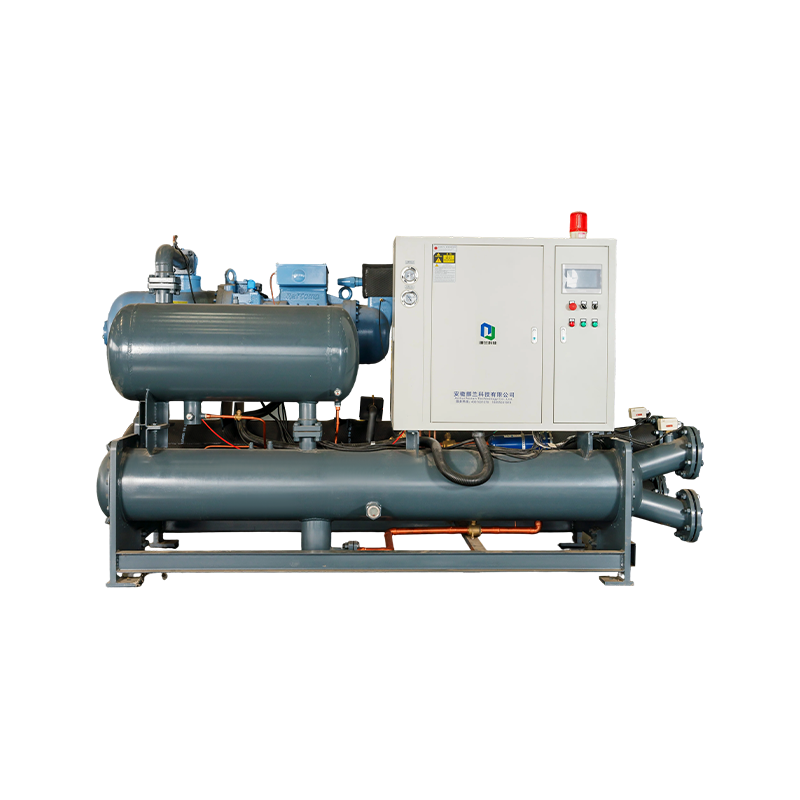
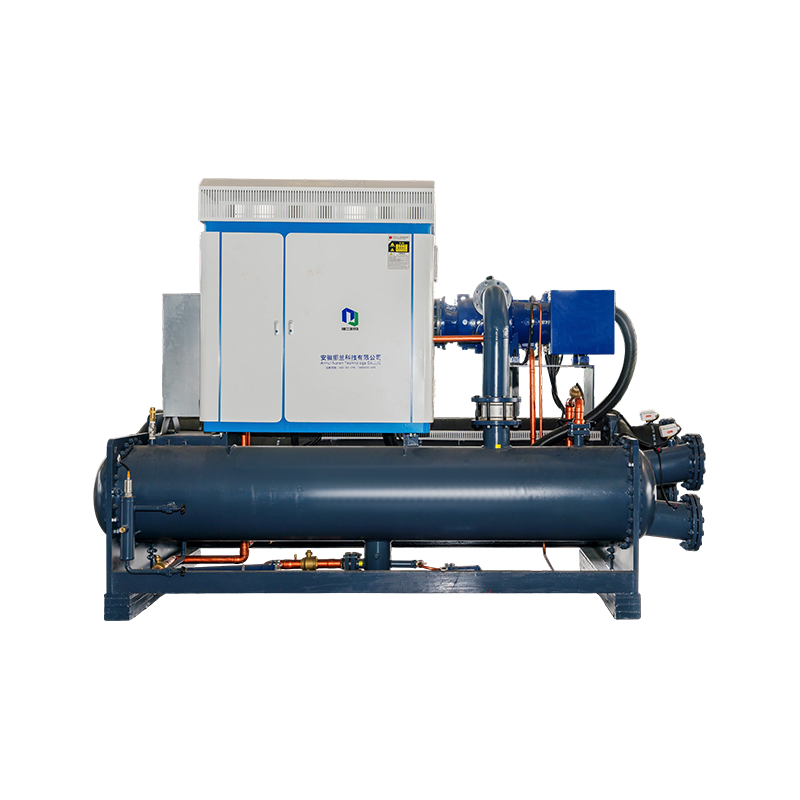
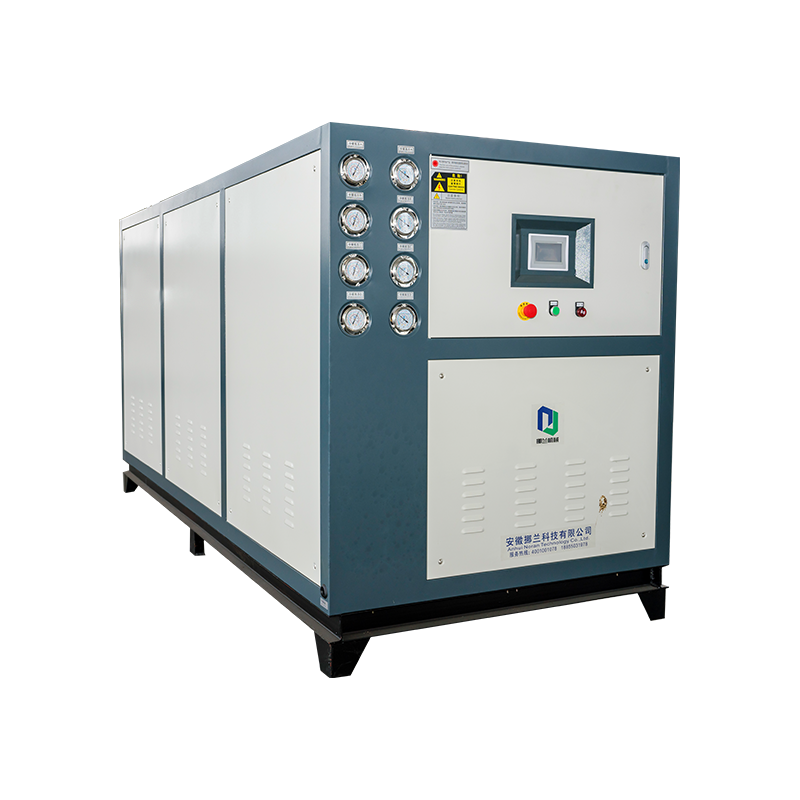
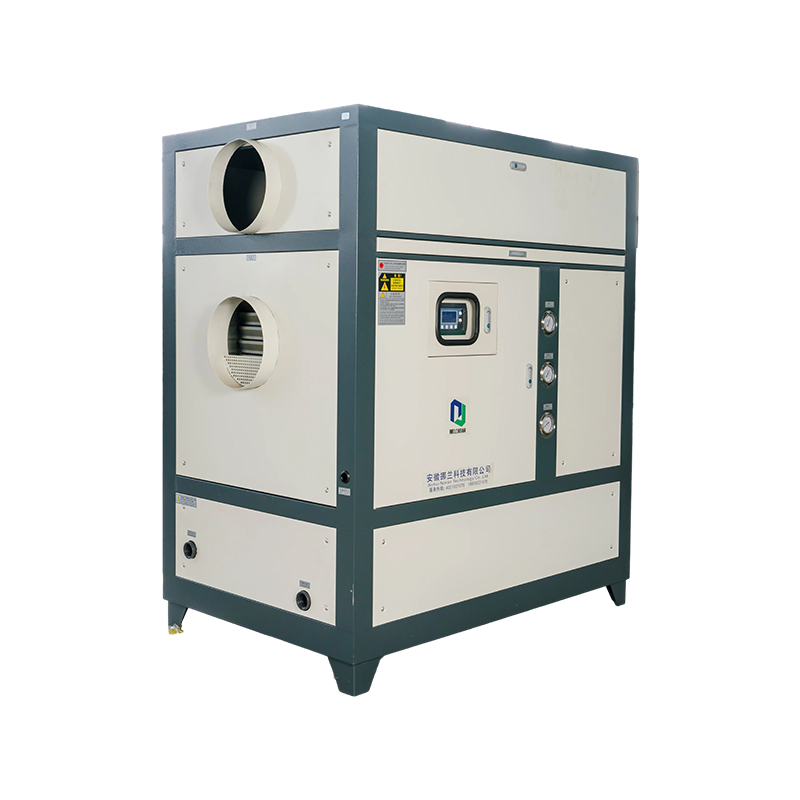
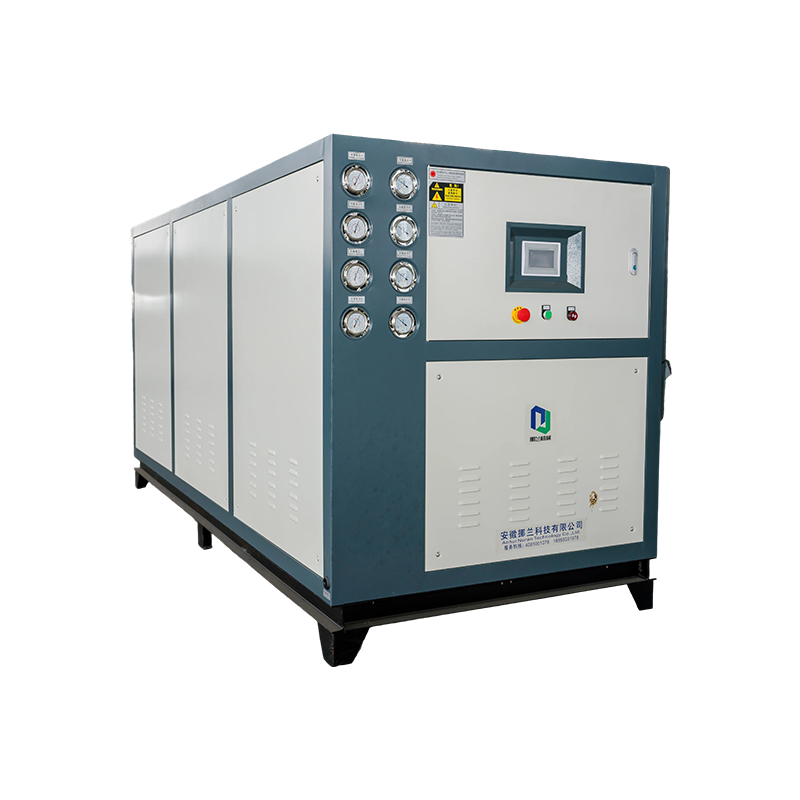















How to Select a Low Temperature Water-Cooled Screw Chiller
A low temperature water cooled screw chiller is designed for industrial processes that require chilled fluids below the temperatures commonly served by standard comfort-cooling equipment. These systems use screw compression and a water-cooled condenser to remove heat from a process fluid. Depending on the application, the circulating fluid may be water mixed with glycol or a suitable brine solution.
When selecting a low temperature water cooled screw chiller, buyers should confirm the required leaving fluid temperature, cooling capacity, fluid properties, and operating conditions. The URL alone does not establish the unit's complete performance specifications, so the exact operating range must be verified in the product documentation.
How Low Temperature Screw Chillers Work
A screw compressor draws in refrigerant vapor and compresses it to a higher pressure. The refrigerant releases heat through the condenser, passes through an expansion device, and absorbs heat from the process fluid in the evaporator. The compressor then repeats the refrigeration cycle.
As the required process temperature decreases, the compressor may need to operate across a greater pressure difference. This can affect cooling capacity, power consumption, and operating limits. A low temperature water cooled chiller must therefore be selected using performance data at the actual design conditions rather than nominal capacity alone.
Choosing the Process Fluid
| Fluid Type | Key Characteristics | Selection Considerations |
|---|---|---|
| Water | Good heat-transfer properties and relatively low viscosity. | Suitable when the required temperature remains above the freezing limit with an adequate safety margin. |
| Water-glycol mixture | Provides freeze protection, with heat-transfer properties that vary by glycol type and concentration. | Confirm concentration, viscosity, material compatibility, and required flow rate. |
| Brine solution | Can provide low-temperature heat transfer, depending on the selected formulation. | Check corrosion risks, fluid properties, pumping requirements, and equipment compatibility. |
A glycol screw chiller or brine screw chiller must be designed around the selected fluid's freezing point, viscosity, specific heat capacity, and flow characteristics. Increasing glycol concentration can improve freeze protection but may also increase pumping power and reduce heat-transfer performance. The fluid manufacturer's guidance should be used to determine a suitable concentration.
Important Selection and Maintenance Factors
- Cooling capacity: Calculate the process heat load at the required leaving fluid temperature, including peak demand and operating variations.
- Operating temperature: Confirm the permitted evaporating conditions and minimum fluid outlet temperature for the selected model.
- Condenser water: Specify entering water temperature, available flow, and cooling tower conditions.
- Fluid compatibility: Verify seals, pumps, heat exchangers, and piping materials against the chosen glycol or brine solution.
- Maintenance: Monitor fluid concentration, water quality, heat-exchanger fouling, refrigerant circuit performance, and compressor operating conditions.
When comparing a low temperature screw chiller manufacturer or low temperature chiller supplier, request cooling capacity and power consumption at the intended fluid temperatures and concentration. A custom low temperature screw chiller may be appropriate when standard equipment cannot meet the required process conditions. Proper engineering helps ensure that the low temperature process refrigeration system operates reliably without exceeding its designed operating envelope.
Frequently Asked Questions
1. How do I choose between a glycol screw chiller and a brine screw chiller?
The choice depends on the required operating temperature, freeze protection, fluid viscosity, corrosion characteristics, and compatibility with system materials. Anhui Noran Technology Co., Ltd. provides industrial refrigeration equipment and customized temperature control solutions based on application requirements, including cooling capacity and operating conditions.
2. Why does low-temperature cooling require careful capacity selection?
Cooling capacity and compressor power consumption change with evaporating and condensing conditions. Buyers should request performance data at the actual design temperatures instead of relying solely on nominal ratings. Noran focuses on low-temperature cooling, energy-saving refrigeration technologies, and customized system integration.
3. What should be checked when maintaining a low temperature water cooled chiller?
Check fluid concentration and condition, flow rates, heat-exchanger cleanliness, condenser water quality, refrigerant circuit indicators, and control alarms according to the manufacturer's instructions. Founded in 2014, Noran expanded its manufacturing operations in 2021 to a production base of approximately 33,000 m2 in Mingguang City, Anhui Province, supporting its industrial refrigeration manufacturing, quality control, and project delivery activities.


