
 English
  Français
  Español
  Português
  عربى
عربى  Türk
Türk  हिंदी
हिंदी 

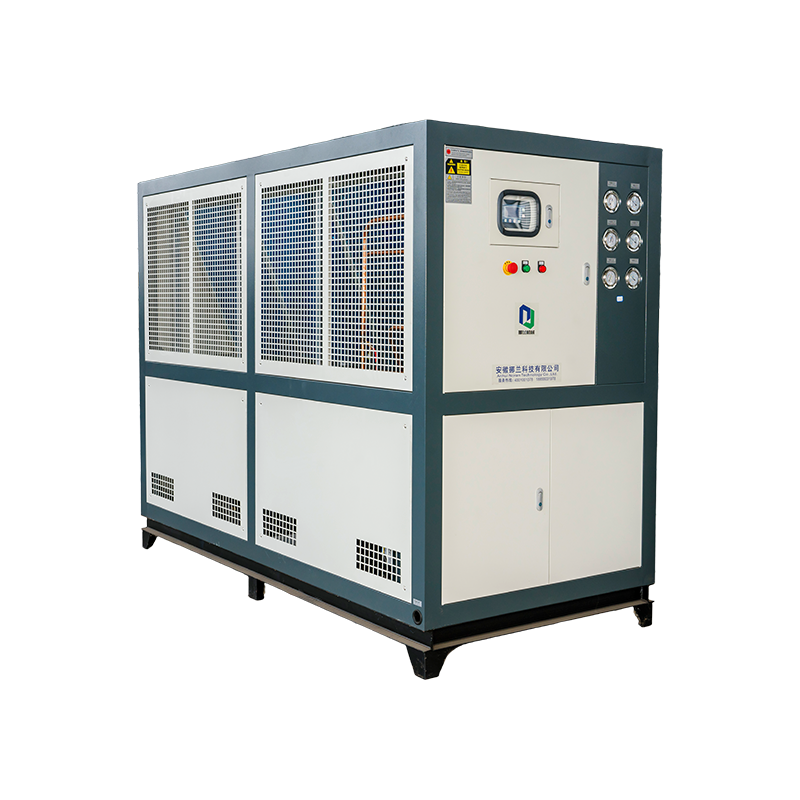
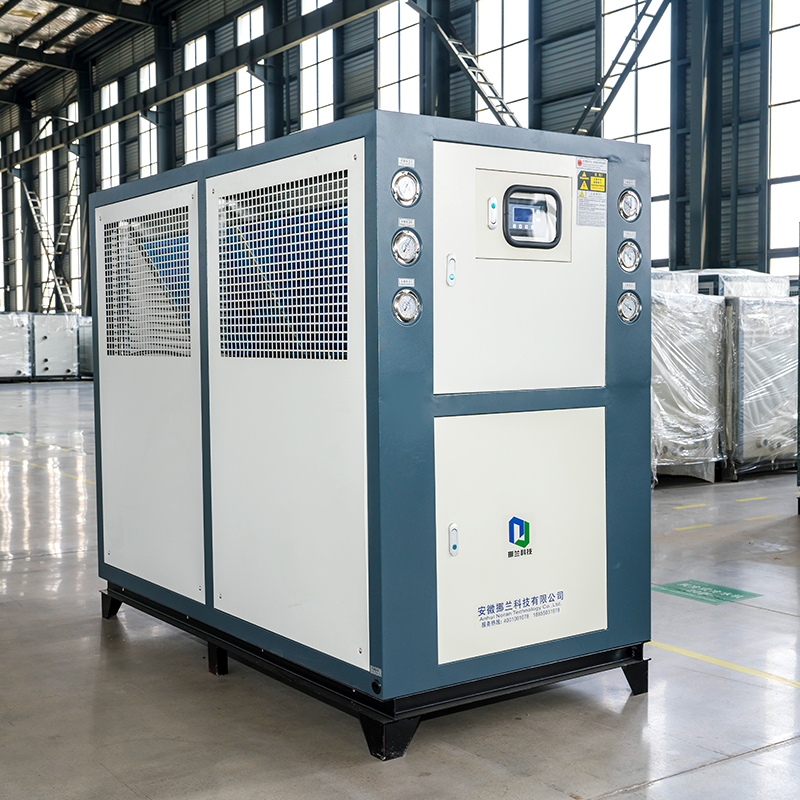
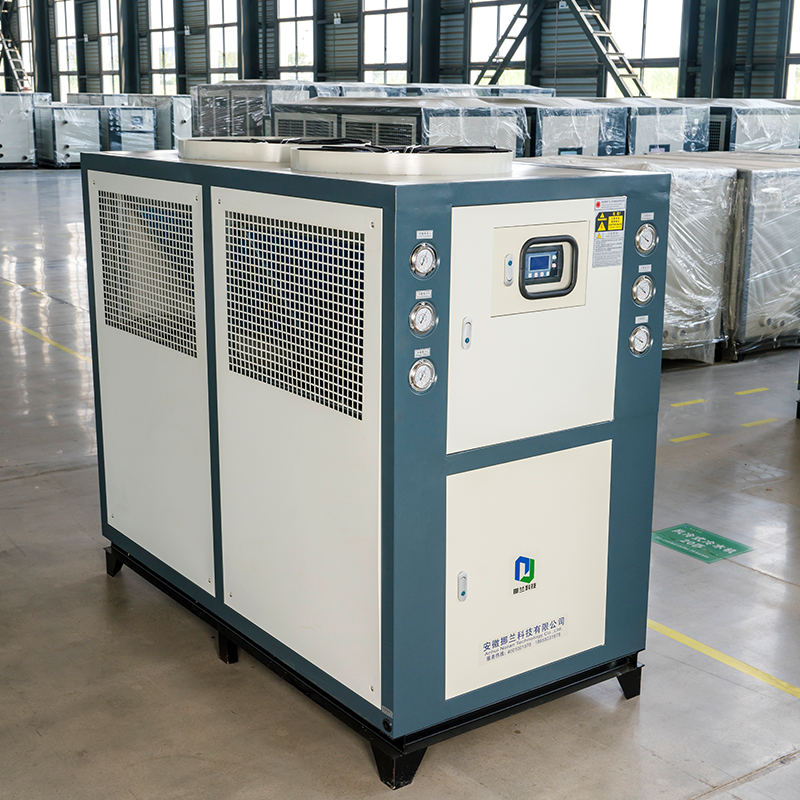


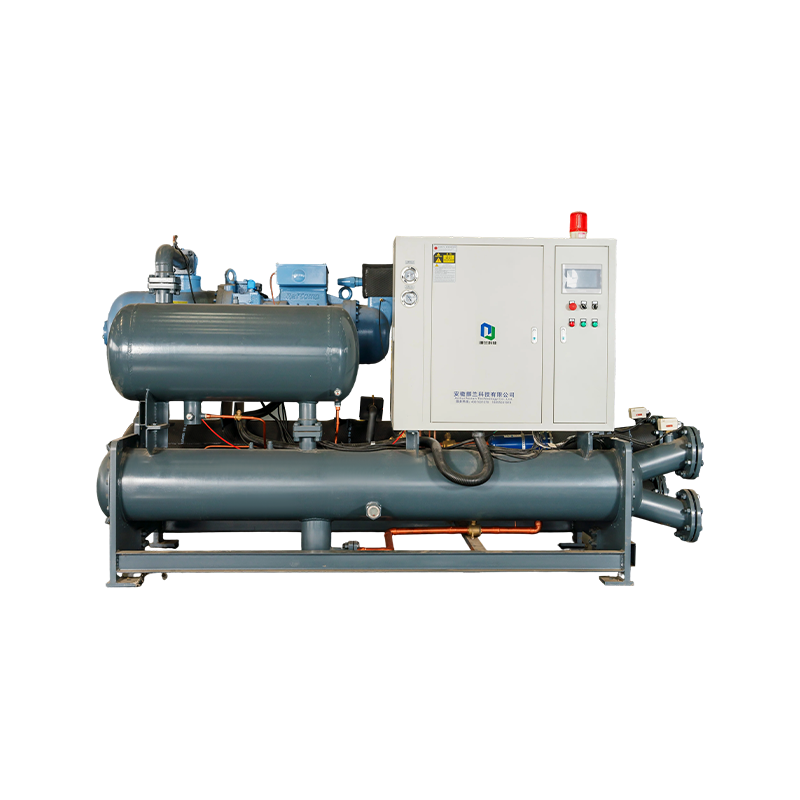
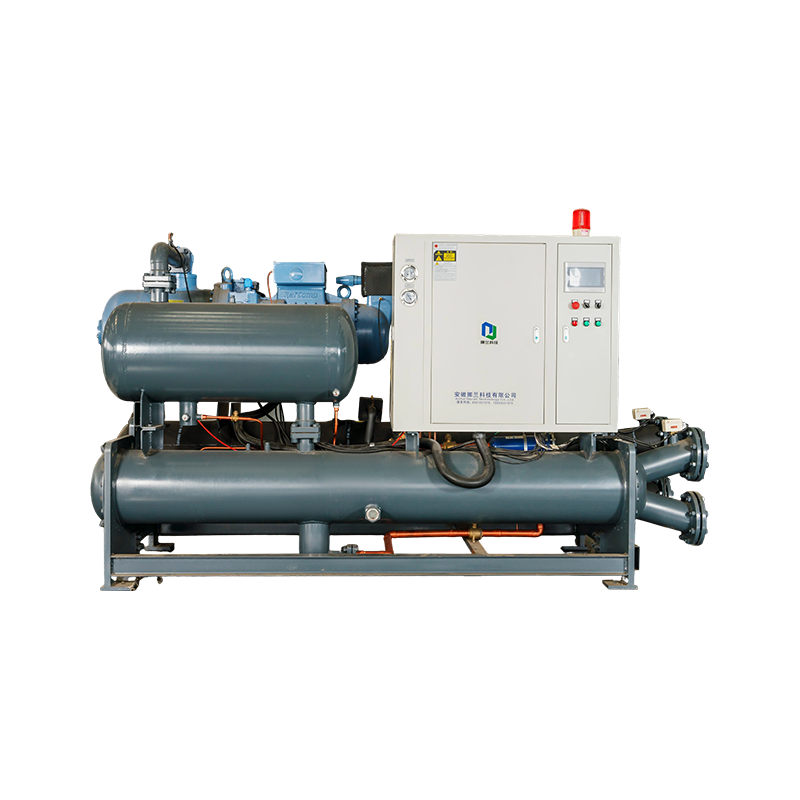















How to Select a Precision Temperature and Pressure Control Chiller
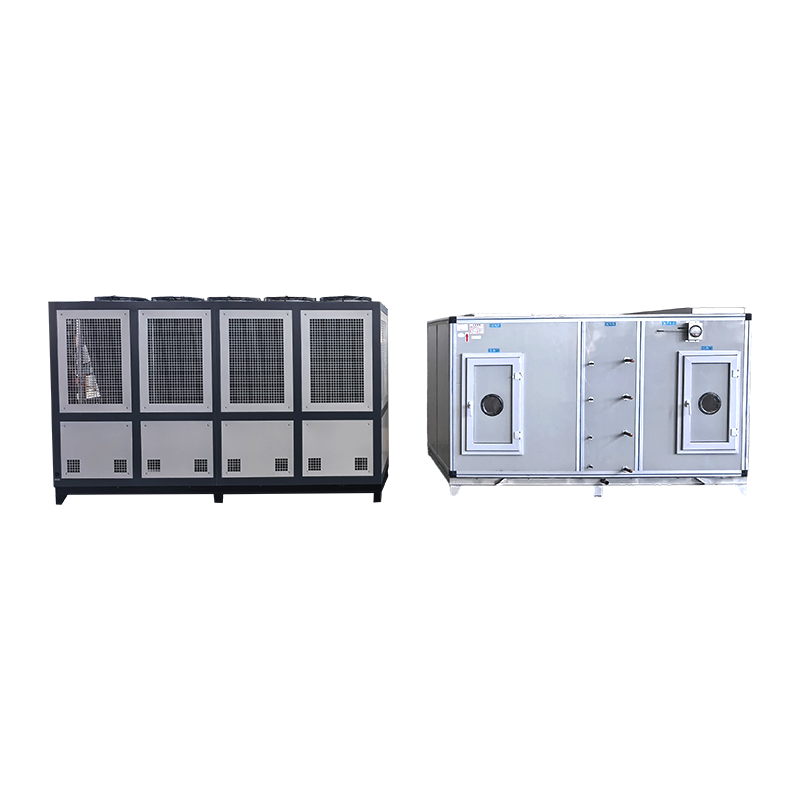
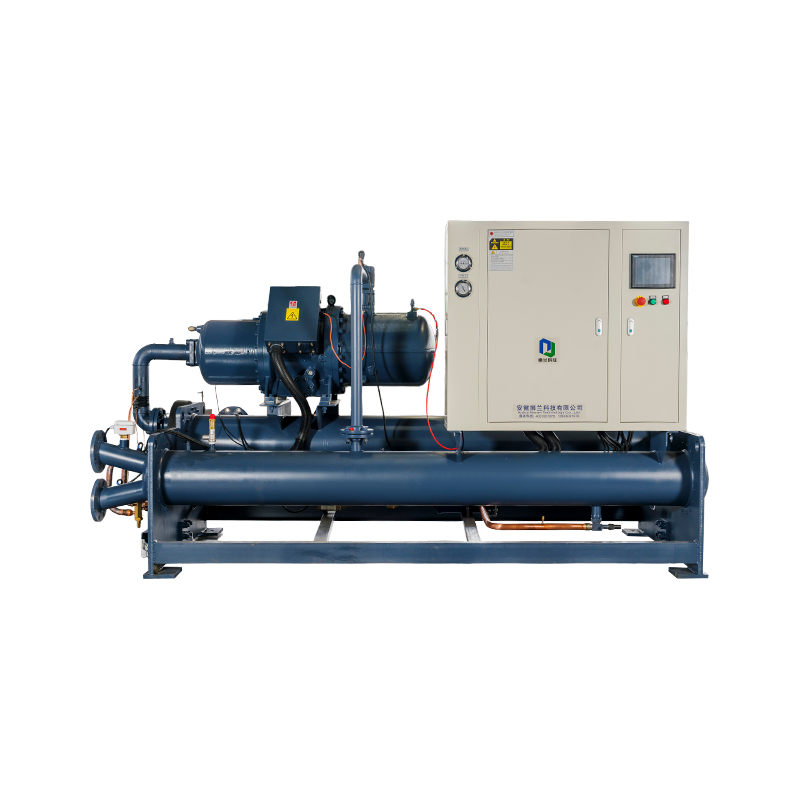
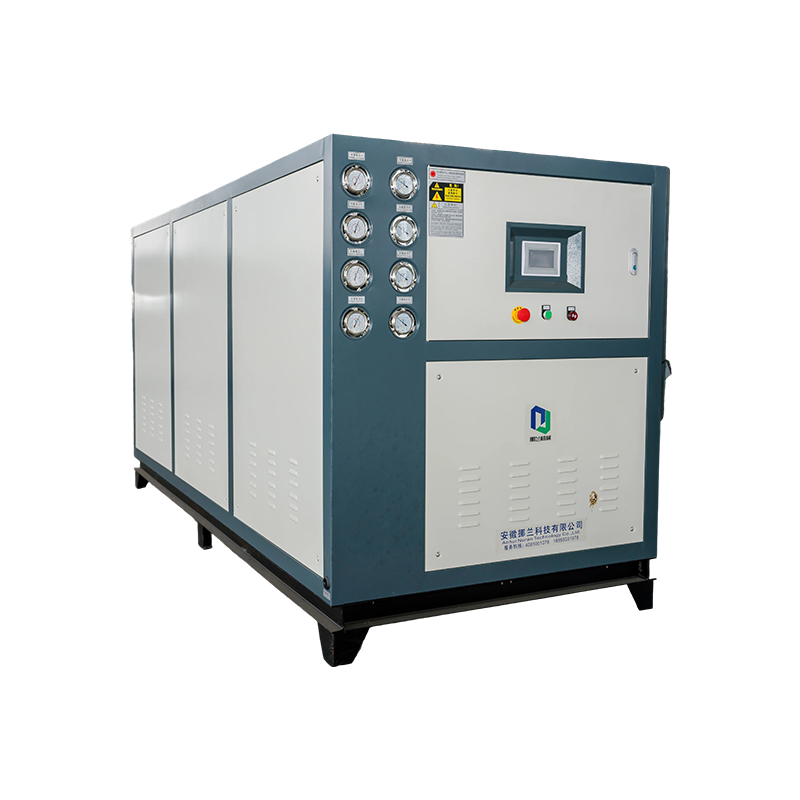
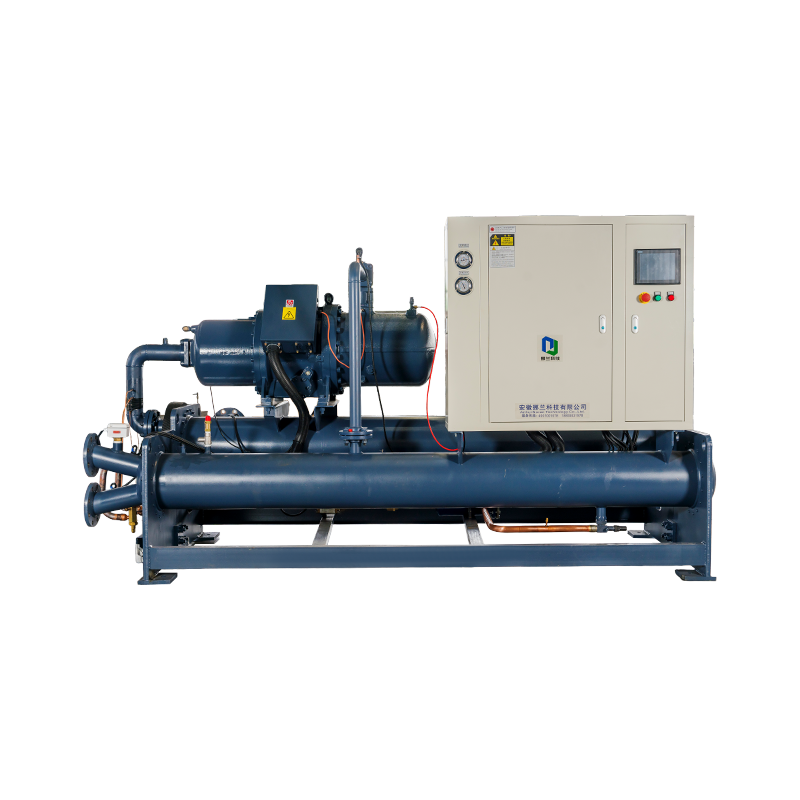
Industrial processes often require stable cooling temperatures and consistent fluid pressure to maintain product quality and equipment performance. An air-cooled precision temperature control chiller combines refrigeration with temperature regulation, while the associated circulation and control system helps maintain the required process conditions. The appropriate configuration depends on heat load, fluid flow, pressure requirements, ambient temperature, and process sensitivity.
A precision temperature control chiller should be selected according to actual operating conditions rather than cooling capacity alone. Buyers should also confirm whether temperature and pressure are controlled directly by the unit or require additional pumps, valves, sensors, and external equipment.
How Temperature and Pressure Control Work
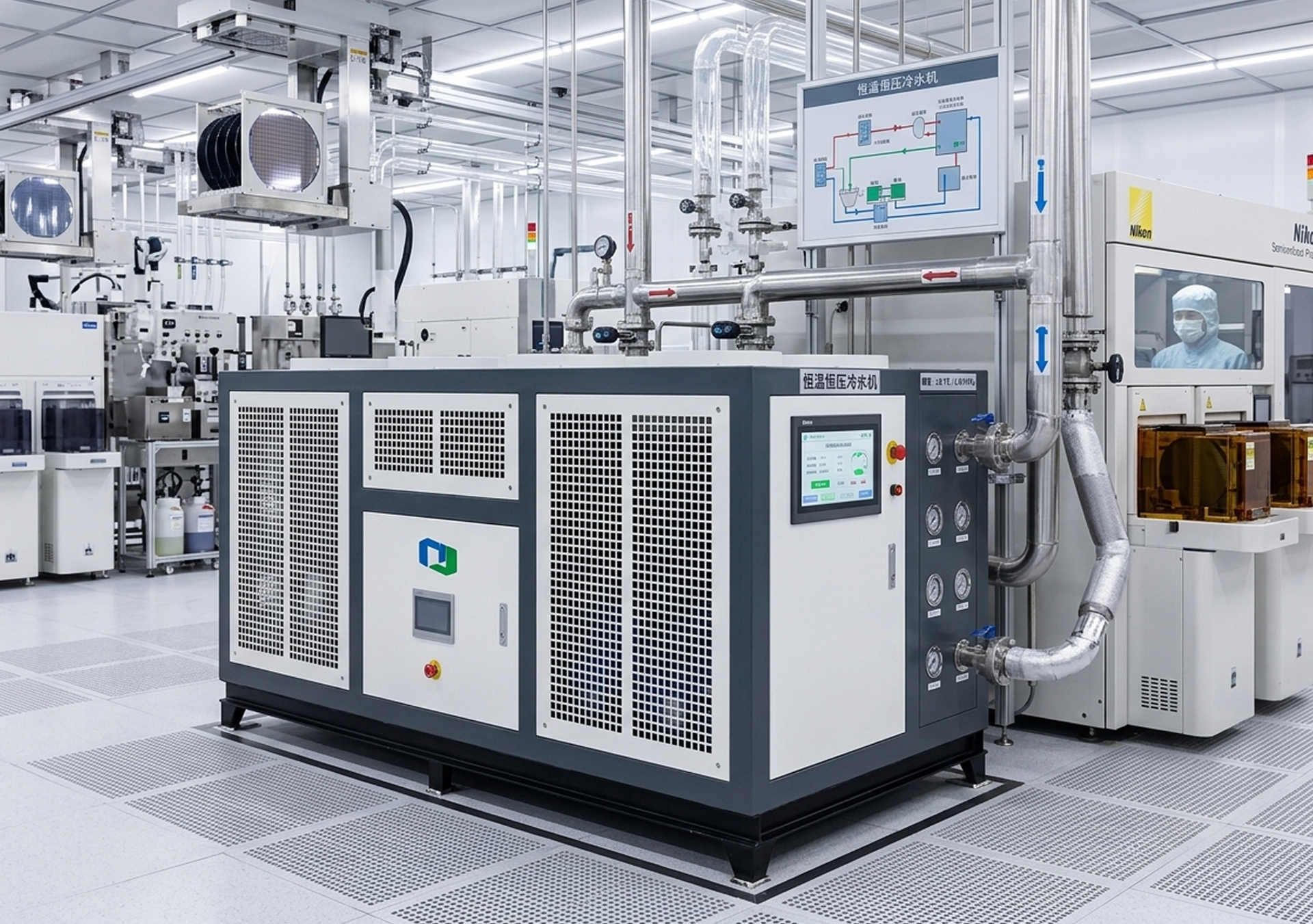
A constant temperature chiller removes heat from the circulating fluid through an evaporator. Sensors monitor fluid temperature, and the controller adjusts refrigeration capacity or other control components to maintain the target temperature within the system's operating limits.
A constant pressure chiller requires appropriate hydraulic control in addition to refrigeration. Depending on the design, pressure may be regulated through pump speed, control valves, bypass arrangements, or other components. Because temperature and pressure are related but distinct variables, a constant temperature and pressure chiller must be evaluated for both control functions under changing process loads.
Key Control Parameters Compared
| Parameter | Function | What Buyers Should Verify |
|---|---|---|
| Temperature stability | Maintains the process fluid near the required setpoint. | Permitted temperature variation, sensor accuracy, and response to load changes. |
| Pressure stability | Maintains the required pressure in the circulation circuit. | Operating pressure range, flow requirements, and pressure-control method. |
| Cooling capacity | Determines the rate of heat removal. | Capacity at the actual process and ambient conditions. |
| Control response | Determines how the system responds to changing demand. | Sensor placement, controller settings, and compatibility with process equipment. |
| Heat rejection | Transfers process heat to the surrounding air. | Ambient temperature limits, ventilation, and condenser maintenance access. |
Selection and Maintenance Considerations
- Process requirements: Specify the target temperature, acceptable fluctuation, operating pressure, and required flow rate.
- Cooling load: Calculate heat generated during normal and peak production, including changes in operating schedules.
- Ambient conditions: Confirm that the air-cooled condenser can reject heat under the site's expected environmental conditions.
- System integration: Check pump specifications, piping resistance, electrical supply, control interfaces, and available installation space.
- Routine maintenance: Inspect condenser coils, clean filters where fitted, verify sensors, and check fluid flow and control alarms according to the manufacturer's instructions.
When comparing a precision temperature control chiller manufacturer or precision chiller supplier, request documented cooling performance, temperature-control limits, pressure-control details, and operating conditions. A custom temperature control chiller may be suitable when standard equipment cannot meet a process's specific requirements. The complete precision cooling system should be assessed for reliability, energy consumption, and compatibility with the industrial temperature control system and process temperature control equipment it serves.
Frequently Asked Questions
1. What information is needed to select a precision temperature control chiller?
Provide the required cooling capacity, temperature setpoint, allowable temperature variation, operating pressure, fluid type, flow rate, and ambient conditions. Anhui Noran Technology Co., Ltd. specializes in industrial refrigeration equipment and customized temperature control solutions designed around customer-specific operating and installation requirements.
2. Can one chiller control both temperature and pressure?
It can when the equipment configuration includes the necessary refrigeration, circulation, sensing, and pressure-regulation components. Buyers should confirm the actual control scope and operating limits rather than assuming that every chiller independently regulates both variables. Noran's product range includes industrial chillers, air cooling systems, and customized cooling solutions.
3. How can buyers evaluate a precision chiller supplier?
Compare documented performance, control accuracy, pressure requirements, maintenance procedures, and system integration capabilities. Founded in 2014, Noran expanded its operations in 2021 to a production base of approximately 33,000 m2 in Mingguang City, Anhui Province, strengthening its research and development, manufacturing, quality control, and project delivery capabilities. Final specifications should be confirmed against the intended application.


