
 English
 Français
 Español
 Português
 عربى
 Türk
 हिंदी








How to Solve Overheating in High-Density Systems with Customized Cooling
High-density industrial systems generate substantial heat within limited installation spaces. When standard cooling equipment cannot maintain stable operating conditions, overheating may lead to production interruptions, reduced equipment reliability, inconsistent product quality, and increased energy consumption. A well-designed custom industrial cooling system addresses these challenges by matching cooling capacity, temperature requirements, operating conditions, and installation constraints to the actual application.
Rather than relying on a standard machine, manufacturers can adopt a custom cooling solution that integrates refrigeration equipment, circulation systems, temperature monitoring, and control functions. The objective is to remove heat efficiently, maintain stable process conditions, and support continuous production.
1. Understanding Overheating in High-Density Industrial Systems
Overheating occurs when heat generation exceeds the cooling system's ability to remove it. In high-density production environments, heat may accumulate around closely installed equipment, high-load processing units, electronic components, or temperature-sensitive production lines. Restricted airflow, fluctuating production loads, and insufficient heat exchange can further increase operating temperatures.
A conventional industrial chiller may provide sufficient nominal cooling capacity but still perform poorly when actual operating conditions differ from its design assumptions. For example, a process may require a narrow temperature range, a low-temperature coolant, or stable cooling during frequent load changes. In these situations, an engineered cooling system should be designed around the complete application rather than cooling capacity alone.
Effective overheating prevention begins with identifying the heat source, required process temperature, coolant flow requirements, ambient conditions, available installation space, and expected operating schedule. These factors establish the technical basis for selecting appropriate industrial process cooling equipment and control methods.
2. Customized Industrial Chillers for High Heat Loads
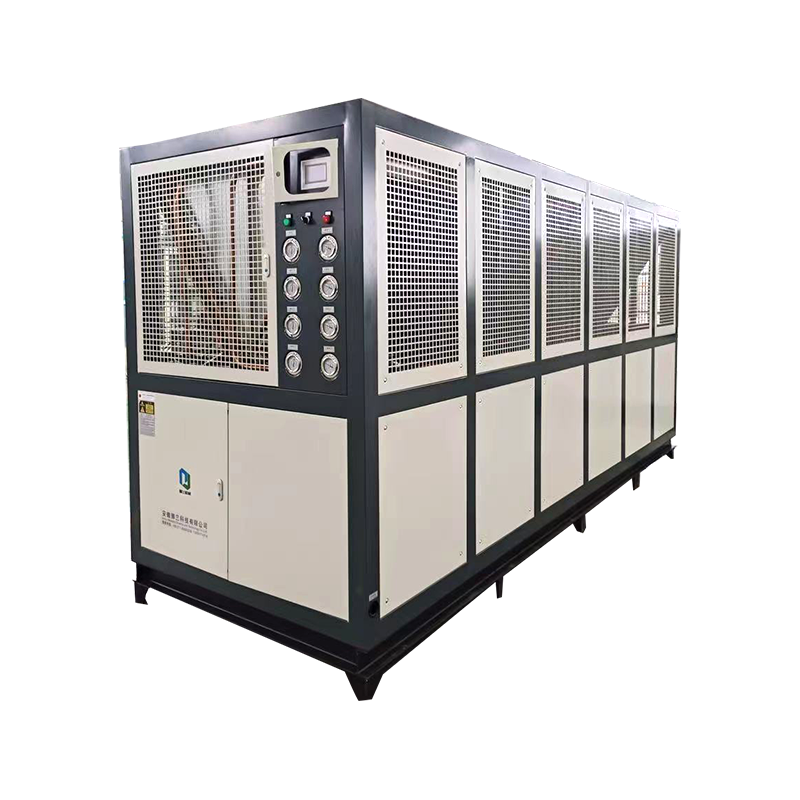
Industrial chillers are a primary option for applications that require continuous heat removal and controlled coolant temperatures. A customized industrial cooling system can be configured around the required cooling capacity, operating temperature, heat transfer method, and production environment. Depending on project requirements, the equipment may use air-cooled or water-cooled configurations, screw refrigeration technology, or other suitable refrigeration arrangements.
Air-cooled chillers can simplify installation where cooling water infrastructure is limited. Water-cooled systems may be suitable for facilities with appropriate water circulation and heat rejection arrangements. Screw chillers can be considered for applications requiring substantial cooling capacity and continuous industrial operation. The appropriate configuration depends on site conditions and the actual process load.
A properly selected custom industrial cooling system also considers compressor operation, heat exchanger performance, coolant circulation, maintenance access, and temperature control accuracy. These factors help reduce unnecessary cycling and support dependable operation under changing production conditions.
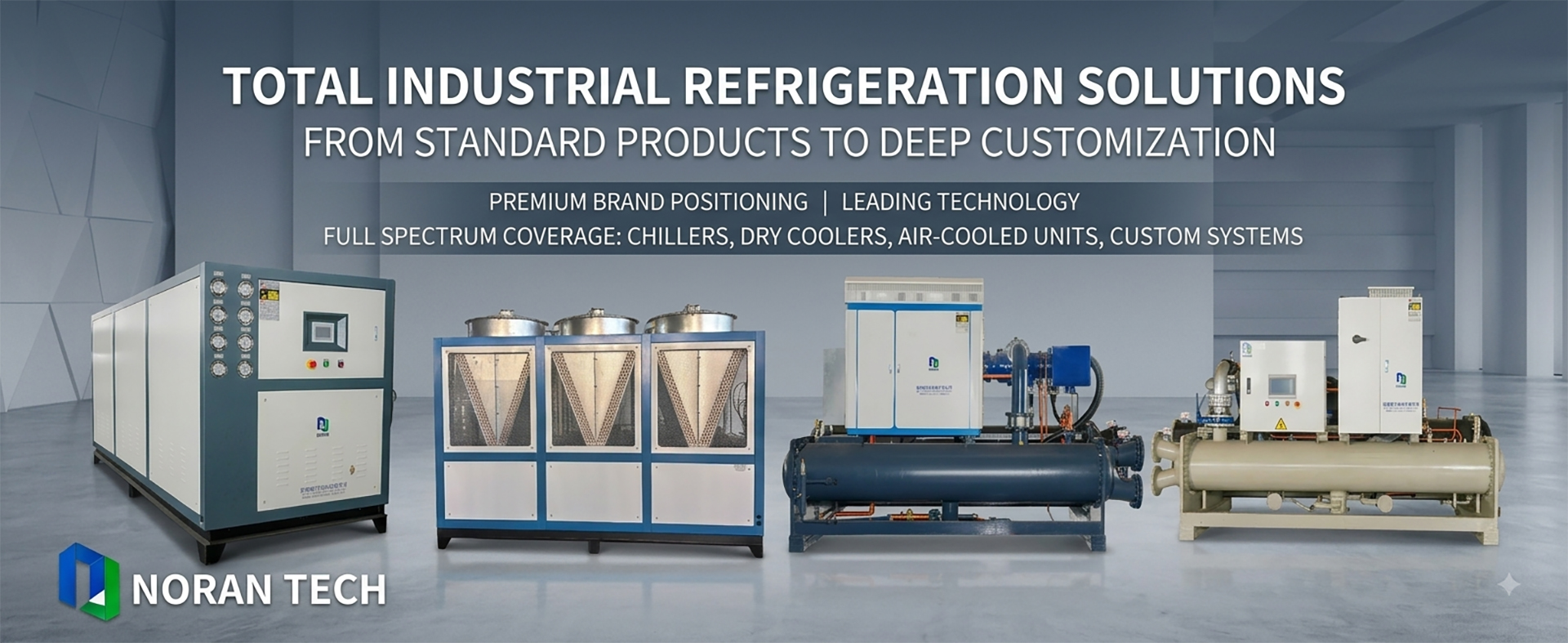
Typical applications include plastics processing, industrial painting, powder coating, and large production lines where equipment generates sustained heat. For these facilities, Noran develops industrial refrigeration equipment and tailored temperature control solutions based on process requirements. Its product range includes industrial chillers, air cooling systems, and screw chillers, allowing cooling configurations to be selected according to project needs.
3. Low-Temperature Refrigeration for Specialized Processes
Some industrial applications require coolant temperatures below the normal range of standard process chillers. Low-temperature refrigeration units are designed for these specialized requirements, supporting processes in which cooling performance depends on maintaining sufficiently low and stable temperatures. A custom industrial cooling system designed for low-temperature service must account for refrigeration operating limits, insulation, coolant properties, and the thermal characteristics of the application.
Low-temperature systems differ from conventional chillers because their operating conditions can place greater demands on refrigeration components and heat exchange arrangements. Equipment selection should therefore consider the required supply temperature, return temperature, operating duration, and expected load variation. Appropriate protection and monitoring functions are also important for maintaining stable operation.
These systems can support chemical processing, pharmaceutical production, specialized manufacturing, and other applications where temperature requirements exceed the capabilities of standard cooling equipment. A suitable industrial process cooling system should be evaluated against the actual process conditions rather than selected solely by its advertised temperature range.
Noran provides low-temperature refrigeration units and customized cooling solutions for industrial customers. By considering temperature requirements, operating environments, and installation conditions, the company can help identify an appropriate equipment configuration. Final selection should be based on verified project specifications and the compatibility of the proposed system with the production process.
4. Integrated Cooling and Heat Recovery Systems
In high-density facilities, overheating may involve several connected production units rather than a single machine. Integrated cooling arrangements coordinate refrigeration equipment, circulation components, monitoring devices, and temperature regulation to deliver cooling where it is required. An industrial process cooling system can be configured to support multiple heat sources while maintaining the operating conditions needed by individual processes.
Heat recovery is another consideration for facilities seeking to improve overall energy utilization. Instead of rejecting all available heat, a heat recovery system may capture usable thermal energy for a compatible application. Its practical value depends on the temperature and consistency of the recovered heat, the facility's demand for that energy, and the feasibility of integrating recovery equipment into the existing installation.
Integrated configurations can be useful in chemical plants, industrial manufacturing facilities, and large projects with interconnected thermal loads. Compared with standalone equipment, they may offer better coordination between cooling demand and system operation. However, their design requires careful assessment of piping layouts, control priorities, maintenance requirements, and the consequences of individual component failure.
Noran manufactures heat recovery systems and customized refrigeration equipment alongside conventional and low-temperature chillers. Its engineering approach considers the customer's operating requirements and installation conditions, helping establish a practical configuration for each project. Where heat recovery is technically suitable, it can form part of a broader industrial process cooling system strategy.
5. Comparing Cooling Equipment for Different Applications
Selecting equipment for a high-density system requires a comparison of functional requirements rather than a general ranking of product types. Each category serves a different purpose, and the final configuration should reflect the process temperature, heat load, site infrastructure, and required control performance.
| Equipment category | Primary function | Typical applications | Main selection factors |
| Industrial chillers | Continuous process heat removal | Plastics, coating, manufacturing | Cooling capacity, ambient conditions, coolant temperature |
| Screw chillers | Cooling for demanding industrial loads | Large production systems | Load profile, operating hours, service requirements |
| Low-temperature units | Cooling below conventional process requirements | Chemical and specialized manufacturing processes | Required temperature, insulation, coolant compatibility |
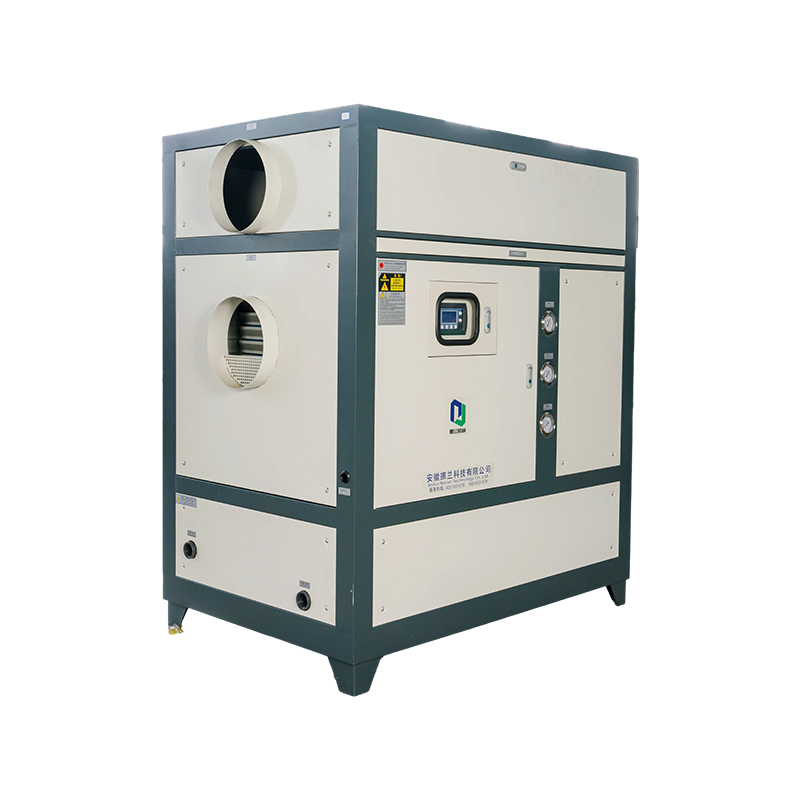
| Air cooling systems | Heat removal through air-based arrangements | Suitable equipment and production environments | Airflow, ambient temperature, available space |
| Heat recovery systems | Capture of usable thermal energy | Facilities with compatible heat demand | Heat availability, temperature level, integration needs |
The table provides a general selection framework rather than fixed performance specifications. Actual cooling capacity, achievable temperatures, and energy performance depend on the selected equipment and site conditions. A custom cooling solution should therefore be supported by a technical assessment before equipment is finalized.
6. How to Develop an Effective Customized Cooling Solution
A reliable cooling project begins with a clear understanding of production requirements. The equipment supplier and customer should establish the process objectives, identify the limitations of the existing installation, and evaluate the consequences of temperature instability. A structured engineering process reduces the risk of selecting equipment that cannot perform as required.
The following steps provide a practical starting point for developing a suitable solution:
- Identify heat sources, operating schedules, and the cooling demands of each production unit.
- Confirm the required coolant supply temperature, return conditions, flow requirements, and acceptable temperature variation.
- Assess installation space, ambient conditions, power availability, piping routes, and maintenance access.
- Compare suitable chiller configurations, refrigeration technologies, and heat recovery opportunities.
- Define monitoring, alarms, control functions, and protective measures for abnormal operating conditions.
- Verify the proposed configuration against project specifications before installation and commissioning.
These steps help establish an industrial temperature control solution that reflects real operating conditions. For projects with complex thermal demands, an experienced custom industrial cooling system manufacturer can help evaluate equipment combinations and integration requirements. The final design should prioritize stable operation, maintainability, and appropriate energy use rather than relying on nominal capacity alone.
7. Noran's Capabilities in Industrial Refrigeration
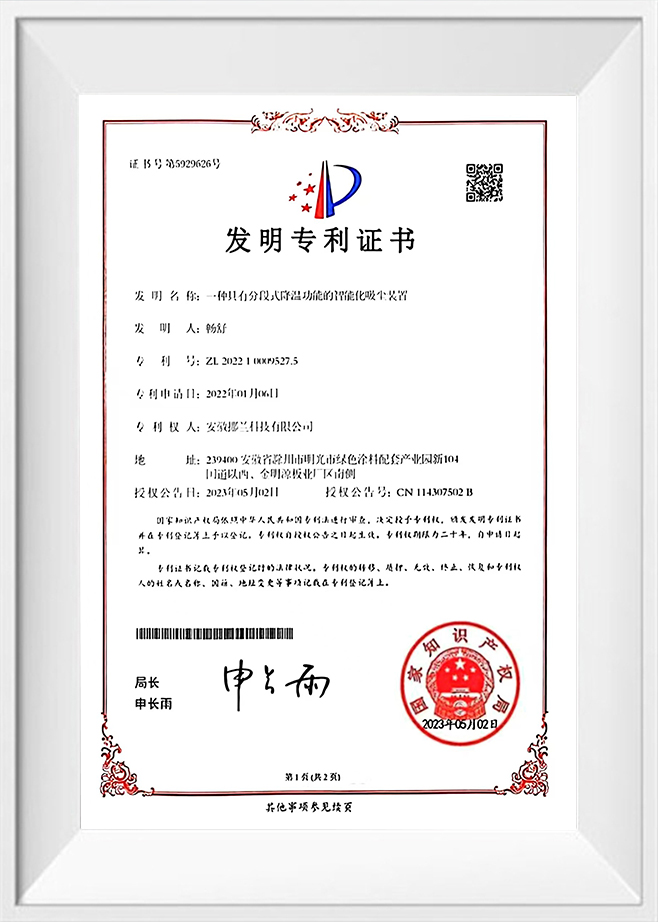
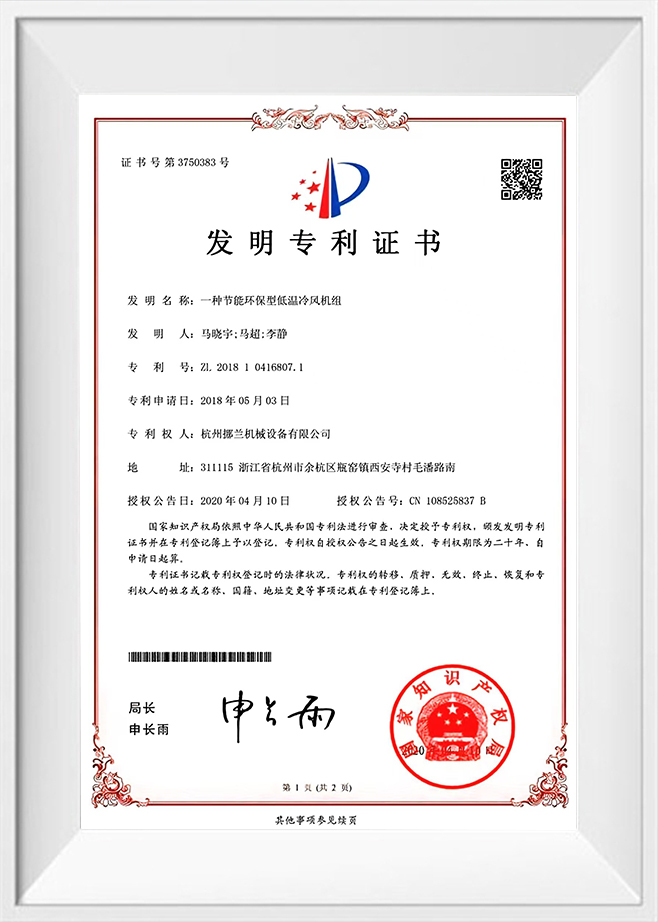
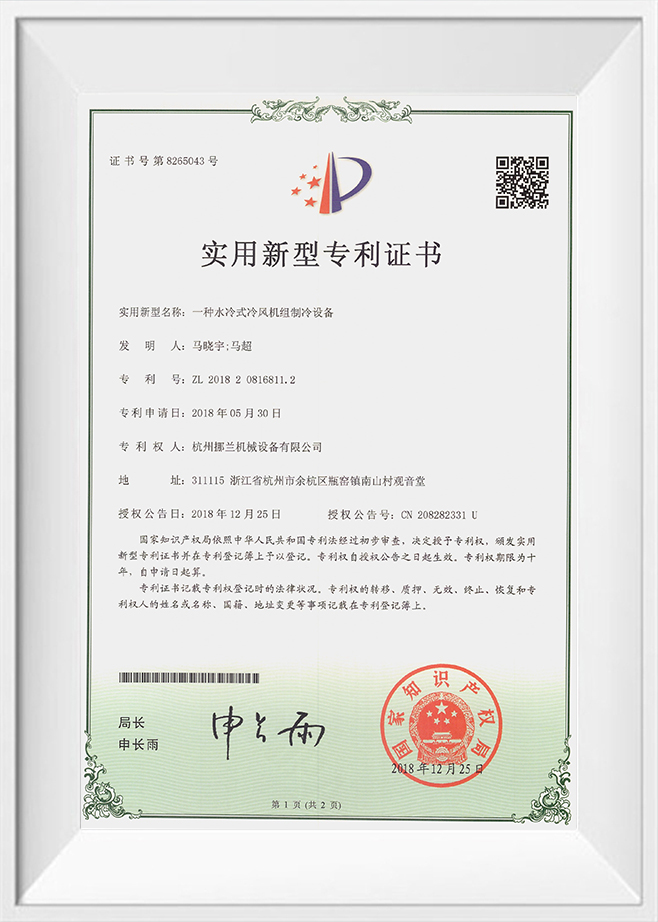
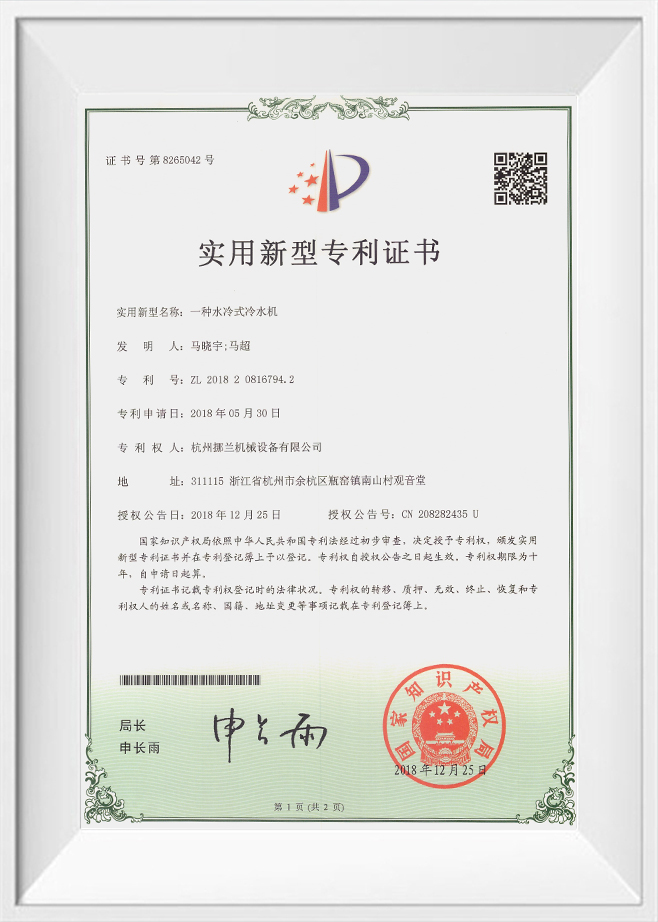
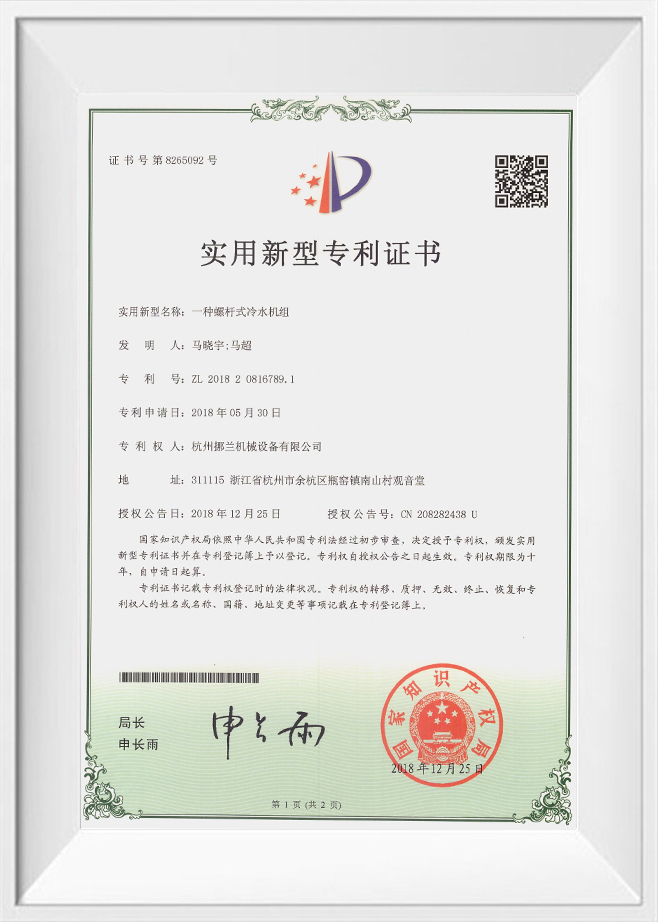
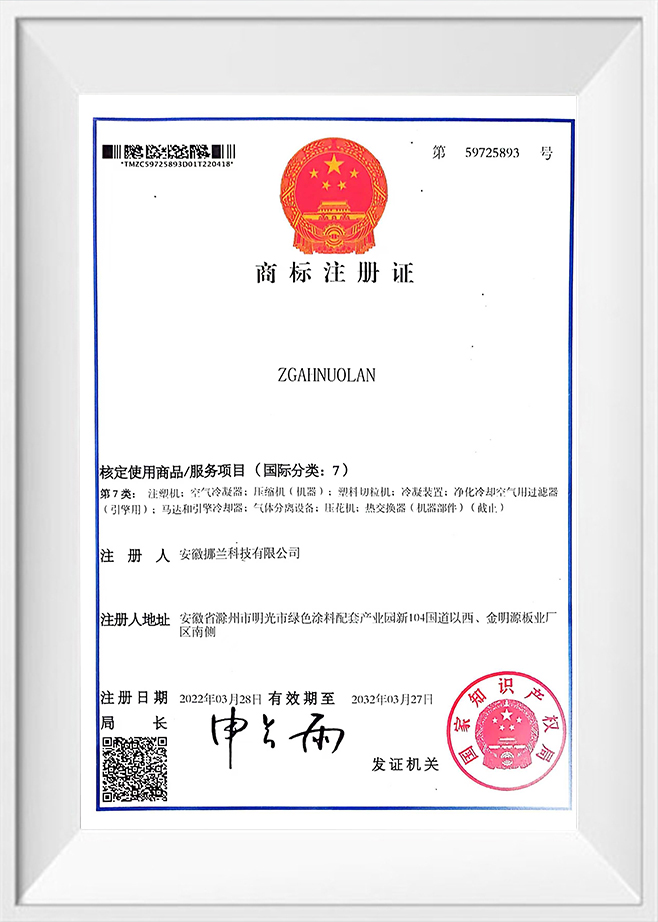
Founded in 2014 in Hangzhou, Noran has developed its business around industrial refrigeration equipment and customized temperature control solutions. In 2021, the company moved to Anhui and established Anhui Noran Technology Co., Ltd., with an approximately 33,000-square-meter production base in Mingguang City. Hangzhou Noran and Anhui Noran work together to provide integrated refrigeration solutions for industrial customers.
Its product portfolio includes industrial chillers, air cooling systems, screw chillers, low-temperature refrigeration units, heat recovery systems, and explosion-proof refrigeration equipment. These categories address different operating requirements, allowing solutions to be considered for plastics, powder coating, electronics and photovoltaics, pharmaceuticals, chemicals, industrial painting, and large-scale industrial projects.
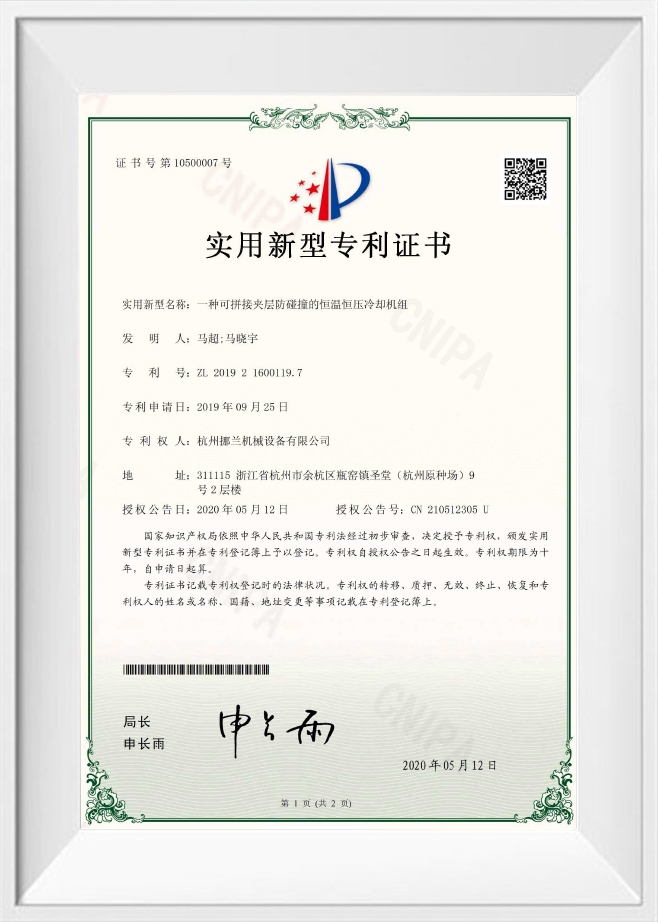
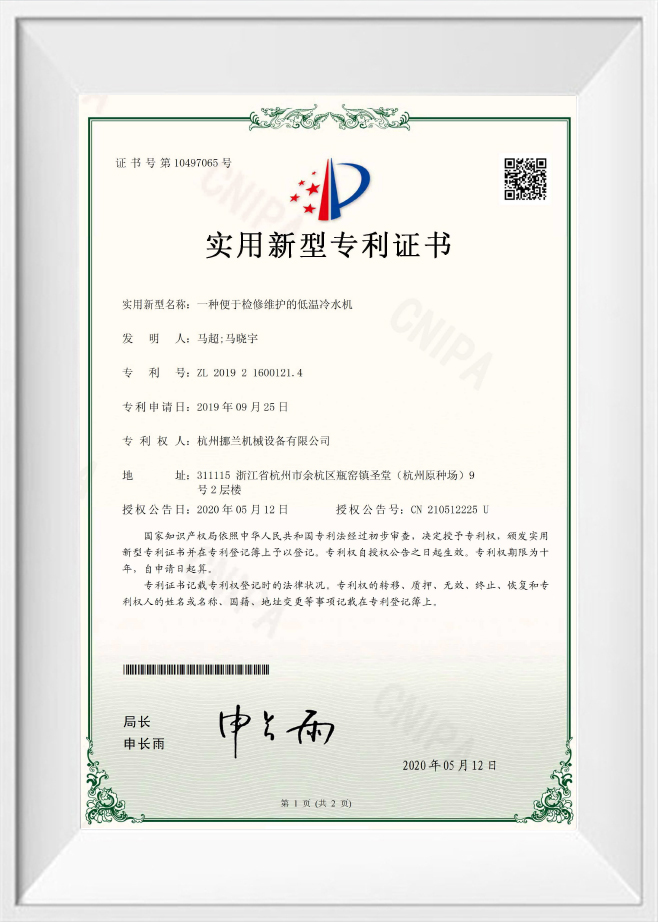
Noran's customized approach takes into account cooling capacity, temperature accuracy, operating environment, and installation conditions. Its focus on research and development, energy-saving refrigeration technologies, intelligent temperature control, and system integration supports the development of application-oriented equipment configurations. For customers whose requirements cannot be met by standard machines, this approach provides a basis for evaluating a more suitable industrial process cooling system.
When evaluating a custom industrial cooling system, customers should provide accurate process information and confirm the technical scope with the supplier. Clear specifications help align equipment selection, control functions, installation planning, and project delivery. Noran's manufacturing and engineering capabilities provide a foundation for assessing these requirements and developing practical cooling arrangements for industrial applications.
Frequently Asked Questions
Q1: Why can a standard chiller fail to solve overheating in a high-density system?
A standard chiller may not match the actual heat load, temperature accuracy, ambient conditions, or installation constraints. A customized design evaluates these factors together to improve compatibility with the production process.
Q2: When is a low-temperature refrigeration unit necessary?
A low-temperature unit may be appropriate when the required process temperature falls below the practical operating range of conventional chillers. The selection should account for the target temperature, coolant properties, insulation, and operating conditions.
Q3: What information is needed to design a customized cooling system?
Important information includes the heat load, required supply and return temperatures, coolant flow requirements, operating schedule, ambient conditions, installation space, available utilities, and control requirements. Existing equipment information can also help determine whether integration is practical.
Q4: Can heat recovery be combined with industrial cooling equipment?
Yes. Heat recovery may be integrated when usable heat is available and a compatible thermal demand exists. Feasibility depends on heat availability, temperature levels, operating schedules, and the proposed system arrangement.
Q5: How does Noran support customized industrial cooling projects?
Noran provides industrial refrigeration equipment and customized temperature control solutions based on project requirements. Its product range and manufacturing capabilities support the assessment of cooling capacity, temperature conditions, operating environments, and installation constraints for different industrial applications.
Ultimately, preventing overheating in high-density industrial systems requires more than increasing cooling capacity. It requires matching the refrigeration technology, heat transfer arrangement, and control strategy to the actual process. With a carefully specified solution, manufacturers can improve temperature stability, support production reliability, and establish a more practical foundation for long-term industrial operation.


