
 English
  Français
  Español
  Português
  عربى
عربى  Türk
Türk  हिंदी
हिंदी 



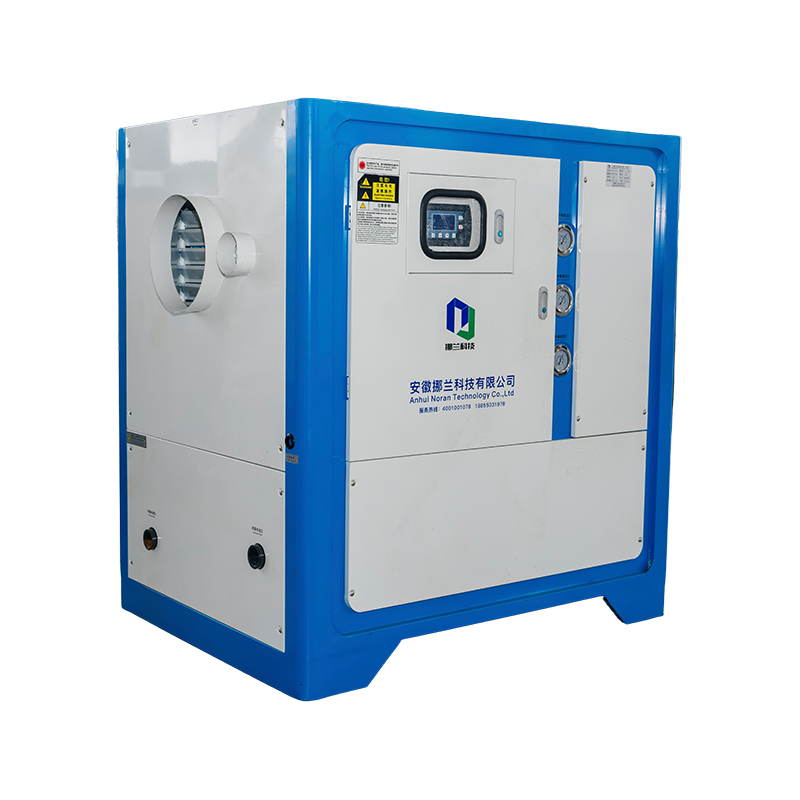
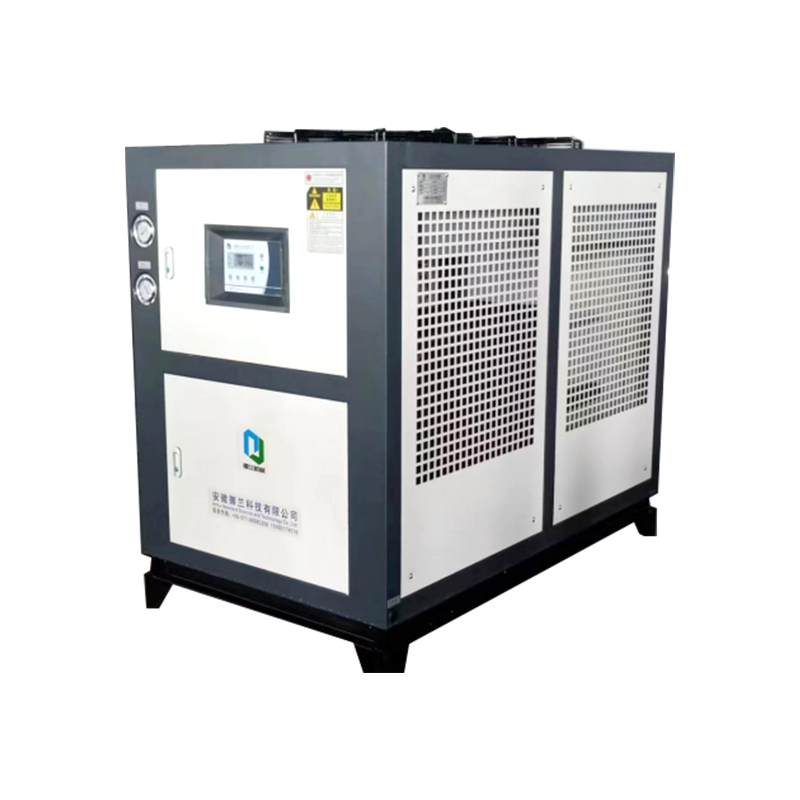
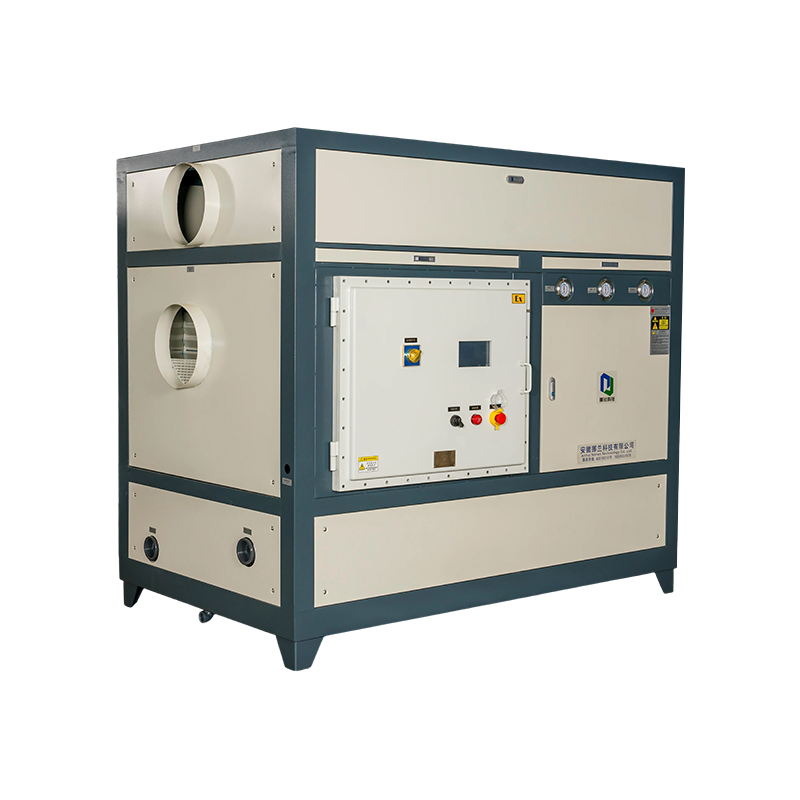
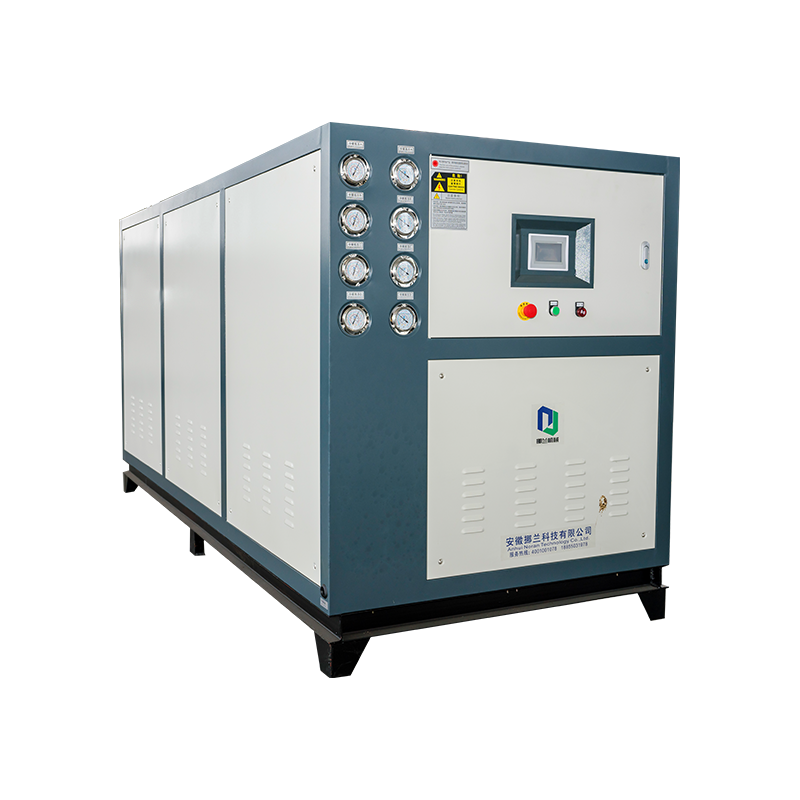















When Air Cooling Fails: Why Water Cooled Industrial Units Are the Answer
Maintaining stable temperatures in industrial environments can be challenging when equipment generates continuous heat, production processes release airborne particles, or outdoor conditions affect cooling performance. In facilities such as powder coating workshops, manufacturing plants, and cold storage areas, conventional air cooling may not always deliver the temperature stability required for reliable operation. Choosing the right cooling equipment requires an understanding of heat loads, airflow conditions, environmental factors, and filtration requirements.
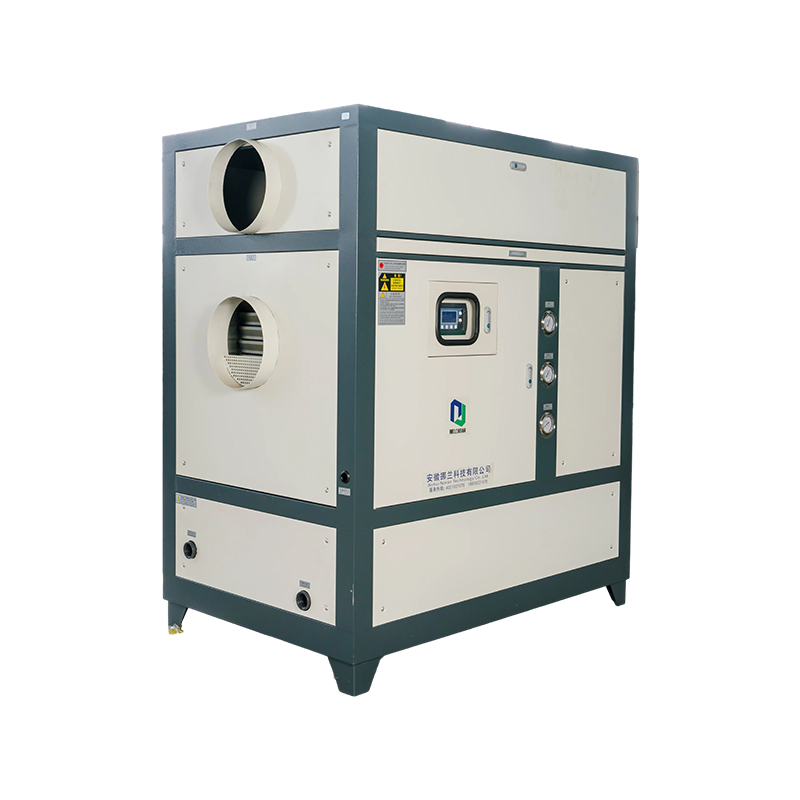
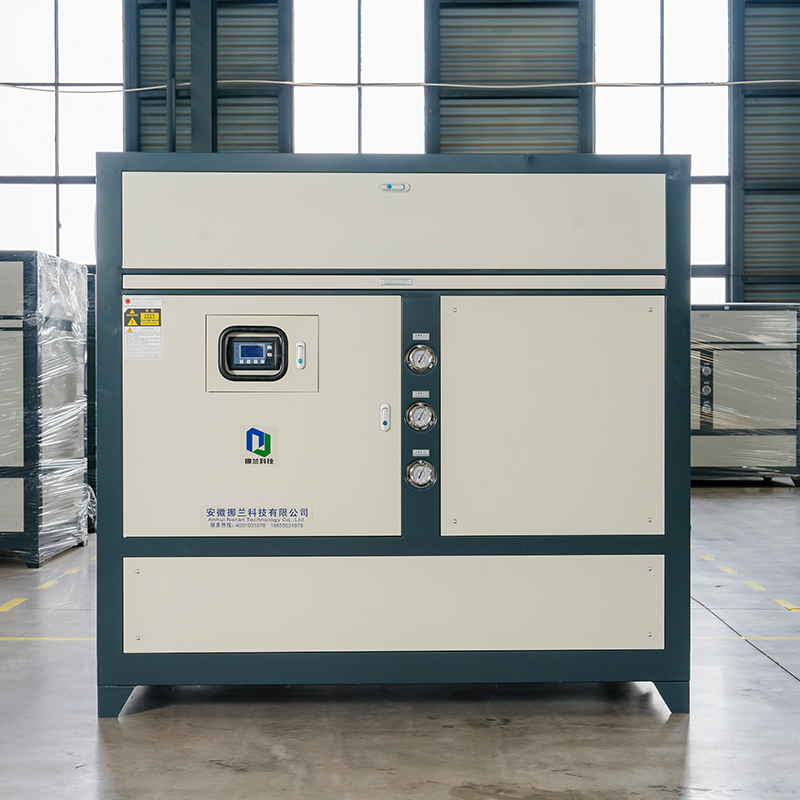
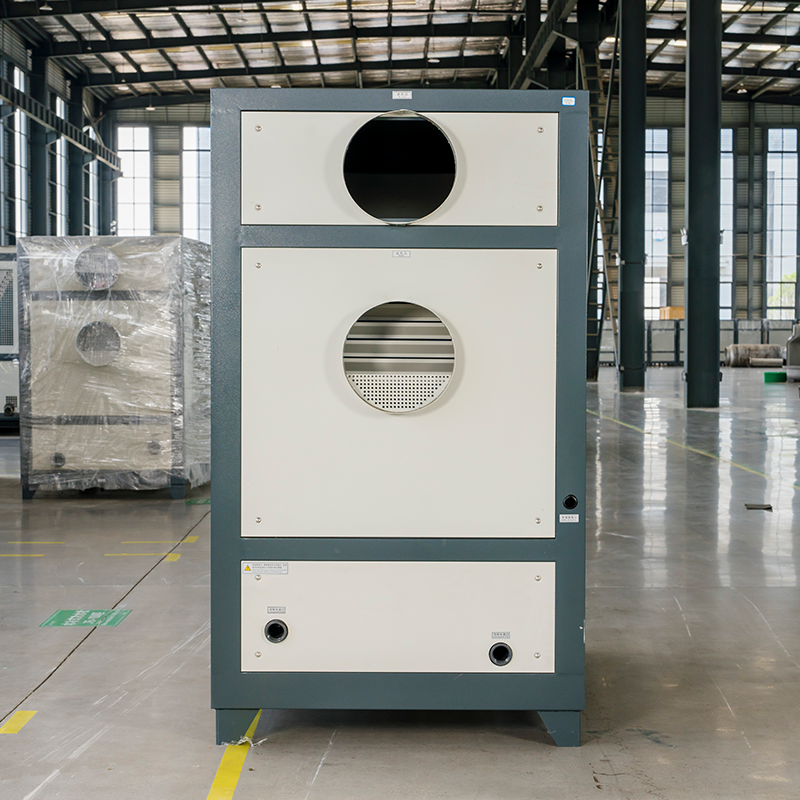
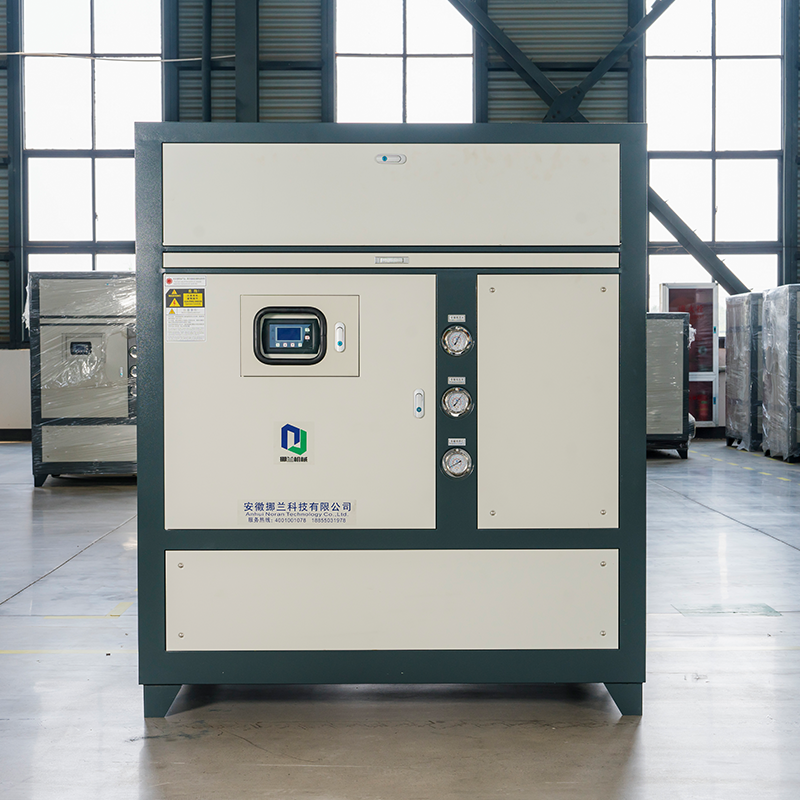
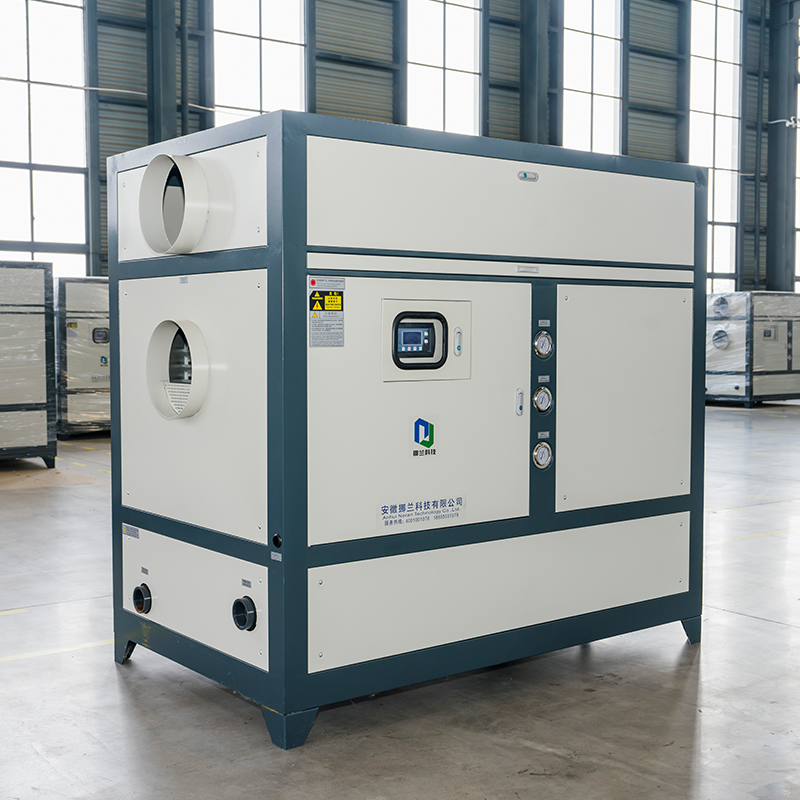
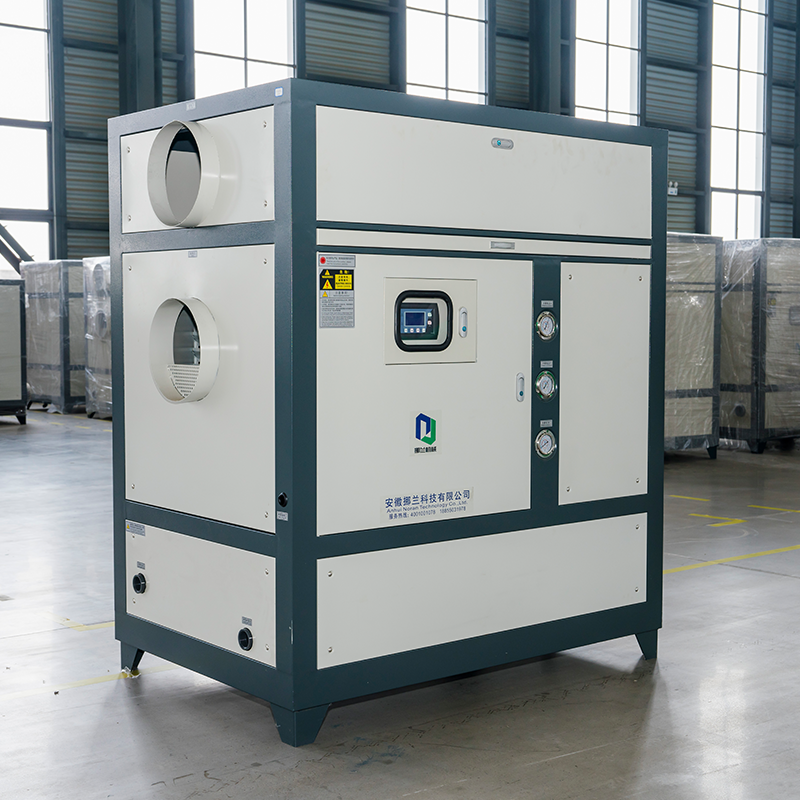
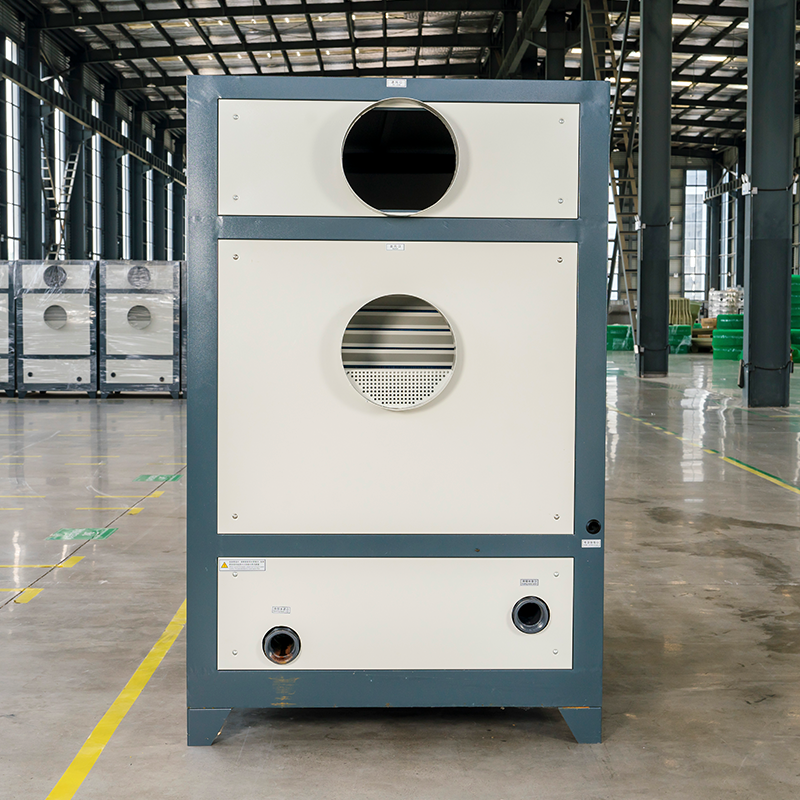
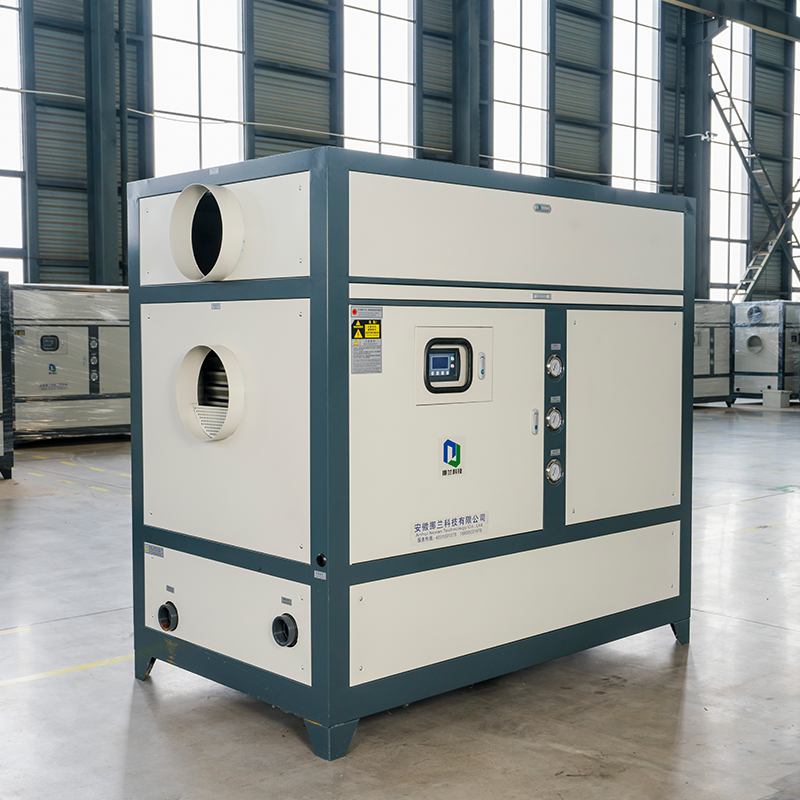
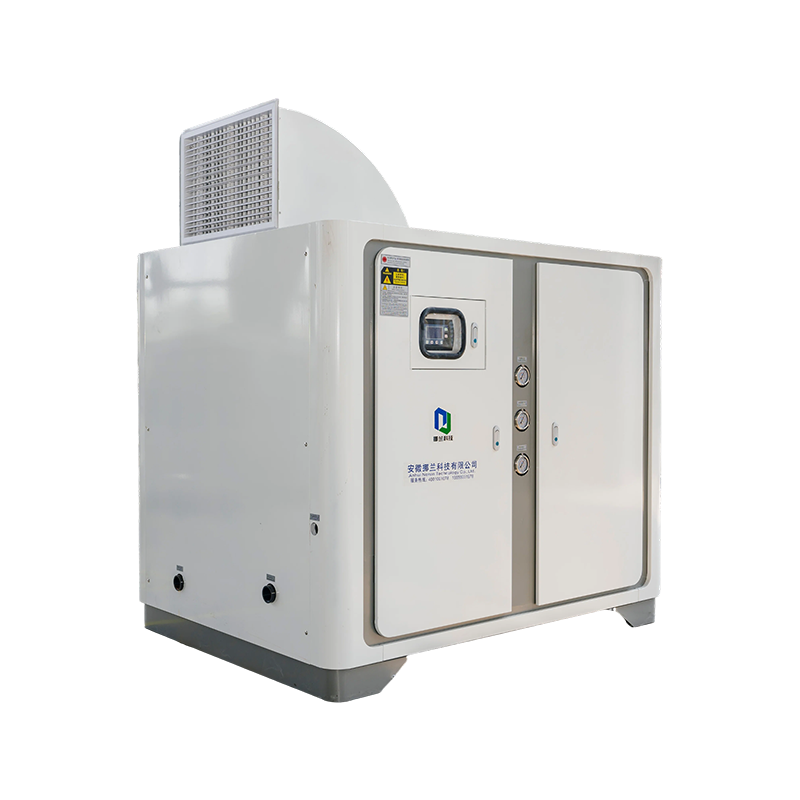
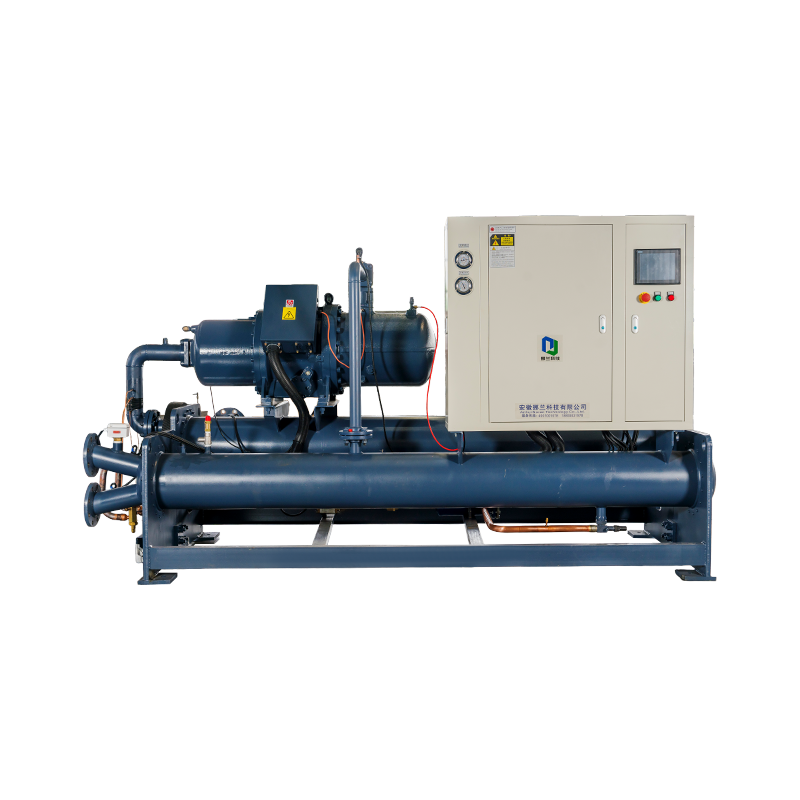
A water-cooled unit cooler uses chilled water circulation for heat exchange, providing stable low-temperature air for cold storage and industrial spaces. It is particularly suitable for applications that require precise temperature control. However, water-cooled refrigeration equipment and industrial air cooling equipment with dust filtration serve different purposes. Understanding their operating principles helps businesses select an appropriate solution instead of relying on a single cooling method for every environment.
Why Conventional Air Cooling May Not Meet Industrial Requirements
Air cooling equipment is widely used in factories because it can provide localized temperature control and support different production layouts. Nevertheless, its performance depends on the surrounding environment, equipment capacity, air circulation, and maintenance conditions. When these factors are not properly considered, a cooling system may struggle to maintain consistent temperatures.
In high-temperature production areas, continuous heat generated by machinery can increase the cooling load. Dust from raw materials, packaging, and manufacturing processes may also accumulate on filters and heat exchange surfaces. Restricted airflow can reduce heat transfer efficiency and increase the frequency of maintenance.
A suitable industrial air cooler with dust filter can help reduce airborne particles entering the cooling airflow, provided that the filtration system is designed for the actual dust characteristics. It should not, however, be treated as a universal solution for every industrial environment. Water-cooled equipment may be more appropriate where stable chilled-water circulation and controlled low-temperature air are the main requirements.
Understanding Water-Cooled Unit Coolers
A water-cooled unit cooler uses chilled water as the heat-transfer medium. Warm air passes across the unit's heat exchange surface, and heat is transferred to the circulating chilled water. The cooled air is then returned to the designated space to support temperature control.
This approach is useful in cold storage facilities and industrial spaces where a stable cooling environment is important. System performance depends on factors such as chilled-water temperature, water flow, heat exchanger capacity, airflow distribution, and the thermal load of the room.
Unlike a standalone air cooler, a water-cooled unit cooler works as part of a larger refrigeration arrangement. The chilled-water source must be properly matched to the unit, and the complete system should be selected according to the required operating temperature and application conditions.
| Selection Factor | Water-Cooled Unit Cooler | Air Cooling with Dust Filtration |
|---|---|---|
| Primary purpose | Provides cooled air using chilled-water heat exchange | Provides air cooling while reducing airborne particles |
| Main system requirement | Compatible chilled-water supply and circulation | Suitable airflow, cooling capacity, and filtration design |
| Typical application | Cold storage and temperature-controlled industrial spaces | Selected workshops and production areas with airborne dust |
| Key maintenance focus | Heat exchange surfaces, water circulation, and drainage where applicable | Filter condition, airflow resistance, and heat exchange surfaces |
| Important limitation | Requires a suitable chilled-water system | Filtration performance depends on particle size, filter type, and operating conditions |
Industrial Cooling for Dusty Production Environments
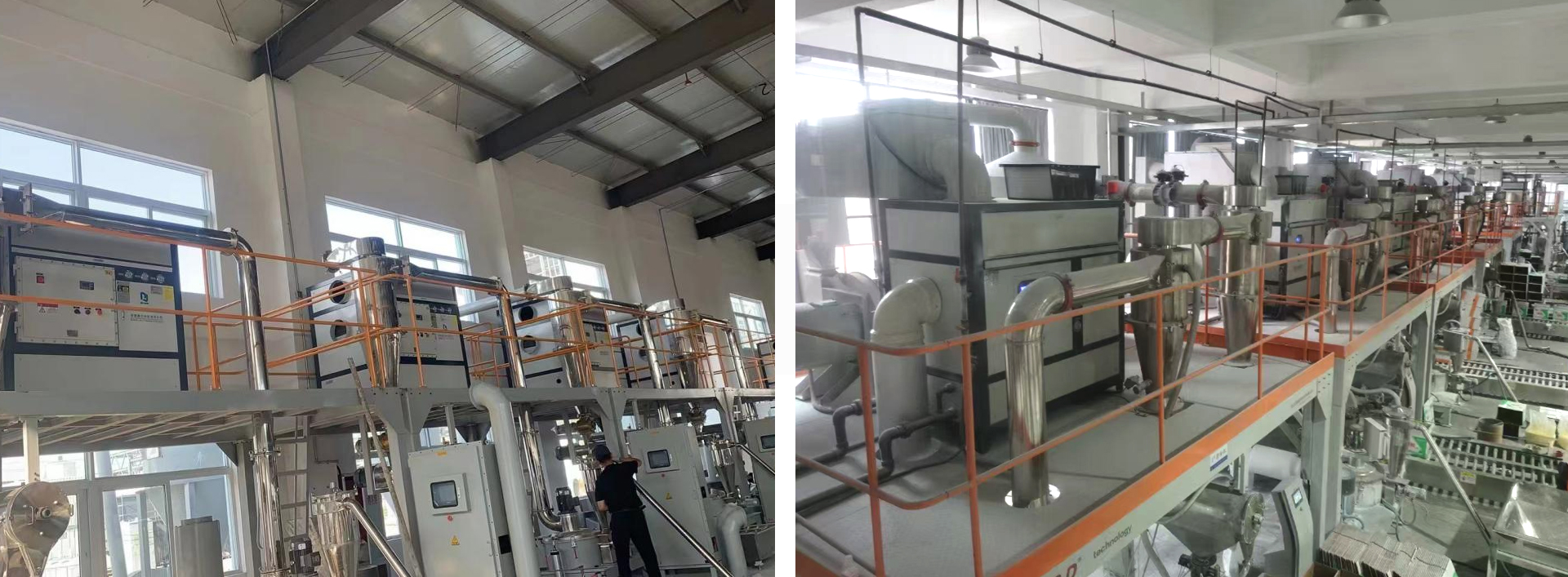
Dust-producing operations introduce additional challenges for industrial temperature control. Fine particles can settle on equipment, enter ventilation paths, and increase the maintenance burden. Powder handling, material transfer, and certain finishing processes may require cooling equipment to operate alongside a separately designed dust collection or air filtration system.
An industrial air cooler with dust filter may be appropriate when the application requires cooling and filtration of the air passing through the unit. The filter must be selected according to the expected particle size, dust concentration, airflow rate, and acceptable pressure drop. Filter loading should also be considered because accumulated particles can restrict airflow and reduce cooling performance.
For a factory air cooler with dust filter, the location of the equipment is another important consideration. Placing a unit near a dust source without appropriate protection may cause rapid filter blockage. A practical design should consider the direction of dust movement, the location of heat-generating equipment, worker activity, and access for routine servicing.
- Identify the main heat sources and estimate the required cooling capacity.
- Determine the type, concentration, and likely accumulation rate of airborne particles.
- Select filtration equipment based on the actual application rather than relying on a generic filter specification.
- Provide sufficient access for filter replacement, cleaning, and equipment inspection.
- Evaluate whether the process requires chilled-water cooling, direct air cooling, or a combination of separate systems.
Cooling Considerations for Powder Coating and Powder Processing
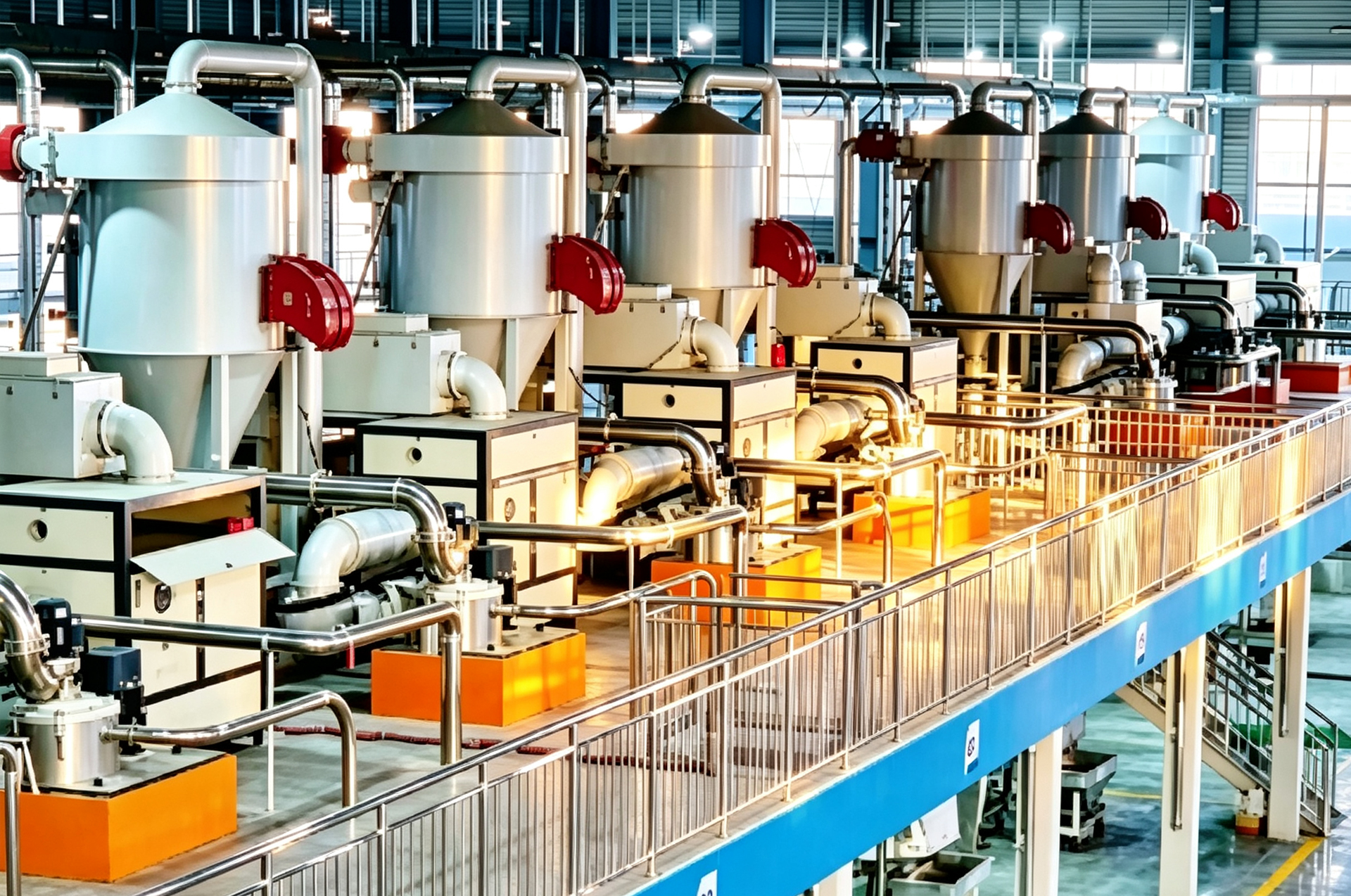
Powder coating workshops and powder processing facilities may experience both elevated temperatures and airborne particles. These conditions make cooling system selection more complex than simply choosing a unit with a high airflow rating. The required solution depends on the production process, the distribution of heat, the properties of the powder, and the safety requirements of the facility.
A dust filtration air cooling system can be considered when the objective is to cool a defined area while filtering the air passing through the cooling equipment. However, general-purpose filters should not be assumed to provide the specialized protection needed for combustible dust or hazardous atmospheres. Where combustible powder may be present, the equipment layout, dust collection method, electrical components, and applicable safety requirements must be assessed by qualified professionals.
A search for an air cooler with dust filter for powder worshops often reflects a need to manage temperature and airborne particles at the same time. The final design should distinguish between comfort or process cooling and the dedicated extraction systems needed to control dust at its source.
Similarly, a dust-filting air cooler for powder coating should not be selected based on the filter alone. Cooling capacity, airflow direction, environmental conditions, maintenance access, and compatibility with the workshop's safety design all require attention. In some facilities, a separate industrial cooling unit combined with dedicated dust extraction is more appropriate than integrating every function into one device.
Choosing the Right Cooling Product for Your Facility
Selecting industrial cooling equipment starts with the intended operating conditions. A water-cooled unit cooler is a practical option when chilled-water circulation is available and the application requires controlled low-temperature air. Where the primary challenge is airborne dust in a production area, a filtered air cooling arrangement may be more relevant. These products should not be considered interchangeable because their heat-transfer methods and system requirements differ.
- Define the temperature target. Record the required operating temperature, acceptable variation, room dimensions, and expected heat load.
- Assess the environment. Identify dust sources, humidity, corrosive substances, installation restrictions, and any special safety requirements.
- Choose the cooling method. Determine whether the facility needs a chilled-water unit cooler, an air cooling unit with filtration, or a combination of separate systems.
- Confirm system compatibility. Check water supply conditions, airflow requirements, electrical arrangements, drainage needs, and available installation space.
- Plan long-term maintenance. Review cleaning intervals, filter replacement access, spare parts availability, and the maintenance resources required by the facility.
Businesses comparing an industrial air cooler with dust filter manufacturer should review the supplier's ability to understand the application, recommend suitable equipment, and provide technical support. Product selection should be based on documented specifications and operating requirements rather than general claims about cooling performance.
A reliable dust filtration air cooler supplier should be able to discuss filter selection, expected airflow, cleaning requirements, and compatibility with the intended working environment. If the application involves powder coating or other potentially hazardous dust, the supplier's recommendations should be checked against the facility's safety requirements and relevant engineering assessments.
Product Solution: Water-Cooled Unit Cooler for Temperature Control
For cold storage and industrial spaces that require stable low-temperature air, a water-cooled unit cooler can form part of a chilled-water cooling arrangement. Its suitability depends on the target temperature, cooling load, chilled-water conditions, and the airflow required to distribute cooling throughout the space.
When evaluating an industrial air cooler with dust filter, it is important to confirm whether filtration is a required feature of the actual product or whether dust control will be provided by a separate system. A water-cooled unit cooler should be chosen for its intended heat exchange and temperature-control role, rather than assumed to include dust filtration unless the product specifications explicitly state so.
An industrial refrigeration solution should be evaluated as a complete system. Correct equipment matching, suitable installation, and planned maintenance all contribute to dependable operation. Where the facility has multiple temperature zones or demanding process requirements, a technical assessment can help determine the appropriate equipment arrangement.
For product details, review the industrial air cooler with dust filter product page and verify the listed specifications against your application. The linked page should be checked to ensure that its actual product features match the filtration requirements of your project.
Maintenance Practices for Reliable Cooling Performance
Regular maintenance helps preserve cooling performance and identify developing problems before they interrupt production. The maintenance plan should match the type of equipment installed and the conditions in which it operates.
- Inspect heat exchange surfaces for dust, deposits, or other contamination.
- For chilled-water equipment, check the water circulation system and follow the manufacturer's inspection and water-quality recommendations.
- For filtered air cooling equipment, inspect filters and replace or clean them according to their design and operating conditions.
- Check fans, electrical connections, drainage arrangements, and abnormal noise or vibration.
- Record operating temperatures and maintenance activities to identify performance changes over time.
Maintenance should be performed according to the equipment manufacturer's instructions and the site's safety procedures. In dusty or potentially hazardous production areas, cleaning methods and maintenance activities must also account for the characteristics of the materials being processed.
When dust exposure is a concern, buyers should distinguish an industrial air cooler dust filter arrangement from an air cooler with dust filtration and confirm how filtration is integrated into the overall installation. An industrial air cooling with dust filter setup should be evaluated against the type and concentration of airborne particles, cleaning requirements, airflow needs, and any separate extraction or safety measures required by the process.
Dust Filtration, Airflow Resistance, and Process Safety
A dust filter changes the air-side resistance of a cooling unit, so filtration should be selected together with the fan and coil rather than added as an afterthought. The design review should identify the particle type, expected dust loading, cleaning method, acceptable pressure drop, and required maintenance interval. A filter that becomes loaded can reduce airflow; if the fan cannot overcome the additional resistance, the unit may deliver less cooling air than expected. Ask the supplier how the filter is accessed, inspected, and replaced, and whether the stated performance applies with a clean filter or at a defined operating resistance.
Filtration also has a defined scope. An industrial air cooler with dust filter may protect selected components or reduce the amount of airborne material reaching a coil, but it is not automatically a complete industrial ventilation or dust-collection system. Powder coating and grinding operations may require dedicated capture, conveying, and collection equipment designed for the material and process. OSHA guidance for powder coating specifically addresses ventilation, removal of airborne powder, electrical ignition sources, and housekeeping. Facilities should apply the requirements relevant to their jurisdiction and process, rather than relying on a cooling unit to control a combustible-dust hazard.
Maintenance planning should include coil inspection, filter differential-pressure checks where applicable, cleaning without dispersing accumulated dust, and confirmation that the drain and fan remain unobstructed. Where contamination is sticky, oily, corrosive, or combustible, the cleaning method and component materials should be reviewed before operation. If dust characteristics or the hazardous-area classification are uncertain, involve the site's safety and process specialists before specifying the equipment.
- Define the contaminant and required filtration objective; do not specify a filter by name alone.
- Confirm clean-filter and loaded-filter airflow assumptions with the supplier.
- Keep dust collection, ventilation, and cooling functions clearly separated in the equipment scope.
- Establish inspection and cleaning responsibilities before handover.
For additional context, consult the OSHA requirements for spray finishing and powder coating. The applicable legal and engineering requirements depend on the site, materials, and local rules.
Frequently Asked Questions
Q1: What is a water-cooled unit cooler used for?
A water-cooled unit cooler uses chilled-water circulation for heat exchange. It is used in cold storage and industrial spaces where stable low-temperature air and controlled operating conditions are required.
Q2: Does a water-cooled unit cooler automatically include a dust filter?
Not necessarily. Dust filtration depends on the specific product design and configuration. Check the technical documentation to confirm whether filtration is included or whether a separate filtration system is needed.
Q3: Can an industrial air cooler with dust filter be used in a powder coating workshop?
It may be suitable for certain cooling applications, but the choice depends on the dust characteristics, cooling load, airflow, and workshop safety requirements. Dust filtration equipment should not replace dedicated dust extraction or required hazardous-area protection.
Q4: How do I choose an air cooler for factory powder processing cooling?
Start by assessing the heat load, target temperature, powder characteristics, airflow requirements, and safety conditions. Then determine whether a filtered air cooling unit, chilled-water unit cooler, or separate cooling and dust-control systems are appropriate.
Q5: What should I ask a supplier before purchasing industrial cooling equipment?
Ask about cooling capacity, operating conditions, installation requirements, filtration specifications if applicable, maintenance access, and technical support. Request documented specifications and confirm that the proposed equipment matches your facility's actual requirements.
Q6: Is a custom industrial air cooler wtih filter always better than a standard unit?
No. A customized unit can be useful when standard equipment cannot meet specific cooling, filtration, or installation requirements. If a standard product already meets the operating conditions, customization may not be necessary. Compare the technical requirements and lifecycle maintenance needs before deciding.
The most effective industrial cooling solution is the one matched to the facility's actual temperature-control needs, airborne particle conditions, and operating environment. Water-cooled unit coolers can provide stable cooling for suitable chilled-water applications, while filtered air cooling equipment can address specific airflow and particle-control requirements. Careful equipment selection, clear technical specifications, and regular maintenance help support dependable industrial operation.


