
 English
  Français
  Español
  Português
  عربى
عربى  Türk
Türk  हिंदी
हिंदी 

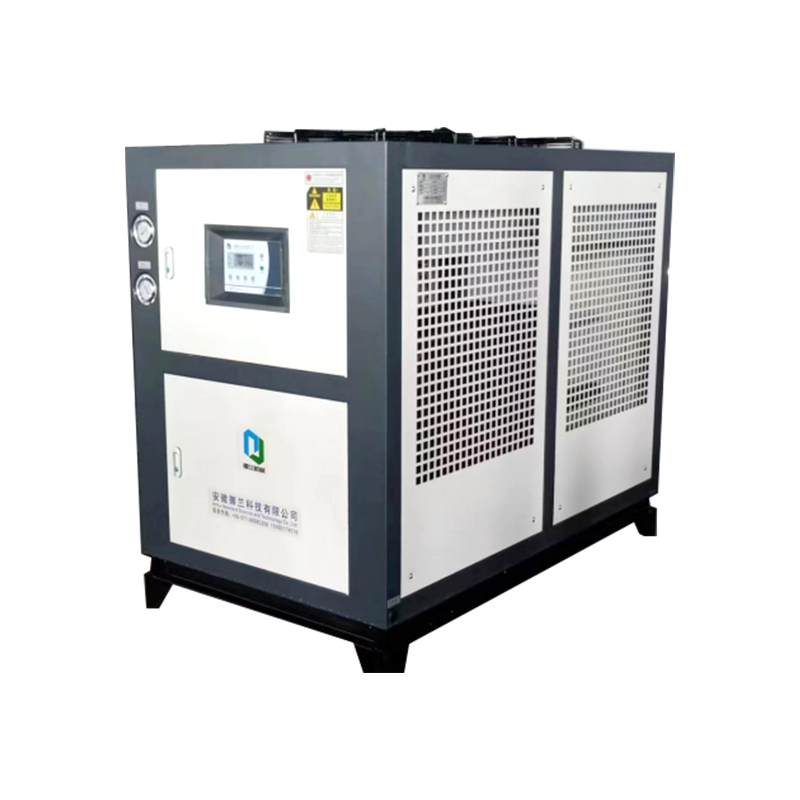
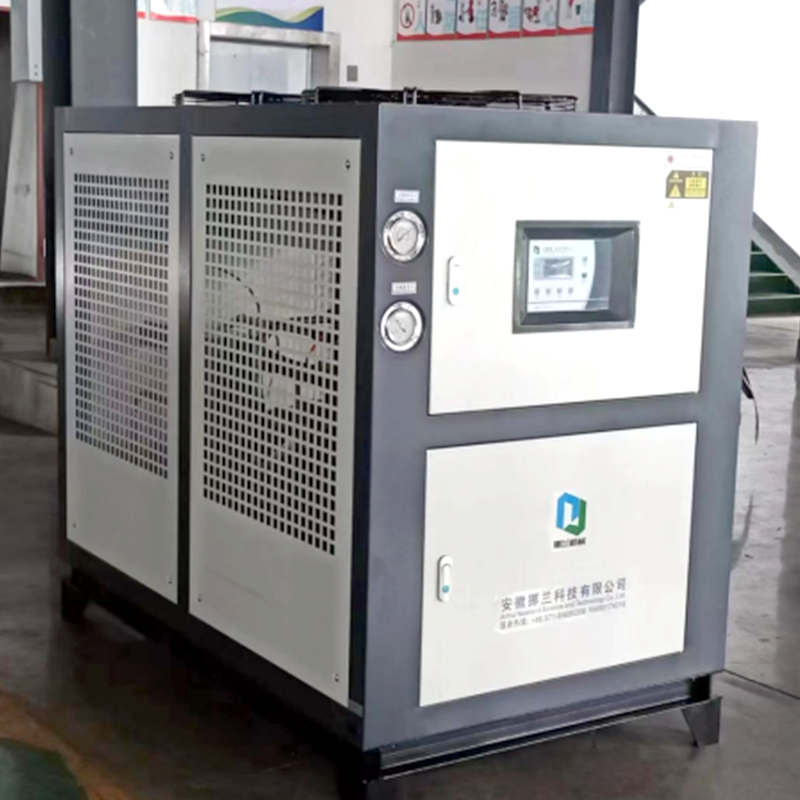
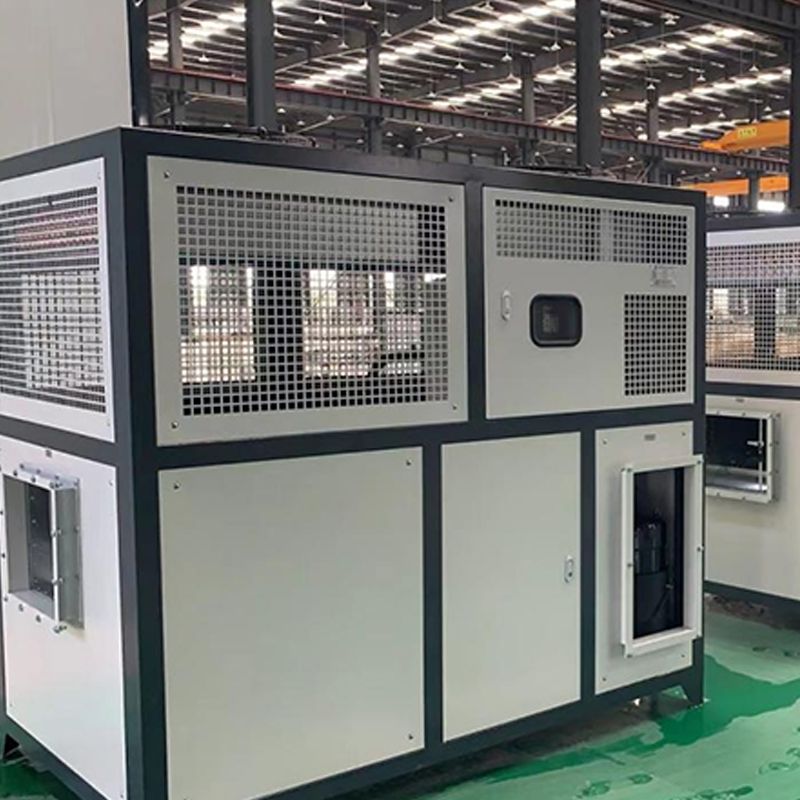
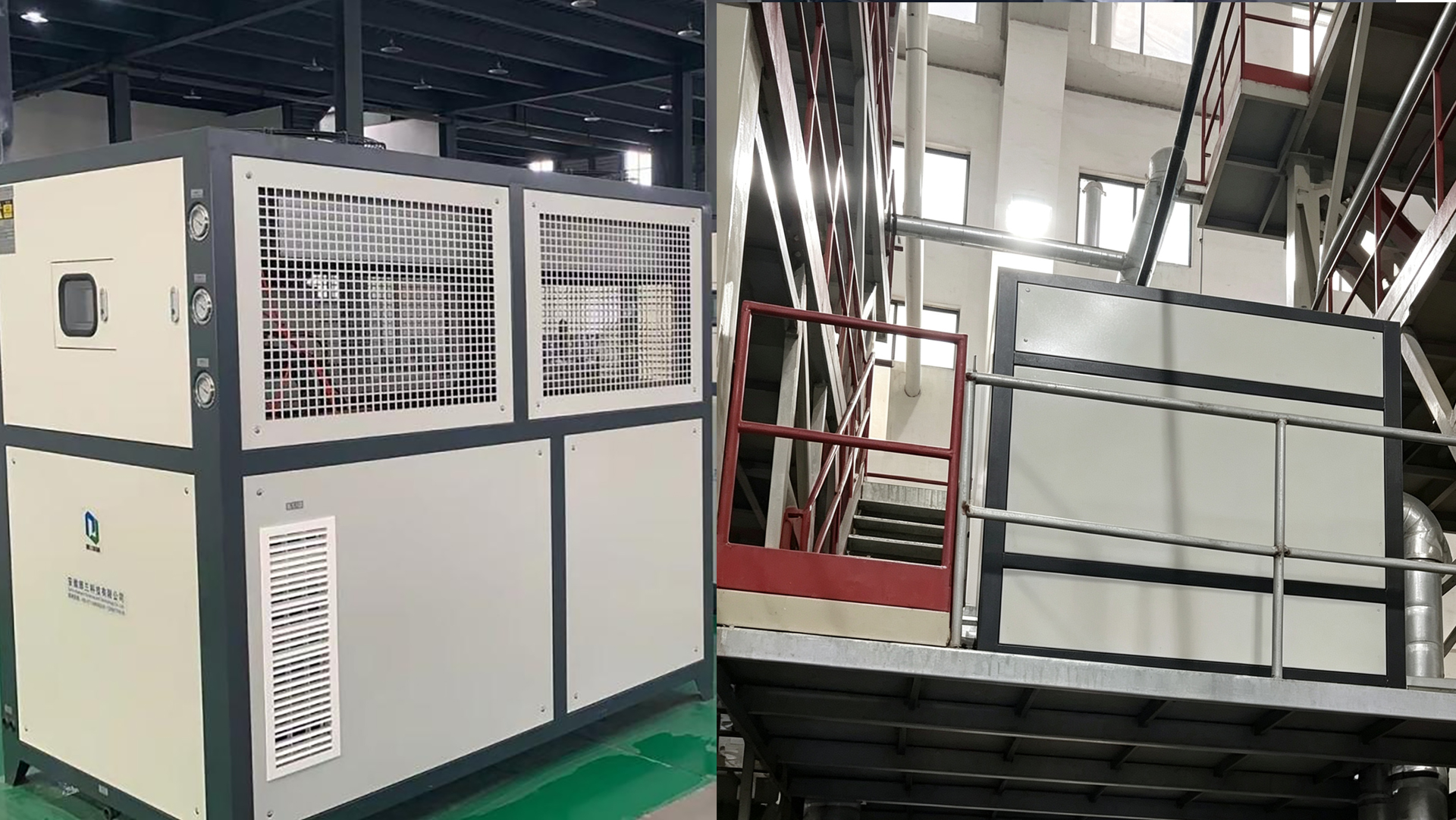
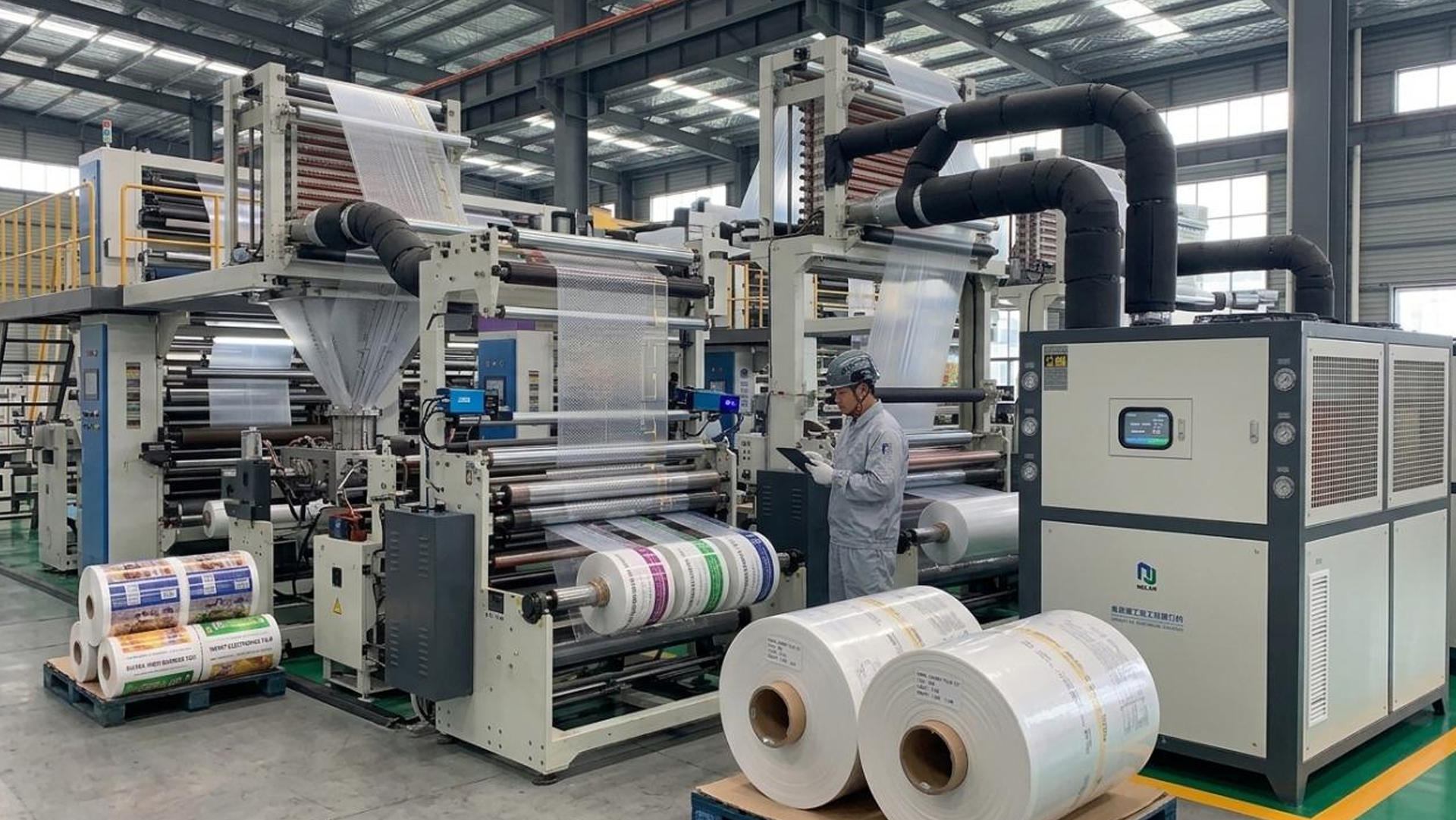
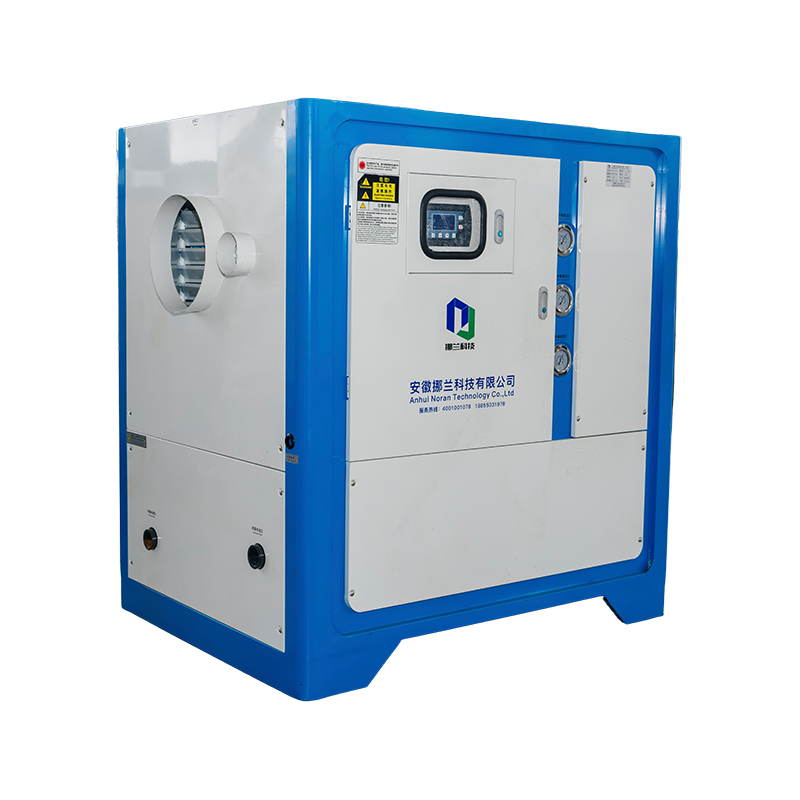


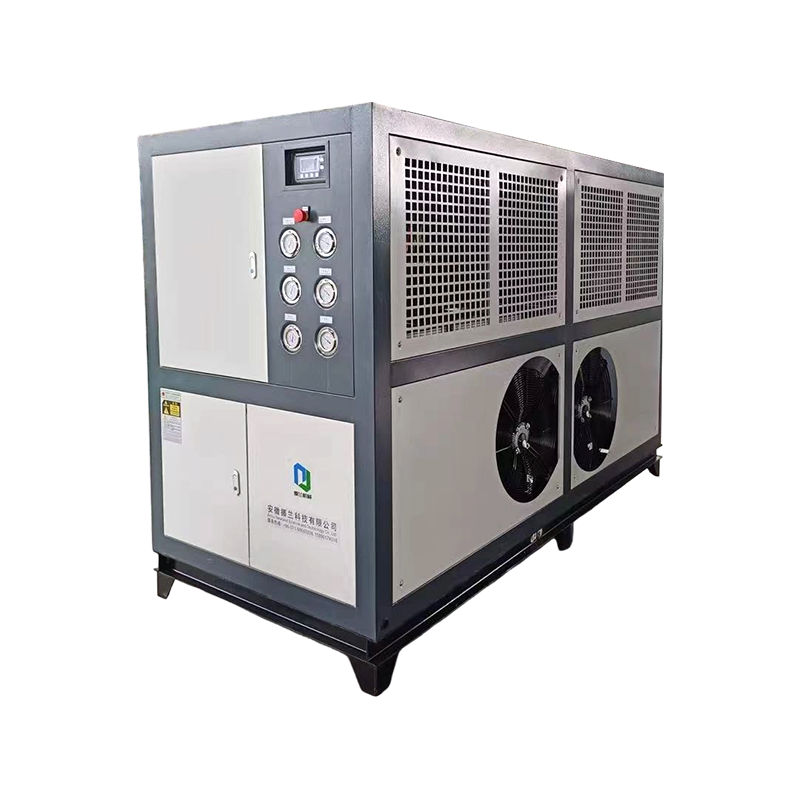
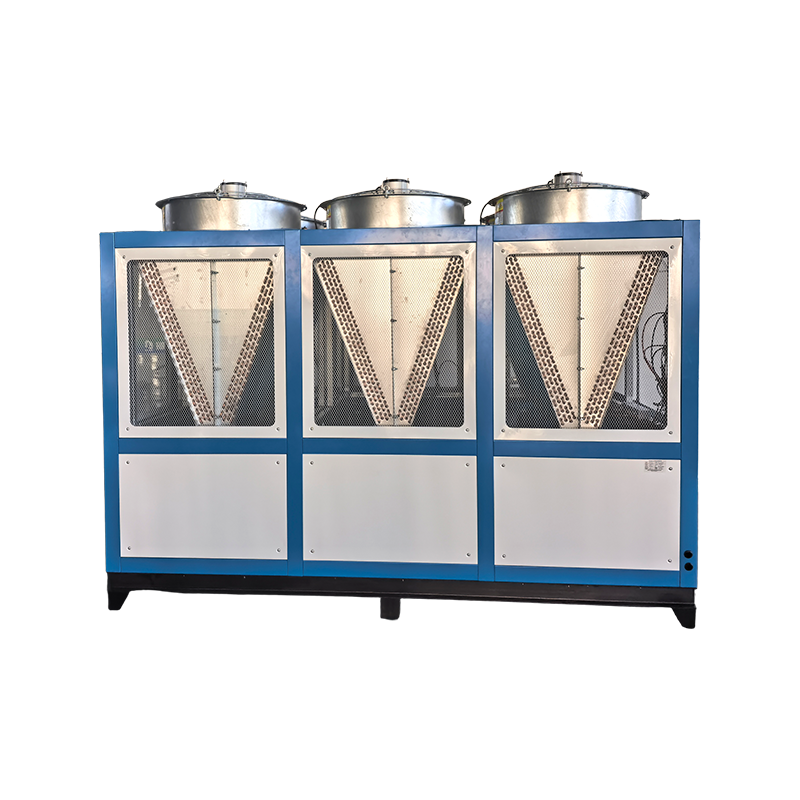
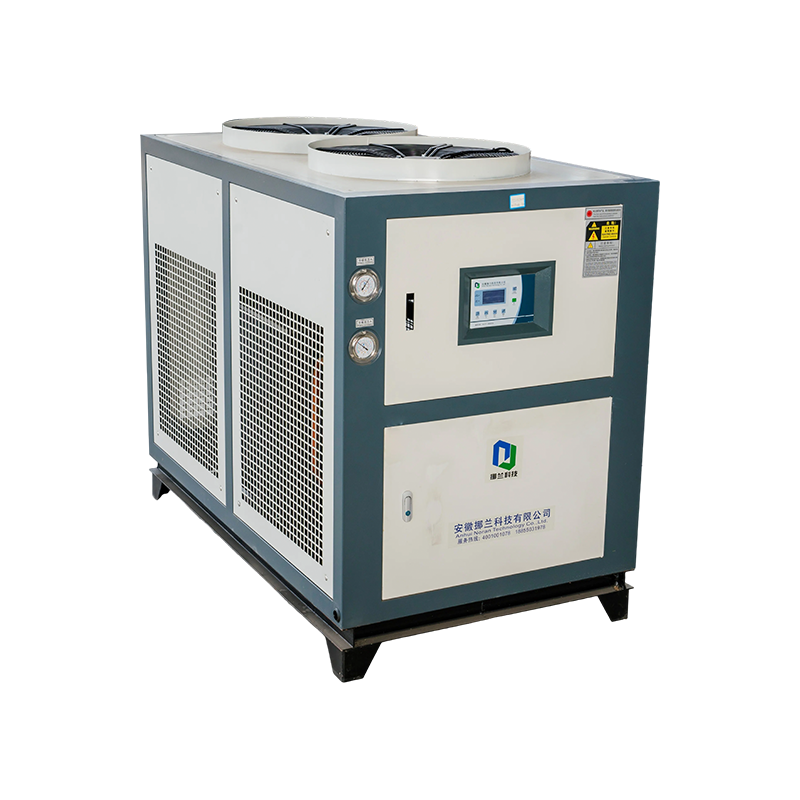
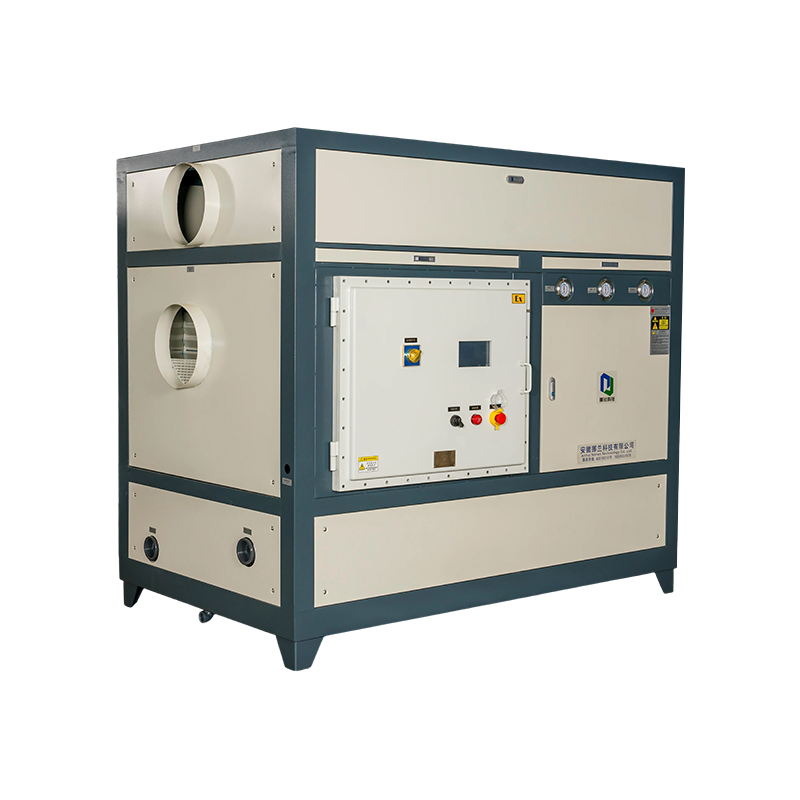
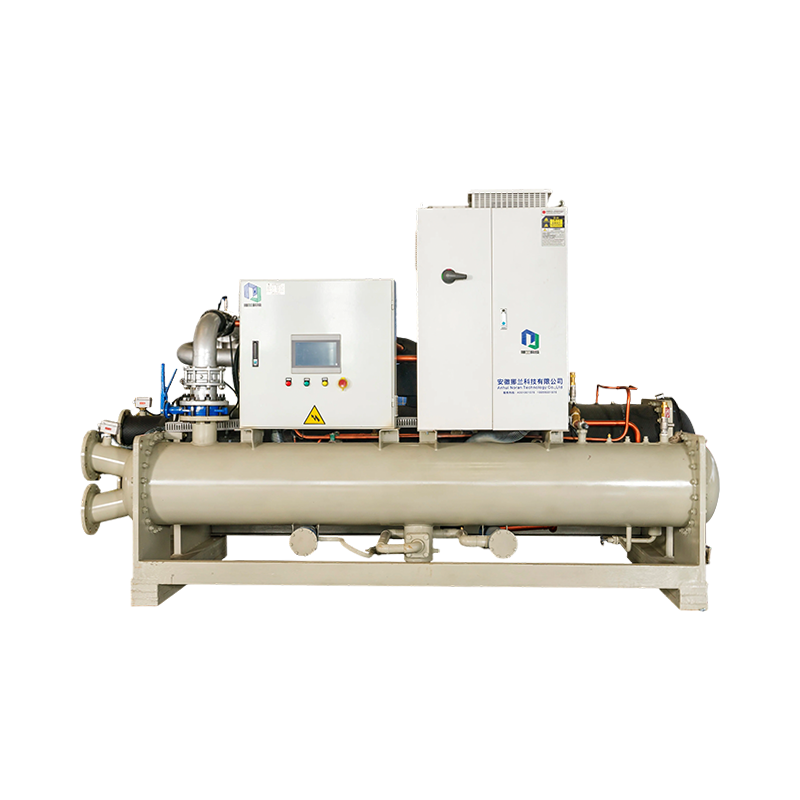















How Does an Air Cooled Industrial Air Cooler Handle High Ambient Temperatures in Summer Production?
Summer is the toughest test for any factory cooling system. When outdoor temperatures climb above 40°C, an air cooled industrial air cooler must still deliver stable cooling to keep production lines running, protect equipment, and maintain worker comfort. Understanding how these systems behave under high ambient conditions helps plant engineers select the right capacity, plan maintenance, and avoid unexpected downtime. As an air cooled industrial air cooler manufacturer, Anhui Noran Technology Co., Ltd. designs equipment specifically for these demanding environments.
1. Why High Ambient Temperature Affects Cooling Performance
An air cooled air cooler rejects heat by moving ambient air across a finned condenser coil. The cooler the ambient air, the more efficiently the refrigerant condenses. When ambient temperature rises, the condensing temperature and pressure rise with it, which reduces the compressor's cooling capacity and increases power consumption.
- Condensing temperature rise: higher ambient air directly raises condensing pressure.
- Capacity reduction: cooling output typically drops as outdoor temperature increases.
- Compressor load increase: the compressor works harder to reject the same heat.
- Efficiency decline: energy efficiency ratio falls during peak summer hours.
2. Design Features That Improve High-Temperature Performance
Manufacturers address high ambient conditions through careful component selection and system design. A properly engineered air cooled industrial cooler includes features that minimize capacity loss and protect critical components during extreme heat.
- Oversized condenser coil: larger surface area lowers condensing temperature.
- High-efficiency fans: maintain airflow even at high static pressure.
- Wide-range compressors: designed to operate reliably at elevated pressures.
- Intelligent control logic: adjusts fan speed and staging to match load.
- High-ambient refrigerant selection: supports stable operation in hot climates.
3. Correct Sizing for Summer Peak Load
Sizing an air cooled air cooler for average conditions often leads to insufficient cooling in summer. Engineers should calculate capacity based on peak ambient temperature, maximum internal heat load, and worst-case production conditions. A system sized for peak demand avoids short cycling and protects the compressor.
- Peak ambient design point: use the highest expected summer temperature.
- Heat load calculation: include machinery, lighting, people, and process heat.
- Safety margin: add a reasonable allowance for fouling and future expansion.
- Avoid undersizing: insufficient capacity causes continuous compressor operation.
- Avoid oversizing: excessive capacity leads to short cycling and poor humidity control.
4. Installation Practices for Hot Climates
Installation has a major impact on how well an air cooled air cooling unit performs in summer. Restricted airflow, recirculation of hot exhaust air, and direct sun exposure all reduce effectiveness. Proper placement and shading can recover significant capacity.
- Adequate clearance: maintain recommended distance from walls and obstructions.
- Avoid air recirculation: prevent hot discharge air from returning to the coil.
- Shading and ventilation: reduce direct solar load on the unit.
- Elevated mounting: place units where cooler air is available.
- Multiple unit layout: arrange units to avoid mutual interference.
5. Maintenance Strategies for Summer Reliability
Preventive maintenance before and during summer is essential. Dirty coils, worn belts, and low refrigerant charge all amplify the effects of high ambient temperature. A structured service schedule keeps an air cooled industrial air cooling unit within its design performance range.
- Pre-summer coil cleaning: remove dust, lint, and oil film before peak season.
- Fan and motor inspection: check bearings, belts, and electrical connections.
- Refrigerant charge check: verify correct charge and inspect for leaks.
- Control calibration: confirm sensors and set points match summer conditions.
- In-season monitoring: track discharge pressure and current draw for early warning.
6. Operational Adjustments During Peak Heat
Even a well-designed system benefits from operational adjustments during extreme heat. Staging multiple units, shifting heavy production to cooler hours, and using supplemental ventilation can reduce the load on an air cooled factory air cooler and maintain stable temperatures.
- Staged operation: run multiple units at partial load instead of one at full load.
- Load shifting: schedule high-heat processes during cooler periods.
- Supplemental ventilation: use exhaust fans to reduce internal heat buildup.
- Set point management: adjust temperature set points within acceptable process limits.
- Real-time monitoring: use control data to detect performance drift early.
Parameter Comparison: Performance at Different Ambient Temperatures
| Parameter | Ambient 25°C | Ambient 35°C | Ambient 45°C | Ambient 50°C |
| Condensing temperature | Approx. 40°C | Approx. 50°C | Approx. 60°C | Approx. 65°C |
| Relative cooling capacity | 100% | Approx. 90–93% | Approx. 80–85% | Approx. 75–80% |
| Relative power consumption | 100% | Approx. 108–112% | Approx. 118–125% | Approx. 125–132% |
| Energy efficiency ratio trend | Baseline | Slight decrease | Moderate decrease | Significant decrease |
| Compressor discharge pressure | Normal | Slightly elevated | Elevated | High, requires protection |
| Recommended action | Standard operation | Monitor coil cleanliness | Increase maintenance frequency | Verify high-ambient design capability |
7. Selecting Equipment for Extreme Summer Conditions
Not all air cooled equipment is built for extreme heat. An air cooled industrial cooler supplier should provide performance data at the actual design ambient temperature, not just nominal conditions. This is especially important for projects in the Middle East, where summer temperatures regularly exceed 45°C.
Anhui Noran Technology Co., Ltd. was founded from Hangzhou Noran in 2014 and moved to Anhui in 2021, establishing an approximately 33000 m2 production base in Mingguang City, Anhui Province. The company designs and manufactures industrial chillers, air cooling systems, screw chillers, low-temperature refrigeration units, heat recovery systems, explosion-proof refrigeration equipment, and customized cooling solutions. Its products are widely used in plastics, powder coating, electronics and photovoltaics, pharmaceuticals, chemicals, industrial painting, and large-scale industrial projects.
As an air cooled industrial cooler supplier, Anhui Noran Technology Co., Ltd. provides air cooled air cooling units for Middle East environment projects, along with air cooled air cooler for factory processing and air cooled air cooler for temperature control applications. Based on cooling capacity, temperature accuracy, operating environment, and installation conditions, the company delivers reliable and energy-efficient refrigeration solutions tailored to each application.
FAQ
Q1: How much cooling capacity does an air cooled industrial air cooler lose at 45°C ambient temperature?
A: Depending on design, an air cooled industrial air cooler may lose approximately 15 to 25 percent of its rated capacity at 45°C compared with 25°C conditions, while power consumption rises by roughly 18 to 25 percent. The exact figures depend on condenser size, refrigerant type, fan performance, and control strategy. Anhui Noran Technology Co., Ltd. provides performance data at actual design ambient temperatures so customers can size equipment correctly for summer peak conditions rather than relying on nominal ratings.
Q2: What maintenance steps best protect an air cooled workshop cooler during summer production?
A: Clean condenser coils before summer begins and increase cleaning frequency during peak season, especially in dusty or oily workshops. Inspect fan bearings, belts, and motors, verify refrigerant charge, and calibrate temperature sensors. Anhui Noran Technology Co., Ltd. recommends recording baseline discharge pressure and current draw after commissioning, then monitoring these values weekly during summer. Any upward drift usually indicates coil fouling or another performance issue that should be corrected immediately.
Q3: Can Anhui Noran Technology Co., Ltd. supply air cooled equipment designed specifically for hot climates?
A: Yes. Anhui Noran Technology Co., Ltd. designs and manufactures industrial chillers, air cooling systems, screw chillers, low-temperature refrigeration units, heat recovery systems, explosion-proof refrigeration equipment, and customized cooling solutions. The company supplies air cooled air cooling units for Middle East environment projects and other high-ambient regions, engineering each system around cooling capacity, temperature accuracy, operating environment, and installation conditions. Continuous innovation in energy-saving refrigeration technologies and intelligent temperature control helps customers achieve stable performance even during the hottest production months.


