
 English
  Français
  Español
  Português
  عربى
عربى  Türk
Türk  हिंदी
हिंदी 

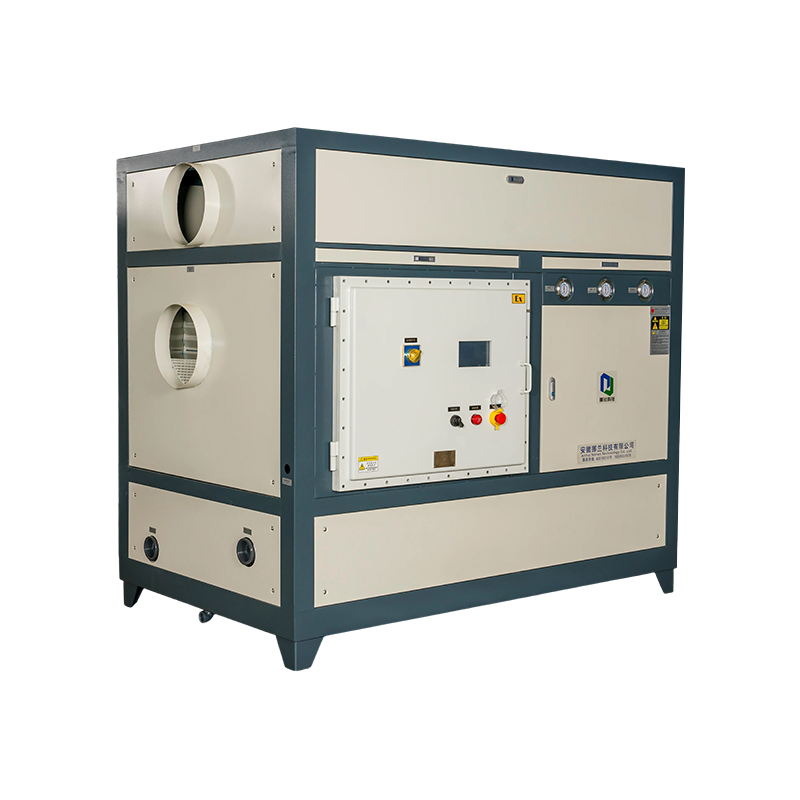
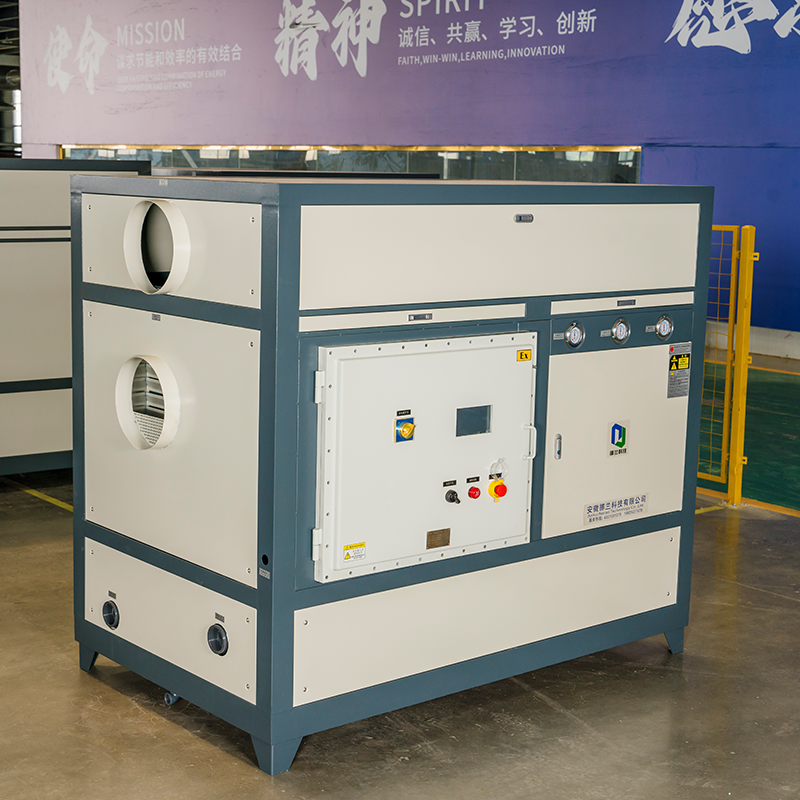
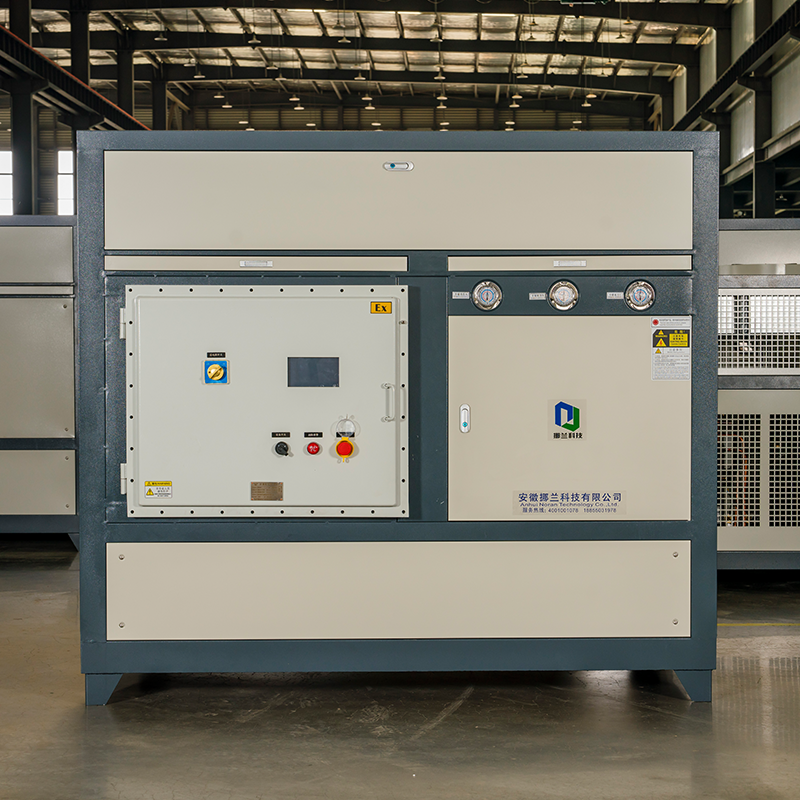
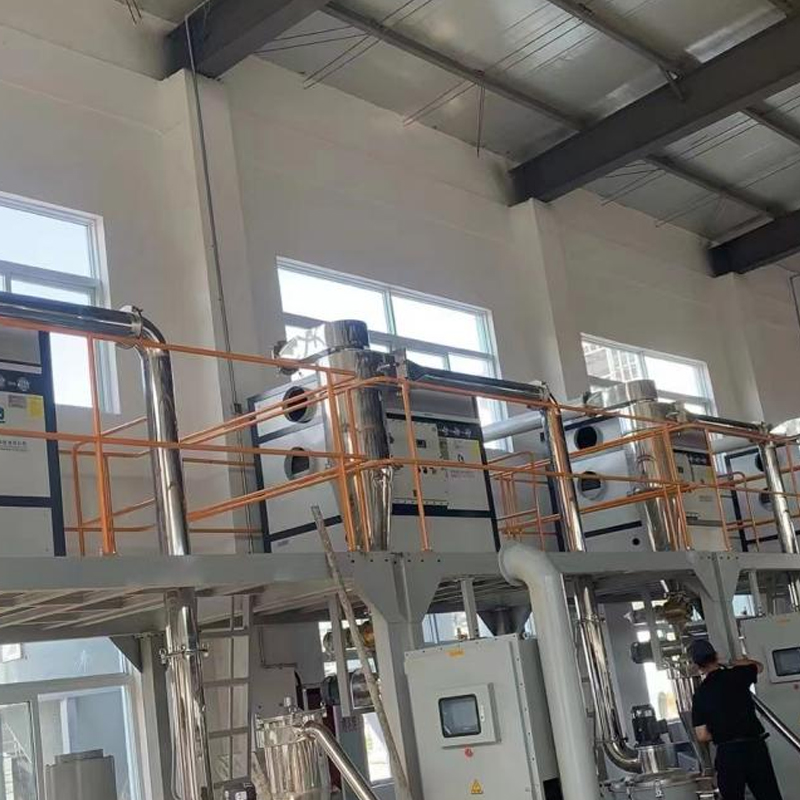
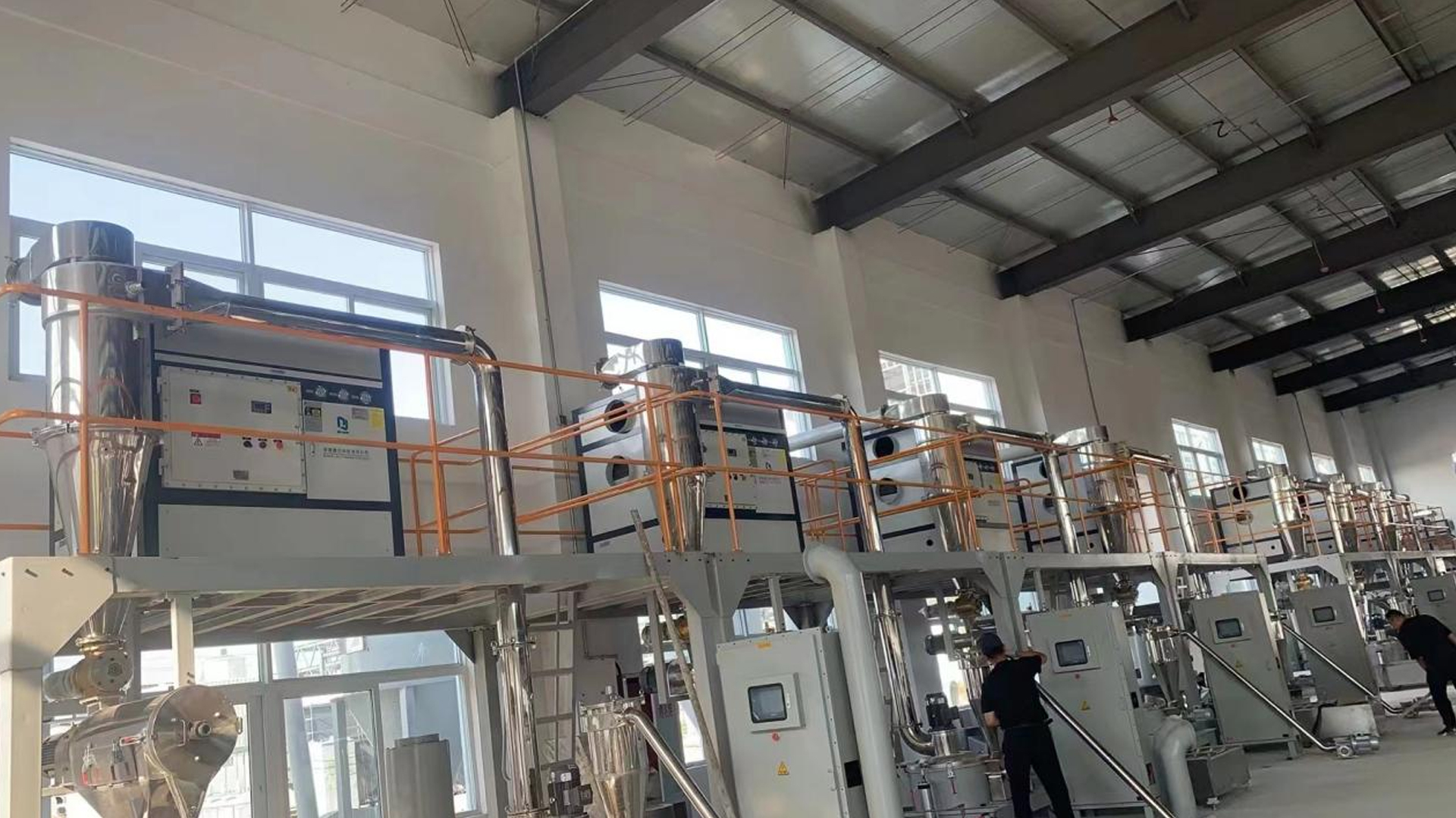
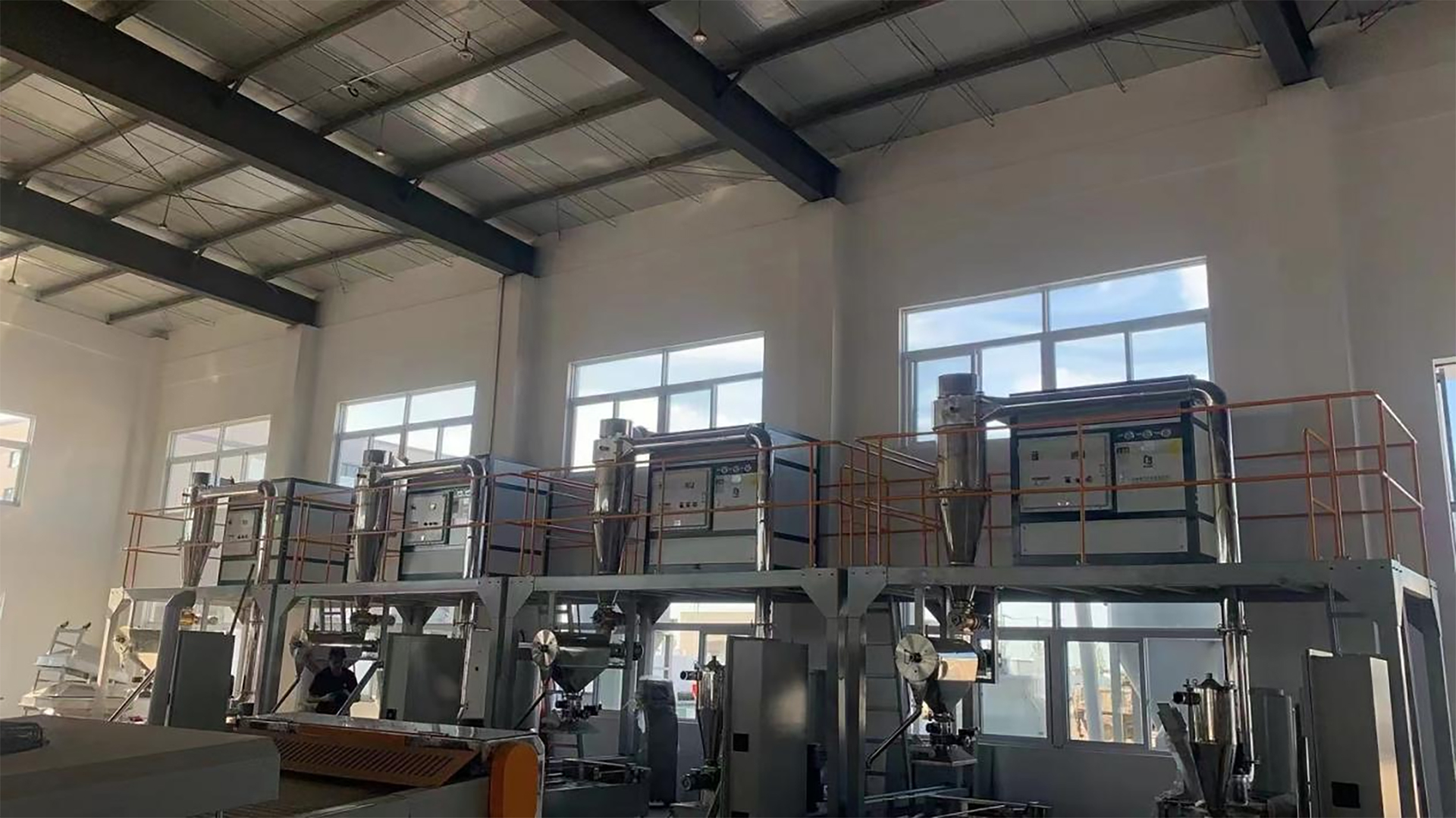
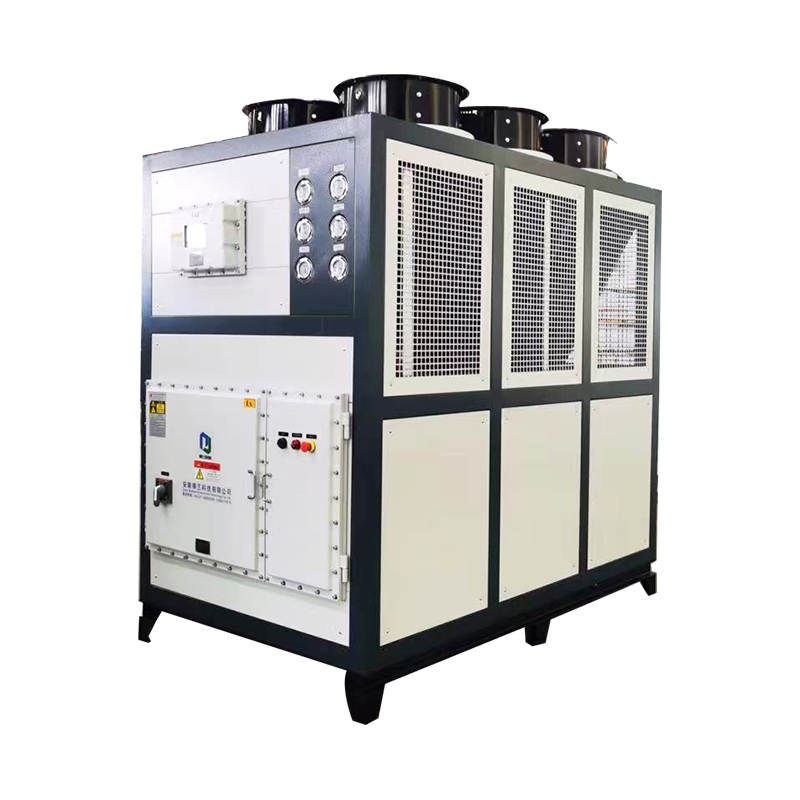


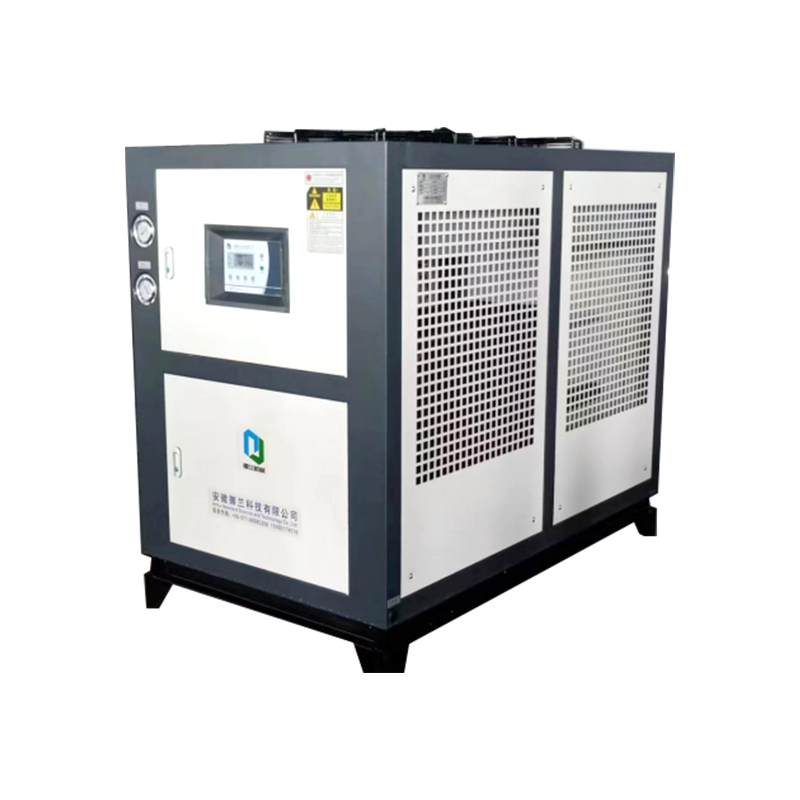
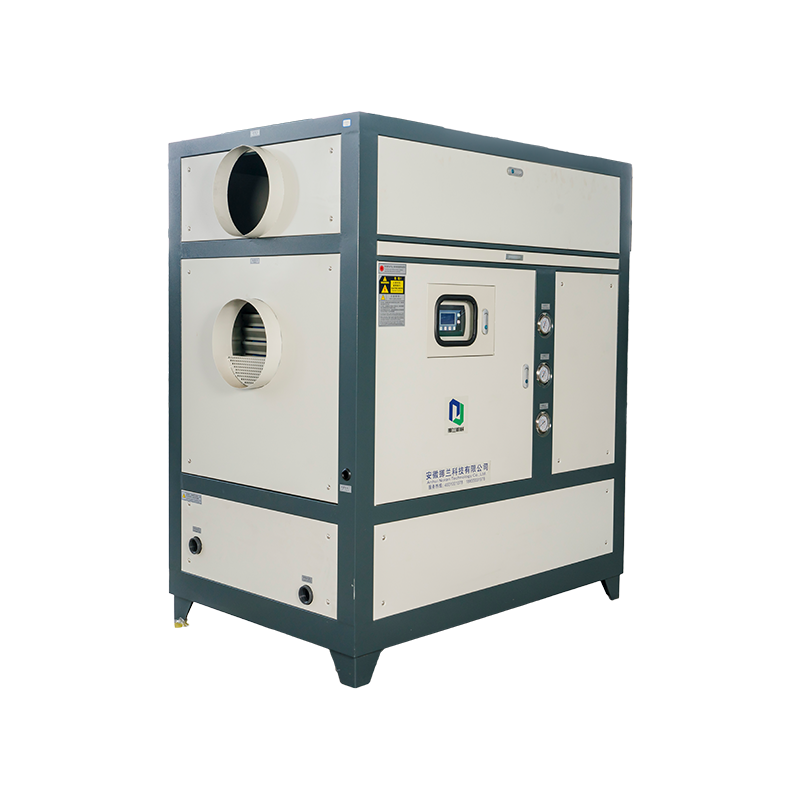
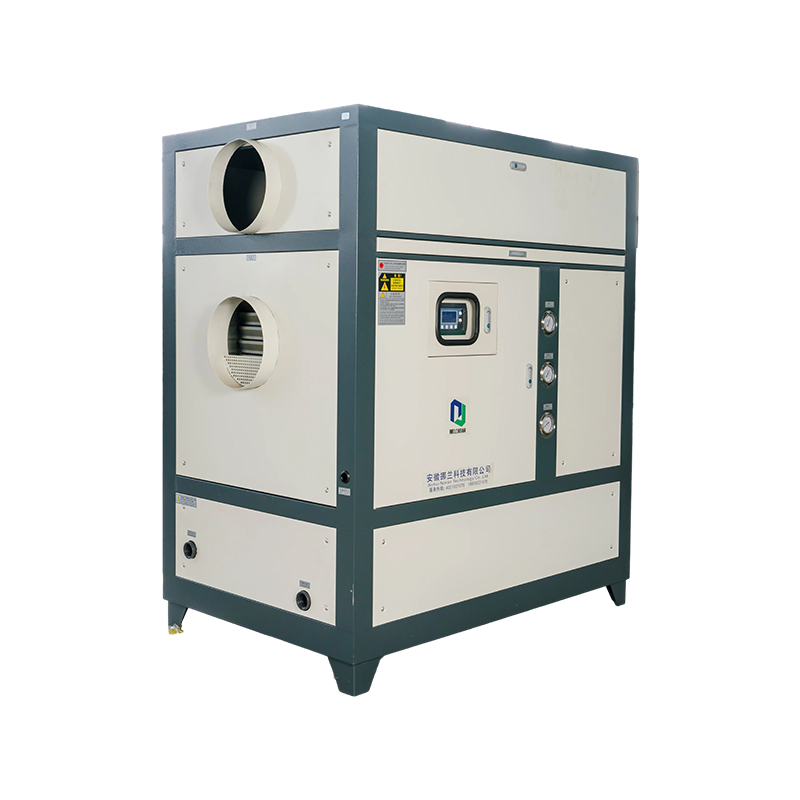
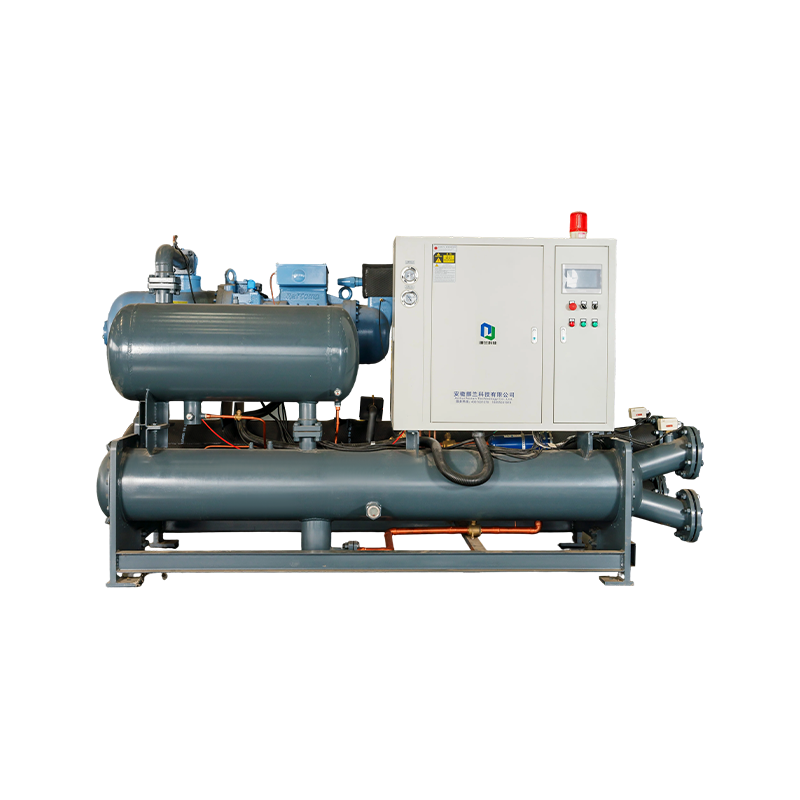
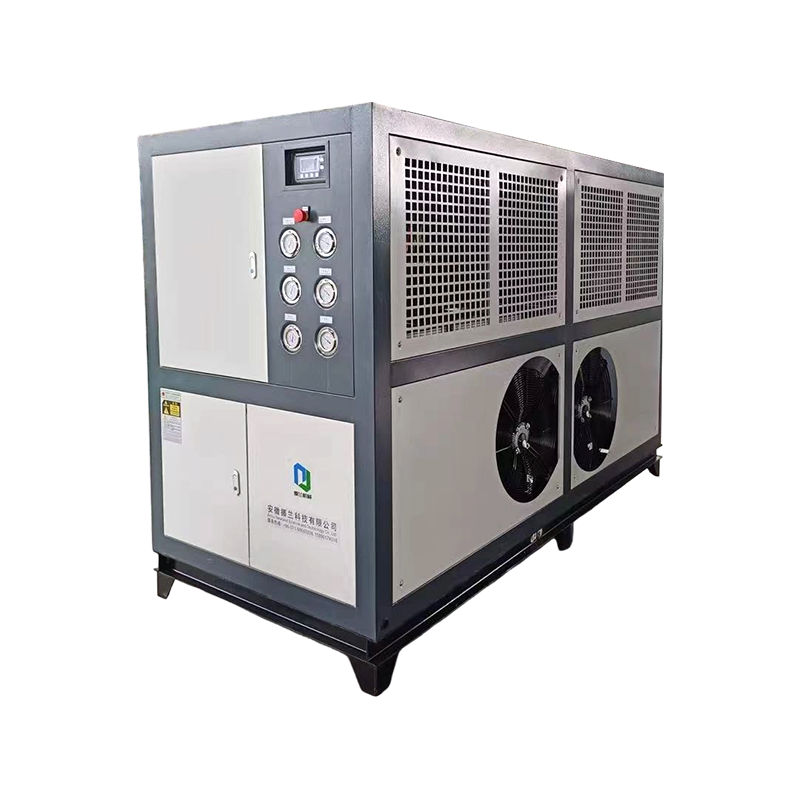















When Standard Cooling Fails in Explosive Environments: Water-Cooled Explosion-Proof Solutions
Industrial facilities handling flammable gases, vapors, or combustible dust require cooling equipment designed to address both thermal performance and operational safety. Standard cooling units may not provide the protection configuration required in potentially explosive environments. Selecting suitable equipment involves evaluating cooling capacity, airflow, water conditions, hazardous-area classification, and installation requirements. A properly specified explosion-proof industrial air cooler can help maintain stable operating temperatures when its configuration matches the application.
A water-cooled explosion-proof air cooler uses chilled water or cooling water as the cooling medium. Heat transfers through a cooling coil, while an appropriately configured explosion-proof fan circulates cooled air. This arrangement supports industrial temperature control where water-based heat exchange is suitable and the electrical and mechanical components meet the site's protection requirements.
1. Water-Cooled Explosion-Proof Air Coolers for Hazardous Areas
A water cooled explosion proof air cooler is designed for industrial spaces where effective air cooling is required under potentially hazardous conditions. The unit uses a water-fed cooling coil to absorb heat from the surrounding air. A suitably configured fan then circulates the cooled air into the target area, supporting temperature management around equipment and production processes.
This configuration can be suitable for facilities with an existing chilled-water or cooling-water supply. Its performance depends on water temperature, flow conditions, coil design, airflow, and the heat generated by the process. These factors should be assessed together to ensure that the selected unit can meet the actual cooling demand. A water-cooled arrangement may be particularly practical when the facility already has suitable water circulation infrastructure.
The explosion-proof configuration is equally important. Motors, electrical components, enclosures, cable entries, and accessories must be suitable for the specific hazardous-area classification. The term explosion proof air cooler does not automatically mean that a unit is suitable for every explosive atmosphere. Applicable ratings, certifications, and permitted operating conditions must be verified before installation.
Compared with conventional cooling equipment, a water-cooled unit can integrate with existing water-based cooling infrastructure and provide localized air cooling. It may be appropriate where stable process temperatures are important and the site can support the required water connections. The final configuration should reflect both thermal requirements and documented explosion-protection criteria.
2. Explosion-Proof Air Cooling Systems for Industrial Process Areas
An explosion proof air cooling system is a coordinated cooling arrangement that may include the cooler, water supply, airflow distribution, electrical components, control devices, and supporting installation elements. Its purpose is to maintain suitable operating temperatures while meeting the protection requirements established for the industrial environment. Compared with selecting an individual cooler alone, a system-level approach considers how each component functions within the complete installation.
Chemical production, pharmaceutical processing, industrial painting, and some powder-handling operations may involve flammable gases, vapors, or combustible dust. Each application presents different risks. Engineers must identify the substances present, determine the hazardous-areaa classification, and review applicable equipment protection requirements before selecting a cooling solution.
A hazardous area air cooler must be evaluated as part of the complete installation. The cooling coil may meet the required heat-transfer duty, but the motor, electrical connections, controls, and accessories must also be appropriate for the classified location. Airflow distribution should be planned around equipment layout, process heat sources, and the facility's ventilation design.
This system-level approach distinguishes an engineered cooling solution from a standard cooler with individual components replaced. It also helps determine whether one water-cooled unit, several independently controlled units, or a larger integrated system is appropriate. Technical documentation should clearly define the intended operating conditions, protection ratings, and limitations of the selected configuration.
- Confirm the hazardous-area classification and identify the relevant substances.
- Determine the required cooling capacity, airflow, and target temperature.
- Verify the suitability of motors, electrical components, enclosures, and accessories.
- Coordinate the cooler with the water circulation system and facility controls.
- Plan inspection, maintenance, and replacement procedures before commissioning.
3. Customized Explosion-Proof Cooling for Specialized Applications
Industrial facilities differ in heat load, operating temperature, installation space, and safety requirements. A custom ex-proof air cooler can be configured around project-specific conditions, including cooling capacity, airflow, fan and motor configuration, electrical components, and protection requirements. Customization is useful when a standard configuration cannot meet the site's thermal, dimensional, or installation needs.
In industrial processing, heat may come from production machinery, enclosed equipment, continuous material handling, or the process itself. A properly specified explosion-proof industrial air cooler can support local temperature control when its performance and protection characteristics have been verified for the intended environment. Design considerations should also include maintenance access, water connection locations, drainage requirements, and the effect of operating conditions on long-term reliability.
For an ex-proof industrial air cooler for processing cooling, the main objective is to balance process temperature control with the required safety configuration. The design for a chemical processing area may differ from that for pharmaceutical production or industrial painting. Dust characteristics, vapor exposure, humidity, corrosion risks, and operating schedules should be reviewed before the equipment is finalized. A customized solution should be based on confirmed operating requirements rather than assumptions about the site.
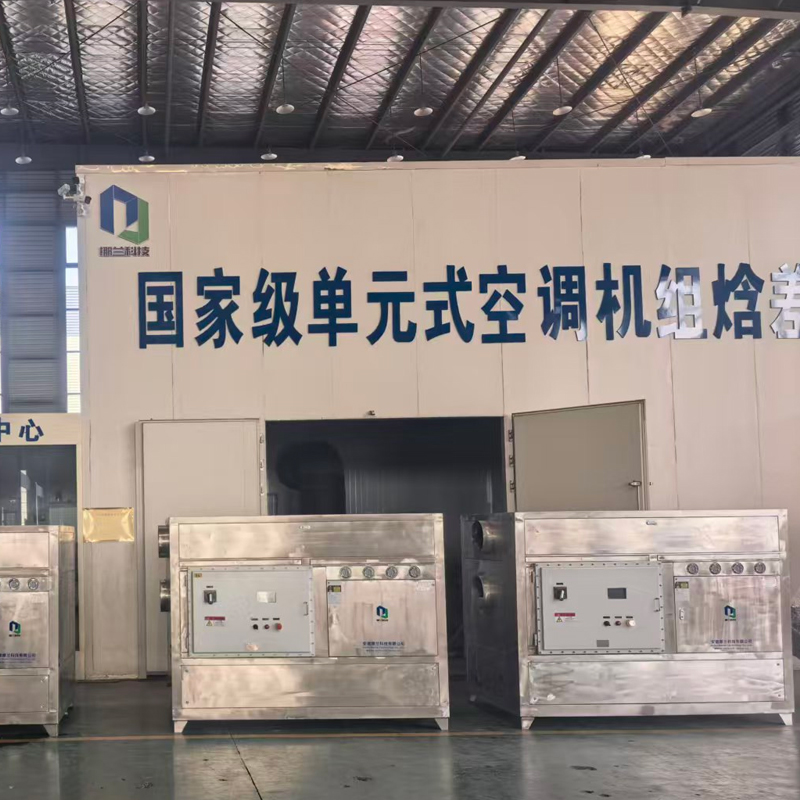
Noran was founded in Hangzhou in 2014 and specializes in industrial refrigeration equipment and customized temperature-control solutions. In 2021, the business expanded to Anhui, where Anhui Noran Technology Co., Ltd. was established with an approximately 33,000-square-meter production base in Mingguang City. Together, Hangzhou Noran and Anhui Noran provide integrated refrigeration solutions for industrial customers, supported by manufacturing, research and development, quality control, and project delivery capabilities.
Noran's product range includes industrial chillers, air cooling systems, screw chillers, low-temperature refrigeration units, heat recovery systems, explosion-proof refrigeration equipment, and customized cooling solutions. These products serve industries including plastics, powder coating, electronics and photovoltaics, pharmaceuticals, chemicals, industrial painting, and large-scale industrial projects. Solutions can be assessed according to cooling capacity, temperature accuracy, operating environment, and installation conditions.
For projects requiring water-based heat exchange and forced-air circulation, review Noran's Explosion-Proof industrial Air Cooler. Cooling capacity, airflow, fan and motor configuration, electrical components, and protection requirements can be evaluated according to the application and hazardous-area classification. Confirm the available product specifications and applicable protection documentation before choosing a configuration.
4. Comparing Explosion-Proof Cooling Configurations
Selecting a cooling configuration requires consideration of heat transfer, available infrastructure, operating conditions, and protection requirements. The following comparison summarizes common approaches. It is a general selection guide rather than a statement of certified product performance. Actual capabilities depend on the selected equipment and the project specifications.
| Product category | Main function | Typical application | Key consideration |
| Water-cooled explosion-proof air cooler | Transfers heat through a water-fed cooling coil | Industrial areas with suitable cooling-water infrastructure | Water conditions, coil capacity, airflow, and protection rating |
| Explosion-proof air cooling system | Coordinates cooling equipment and supporting components | Facilities requiring integrated temperature control | System compatibility and installation requirements |
| Customized explosion-proof cooling unit | Adapts equipment to specific process conditions | Specialized production environments or restricted installation spaces | Application assessment and documented compliance |
A water-cooled unit is worth considering when chilled water is available and localized cooling is needed. A complete explosion-proof air cooling system may be preferable when multiple components must work together within a larger installation. A customized unit can be useful when standard equipment cannot meet specific thermal, dimensional, electrical, or environmental requirements.
Regardless of category, an explosion-proof industrial air cooler must be selected according to verified technical requirements. A product description alone cannot establish suitability for every hazardous area, and no single configuration should be assumed to cover all classifications or operating conditions.
5. How to Select a Suitable Explosion-Proof Air Cooler
A structured selection process helps reduce the risk of choosing equipment that cannot meet either the cooling demand or the required protection conditions. Before requesting a quotation, operators should prepare information about the process, installation area, available utilities, and applicable safety requirements.
- Define the operating conditions. Specify the target temperature, expected heat load, operating schedule, and airflow requirements.
- Identify hazardous-area requirements. Document the area classification, substances present, and applicable protection standards.
- Confirm cooling-water conditions. Provide available water temperatures, flow conditions, and relevant system information.
- Review the equipment configuration. Check fan and motor selection, electrical components, connection arrangements, dimensions, and maintenance access.
- Verify documentation and support. Request applicable certificates, technical specifications, installation guidance, and maintenance recommendations.
When evaluating an explosion proof industrial air cooler manufacturer, buyers should assess the manufacturer's ability to understand the application, explain equipment limitations, and provide relevant technical documentation. A qualified hazardous area air cooler supplier should clarify the cooling conditions, available configurations, and limits of any protection claims rather than relying on general descriptions.
An ex-proof air cooler for hazardous area must be assessed against the actual site classification and operating conditions. Confirm the exact model, applicable protection ratings, and permitted installation environment before purchase. For projects with unusual requirements, a technical review can help determine whether customization is necessary.
6. Installation, Maintenance, and Long-Term Reliability
Reliable cooling depends on correct installation as well as appropriate equipment selection. Water connections should match the system design, airflow paths should remain unobstructed, and electrical installation must follow the manufacturer's instructions and applicable hazardous-area requirements. Changes to protected components should only be made by qualified personnel using approved procedures.
Routine maintenance should cover the cooling coil, water circulation, fan operation, electrical connections, and control components according to the equipment documentation. Inspection intervals should reflect the operating schedule and environmental conditions. Where dust, corrosive substances, or moisture are present, additional attention may be necessary to maintain heat-transfer performance and component condition.
An explosion-proof industrial air cooler should never be modified in a way that compromises its certified protection. Replacement motors, electrical accessories, cable entries, and other safety-related parts must meet the requirements of the original equipment configuration and the intended hazardous area. Maintenance planning should include clear isolation procedures and appropriate site safety controls.
For an ex-proof industrial air cooler for cooling system integration, coordination among the cooling equipment supplier, system designer, and site safety personnel is essential. Reviewing the complete installation helps ensure that temperature-control objectives, water-system requirements, and hazardous-area protection are addressed together.
Some source keyword lists use the phrase EX-proof air cooler for hazardaous area. The word “hazardaous” appears to be a spelling error in the supplied phrase, so it is retained verbatim here for keyword coverage and should be confirmed before publication. Regardless of the search wording, hazardous-area equipment must be selected against the site's actual risk assessment and the applicable protection requirements; the keyword itself does not establish a product certification.
Hazardous-Area Selection Requires Documented Classification
The phrase explosion-proof air cooler is not, by itself, evidence that a product is suitable for every hazardous location. Selection begins with the site's documented area classification and the substances that may be present. Depending on the jurisdiction and classification system, the design may need to account for the type of gas, vapor, or combustible dust, the likelihood and duration of its presence, the required equipment group, and the permitted surface-temperature class. Each room or process zone should be assessed according to the applicable code and site risk assessment.
Review the complete assembly, not only the motor or the main enclosure. Fans, motors, terminal boxes, sensors, switches, control panels, cable entries, and accessories may each affect suitability. Ask for the relevant nameplate markings, certificates or listings, installation limitations, and documentation showing that the specific model and configuration are approved for the intended classification. A general-purpose component should not be assumed acceptable simply because it is installed on a water-cooled unit.
Water-based heat exchange can address the thermal duty, but it does not automatically provide explosion protection. The cooling design and hazardous-area protection must be reviewed together. Also confirm the ambient temperature, corrosion exposure, cleaning method, maintenance access, and whether any modification after delivery could invalidate the original approval. Changes to motors, controls, wiring, or enclosures should be assessed by qualified personnel before installation.
- Obtain the hazardous-area classification and the applicable local code requirements.
- Identify the relevant gas, vapor, or dust characteristics and required equipment markings.
- Verify documents for the exact model, electrical components, accessories, and intended installation.
- Include inspection, installation, maintenance, and change-control requirements in the project plan.
OSHA's hazardous (classified) locations requirements explain why equipment must be suitable for the specific classified location and ignitable material. This is a reference point for U.S. workplaces, not a replacement for the regulations and certification scheme that apply at the project site. Do not state that a unit is certified or compliant unless the supporting documentation has been verified.
Frequently Asked Questions
Q1: What is a water-cooled explosion-proof air cooler?
It is an industrial cooling unit that uses chilled water or cooling water to transfer heat through a coil and circulates cooled air with a suitably configured fan. Its protection configuration must match the intended hazardous-area requirements.
Q2: Where can an explosion proof air cooler be used?
Potential applications include selected chemical, pharmaceutical, industrial painting, powder coating, and other process environments. Suitability depends on the hazardous-area classification, the substances present, and the equipment's documented ratings.
Q3: Can the cooling capacity and components be customized?
Yes. Depending on the product design, cooling capacity, airflow, fan and motor configuration, electrical components, and protection requirements can be tailored to the application. Any customization must preserve the required safety compliance.
Q4: What should buyers ask a hazardous area air cooler supplier?
Buyers should request technical specifications, applicable certificates, hazardous-area ratings, cooling performance information, water-system requirements, installation instructions, and maintenance guidance. The supplier should clarify any operating limitations.
Q5: How does Noran support customized industrial cooling projects?
Noran provides industrial refrigeration equipment and customized temperature-control solutions. Its product range includes industrial chillers, air cooling systems, low-temperature refrigeration units, heat recovery systems, and explosion-proof refrigeration equipment for different industrial applications.
Choosing the right water-cooled explosion-proof cooling solution requires a coordinated assessment of heat load, water conditions, airflow, equipment configuration, and hazardous-area protection. With clearly defined requirements and verified technical documentation, industrial operators can select equipment that supports reliable temperature control while addressing the safety demands of their working environment.


