
 English
  Français
  Español
  Português
  عربى
عربى  Türk
Türk  हिंदी
हिंदी 


















Explosion-Proof Chiller Safety Design Standards and Hazardous Location Applications
Industrial cooling in chemical processing, pharmaceutical manufacturing, paint production, and solvent-based operations requires careful consideration of both temperature control and ignition prevention. In environments where flammable gases, vapors, combustible dust, or other hazardous substances may be present, refrigeration equipment must be selected according to the area's classification and the risks associated with its operating conditions. An explosion-proof air-cooled chiller combines process cooling functions with specially selected electrical, motor, and control components to reduce potential ignition hazards.
Unlike conventional chillers, hazardous-area refrigeration equipment requires a coordinated approach to component selection, enclosure protection, installation, and maintenance. The cooling circuit may follow a standard industrial design, while electrical and control configurations require specific modifications. Understanding these differences helps facilities select equipment that supports production continuity without compromising safety requirements.
1. Explosion-Proof Air-Cooled Chillers for General Industrial Processes
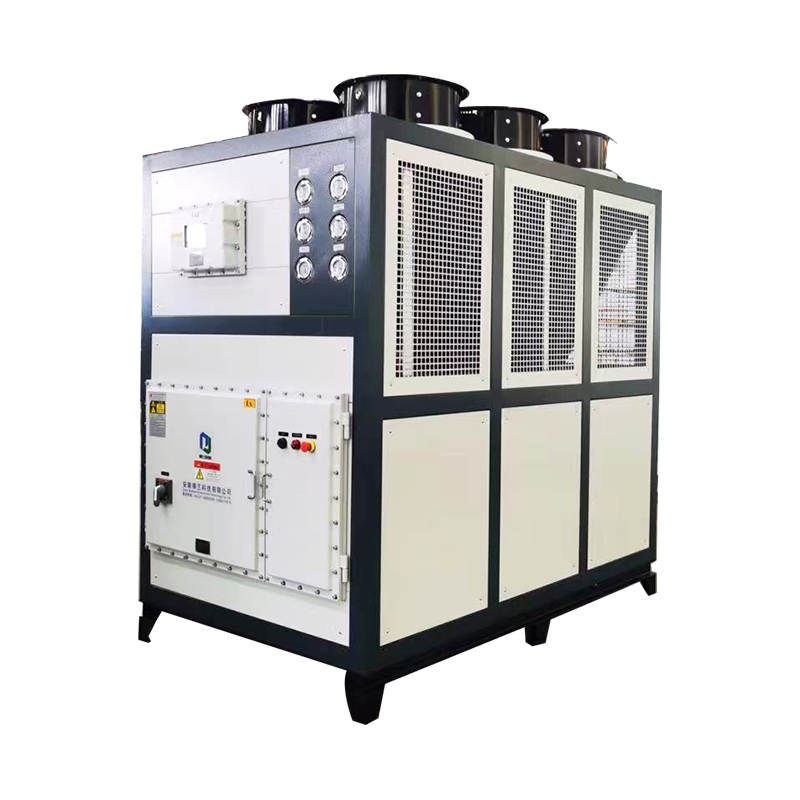
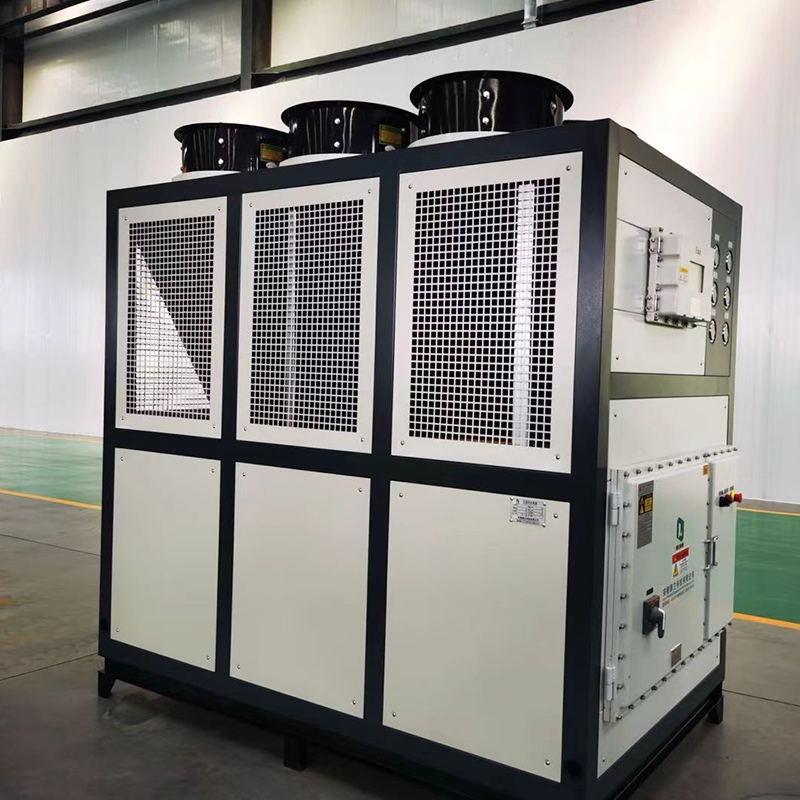
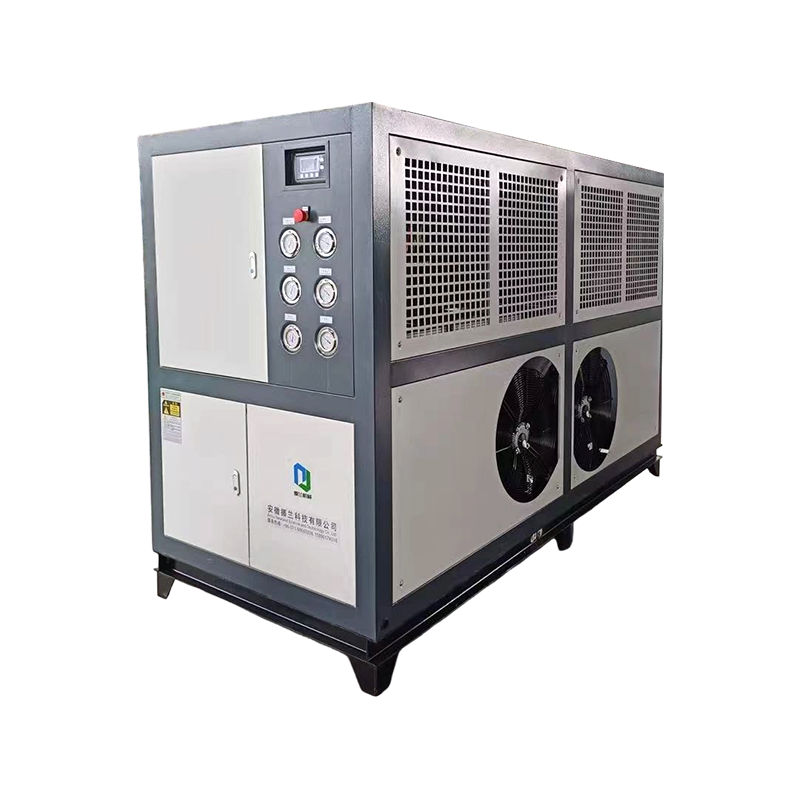
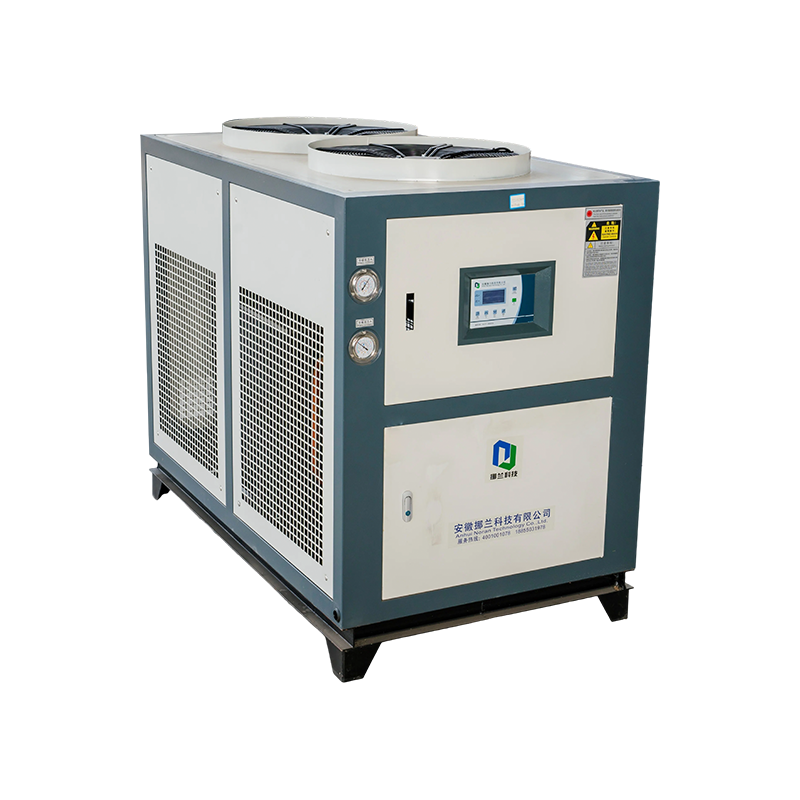
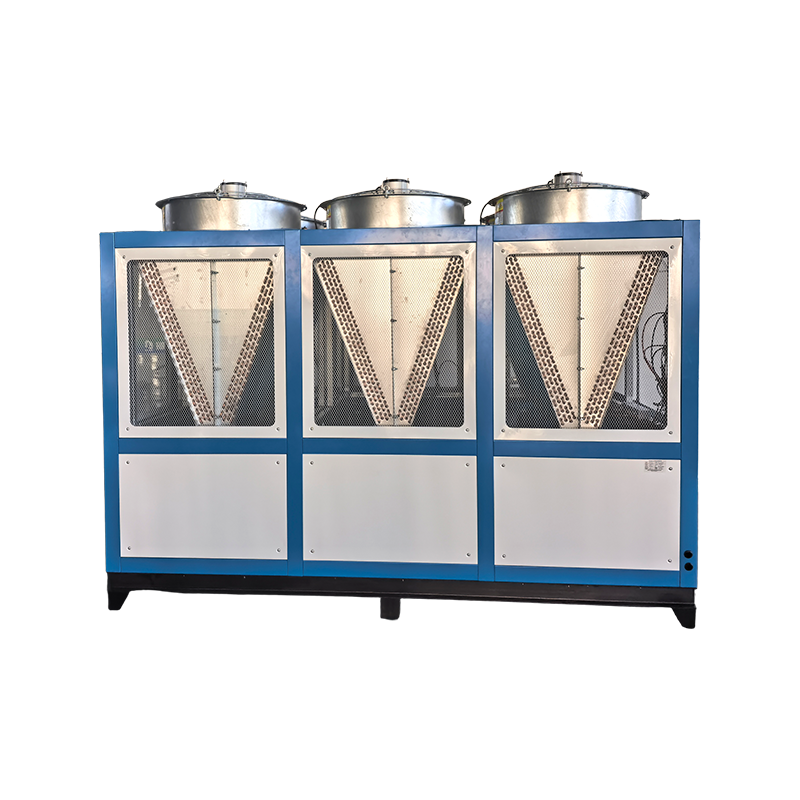
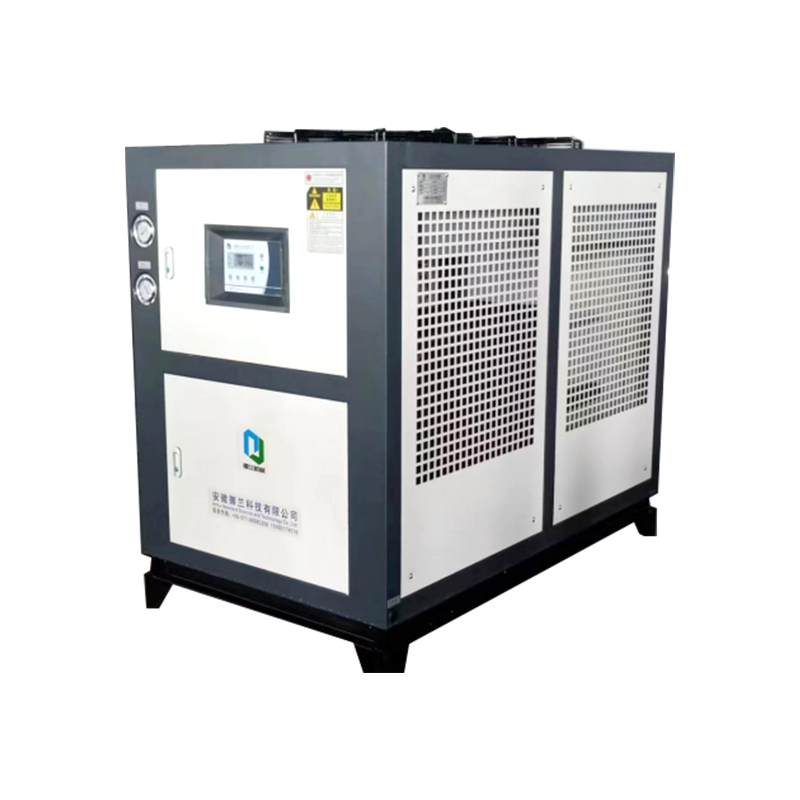
An explosion proof air cooled chiller is designed to provide chilled water for industrial processes without requiring an external cooling tower. Heat is removed from the process fluid through the refrigeration circuit and discharged into the surrounding air through an air-cooled condenser. This arrangement simplifies site installation, particularly in facilities where cooling water infrastructure is unavailable or difficult to maintain.
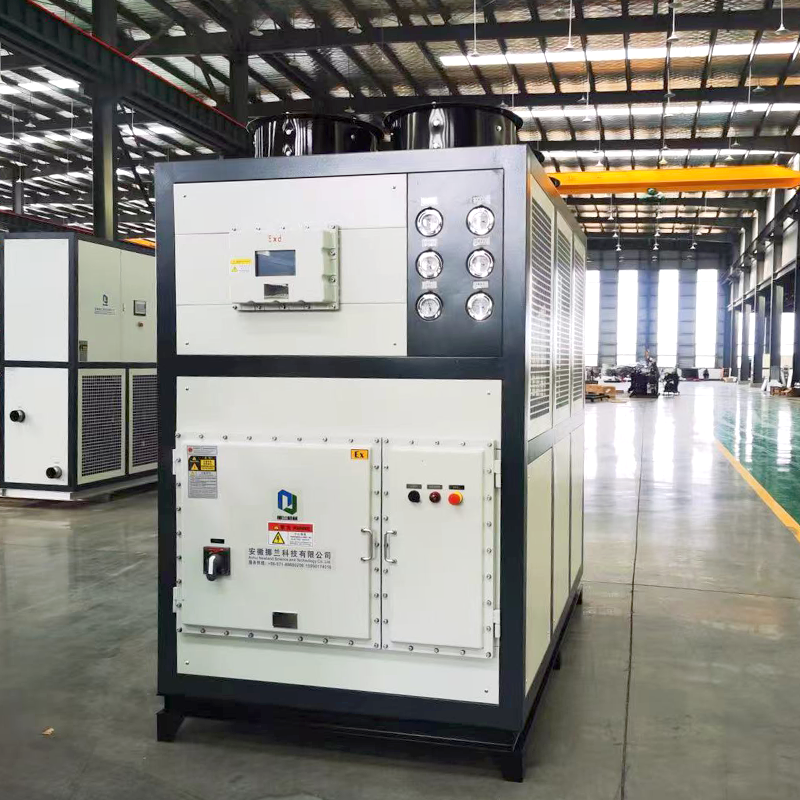
The defining feature is the adaptation of electrical and control components to the identified hazardous conditions. Depending on the project classification, the configuration may include appropriately certified motors, protected electrical connections, suitable enclosures, and control devices designed for the specified atmosphere. These measures must be selected as a coordinated system rather than treated as interchangeable accessories. An explosion proof industrial chiller also needs conventional refrigeration protections, including high-pressure and low-pressure protection, overload monitoring, and safeguards against abnormal operating conditions.
This category is suitable for production lines that require dependable chilled water while operating in designated hazardous areas. Applications include process vessels, industrial heat exchangers, mixing equipment, and temperature-sensitive manufacturing machinery. Its principal advantage over a water-cooled configuration is reduced dependence on cooling towers and associated water treatment infrastructure. However, condenser airflow, ambient temperature, ventilation, and the location of electrical equipment must all be considered during installation.
Anhui Noran Technology Co., Ltd. develops industrial refrigeration equipment and customized temperature-control solutions for manufacturing applications. Its air-cooled refrigeration configurations can be adapted to project-specific cooling capacity, water supply and return temperatures, flow requirements, installation constraints, and hazardous-area protection needs. Final component selection should follow the applicable classification and engineering assessment rather than a generic equipment description.
2. Hazardous-Area Chillers for Chemical and Pharmaceutical Facilities
A hazardous area chiller is selected according to the substances present in a facility, the probability and duration of a hazardous atmosphere, and the operating conditions of the process. Chemical plants may handle flammable solvents, volatile materials, or combustible powders, while pharmaceutical production can involve solvent preparation, extraction, coating, and specialized chemical processing. Each application presents different exposure conditions and equipment requirements.
The term hazardous location cooling system describes a broader installation in which the chiller, associated electrical equipment, process connections, and operating procedures must be considered together. Electrical protection cannot compensate for an unsuitable installation location, inadequate ventilation, or an incorrectly classified hazardous zone. Engineering teams should establish the applicable gas or dust group, temperature class where relevant, zone or division classification, and required equipment protection method before finalizing the design.
For pharmaceutical applications, stable chilled-water delivery can support reaction temperature management, mixing, heat exchangers, and other process equipment. Chemical manufacturing may require cooling during blending, dispersion, solvent-based production, or controlled material processing. Compared with a general-purpose industrial chiller, this category places greater emphasis on hazardous-area compatibility and documentation. Cooling performance remains important, but the protection configuration must match the actual operating environment.
Noran provides customized refrigeration equipment for industries including chemicals, pharmaceuticals, and industrial painting. Project evaluation can address cooling load, target water temperature, required flow, equipment placement, ambient conditions, and relevant protection requirements. A properly specified system helps integrate refrigeration into the production process while maintaining a clear distinction between process performance requirements and safety compliance obligations.
3. Explosion-Proof Control Enclosures and Specialized Compressor Configurations
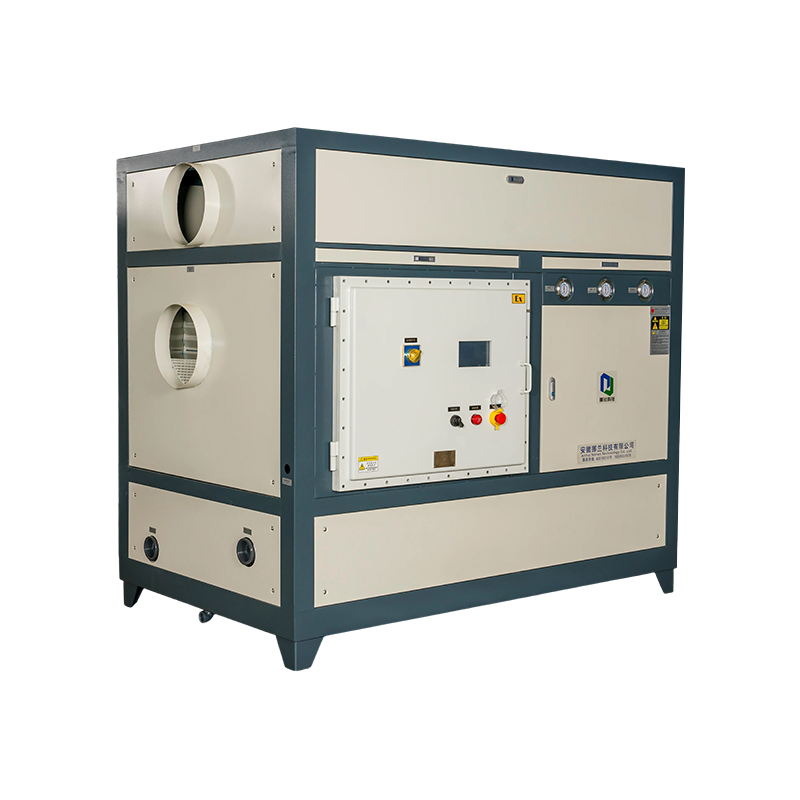
The electrical and control arrangement is a major differentiator between standard refrigeration equipment and an explosion proof refrigeration system. Compressor motors, switching devices, sensors, wiring connections, and control enclosures must be evaluated according to their installation locations and potential ignition sources. Depending on the design, suitable measures may involve certified explosion-protected equipment, appropriately rated enclosures, or other protection techniques permitted by the applicable standards.
Compressor selection must account for the required cooling duty, refrigerant, operating temperatures, and expected load variations. The compressor itself is not automatically suitable for a hazardous location merely because it is installed in a protected enclosure. Motors, terminals, control devices, and auxiliary equipment require separate consideration. The complete configuration should also preserve the manufacturer's specified operating limits and provide appropriate refrigeration-system safeguards.
Control enclosures may incorporate suitable ingress protection, temperature management, wiring arrangements, and certified components as required by the project. In some installations, electrical panels can be positioned outside the classified area when the site layout and applicable requirements permit. Such arrangements can reduce the amount of equipment exposed to hazardous conditions, but they must not be used as a substitute for formal area classification or installation review.
This category is particularly important when a facility needs a tailored configuration rather than a standard catalog unit. A custom explosion proof chiller can be specified around process requirements, compressor selection, electrical protection, control logic, and site constraints. Noran's industrial refrigeration experience supports customized system integration, with final engineering decisions based on the customer's technical specification and applicable compliance requirements.
4. Application-Specific Configurations and Technical Comparison
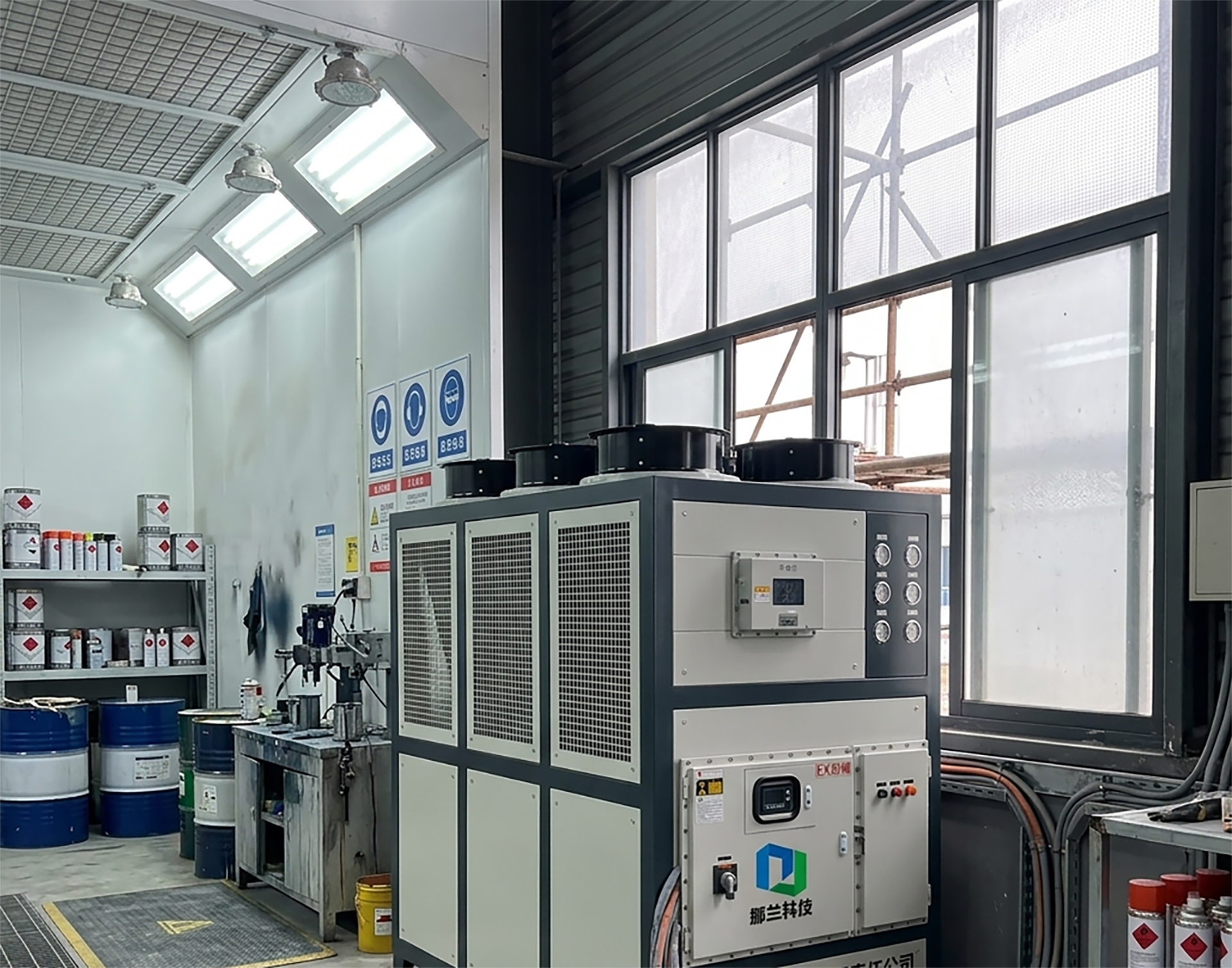
Different industries place different demands on hazardous-area cooling. Paint and coatings production may require chilled water for mixing, dispersion, and temperature-sensitive material preparation. Chemical processing may need controlled heat removal from vessels or process equipment, while pharmaceutical facilities can require consistent temperature conditions for manufacturing stages. Equipment selection should therefore begin with the process duty and then establish the protection configuration needed for the installation environment.
For example, an industrial paint-cooling project in India or China may require a target chilled-water supply temperature of 5 degrees Celsius and a cooling capacity of 45 kW. These values illustrate a project-specific application rather than a universal rating for explosion-protected chillers. The final selection must verify the return-water temperature, flow rate, ambient design conditions, heat load, and hazardous-area classification.
| Product category | Main design focus | Typical applications | Key selection factors |
| Explosion-protected air-cooled chiller | Cooling performance and electrical protection | Industrial machinery and process cooling | Capacity, water temperatures, airflow, area classification |
| Chemical and pharmaceutical process chiller | Process stability and hazardous-area compatibility | Solvent handling, mixing, reactions, pharmaceutical production | Process duty, exposure risks, operating conditions |
| Specialized compressor and control configuration | Component protection and system integration | Facilities with defined electrical protection requirements | Motor ratings, enclosure suitability, control architecture, certification |
The comparison shows that these categories represent different engineering priorities rather than completely separate refrigeration cycles. A single project may combine an air-cooled design, a chemical-process cooling duty, and specialized electrical protection. This integrated approach helps ensure that cooling capacity and safety requirements are addressed within the same technical specification.
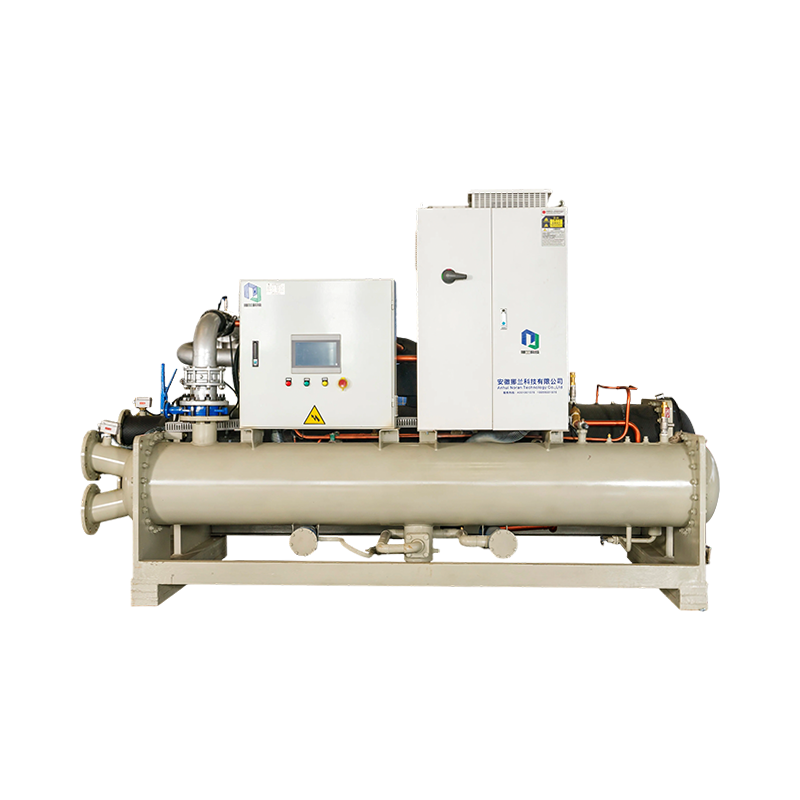
Anhui Noran Technology Co., Ltd. operates a production base of approximately 33,000 square meters in Mingguang City, Anhui Province, following its relocation in 2021. Together with its Hangzhou operations, the company provides industrial refrigeration design, manufacturing, quality control, and project delivery. Its product range includes air-cooled chillers, screw chillers, low-temperature refrigeration units, heat recovery systems, and customized temperature-control equipment. For hazardous-area projects, the specific protection components and available compliance documentation should be confirmed against the order requirements.
5. Safety Standards, Compliance, and Project Implementation
Explosion protection must be established through a documented engineering process. Depending on the country, industry, and installation, relevant frameworks may include IEC 60079 series standards, ATEX requirements in applicable European markets, and the National Electrical Code requirements for classified locations in the United States. These frameworks are not interchangeable in every respect. Equipment certification, installation practices, and acceptance procedures must follow the regulations governing the actual site.
A hazardous area industrial chiller should be specified with reference to the area's classification, the expected hazardous substances, the required protection method, and the environmental conditions. The purchaser should request applicable certificates, equipment markings, electrical documentation, and installation instructions. Where the project involves combustible dust, the assessment must address dust-specific hazards rather than relying only on gas or vapor protection provisions.
Before ordering an explosion-protected cooling unit, industrial buyers should complete the following steps:
- Identify the hazardous substances, area classification, applicable regulations, and required equipment protection level.
- Define cooling capacity, chilled-water supply and return temperatures, flow rate, ambient conditions, and process operating schedule.
- Review compressor and motor configurations, control enclosure suitability, wiring methods, and protection devices.
- Confirm certification scope, documentation, installation responsibilities, commissioning procedures, and maintenance requirements.
These steps help buyers compare technical proposals on a consistent basis. A qualified explosion proof chiller manufacturer should clarify which components are certified, which protection methods are used, and whether the complete equipment assembly falls within the declared certification scope. A supplier should not describe a system as fully explosion-proof solely because selected electrical components have protective ratings.
Noran develops customized refrigeration solutions according to cooling requirements, operating environments, and installation conditions. When evaluating an explosion proof chiller supplier, buyers should confirm the supplier's ability to provide relevant technical documents, coordinate component specifications, and support commissioning and maintenance planning. The suitability of the final equipment depends on documented engineering decisions and compliance verification, not marketing terminology alone.
Frequently Asked Questions
Q1: What distinguishes an explosion-proof chiller from a standard industrial chiller?
The main difference is the selection and integration of electrical, motor, control, and other relevant components to address identified ignition risks. Cooling capacity and refrigeration principles may be similar, but hazardous-area suitability requires appropriate equipment protection, documentation, and installation practices.
Q2: Can an explosion-proof chiller be customized for chemical plants?
Yes. A custom explosion proof chiller can be specified according to process cooling capacity, target water temperatures, flow requirements, compressor configuration, and hazardous-area classification. Final component selection and certification requirements must be confirmed before production.
Q3: Is an air-cooled design suitable for oil and gas facilities?
An explosion proof chiller for oil and gas applications may be suitable when its cooling performance, equipment protection, and installation configuration meet the site's engineering requirements. The location's gas classification, ambient conditions, ventilation, and applicable industry regulations must be reviewed before selection.
Q4: What information should buyers provide when requesting a quotation?
Buyers should provide the required cooling capacity, chilled-water supply and return temperatures, flow rate, process description, ambient conditions, installation location, hazardous-area classification, applicable standards, and requested documentation. These details help the engineering team determine a suitable configuration and identify requirements that need further confirmation.
Q5: How can Noran support hazardous industrial cooling projects?
Anhui Noran Technology Co., Ltd. provides industrial refrigeration equipment and customized temperature-control solutions. Project support can include reviewing process requirements, selecting an appropriate air-cooled or other refrigeration configuration, coordinating specialized electrical and control components, and preparing technical information for compliance review. Certification and protection capabilities should be verified for each proposed configuration.


