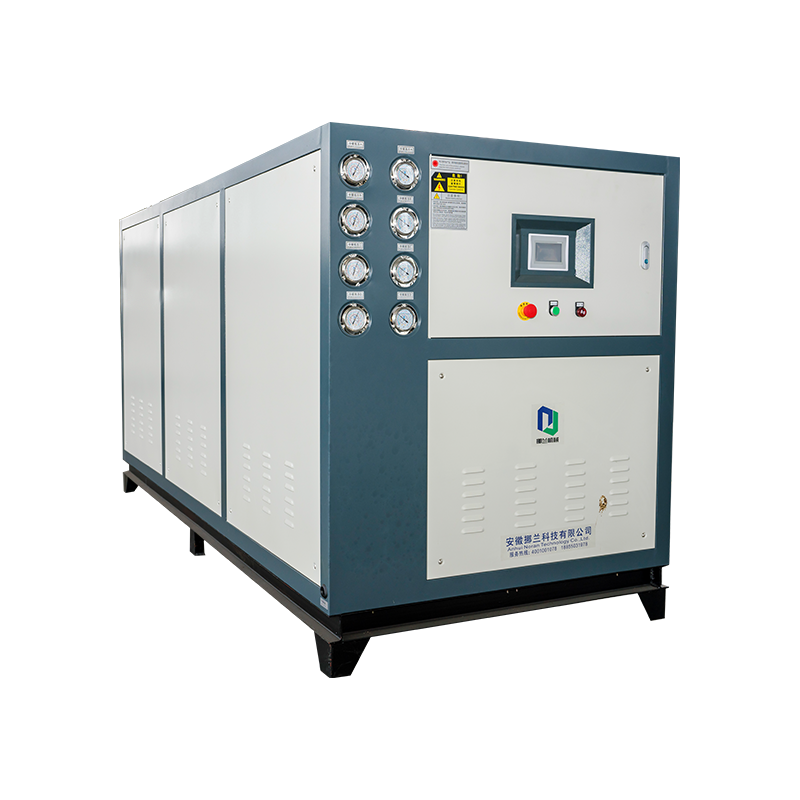
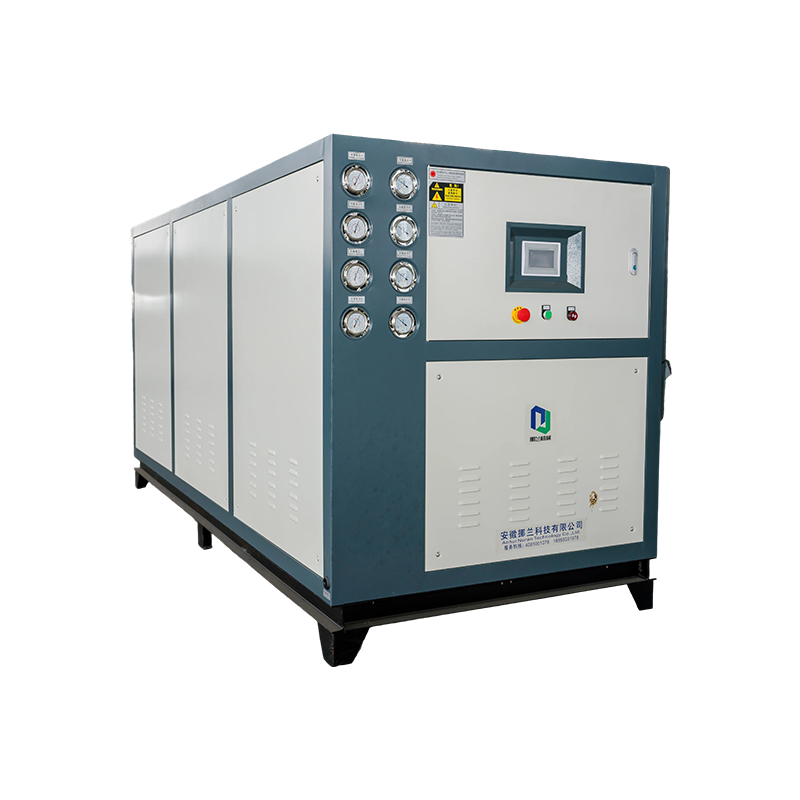
Why is my water cooled chiller losing cooling capacity?
Maintaining optimal thermal efficiency in large-scale manufacturing facilities depends heavily on the consistent performance of heavy-duty thermal regulation assets. When a water cooled chiller experiences a sudden or gradual drop in thermal performance, it can severely disrupt production workflows, compromise product quality, and lead to costly downtime. Understanding the root causes of capacity loss is essential for facility engineers seeking to restore peak operation. These systems rely on complex thermodynamic interactions between refrigerant circuits, shell-and-tube heat exchangers, and external cooling tower water loops. Any disruption in these interconnected stages directly impacts the overall heat rejection capability, reducing the system's ability to maintain precise temperature setpoints for critical manufacturing equipment.
Common culprits behind diminished cooling output include condenser tube fouling, refrigerant leaks, insufficient water flow rates, and ambient tower water temperature spikes. Because these units provide efficient heat transfer performance and are widely used in large industrial facilities requiring continuous cooling operation, even minor maintenance oversights can compound into major operational bottlenecks. To address these complex thermal requirements globally, Hangzhou Noran Machinery Equipment Co., Ltd. was founded in 2014, focusing on the R&D and manufacturing of high-end refrigeration equipment. In 2021, Anhui Noran Technology Co., Ltd. was established, with a 50-mu production base built in Mingguang, Anhui Province, continuously upgrading capabilities in R&D, manufacturing and project delivery.
Selecting the right equipment architecture is equally important for long-term reliability across demanding industrial sectors. Noran mainly supplies industrial water chillers, air coolers, mold temperature control systems, explosion-proof refrigeration units and magnetic levitation centrifugal units. Its products are widely used in powder coating, plastic mould, electronic photovoltaic, pharmaceutical chemical and other industries. Supported by technological innovation, university cooperation and patent reserves, we are committed to providing customers with stable, energy-saving and customizable industrial temperature control solutions.
Condenser Tube Fouling and Scaling Diagnostics
Condenser tube fouling is one of the most frequent reasons for thermal capacity degradation in large refrigeration assets. Defined as the accumulation of mineral deposits, algae, silt, or biological growth on the inner walls of shell-and-tube condensers, fouling acts as an insulating barrier that severely restricts heat transfer between the refrigerant and the cooling tower water. The core function of the condenser is to release absorbed heat into the external water loop; when scale buildup impedes this process, condensing pressures rise and compressor energy consumption surges. Typical application scenarios where fouling occurs rapidly include chemical processing plants and heavy manufacturing operations using open-loop tower systems with hard water. The differential advantage of addressing tube fouling promptly lies in restoring original design efficiency and preventing permanent compressor damage. When investigating capacity loss, plant technicians often evaluate an industrial water cooled chiller for signs of elevated head pressure and high approach temperatures. As a leading water cooled chiller manufacturer, Noran designs equipment with accessible, cleanable tube bundles and corrosion-resistant materials to mitigate the impacts of aggressive water conditions.
Resolving fouling and maintaining high energy efficiency requires a structured mechanical and chemical cleaning protocol to ensure safe restoration of heat transfer surfaces.
- Isolate the condenser water circuit and drain the water box completely before inspecting the interior tube surfaces.
- Perform mechanical tube brushing or chemical circulation using approved descaling agents to remove stubborn mineral scale.
- Flush the entire water loop thoroughly with clean water to neutralize cleaning chemicals and eliminate loose debris.
- Inspect and service the water treatment dosing system to prevent future biological growth and mineral precipitation.
Refrigerant Circuit Anomalies and Low-Charge Symptoms
Refrigerant undercharge or flow restrictions within the closed-loop circuit represent another critical factor leading to diminished cooling performance. Defined as a deficit of working fluid caused by slow pinhole leaks, pipe vibrations, or improper servicing, a low refrigerant charge starves the evaporator of liquid, reducing overall heat absorption. The core technical feature of a reliable water cooled process chiller is its sealed thermodynamic circuit operating under strict pressure and superheat parameters. When refrigerant levels drop, suction pressures plummet, compressor run times increase, and safety low-pressure cutouts may trip unexpectedly. Typical applications affected by refrigerant loss include precision pharmaceutical manufacturing and food processing lines where constant temperature stability is mandatory. Addressing these issues requires specialized diagnostic tools and certified technicians to locate leaks, repair piping integrity, and recharge the system accurately. Facility operators seeking a dependable water cooled chiller supplier rely on robust engineering designs that incorporate automated leak detection and robust pressure relief systems. Furthermore, integrating a properly balanced water cooled refrigeration system ensures that thermodynamic cycles remain stable under fluctuating production loads.
Executing a successful refrigerant circuit repair and recharge involves a precise, step-by-step technical methodology to guarantee long-term operational reliability.
- Perform a comprehensive electronic leak test and pressure verification using dry nitrogen across all brazed joints and valve connections.
- Repair any identified cracks or loose fittings using certified welding and sealing techniques suitable for industrial pressures.
- Evacuate the entire refrigeration circuit to deep vacuum levels to eliminate trapped moisture and non-condensable gases.
- Weigh in the exact factory-specified refrigerant charge and calibrate expansion valves to achieve optimal superheat and subcooling values.
Cooling Tower Performance and Water Flow Optimization
External cooling tower performance and circulating water flow rates directly dictate the heat rejection capacity of any large-scale thermal plant. Defined as the rate at which heat is dissipated from the condenser water into the surrounding atmosphere, poor tower performance raises entering water temperatures and chokes the refrigeration cycle. The core function of an optimized water loop is to deliver cool, clean water to the condenser at or near design specifications, regardless of peak ambient weather conditions. Typical application scenarios experiencing this issue include large manufacturing plants operating during high-humidity summer months where cooling tower efficiency drops. The differential advantage of maintaining optimal water flow lies in preventing high-head pressure trips and reducing overall electrical overhead. Industrial facilities incorporating a dedicated water cooled chiller for factory coolling must ensure that pumps, strainers, and tower fans operate at peak design parameters. Engineers utilizing a specialized water cooled industrial chiller for cooling system integration appreciate the stable performance delivered by proper hydraulic balancing. Similarly, deploying a high-capacity water cooled industrial chiller for refrigeration solutions guarantees that massive heat loads are managed effectively across complex multi-stage plant networks.
Through advanced manufacturing expertise and rigorous quality control, modern thermal solutions provide stable operation, high energy efficiency, and flexible system integration for global industrial clients.
| Capacity Loss Symptom |
Primary Root Cause |
Diagnostic Indicator |
Corrective Maintenance Action |
| High Head Pressure |
Condenser Tube Fouling |
High Approach Temperature |
Mechanical Tube Cleaning & Descaling |
| Low Suction Pressure |
Refrigerant Leak / Starvation |
Low Evaporator Superheat |
Leak Detection, Repair & Recharge |
| Thermal Overload Trip |
Cooling Tower Inefficiency |
High Entering Water Temp |
Clean Tower Fills & Check Fan Motors |
Frequently Asked Questions
Q1: How does condenser tube scaling affect the cooling capacity of a water-cooled chiller?
Condenser tube scaling acts as a thermal insulator, preventing heat from transferring effectively from the refrigerant to the cooling water. This causes condensing temperatures and pressures to rise, forcing the compressor to work harder and reducing the overall cooling output of the system.
Q2: What are the primary signs that a water-cooled chiller has a refrigerant leak?
Primary signs of a refrigerant leak include reduced cooling capacity, low suction pressure alarms, frequent compressor low-pressure cutouts, extended running cycles, and visible oil residue around pipe joints or valve stems.
Q3: Why is water quality management important for maintaining chiller performance?
Proper water quality management prevents mineral scaling, biological fouling, and pipe corrosion inside the condenser tubes and cooling tower loop, ensuring optimal heat transfer efficiency and extending the operational lifespan of the equipment.
Q4: How do ambient weather conditions impact the efficiency of a water-cooled refrigeration system?
High ambient wet-bulb temperatures reduce the heat rejection capacity of the external cooling tower, raising the temperature of the water entering the condenser and decreasing the overall energy efficiency and cooling performance of the chiller.

 English
  Français
  Español
  Português
  عربى
عربى  Türk
Türk  हिंदी
हिंदी