Core Performance Specifications and Operational Maintenance for Industrial Screw Chillers
Industrial screw chillers are designed for manufacturing facilities and process environments that require substantial cooling capacity, stable temperature control, and reliable operation over extended periods. Their performance depends on compressor design, refrigeration circuit configuration, capacity regulation, heat exchange efficiency, and maintenance practices. Selecting the appropriate equipment requires more than comparing nominal cooling capacity. Engineers must evaluate operating conditions, cooling load variations, energy consumption, and the demands of continuous production.
A properly configured industrial screw refrigeration system can support centralized cooling networks and demanding industrial processes. Its operational value comes from matching refrigeration output to actual demand while maintaining dependable performance under changing conditions.
1. Screw Compressor Technology and Cooling Performance
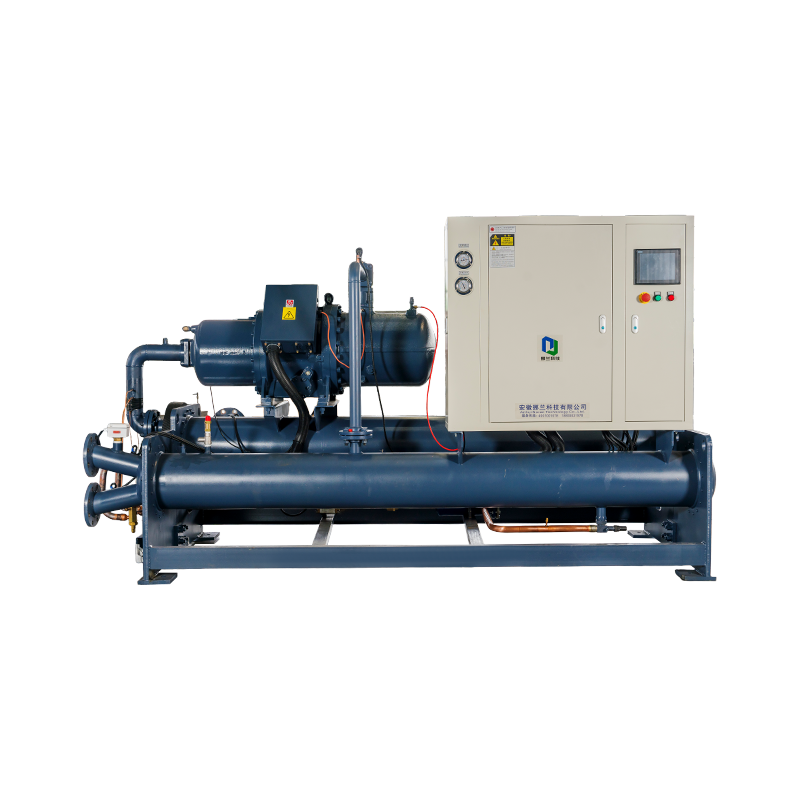
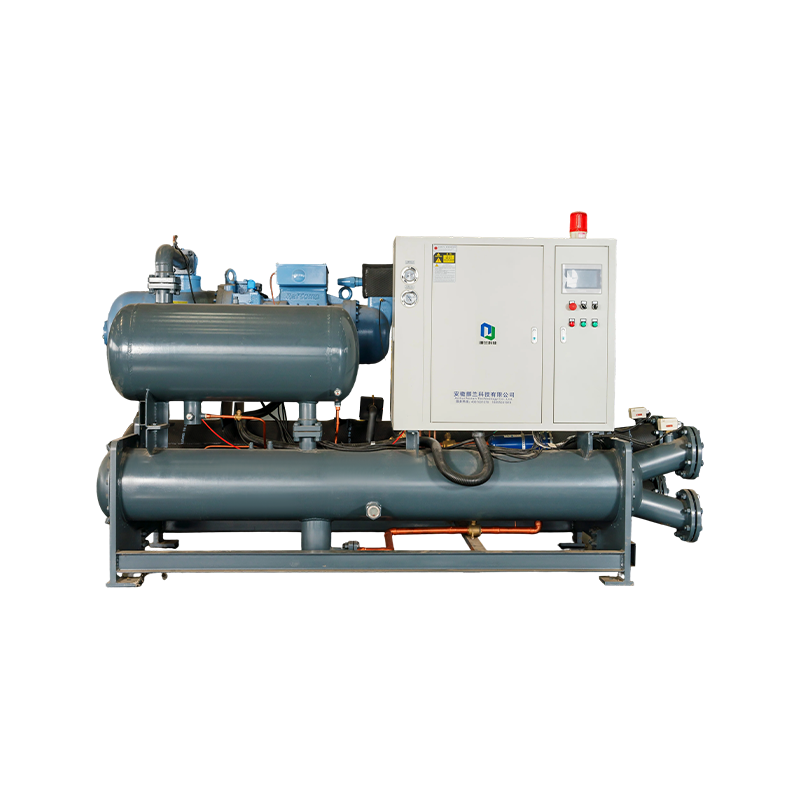
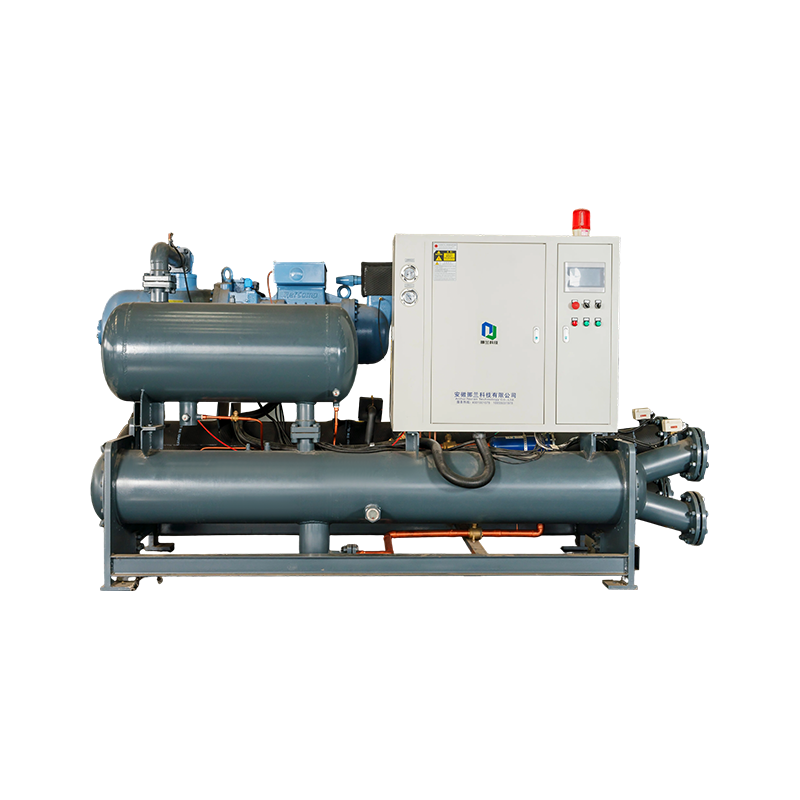
The screw compressor is the primary component responsible for refrigerant compression and continuous cooling output. It uses rotating screw elements to compress refrigerant vapor before the refrigerant releases heat through the condenser. Compared with equipment designed mainly for intermittent or relatively small cooling loads, screw compression technology is well suited to industrial applications that require extended operating hours and substantial refrigeration capacity.
A screw compressor chiller is commonly selected for factories where production equipment generates a continuous heat load. Compressor configuration, motor performance, lubrication, refrigerant management, and operating pressure all influence overall reliability. Stable oil circulation and effective heat rejection help reduce unnecessary component stress, while appropriate protection controls can respond to abnormal pressure, temperature, and motor conditions.
Compressor selection should reflect the actual duty cycle rather than the highest theoretical capacity alone. Facilities with relatively constant loads may prioritize steady-state efficiency, whereas plants with frequent production changes need effective capacity adjustment and reliable part-load operation. Proper equipment sizing also helps avoid excessive cycling, unstable supply temperatures, and inefficient operation.
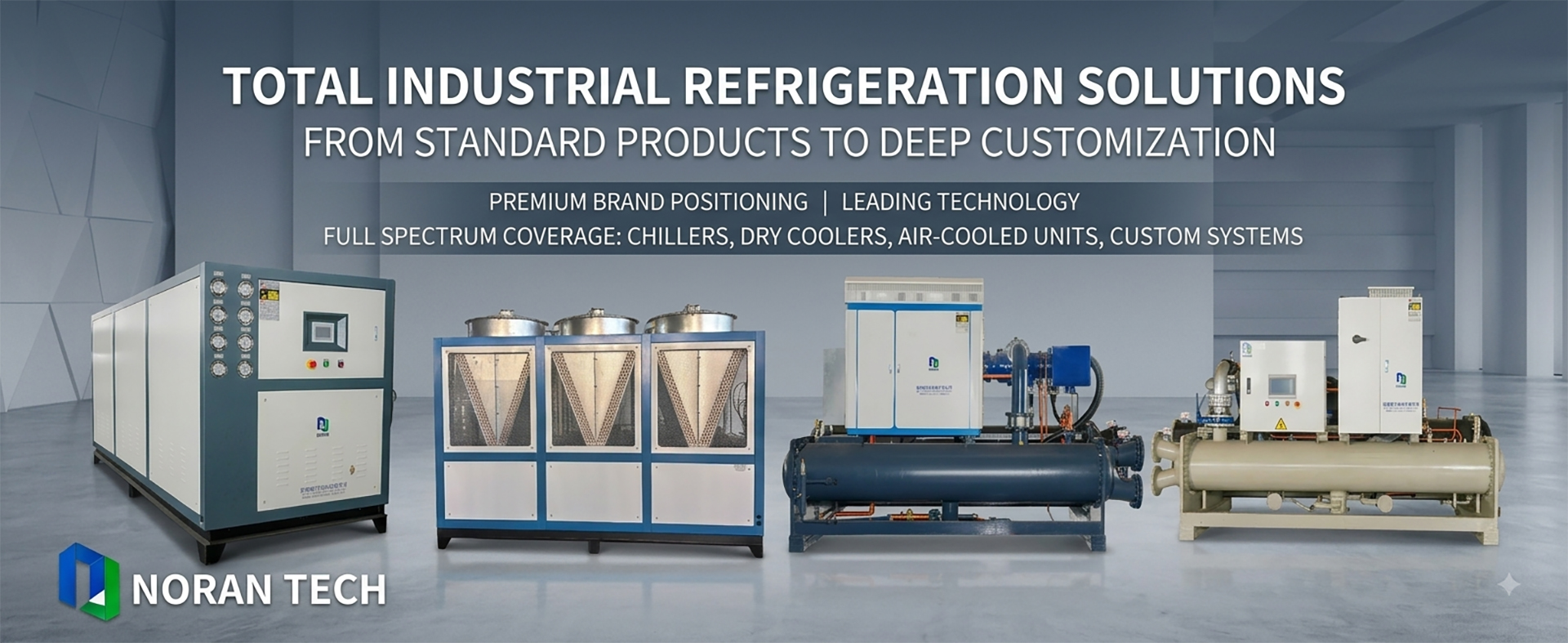
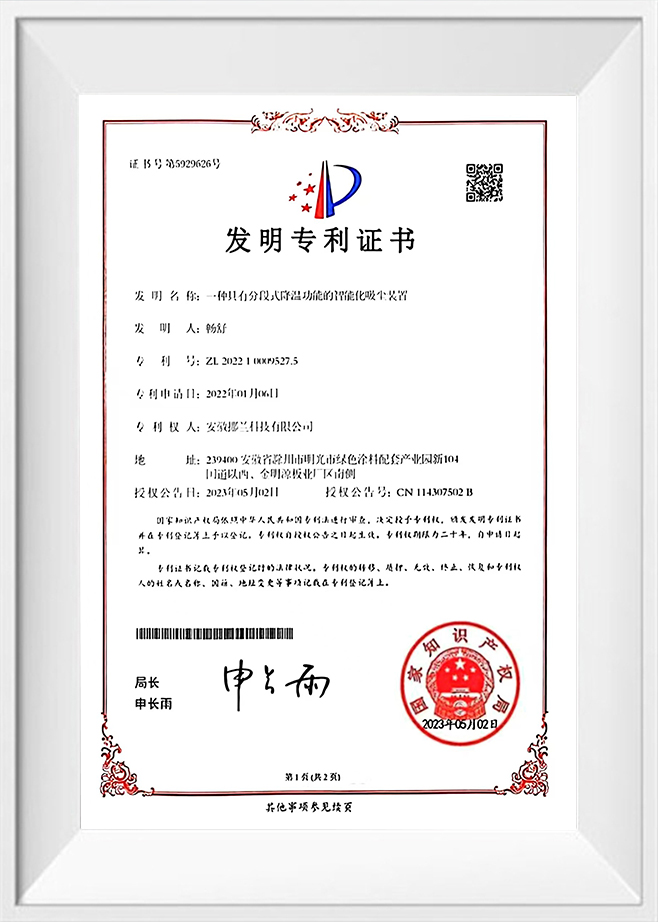
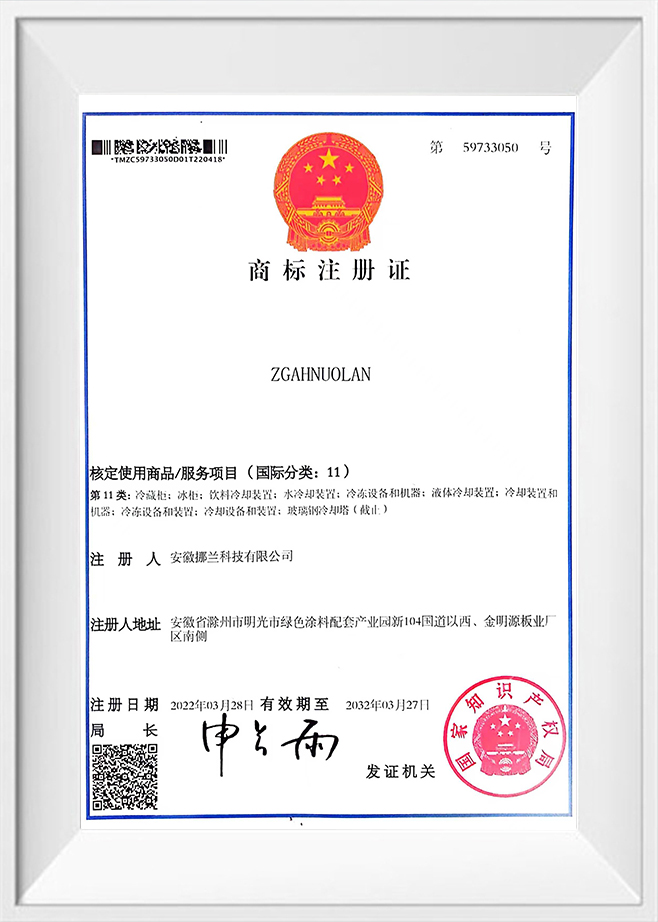
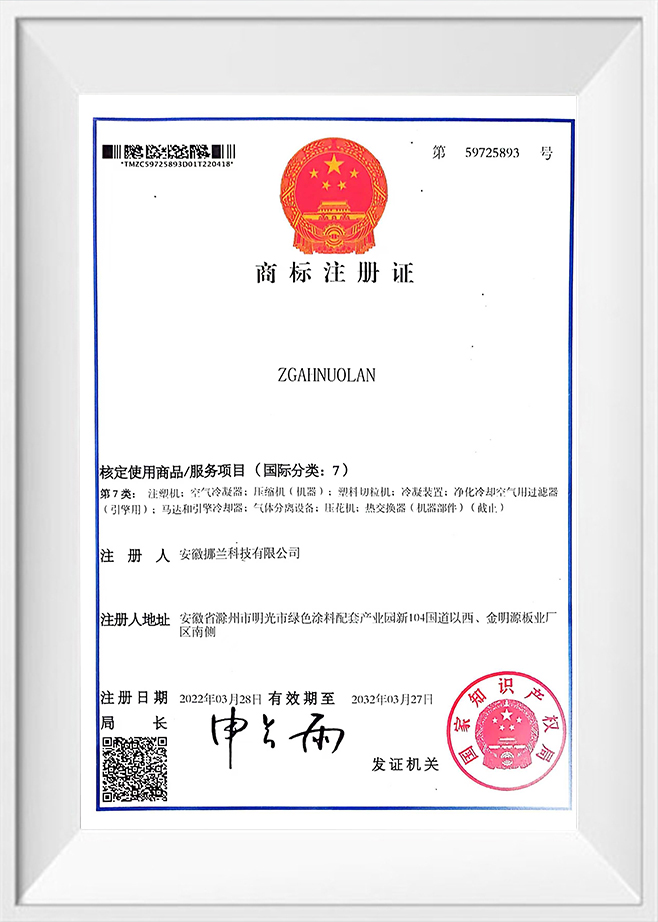
Anhui Noran Technology Co., Ltd. develops industrial refrigeration equipment and customized temperature control solutions for different process requirements. Its engineering approach considers cooling demand, installation conditions, operating environments, and equipment integration when configuring screw chiller systems.
2. Stepless Capacity Regulation and Industrial Load Matching
Industrial cooling demand rarely remains completely constant throughout a production shift. Changes in machine output, material throughput, ambient temperature, and process schedules can cause significant load fluctuations. Stepless capacity regulation allows refrigeration output to adjust progressively instead of relying exclusively on repeated transitions between full-capacity operation and shutdown.
Depending on the compressor design and control configuration, capacity adjustment may use a slide valve or another modulation mechanism. The controller evaluates operating conditions and adjusts compressor output to maintain the required cooling performance. This approach can reduce unnecessary starts, improve temperature stability, and limit the energy penalties associated with frequent cycling.
An industrial screw cooling system with appropriate load regulation is particularly useful in centralized cooling installations serving multiple production lines. However, modulation performance depends on the compressor's permitted operating range, minimum stable capacity, refrigerant circuit design, and control logic. At very low loads, efficiency may decline, making correct unit selection and system staging important.
For medium-scale industrial cooling, equipment should be selected according to normal operating demand and anticipated load variation. A screw chiller for industrial medium-scale cooling may serve individual production departments, processing equipment, or a compact central cooling network. Larger facilities may require multiple compressors or coordinated chiller units to maintain capacity availability and accommodate different operating schedules.
Key Benefits of Capacity Regulation
- Improved load matching: Refrigeration output can follow changing production requirements.
- Reduced cycling: Progressive adjustment can limit unnecessary compressor starts and stops.
- More stable process conditions: Suitable control settings help maintain the required chilled-water supply temperature.
- Operational flexibility: The system can accommodate different production schedules within its approved operating range.
3. COP and Energy Efficiency Evaluation
The coefficient of performance, commonly abbreviated as COP, is an important indicator of refrigeration efficiency. It expresses the relationship between useful cooling output and the energy consumed by the equipment under specified test conditions. A higher COP generally indicates better energy efficiency at the stated operating point, but comparisons are meaningful only when the test conditions and measurement boundaries are consistent.
For industrial applications, COP should be assessed alongside cooling capacity, electrical input, chilled-water temperatures, condenser conditions, and operating load. A unit tested under favorable ambient conditions may perform differently in a hot factory environment. Similarly, a chiller operating at partial load may show a different efficiency profile from one running near its rated capacity.
When evaluating an industrial screw refrigeration system, engineers should also distinguish compressor efficiency from total system efficiency. Pumps, cooling tower fans, condenser fans, and auxiliary equipment can contribute significantly to overall electricity consumption. Optimizing only the compressor may therefore fail to deliver the expected facility-level savings.
Anhui Noran Technology Co., Ltd. provides industrial cooling equipment for applications with varying capacity and environmental requirements. Equipment selection can take account of expected operating hours, heat rejection conditions, control requirements, and the need for customized integration. These factors help establish realistic performance expectations before installation.
Factors Affecting Energy Performance
- Condenser cleanliness and the effectiveness of heat rejection.
- Chilled-water supply and return temperatures.
- Compressor loading and the frequency of capacity changes.
- Refrigerant charge condition and heat exchanger performance.
- Water flow stability, pump control, and auxiliary equipment consumption.
4. Product Categories and Industrial Application Differences
Screw chillers can be configured for different capacity ranges, heat rejection methods, and operating environments. Rather than treating all models as interchangeable, procurement teams should identify the application category that best reflects the facility's heat load, available utilities, installation space, and maintenance resources. The following categories illustrate common configuration directions rather than fixed industry-wide capacity classifications.
Medium-Capacity Industrial Screw Chillers
Medium-capacity units are generally intended for individual workshops, production departments, and process equipment groups with substantial but manageable cooling demand. They can provide a centralized source of chilled water without requiring the infrastructure of a very large plant. Typical applications include plastics processing, industrial coating, electronics production, and machinery temperature control.
A screw chiller for industrial medium-scale cooling should be selected according to peak demand, normal running load, and the consequences of temporary cooling interruptions. Modular system planning may allow future capacity expansion, while suitable pumps and distribution piping help maintain flow to different users. Compared with a large central installation, this category can offer simpler deployment and more localized maintenance access.
For workshop projects, an industrial screw chiller for workshop cooling systems may be configured around available floor space, ventilation, process temperatures, and the location of heat-generating machinery. The final arrangement should account for condenser airflow or cooling-water availability, electrical capacity, service clearances, and the effect of equipment noise on the working environment.
Large-Capacity Central Screw Chillers
Large-capacity screw chillers serve facilities with extensive cooling networks, multiple production lines, or heavy process heat loads. They are often integrated into centralized utility systems where operating continuity and coordinated control are critical. Chemical processing plants and large manufacturing facilities may use this arrangement to supply cooling to several departments from a shared refrigeration plant.
A screw chiller for industrial large-scale cooling requires careful attention to equipment staging, hydraulic balancing, heat rejection capacity, and system redundancy requirements. Multiple units can provide operating flexibility when demand changes or maintenance is necessary. Compared with a single smaller unit, a central configuration can simplify the overall cooling architecture, although it generally requires more detailed commissioning and coordinated maintenance planning.
Anhui Noran Technology Co., Ltd. offers industrial refrigeration equipment and customized cooling solutions for large industrial projects. System configuration can consider production demand, installation conditions, temperature accuracy, and integration with existing plant infrastructure. Final capacity and configuration should be established through project-specific engineering assessment.
Air-Cooled and Water-Cooled Screw Chillers
Air-cooled screw chillers reject heat through ambient air and condenser fans. They are often considered where cooling-water infrastructure is limited or where a cooling tower is impractical. Their performance is influenced by outdoor temperature, airflow, condenser cleanliness, and installation clearance.
Water-cooled screw chillers transfer heat to a circulating water system and typically require a cooling tower or another suitable heat rejection arrangement. They can be appropriate for large installations with established cooling-water infrastructure. However, water treatment, scale control, pump maintenance, and cooling tower servicing become important parts of the operating plan.
The distinction between these categories concerns heat rejection and site requirements rather than compressor technology alone. The preferred configuration depends on climate, utilities, energy objectives, available space, and maintenance capabilities.
| Configuration |
Primary function |
Typical application |
Key consideration |
| Medium-capacity screw chiller |
Localized process cooling |
Workshops and production departments |
Load variation and installation space |
| Large-capacity screw chiller |
Centralized high-load cooling |
Large factories and chemical processing |
System staging and operating continuity |
| Air-cooled screw chiller |
Air-based heat rejection |
Sites with limited cooling-water infrastructure |
Ambient temperature and airflow |
| Water-cooled screw chiller |
Water-based heat rejection |
Central plants with cooling-water systems |
Water quality and tower maintenance |
5. Routine Maintenance for Continuous Heavy-Duty Operation
Continuous industrial operation makes preventive maintenance essential to refrigeration reliability. Small changes in pressure, temperature, vibration, or electrical consumption can indicate developing problems before they lead to an unexpected shutdown. Maintenance intervals should follow the manufacturer's instructions, operating hours, refrigerant type, environmental conditions, and applicable safety requirements.
Operators should maintain records of chilled-water temperatures, compressor status, refrigerant circuit pressures, motor current, alarms, and unusual operating sounds. Comparing current readings with an established baseline can help identify performance deterioration. Any adjustment involving refrigerant handling, electrical protection, or internal compressor components should be performed by qualified personnel using approved procedures.
Recommended Maintenance Sequence
- Inspect operating conditions: Review alarms, temperatures, pressures, vibration, and visible signs of leakage.
- Check heat exchange equipment: Inspect condenser and evaporator cleanliness, airflow, water flow, and signs of fouling.
- Review lubrication and refrigerant condition: Follow approved procedures for oil checks, leak detection, and refrigerant circuit inspection.
- Test controls and protection devices: Verify sensors, safety cutouts, electrical connections, and capacity regulation functions.
- Document service findings: Record corrective work, replacement parts, abnormal trends, and recommended follow-up actions.
Maintenance requirements differ between air-cooled and water-cooled installations. Air-cooled equipment needs unobstructed condenser airflow and periodic coil cleaning. Water-cooled systems require additional attention to water quality, cooling tower performance, circulation pumps, and heat exchanger scaling. Both types benefit from checking electrical terminals, verifying control settings, and confirming that operating conditions remain within the equipment's approved limits.
6. Selecting a Qualified Manufacturing and Supply Partner
Choosing a screw chiller manufacturer or screw chiller supplier requires an assessment of technical capability, configuration options, quality control, and after-sales support. Buyers should provide realistic cooling load information, required supply and return temperatures, site conditions, operating schedules, and any special process constraints. These details allow suppliers to recommend an appropriate configuration rather than relying on nominal capacity alone.
An experienced industrial screw chiller manufacturer should be able to explain compressor selection, control functions, heat exchanger arrangements, protective devices, and maintenance requirements. An industrial screw chiller supplier should also clarify commissioning responsibilities, documentation, spare parts availability, and service arrangements. For customized projects, coordination between equipment design, installation engineering, and the plant's operating team is particularly important.
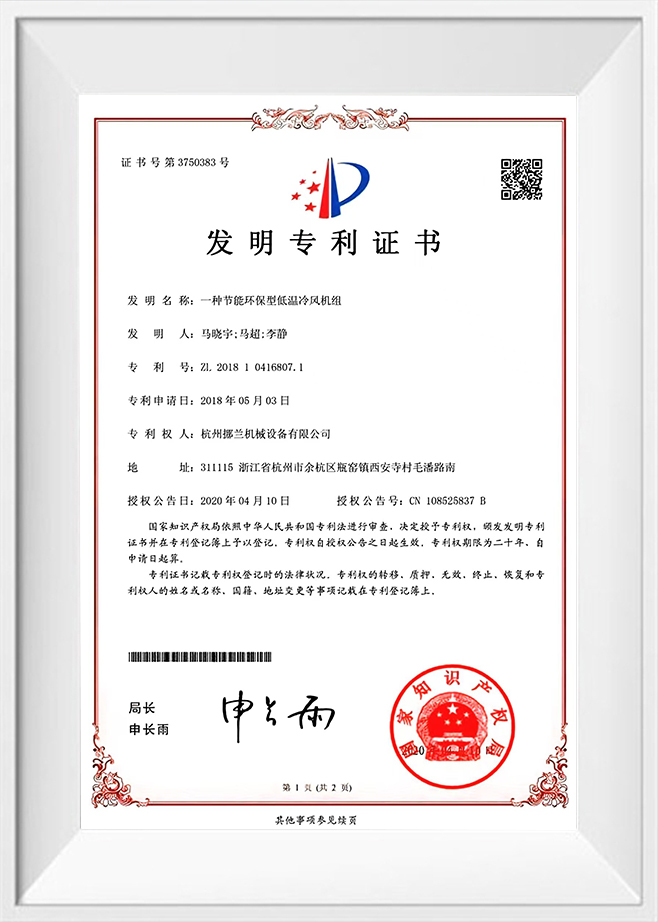
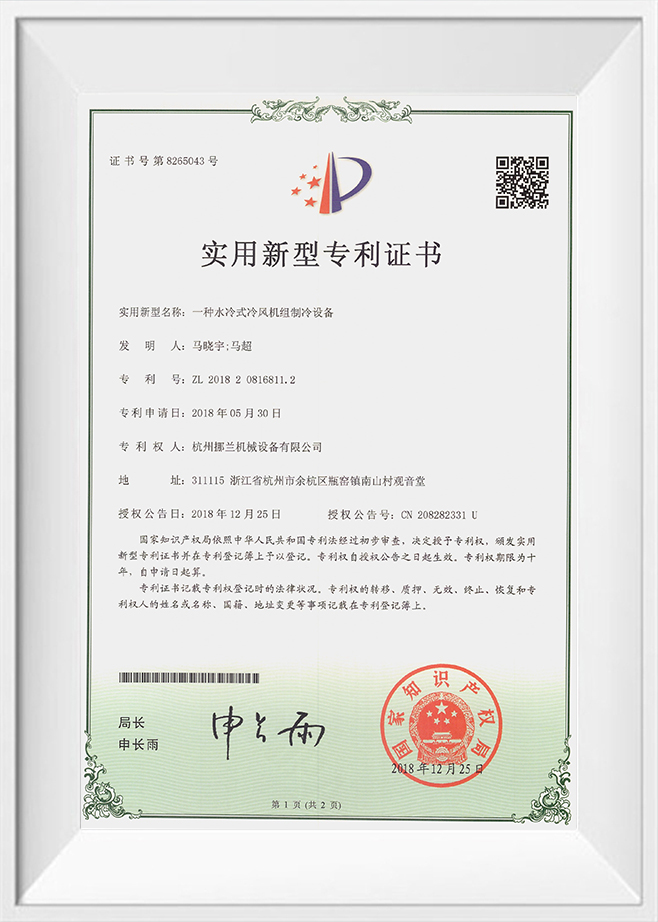
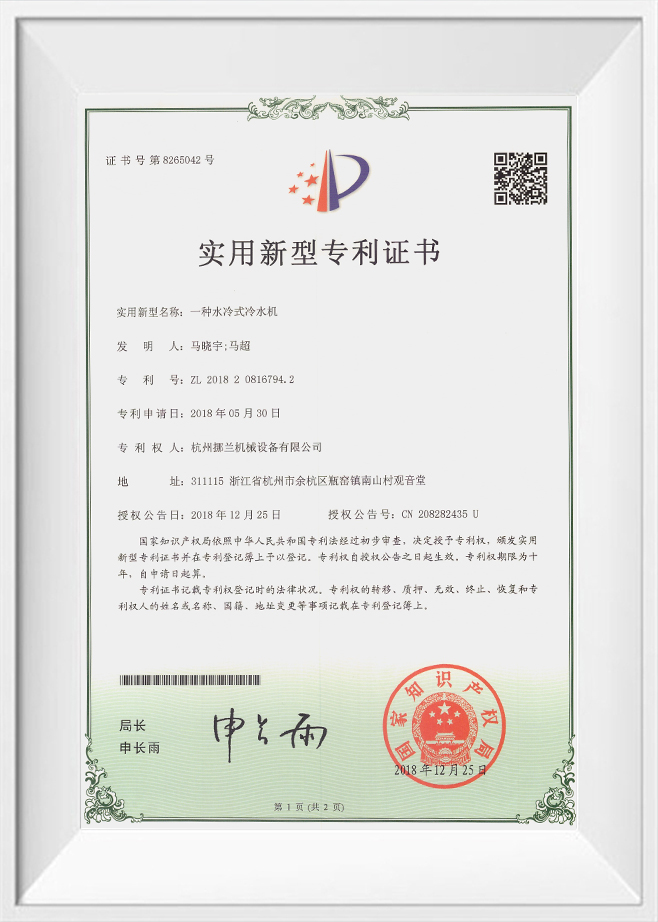
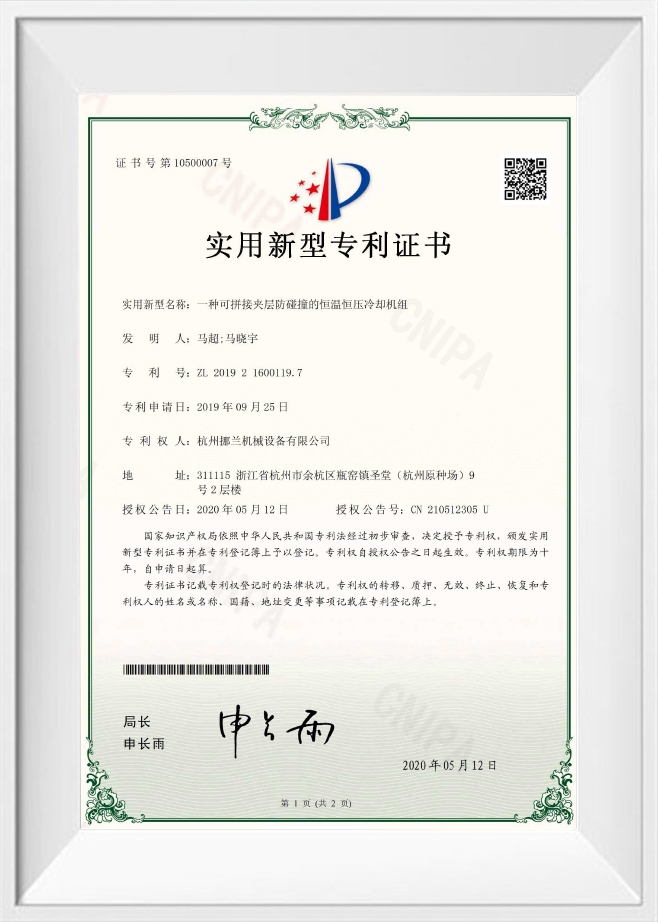
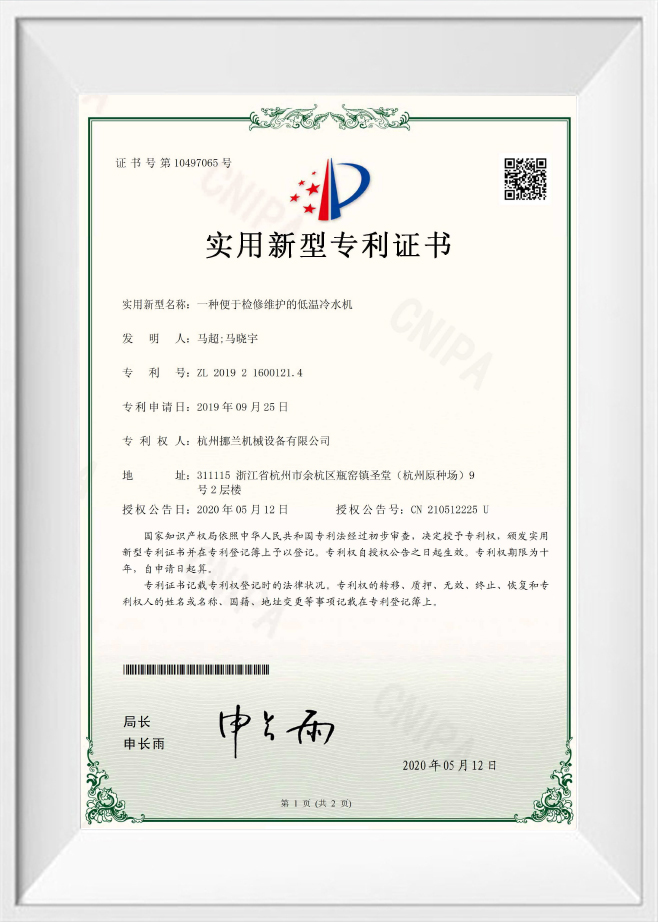
Founded in 2014, Anhui Noran Technology Co., Ltd. focuses on industrial refrigeration equipment and customized temperature control solutions. Following its relocation to Anhui in 2021, the company established a production base of approximately 33,000 square meters in Mingguang City, Anhui Province. Together with Hangzhou Noran, it provides integrated refrigeration solutions for industrial customers. Its product range includes industrial chillers, screw chillers, low-temperature refrigeration units, heat recovery systems, air cooling systems, and explosion-proof refrigeration equipment.
For projects requiring a screw chiller for industrial large-scale cooling or medium-capacity process cooling, Noran can assess cooling capacity, temperature requirements, operating environments, and installation constraints as part of equipment selection. Its engineering and manufacturing capabilities support customized system integration for sectors including plastics, pharmaceuticals, chemicals, electronics, and industrial painting.
Frequently Asked Questions
Q1: What applications are suitable for industrial screw chillers?
Industrial screw chillers are suitable for medium- and large-scale cooling requirements, including industrial manufacturing, chemical processing, centralized cooling networks, and production workshops. Final selection depends on the cooling load, process temperature, operating schedule, and site conditions.
Q2: How does stepless capacity regulation improve operation?
Stepless regulation allows the chiller to adjust refrigeration output progressively as demand changes. When correctly configured, it can reduce unnecessary cycling, improve temperature stability, and support more efficient operation under variable loads.
Q3: Is COP sufficient for comparing screw chiller efficiency?
COP is useful when units are evaluated under comparable test conditions, but it should not be the only selection criterion. Buyers should also consider part-load performance, auxiliary power consumption, condenser conditions, annual operating hours, and the efficiency of the complete cooling system.
Q4: What maintenance is essential for continuous industrial operation?
Essential tasks include monitoring operating parameters, inspecting heat exchangers, checking water flow or condenser airflow, reviewing lubrication and refrigerant conditions, testing protection devices, and recording maintenance findings. Service intervals should follow the manufacturer's recommendations and actual operating conditions.
Q5: What should buyers evaluate when selecting an industrial screw chiller manufacturer?
Buyers should review technical design capability, cooling capacity selection, control options, quality management, commissioning support, spare parts availability, and customization experience. Providing accurate process data and installation requirements helps the manufacturer recommend a suitable refrigeration configuration.
Reliable industrial screw chiller performance depends on matching compressor technology to the cooling load, maintaining effective capacity control, evaluating energy efficiency under realistic operating conditions, and following a structured maintenance program. Combining these practices with careful equipment selection and qualified technical support helps industrial facilities maintain stable cooling performance throughout demanding production cycles.

 English
 Français
 Español
 Português
 عربى
 Türk
 हिंदी