
 English
  Français
  Español
  Português
  عربى
عربى  Türk
Türk  हिंदी
हिंदी 

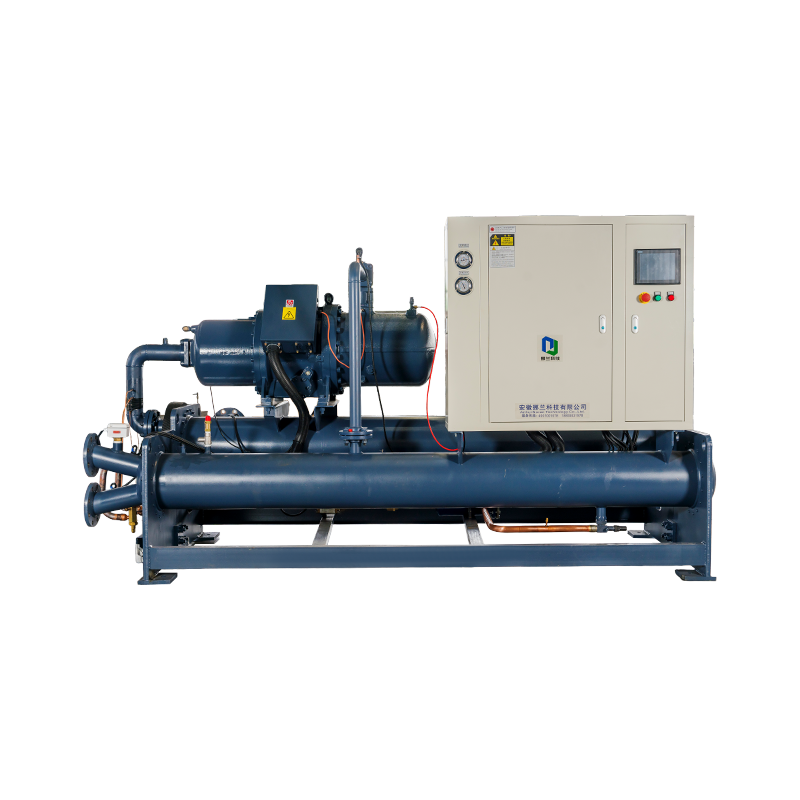
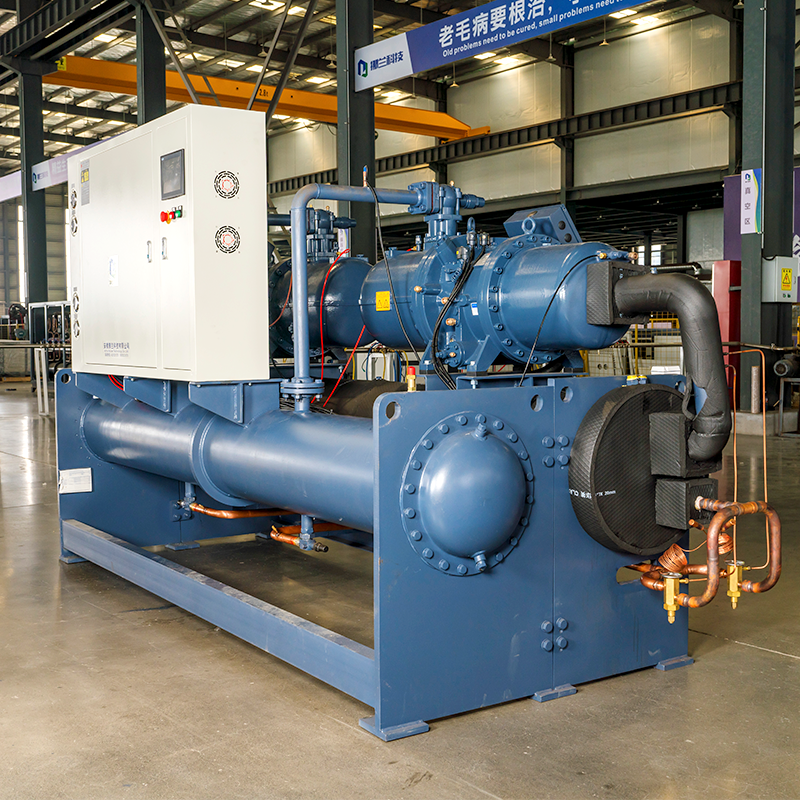
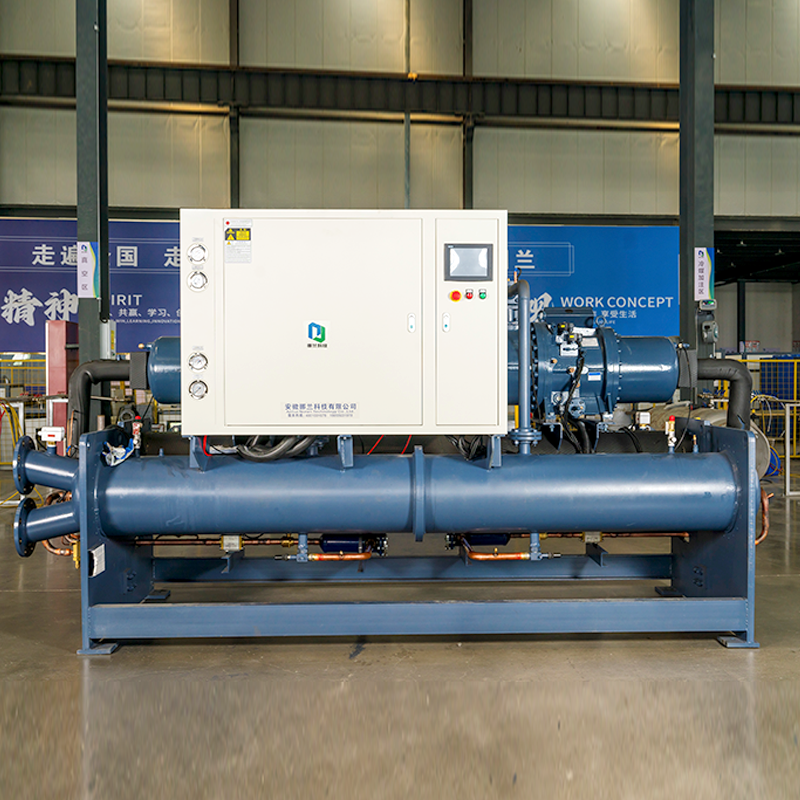
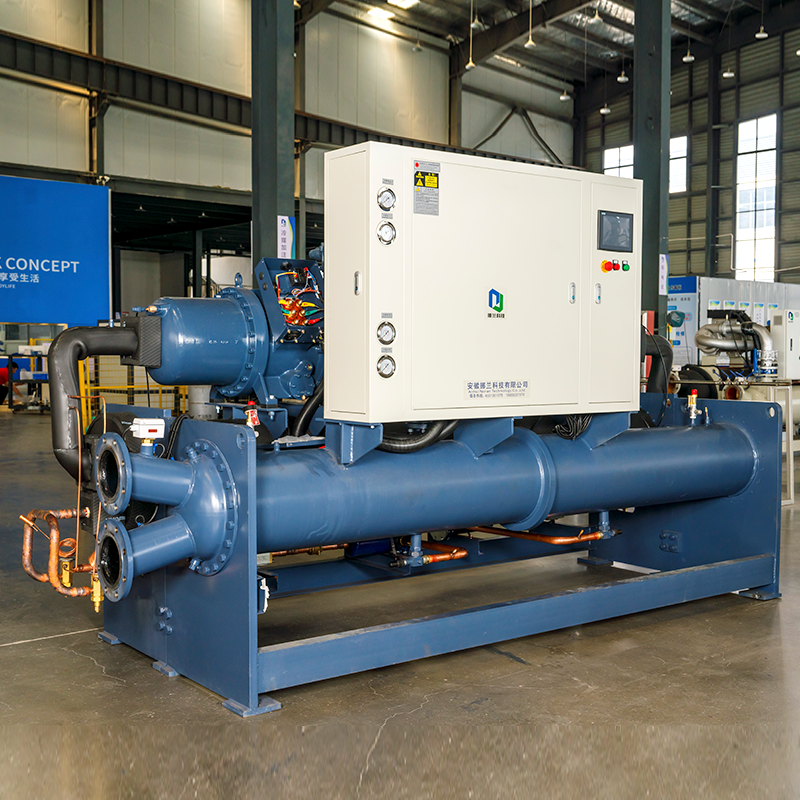
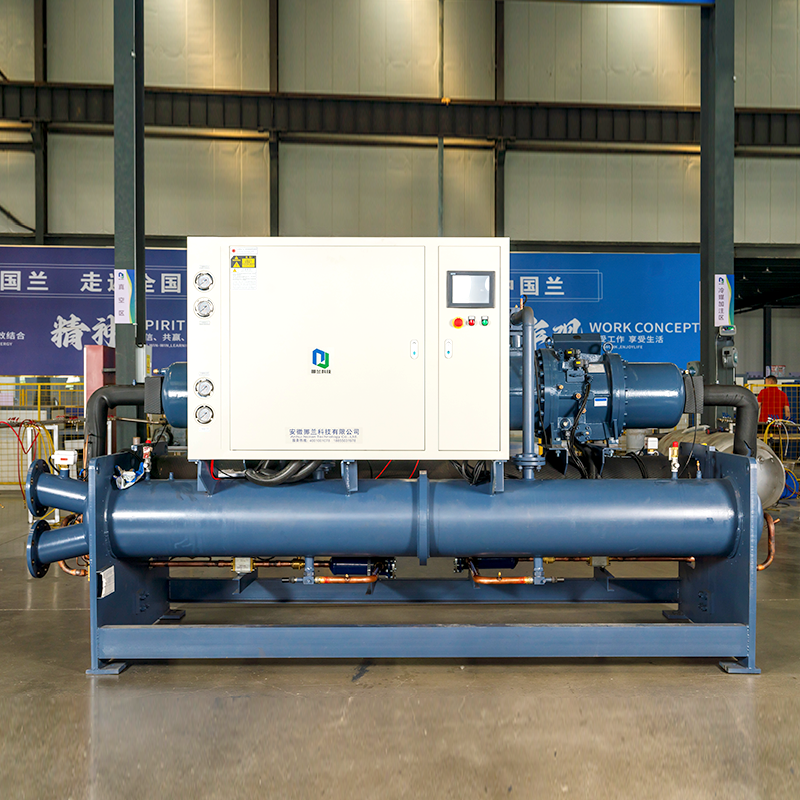
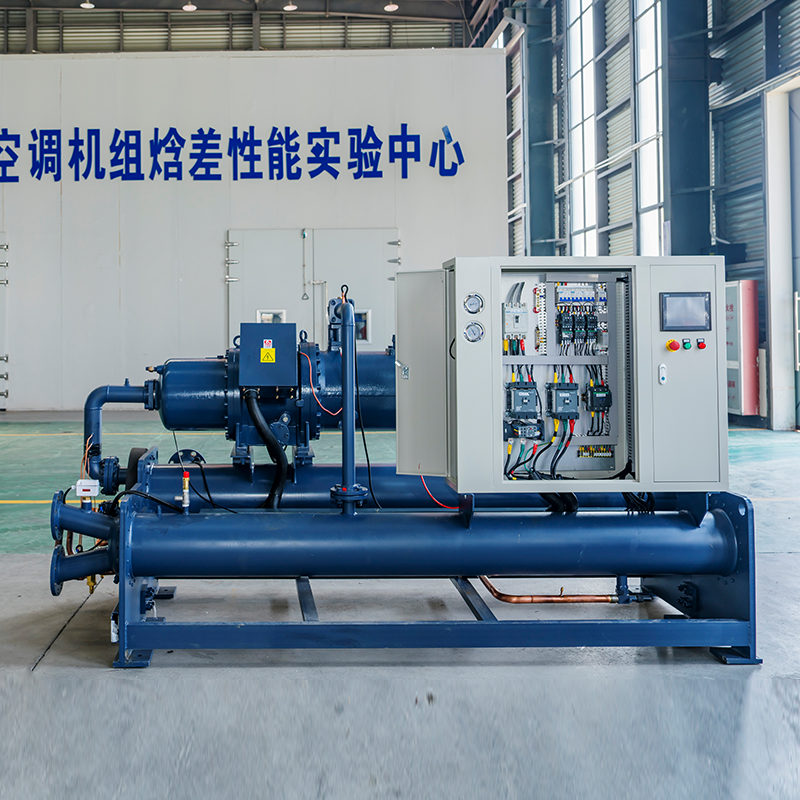
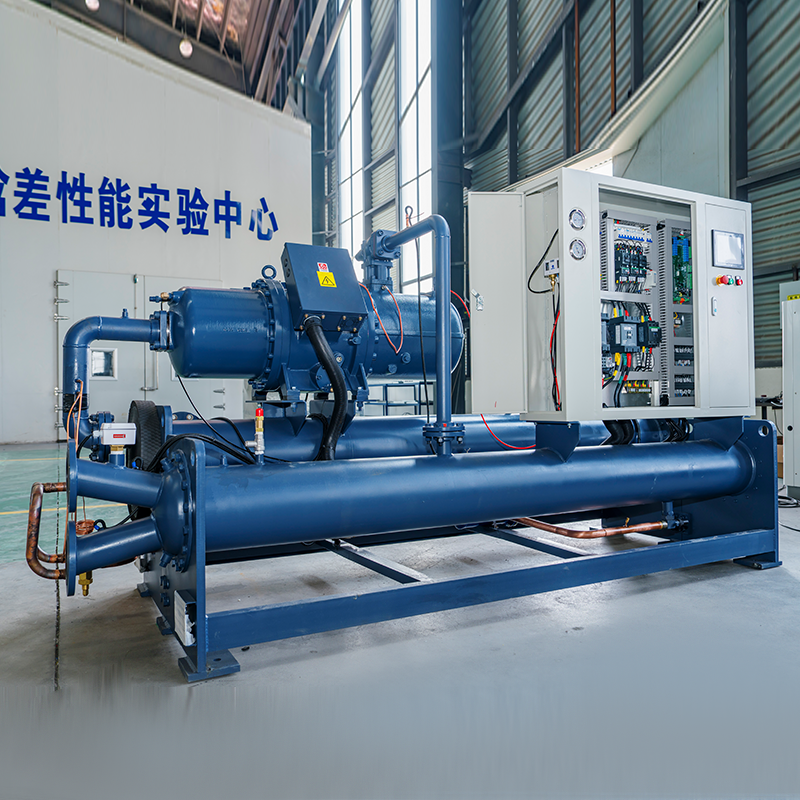
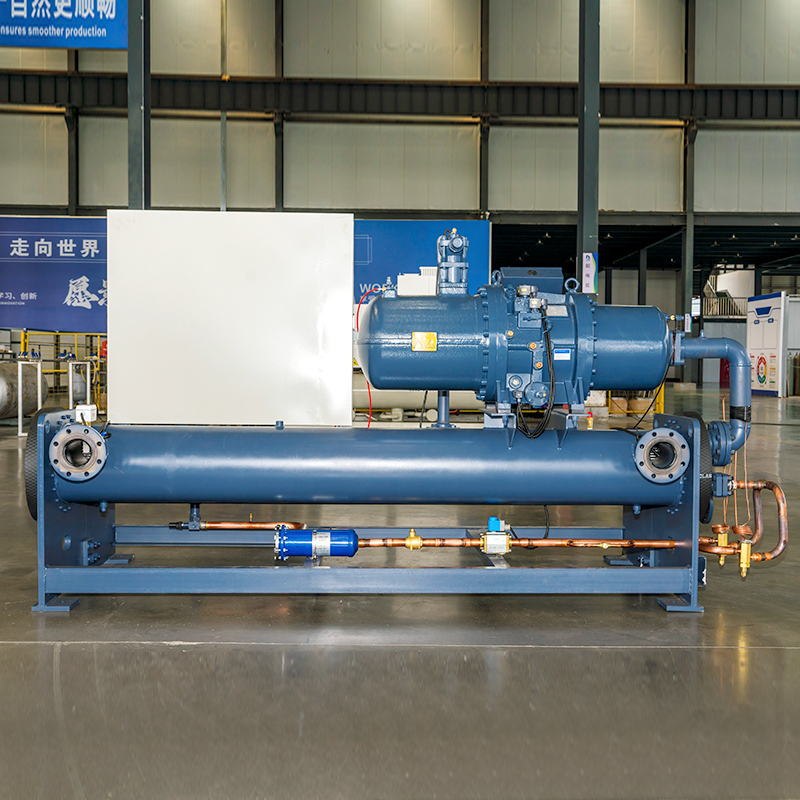
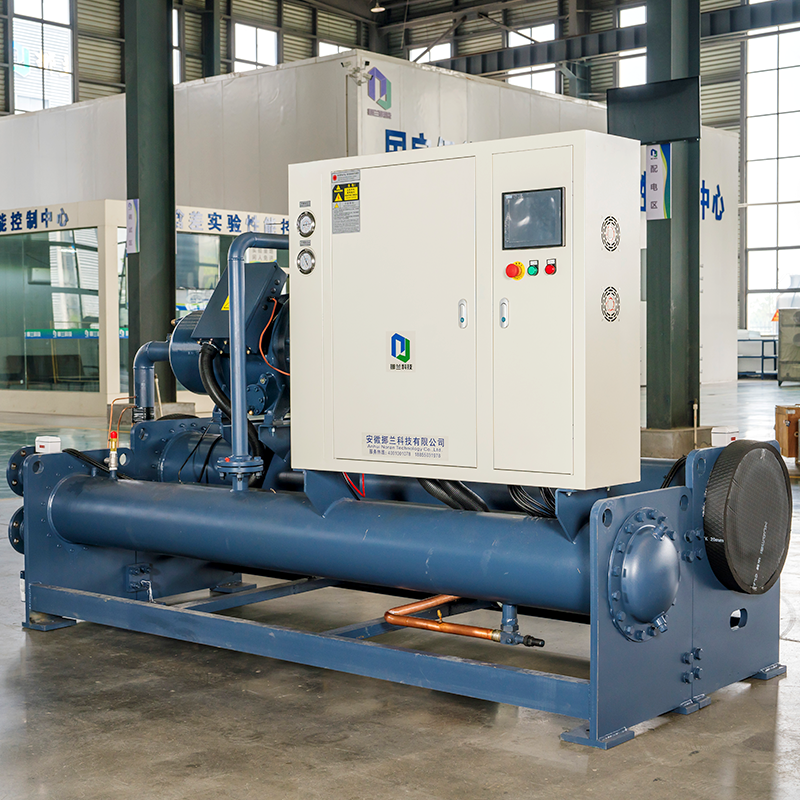
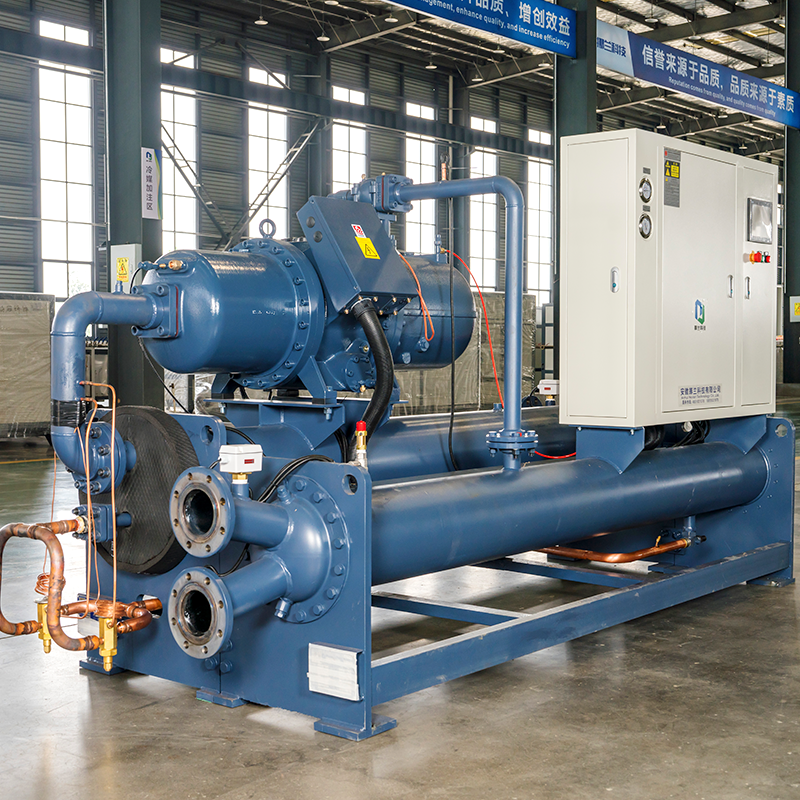
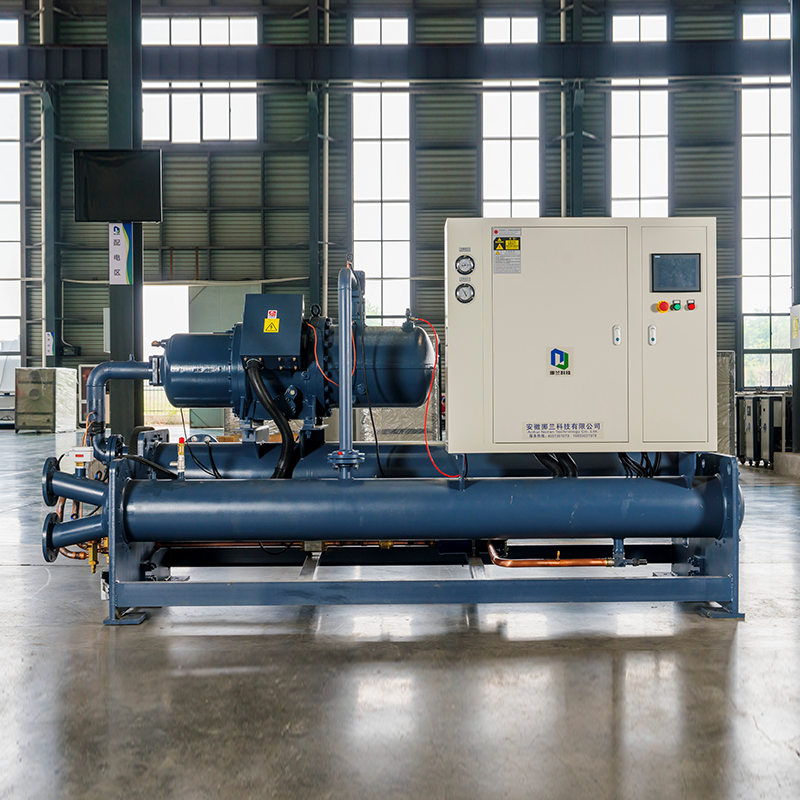
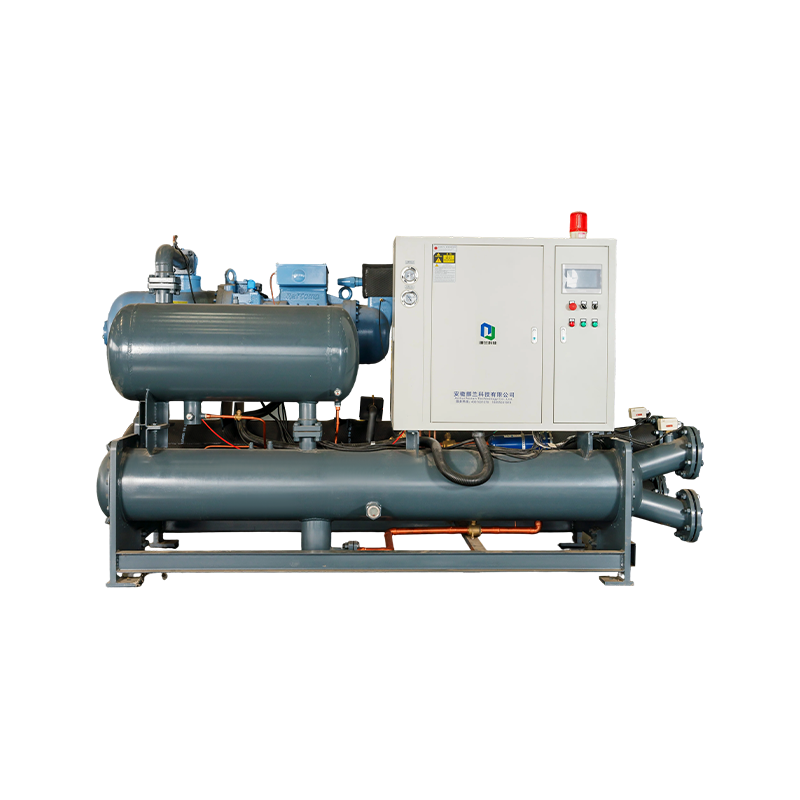


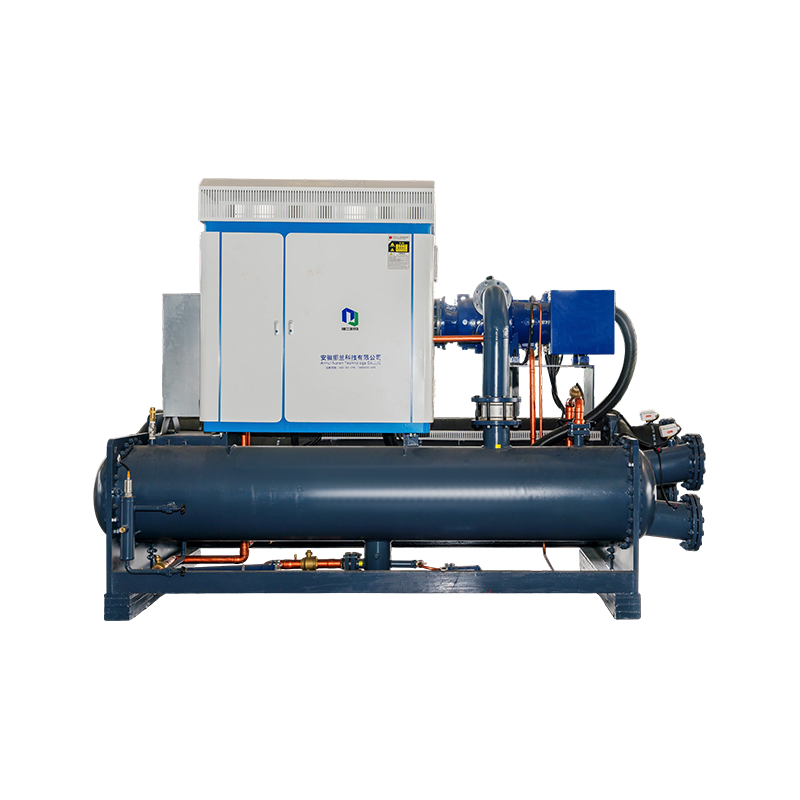
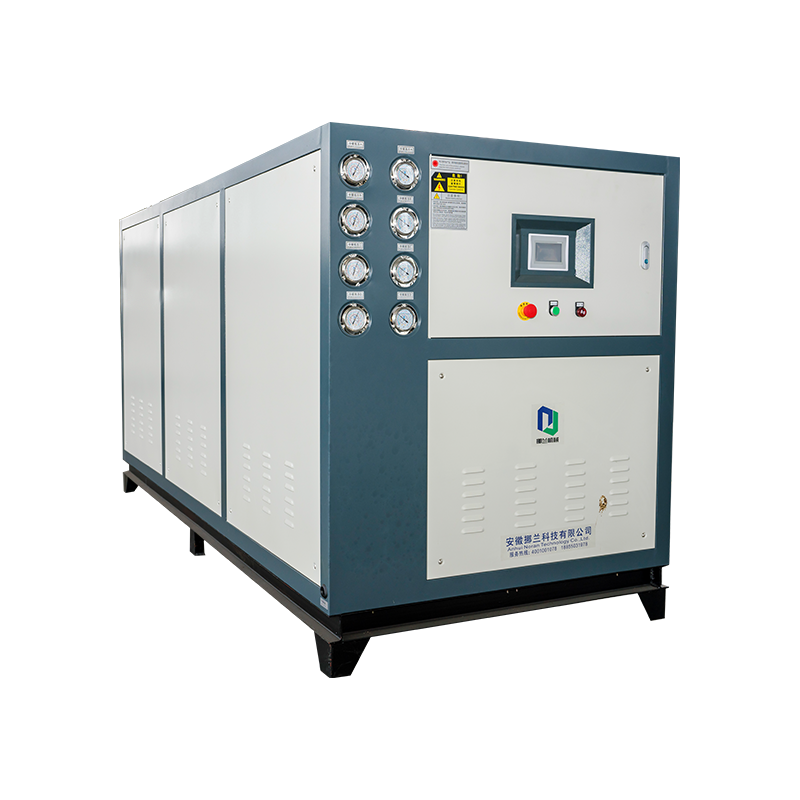
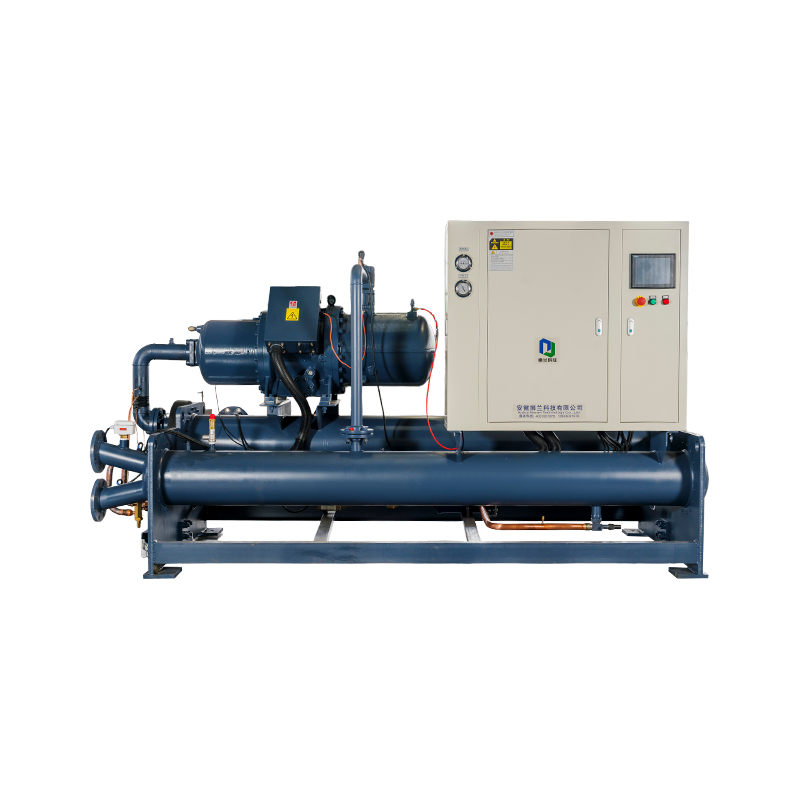
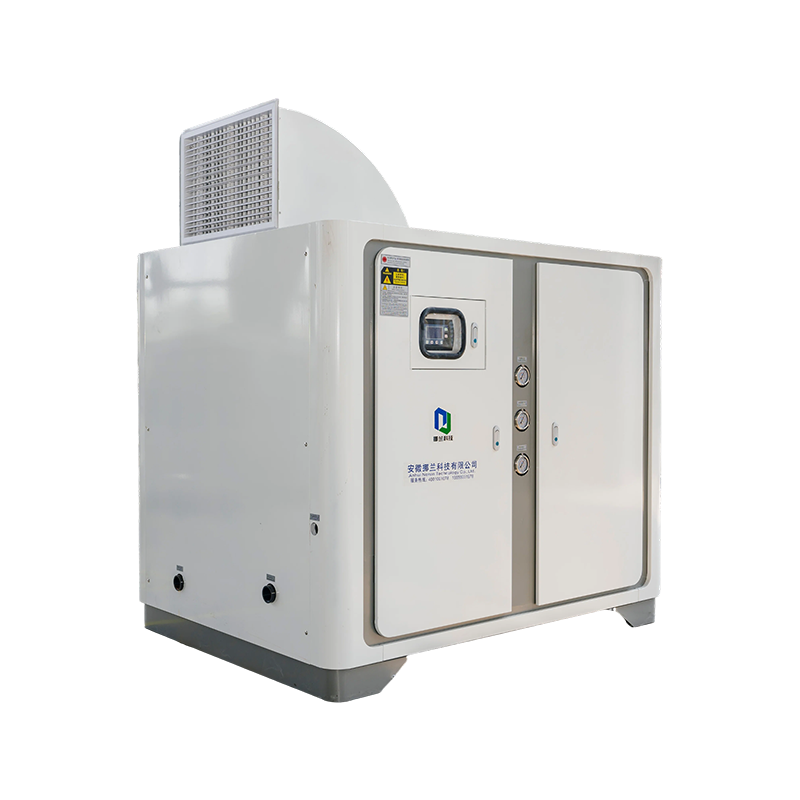
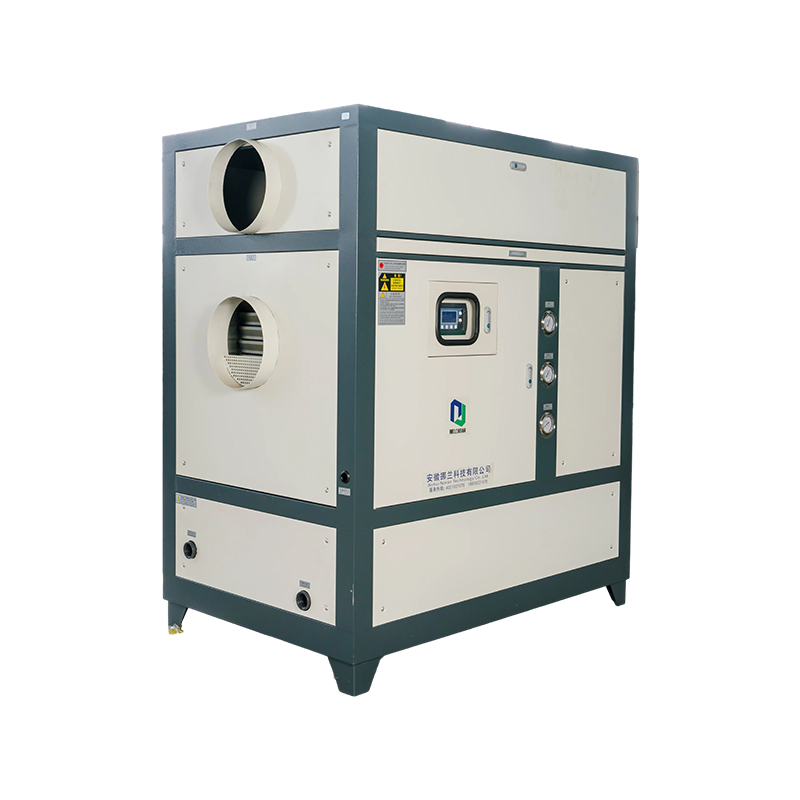















Energy Efficiency Analysis and System Configuration Guidelines for Water-Cooled Screw Chillers
Large manufacturing facilities require dependable cooling systems to maintain production stability, control operating costs, and support continuous industrial processes. Water-cooled screw chillers are widely used in centralized cooling installations because they combine substantial cooling capacity with stable refrigeration performance. When integrated with cooling towers and properly designed chilled water networks, these systems can serve multiple production areas through a centralized plant.
Selecting a water cooled industrial screw chiller requires more than matching nominal cooling capacity to the estimated heat load. Compressor performance, condenser water conditions, cooling tower efficiency, water quality, operating schedules, and maintenance requirements all influence actual energy consumption. Understanding these factors helps facility engineers configure refrigeration equipment for reliable long-term operation.
1. Water-Cooled Screw Chillers and Energy Efficiency
A water-cooled screw chiller removes heat from circulating chilled water through a refrigeration cycle. The evaporator absorbs heat from the process water, while the screw compressor raises the refrigerant pressure before heat is rejected through the condenser. Cooling water then transfers this heat to a cooling tower, where it is released into the atmosphere.
Compared with many air-cooled configurations, water-cooled systems can achieve favorable energy performance when cooling tower conditions are suitable. However, the overall result depends on the combined power consumption of the compressor, chilled water pumps, condenser water pumps, and cooling tower fans. Equipment selection should therefore consider the energy performance of the complete cooling plant rather than the chiller alone.
A high efficiency water cooled screw chiller should maintain dependable performance across the expected operating range, including periods when production demand decreases. Compressor capacity regulation, appropriate heat exchanger sizing, and coordinated control sequences help prevent unnecessary energy use during changing process conditions.
2. Main Product Configurations for Industrial Cooling
2.1 Standard Water-Cooled Screw Chiller Units
Standard water-cooled screw chiller units are designed for facilities that need a reliable source of chilled water for production equipment, manufacturing processes, or centralized air conditioning. Their screw compressors support continuous operation and provide capacity regulation according to cooling demand. A typical configuration includes the compressor, evaporator, condenser, expansion components, electrical control system, and safety protection devices.
The industrial screw water chiller is particularly suitable for medium and large facilities where operating stability is more important than occasional peak output. Compared with smaller packaged cooling equipment, this configuration can support a centralized chilled water network and simplify plant-level monitoring. Its actual efficiency depends on the selected compressor, heat exchanger design, chilled water temperature, and condenser water conditions.
Typical applications include machinery manufacturing, automotive production, electronics processing, and industrial painting. For these facilities, engineers should evaluate the total heat load, required supply water temperature, return water conditions, and expected operating hours before determining the unit capacity. Oversized equipment may cycle inefficiently or operate away from its preferred range, while undersized equipment may struggle during peak production.
2.2 Process Cooling and Customized Screw Chiller Systems
Process cooling systems are configured around the thermal requirements of production equipment rather than general building comfort. They may need to maintain stable water temperatures during long production shifts, accommodate sudden changes in heat generation, or provide separate temperature conditions for different manufacturing operations. The system design must account for both the steady-state load and temporary production peaks.
A water cooled screw compressor chiller can be integrated with process pumps, buffer tanks, temperature sensors, and automated control systems according to application requirements. Customized configurations may also address site-specific voltage standards, installation space, environmental conditions, and operating temperatures. Compared with a standard configuration, a customized system provides greater flexibility but requires more detailed engineering coordination.
Anhui Noran Technology Co., Ltd. develops industrial refrigeration equipment and customized temperature control solutions for manufacturing and process industries. Its product range includes screw chillers, low-temperature refrigeration units, heat recovery systems, explosion-proof refrigeration equipment, and air cooling systems. This engineering scope supports the selection of equipment according to cooling capacity, temperature accuracy, operating environment, and installation conditions.
For chemical processing, pharmaceutical production, and industrial coating, the design should consider process temperature tolerances, fluid compatibility, control response, and operational safety. Customized selection is particularly useful when a single facility contains several production lines with different cooling requirements.
2.3 Centralized Cooling Plants for Large Facilities
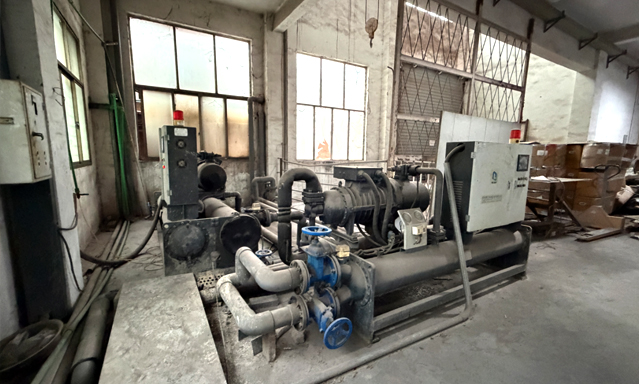
Centralized cooling plants distribute chilled water from one or more chillers to multiple production zones. They are appropriate for large factories with substantial simultaneous cooling demand and established utility networks. A central plant can coordinate equipment operation, simplify maintenance planning, and provide a unified point for monitoring energy consumption.
A screw type water chiller installed in a central plant may operate alongside additional chillers to accommodate changing demand and provide operating redundancy. Compared with an independent chiller serving each machine, a centralized arrangement can improve load coordination and reduce duplicated auxiliary equipment. However, long pipe runs, hydraulic imbalance, and poorly coordinated controls can offset these benefits.
Anhui Noran Technology Co., Ltd. operates a manufacturing facility of approximately 33,000 square meters in Mingguang, Anhui Province, supporting refrigeration equipment development, manufacturing, and quality control. Its engineering capabilities are relevant to industrial projects requiring equipment selection, system configuration, and technical coordination. The final arrangement should be based on actual plant loads, distribution distances, maintenance access, and the consequences of equipment downtime.
3. Cooling Tower Integration and Water Quality Control
The cooling tower is an essential component of a water-cooled refrigeration plant. It rejects heat transferred through the condenser, allowing the refrigeration cycle to continue. Condenser water temperature directly affects compressor operating conditions, so cooling tower selection and control have a significant influence on total system efficiency.
A water cooled screw refrigeration unit should be matched with a cooling tower that can handle the design heat rejection load under the expected outdoor wet-bulb conditions. Engineers should consider tower capacity, fan power, water distribution, drift control, and seasonal performance. Selecting a tower solely according to nominal capacity may produce poor results when actual site conditions differ from the design assumptions.
Water quality is equally important because mineral deposits, corrosion, and biological growth can reduce heat transfer and restrict water flow. A suitable treatment and monitoring program should be established before commissioning and maintained throughout equipment operation.
- Scale prevention: Control hardness, alkalinity, and dissolved mineral concentrations according to system materials and treatment requirements.
- Corrosion management: Monitor water chemistry and use compatible treatment methods to protect condenser tubes, piping, and fittings.
- Biological control: Maintain an appropriate cleaning and water treatment program to limit microbial growth and biofilm formation.
- Filtration and cleaning: Remove suspended solids and inspect strainers, tower basins, and heat exchange surfaces.
- Water consumption: Manage blowdown, evaporation losses, and drift to balance water conservation with acceptable water chemistry.
Treatment limits should follow the condenser manufacturer's requirements, system materials, local regulations, and guidance from a qualified water treatment specialist. Excessive blowdown wastes water, while insufficient blowdown can allow dissolved solids to accumulate. Regular inspection and recorded water quality measurements help maintain stable heat transfer and reduce unplanned maintenance.
4. System Configuration and Equipment Selection
The correct system configuration begins with a reliable assessment of production heat loads. Engineers should distinguish between normal demand, maximum demand, seasonal variation, and the cooling required during equipment startup. For a water cooled screw chiller for industrial cooling, the design should also account for chilled water supply temperature, return temperature, required flow, available installation space, and the operating characteristics of connected equipment.
The following comparison illustrates how common configurations serve different industrial requirements. Exact capacity and operating temperature ranges must be determined from the project specification and equipment performance data.
| Configuration | Primary function | Key design consideration | Typical application |
| Standard water-cooled screw chiller | Provides chilled water for general industrial loads | Rated capacity and operating efficiency | Machinery and electronics manufacturing |
| Customized process cooling system | Maintains application-specific temperature conditions | Temperature accuracy and load variation | Chemical and pharmaceutical processing |
| Centralized multi-chiller plant | Supplies several production zones through a shared network | Hydraulic balance, staging, and redundancy | Large factories and central utility plants |
A properly selected water cooled screw chiller for process cooling should also be evaluated at both full and partial load. Variable production demand may require multiple units operating in stages, with controls coordinating chilled water temperatures and pump operation. Independent isolation valves and accessible service points can improve maintenance flexibility without unnecessarily interrupting the entire plant.
Recommended Configuration Steps
- Document process heat loads, required water temperatures, flow requirements, and daily operating schedules.
- Determine the chiller arrangement and evaluate whether one unit or multiple staged units better match the load profile.
- Size the cooling tower, condenser water pumps, chilled water pumps, and distribution piping as an integrated system.
- Specify filtration, water treatment, instrumentation, and safety protection before installation.
- Verify operating sequences, temperature stability, water flow, and energy consumption during commissioning.
5. Operational Maintenance and Energy Management
Energy efficiency depends on maintaining the conditions assumed during system design. Fouled heat exchangers, blocked strainers, deteriorating insulation, and incorrect sensor readings can increase operating costs even when the compressor remains mechanically sound. Preventive maintenance should therefore cover the complete refrigeration and water circulation system.
For a water cooled screw chiller for factory applications, maintenance personnel should inspect refrigerant circuit operating conditions, compressor status, electrical connections, water flow, condenser approach conditions, and evaporator performance. Cooling tower fans, pumps, valves, and water treatment equipment should be included in the same maintenance schedule.
- Review operating alarms, temperatures, pressures, and energy consumption trends.
- Inspect and clean condenser and evaporator surfaces when performance data indicates fouling.
- Check pumps, fan assemblies, valves, and strainers for abnormal noise, vibration, or flow restriction.
- Verify sensor calibration, control settings, safety interlocks, and compressor capacity regulation.
- Record maintenance activities and compare operating performance under similar load conditions.
Control optimization should avoid unnecessarily low chilled water supply temperatures and excessively high condenser water temperatures. Both conditions can increase compressor energy demand. The optimal settings depend on process requirements, ambient conditions, equipment limits, and the combined performance of the chiller and its auxiliary systems.
Anhui Noran Technology Co., Ltd. emphasizes refrigeration engineering, equipment quality control, and application-oriented system configuration. Its manufacturing and technical capabilities support customers evaluating equipment for continuous industrial operation. Final commissioning should confirm that the installed system meets the specified process conditions and that operators understand routine inspections and fault response procedures.
6. Selecting a Manufacturer and Planning for Long-Term Performance
Choosing a water cooled screw chiller manufacturer involves reviewing technical capabilities, configuration support, manufacturing quality, and the availability of service documentation. Buyers should confirm that the proposed equipment matches the project's cooling load, water temperatures, electrical supply, and installation environment rather than relying on nominal capacity alone.
A qualified water cooled screw chiller supplier should provide clear technical specifications, recommended operating conditions, equipment drawings, maintenance requirements, and guidance for integrating the cooling tower and water circulation systems. For non-standard projects, a custom water cooled screw chiller may be appropriate when the process requires particular temperature conditions, installation dimensions, or control functions.
Before confirming a purchase, industrial buyers should compare rated performance conditions, part-load capabilities, auxiliary power consumption, water treatment requirements, and service access. Anhui Noran Technology Co., Ltd. provides industrial refrigeration equipment and customized solutions for applications across manufacturing, chemical processing, pharmaceuticals, and other industrial sectors. A clearly defined technical scope helps align equipment selection with production priorities and long-term operating requirements.
Frequently Asked Questions
Q1: Why integrate a water-cooled screw chiller with a cooling tower?
The cooling tower removes heat rejected by the condenser, allowing the refrigeration cycle to operate continuously. Proper tower sizing and water temperature control can improve overall plant efficiency.
Q2: How does a standard screw chiller differ from a customized process cooling system?
A standard unit serves common industrial cooling requirements, while a customized system addresses specific temperature tolerances, load profiles, installation conditions, or control requirements.
Q3: What water quality controls are necessary for water-cooled equipment?
A suitable program manages scale, corrosion, suspended solids, and biological growth. Treatment methods and monitoring limits should be selected according to equipment requirements and system materials.
Q4: How can a factory improve screw chiller energy efficiency?
Factories can optimize chilled water and condenser water temperatures, maintain clean heat exchangers, coordinate pump and fan operation, and stage multiple chillers according to actual demand.
Q5: What information should buyers provide when requesting a chiller configuration?
Provide the required cooling capacity, inlet and outlet water temperatures, process flow requirements, operating schedule, site conditions, electrical standards, and any special control or safety requirements. These details help determine an appropriate equipment configuration.


