How to Select a Customized Industrial Chiller for Your Application
A customized industrial chiller is designed around the cooling load, temperature requirements, operating environment, and installation constraints of a specific industrial process. Unlike a standard unit selected primarily from a capacity range, an engineered industrial chiller can be configured to meet application-specific requirements for heat rejection, control, piping, and system integration.
Choosing a customized industrial chiller starts with accurate process data. Cooling capacity alone is insufficient because fluid properties, required temperatures, operating schedules, and environmental conditions all affect equipment selection and performance.
Key Factors in Custom Chiller Design
- Cooling capacity: Calculate the process heat load and account for peak demand, simultaneous equipment operation, and expected production changes.
- Temperature requirements: Define the required supply and return temperatures, temperature stability, and allowable fluctuations.
- Heat rejection: Select air-cooled or water-cooled configurations according to site conditions, water availability, and operating requirements.
- Fluid compatibility: Confirm the process fluid, concentration, viscosity, corrosion risks, and material compatibility.
- Control requirements: Determine whether variable-speed control, remote monitoring, alarms, or integration with existing automation is necessary.
- Installation conditions: Consider available space, electrical supply, ventilation, ambient temperature, piping, and service access.
Standard and Customized Industrial Chillers Compared
| Comparison Factor |
Standard Industrial Chiller |
Customized Industrial Chiller |
| Configuration |
Uses predefined equipment arrangements. |
Can be adapted to specific application requirements. |
| Temperature requirements |
Must fall within the standard operating range. |
Can be designed around the required temperature conditions when technically feasible. |
| System integration |
Typically uses established connection and control options. |
May accommodate project-specific piping, controls, and interfaces. |
| Selection process |
Focuses on matching requirements to an available model. |
Requires detailed application data and engineering evaluation. |
| Project considerations |
Availability, standard specifications, and installation compatibility. |
Design validation, lead time, integration, and lifecycle cost. |
Customization does not automatically guarantee higher efficiency. Performance depends on component selection, heat-exchanger sizing, control strategy, and actual operating conditions. Buyers should request documented performance data for the proposed configuration.
When Is a Custom Chiller System Appropriate?
A custom chiller system may be useful when a process requires unusual supply temperatures, a specialized heat-transfer fluid, restricted installation dimensions, or integration with existing production equipment. An application specific chiller can also address particular environmental conditions or operational requirements that standard models cannot adequately satisfy.
When evaluating a custom industrial chiller manufacturer, customized industrial chiller supplier, or industrial chiller supplier, buyers should provide a process specification covering heat load, fluid conditions, operating hours, electrical requirements, and control interfaces. Industrial chiller OEM arrangements should also clearly define equipment scope, technical responsibilities, documentation, and service support. A bespoke chiller system should be assessed against its total lifecycle cost, not only its initial purchase price.
Frequently Asked Questions
1. What information is needed to design a customized industrial chiller?
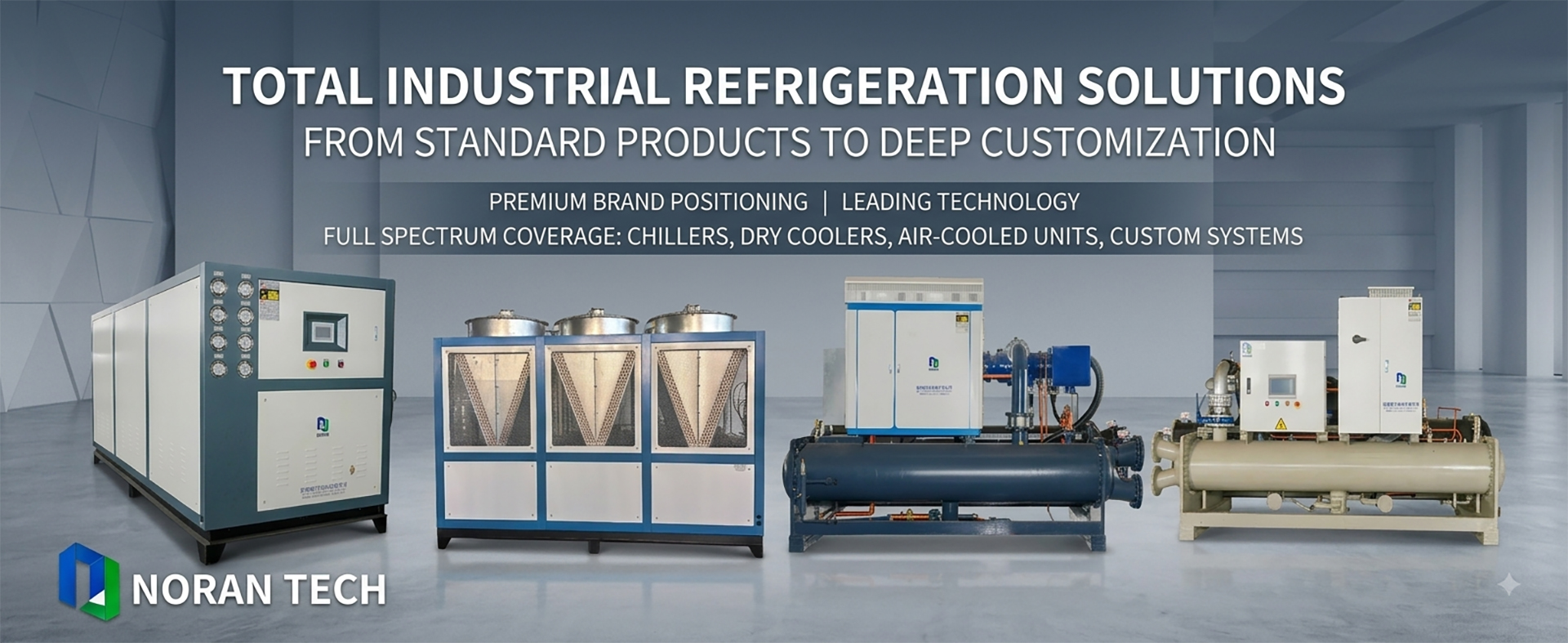
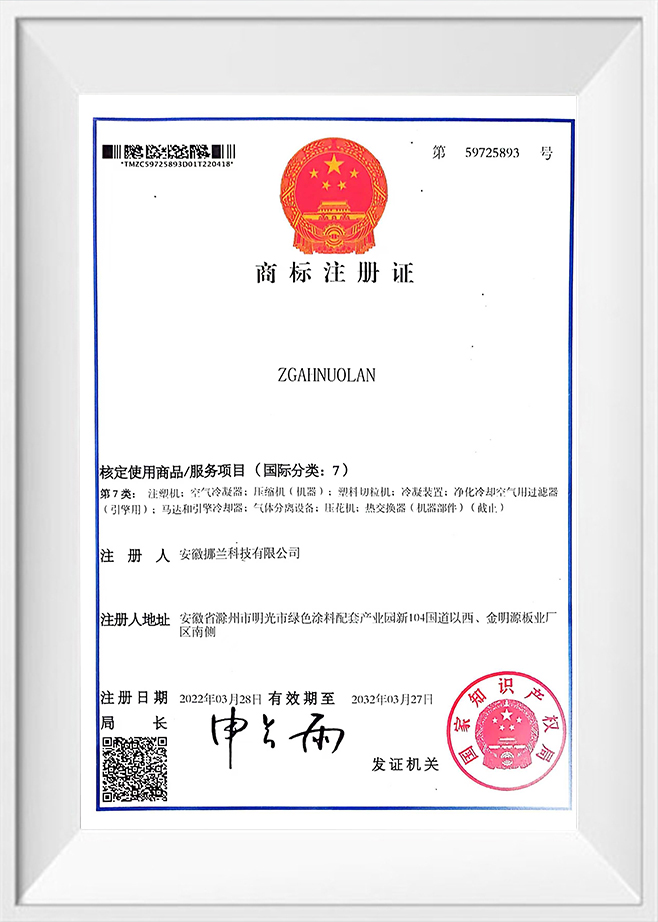
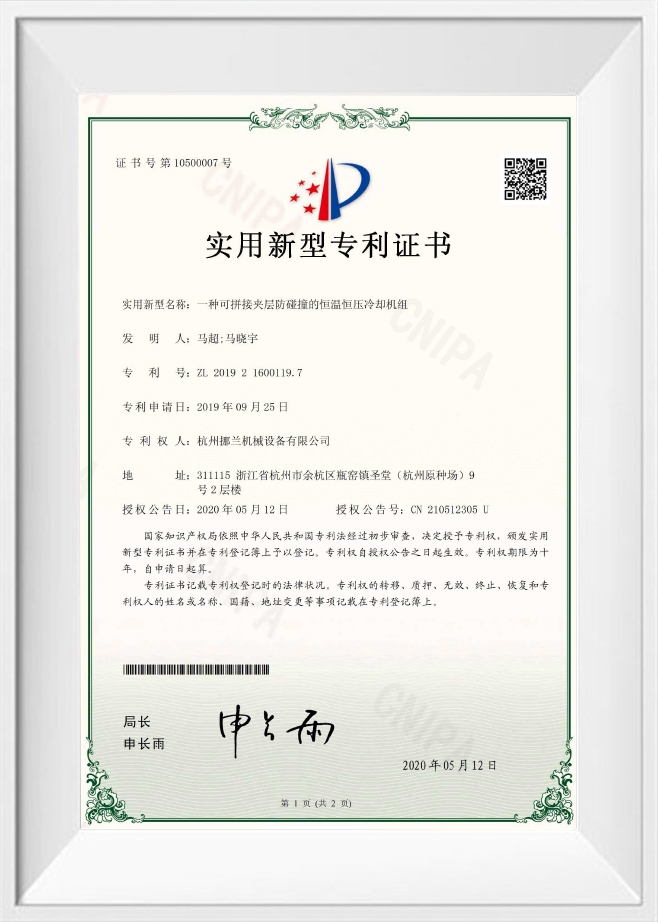
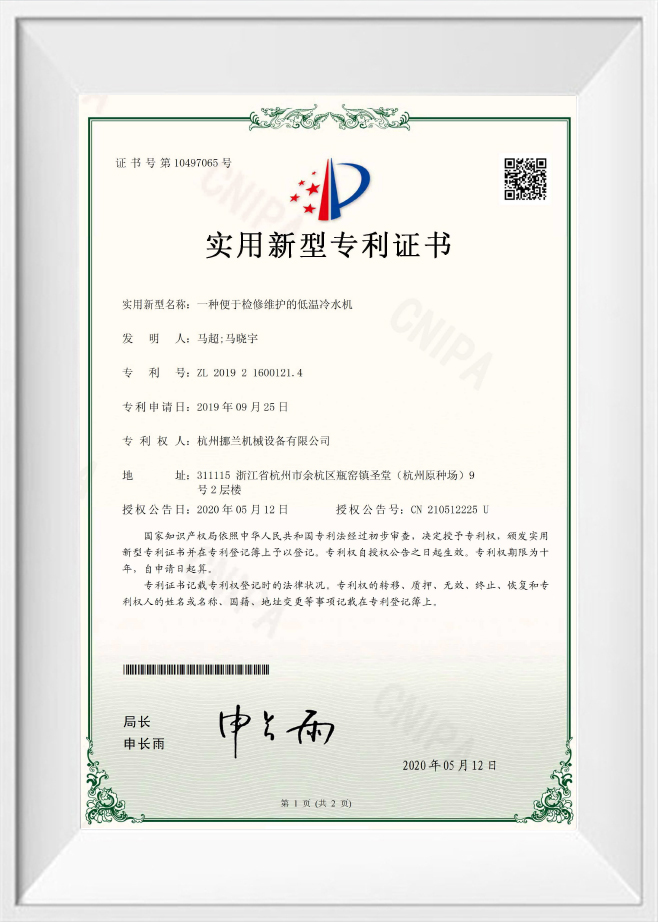
Provide the required cooling capacity, supply and return temperatures, fluid type, flow rate, operating schedule, site conditions, and control requirements. Anhui Noran Technology Co., Ltd. specializes in industrial refrigeration equipment and customized temperature control solutions tailored to cooling capacity, temperature accuracy, operating environment, and installation conditions.
2. Can a custom industrial chiller support different industrial applications?
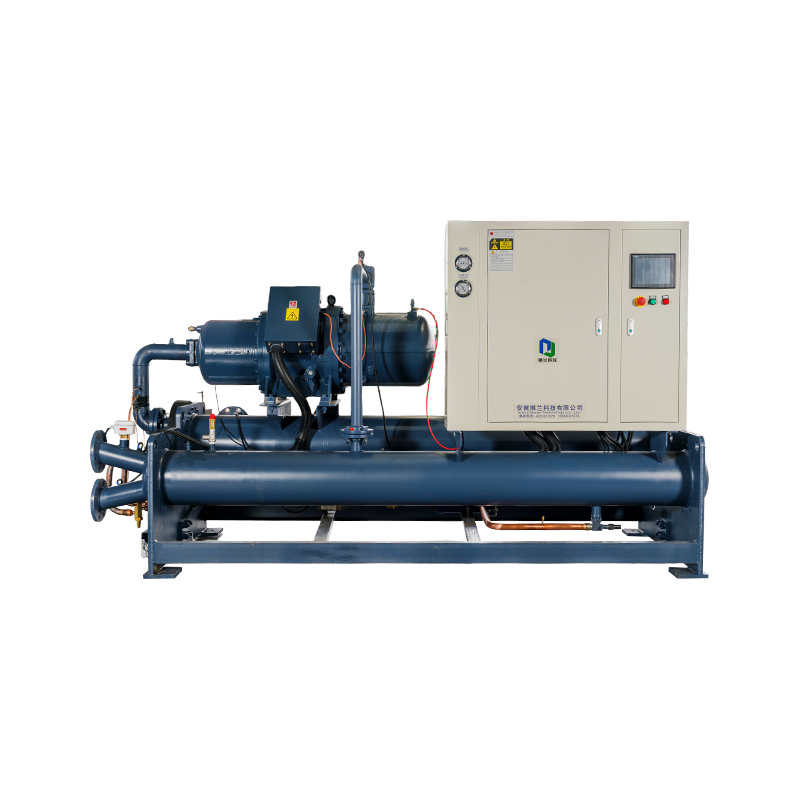
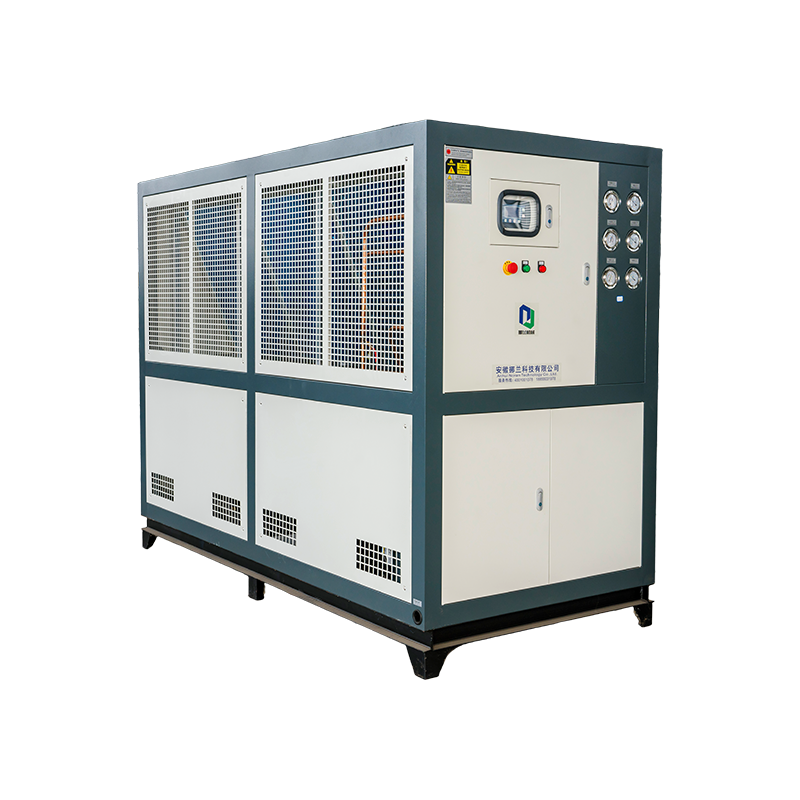
Yes, provided the design matches the process requirements. Noran's product scope includes industrial chillers, air cooling systems, screw chillers, low-temperature refrigeration units, heat recovery systems, and explosion-proof refrigeration equipment. Its solutions serve industries including plastics, powder coating, electronics and photovoltaics, pharmaceuticals, chemicals, and industrial painting.
3. How should buyers evaluate a customized industrial chiller supplier?
Compare technical suitability, documented cooling performance, component specifications, control capabilities, maintenance requirements, and project delivery arrangements. Founded in 2014, Noran expanded its operations in 2021 to a production base of approximately 33,000 m2 in Mingguang City, Anhui Province, strengthening its research and development, manufacturing, quality control, and project delivery capabilities. Final equipment specifications should be confirmed against the actual application.

 English
 Français
 Español
 Português
 عربى
 Türk
 हिंदी