Water-Cooled Cabinet Chiller: Working Principles, Advantages, and Industrial Applications

Home / Blog / Industry News / Water-Cooled Cabinet Chiller: Working Principles, Advantages, and Industrial Applications

Water-Cooled Cabinet Chiller: Working Principles, Advantages, and Industrial Applications


Content

INDUSTRIAL PROCESS COOLING

Understanding the Role of a Water Cooled Cabinet Chiller

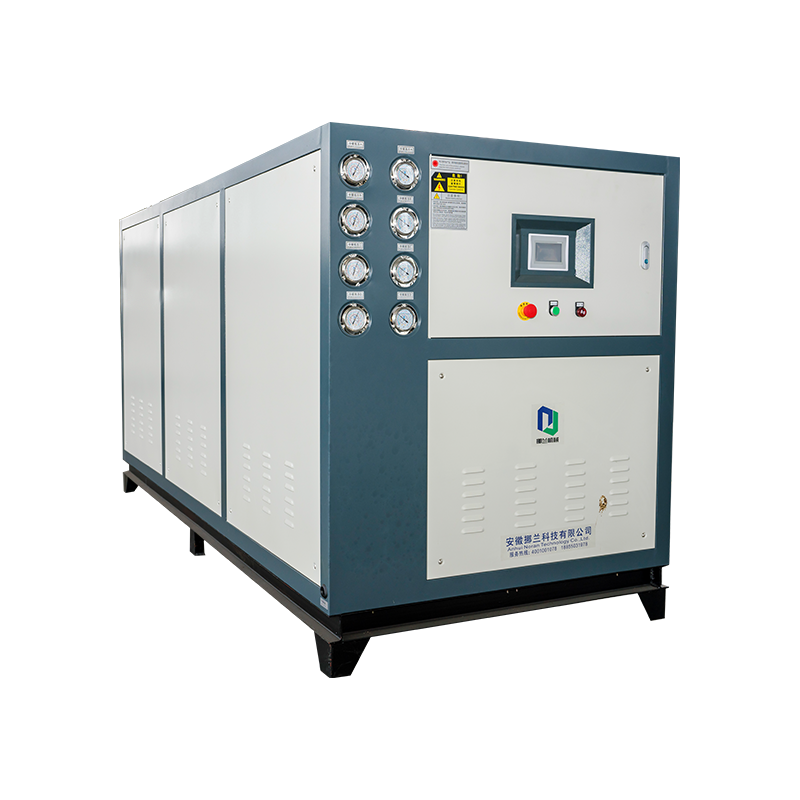
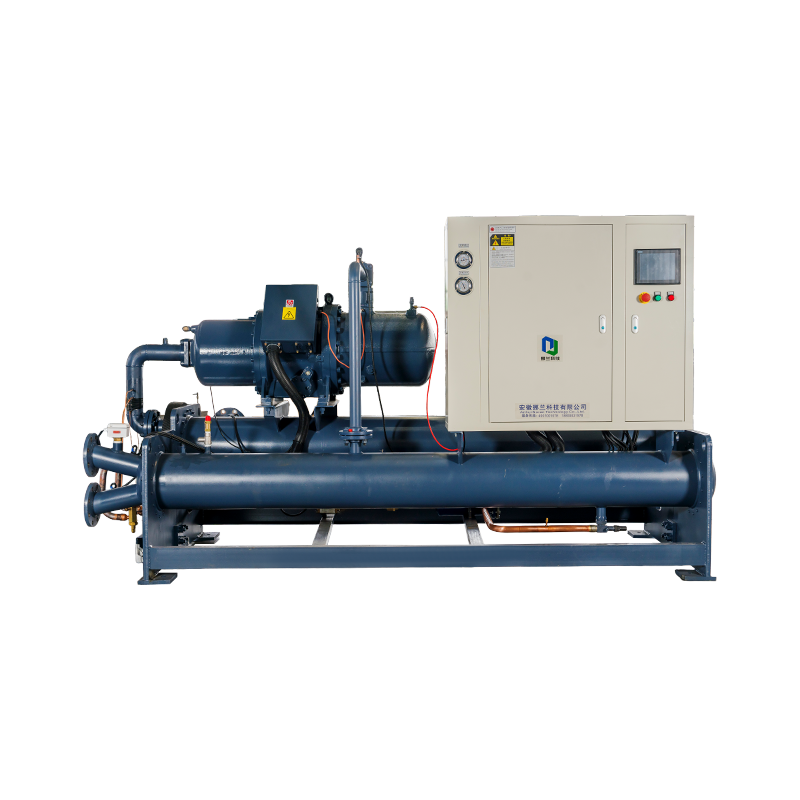
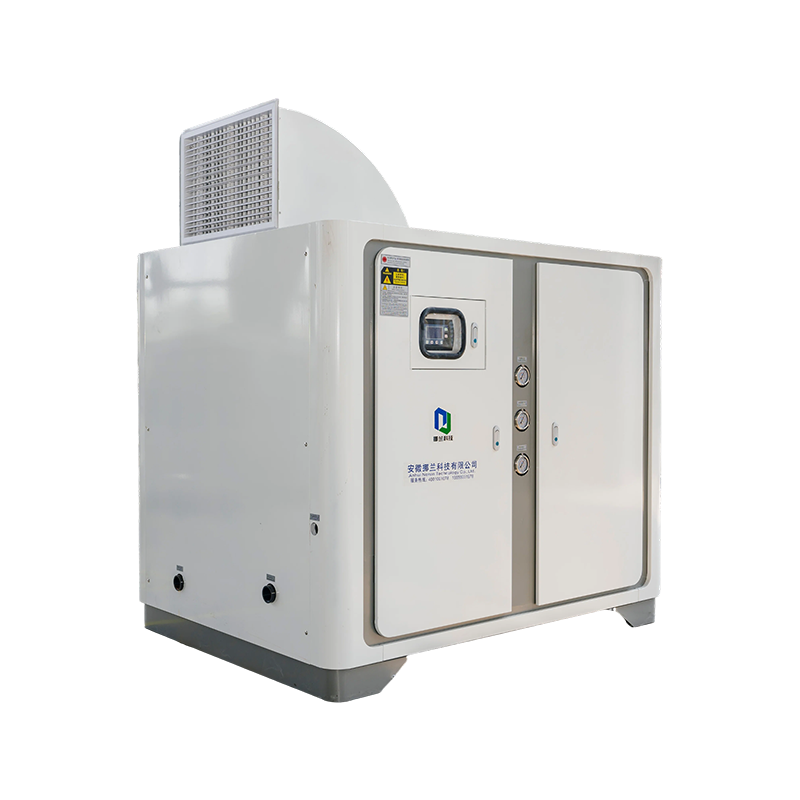
A water cooled cabinet chiller is a compact refrigeration system designed to remove heat from industrial processes and transfer that heat to a circulating cooling water system. By integrating refrigeration components into a cabinet-style enclosure, this equipment provides a practical configuration for production lines, machinery installations, laboratories, and process facilities where stable temperature control is essential.

Unlike a conventional air-cooled unit that releases condenser heat directly into the surrounding air, a water cooled configuration uses water to absorb heat at the condenser. This arrangement can support efficient heat rejection when the cooling water supply, heat exchanger, and circulation system are properly designed.

The cabinet format does not define the cooling capacity by itself. Refrigeration capacity, evaporator construction, compressor characteristics, operating temperature, and external heat rejection equipment determine whether a particular unit can meet the actual process requirements.

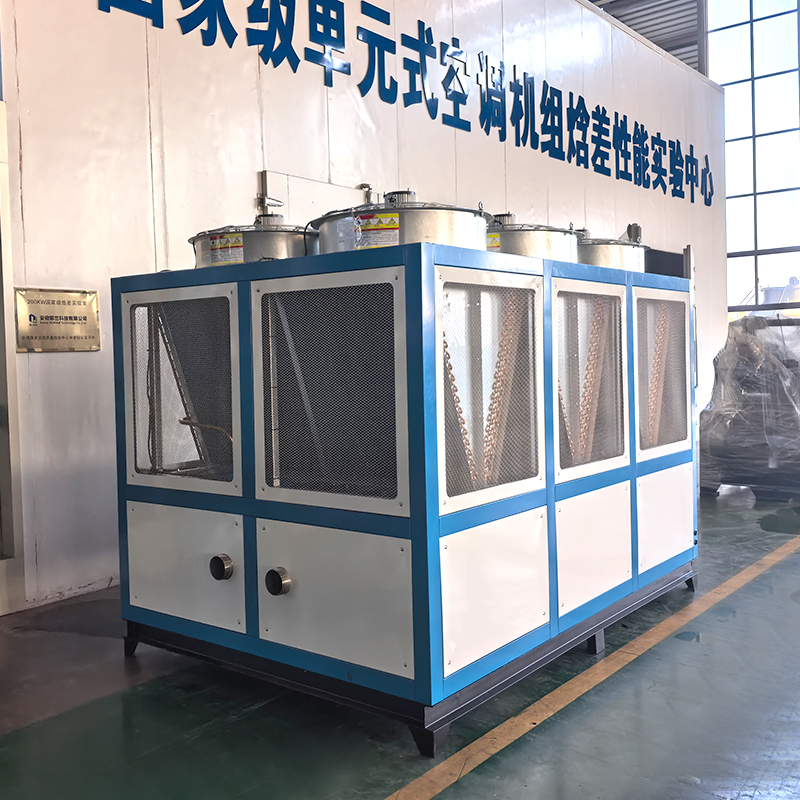
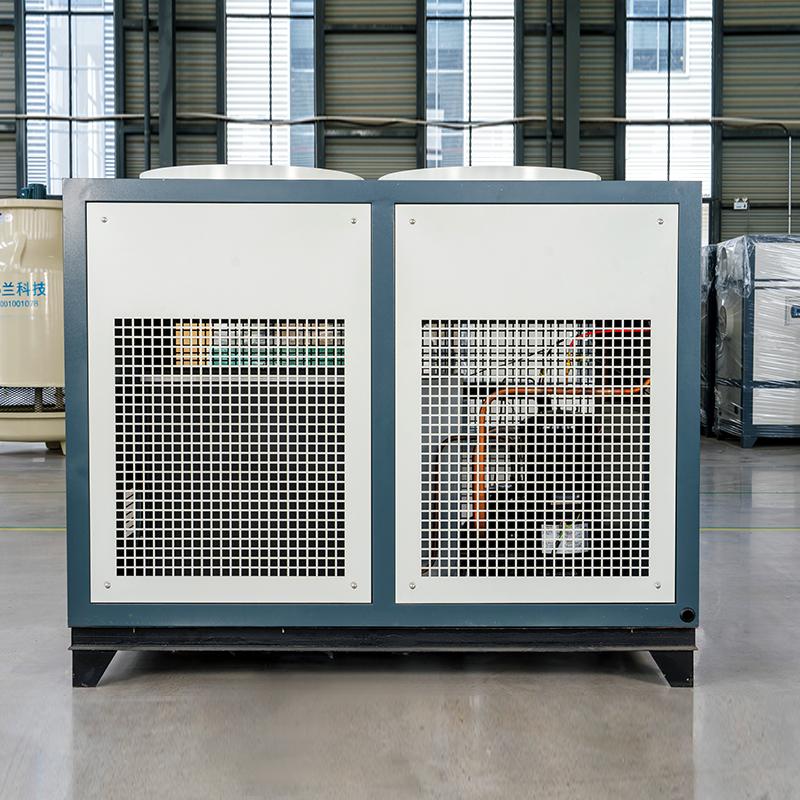
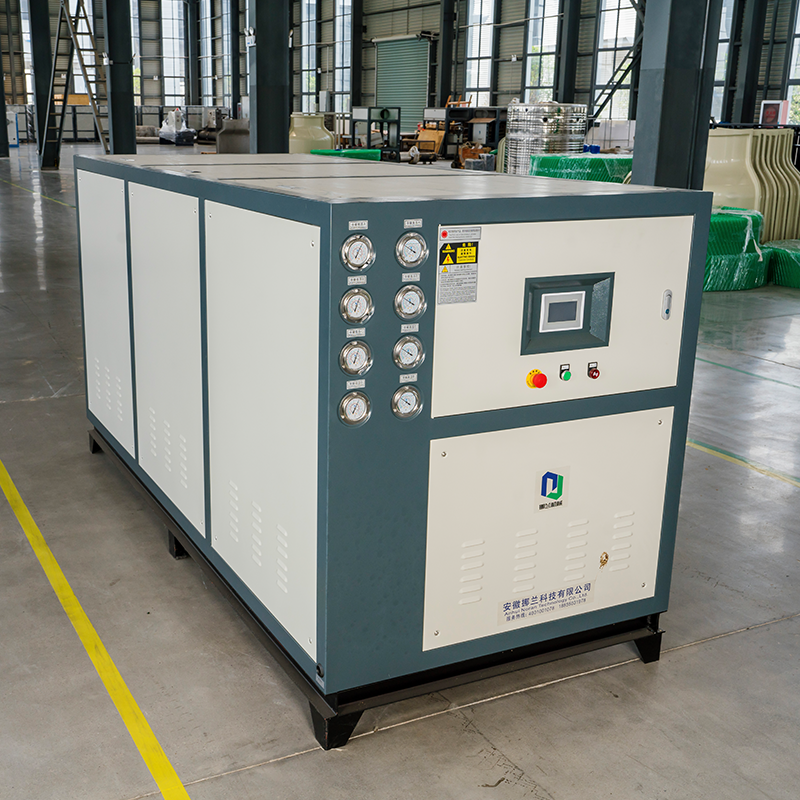
Water cooled cabinet chiller for industrial process temperature control
Compact equipment configuration for industrial cooling applications
01 Heat Absorption

Extracts unwanted heat from process fluids and equipment.

02 Heat Rejection

Transfers condenser heat into a water circulation system.

03 Temperature Stability

Maintains process conditions through coordinated refrigeration and control.

1. Working Principles of a Water Cooled Cabinet Chiller

A cabinet type chiller operates through a vapor compression refrigeration cycle. Its primary function is to absorb heat from a process fluid at the evaporator and release that heat through the condenser. The compressor, expansion device, refrigerant circuit, heat exchangers, and control system work together to maintain the required cooling conditions.

1.1 Process Fluid Circulation

The process fluid, commonly water or an approved water-glycol mixture, circulates between the chiller and the equipment requiring cooling. A pump moves the fluid through the evaporator, where heat passes from the warmer process fluid into the colder refrigerant. The cooled fluid then returns to the application.

In a closed-loop installation, the same fluid circulates repeatedly. This reduces direct exposure to external contamination and can improve consistency in applications that require controlled temperatures. Fluid compatibility, pipe insulation, filtration, and adequate circulation remain important for reliable operation.

1.2 Refrigeration Cycle and Heat Rejection

After absorbing process heat, the refrigerant enters the compressor as a low-pressure vapor. Compression increases its pressure and temperature. The hot refrigerant then enters the condenser, where it transfers heat to the cooling water circulating through the condenser heat exchanger.

The refrigerant condenses into a liquid before passing through the expansion device. The pressure reduction prepares it for another heat absorption cycle in the evaporator. This continuous process enables a packaged water chiller to provide cooling without consuming the process fluid as a cooling medium.

Refrigeration and Process Cooling Flow

Refrigerant Circuit Evaporator Heat absorption Compressor Pressure increase Condenser Heat rejection Expansion device and refrigerant return Process fluid returns for cooling Cooling water carries heat away Separate fluid circuits exchange heat through heat exchangers.

The process fluid and condenser water do not normally mix with the refrigerant. Heat crosses the walls of the respective heat exchangers.

1.3 Temperature and Capacity Regulation

The controller monitors process fluid temperature and regulates cooling according to the system design. Depending on the equipment, control methods may include compressor cycling, variable-speed operation, staged compressors, or other capacity-control mechanisms. The circulation pump may operate continuously or according to an approved sequence.

Control precision depends on sensor placement, fluid mixing, system thermal mass, load variation, and the responsiveness of the refrigeration circuit. A compact process chiller should therefore be evaluated under both steady operating conditions and expected production changes rather than on a single nominal temperature value.

2. Main Components and Their Engineering Functions

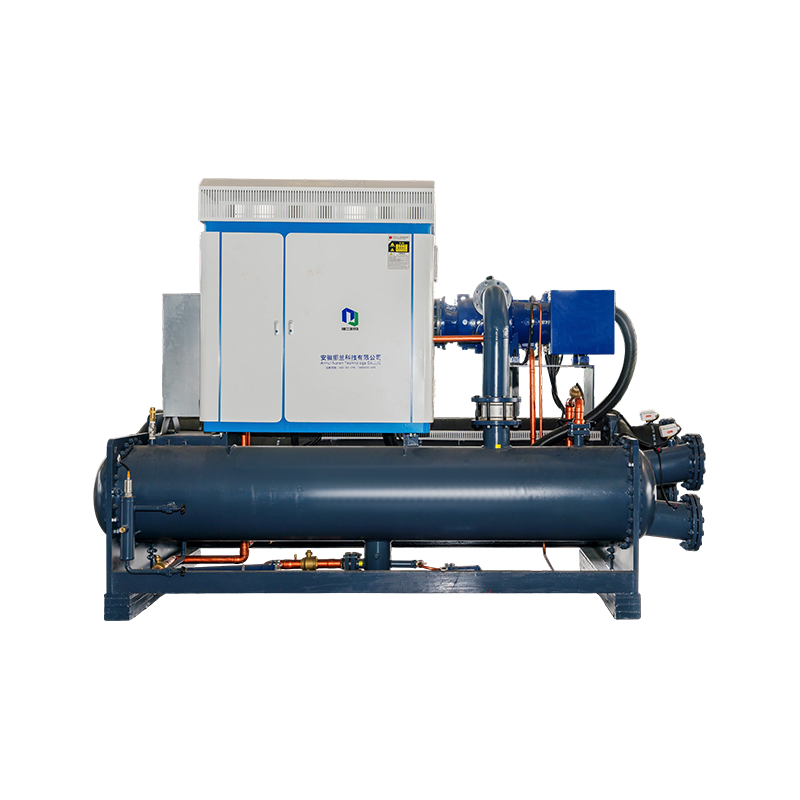
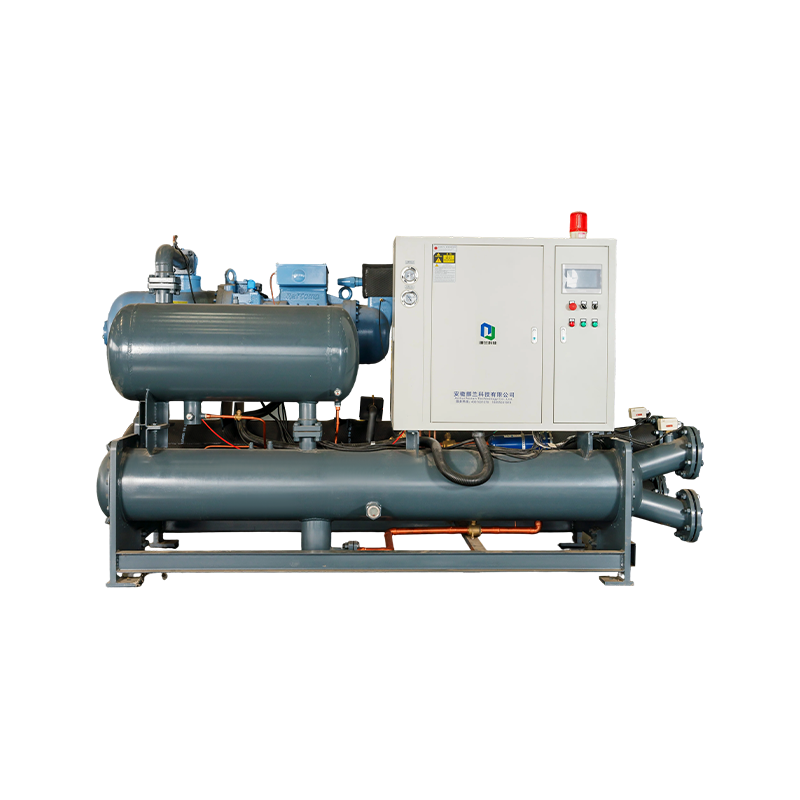
A cabinet industrial chiller combines refrigeration equipment, hydraulic components, electrical controls, and a protective enclosure. The internal arrangement varies with cooling capacity and application requirements, but the principal components serve consistent engineering purposes.

01

Compressor

Circulates refrigerant through the refrigeration circuit and establishes the pressure difference needed for heat transfer. Compressor selection affects operating range, part-load behavior, starting current, vibration, and service requirements.

02

Evaporator

Transfers heat from the process fluid to the refrigerant. Plate, shell-and-tube, and other heat exchanger designs may be used according to fluid cleanliness, pressure drop, temperature range, and maintenance needs.

03

Water-Cooled Condenser

Transfers refrigeration heat into the condenser water. Its performance depends on water flow, entering water temperature, heat exchanger condition, and the quality of water treatment.

04

Expansion Device

Regulates refrigerant flow into the evaporator and reduces refrigerant pressure. Correct selection helps maintain stable evaporation conditions across the intended operating range.

05

Hydraulic Assembly

May include a process pump, reservoir, filter, valves, flow switch, and pressure gauges. The exact package determines how much external piping and auxiliary equipment the installation requires.

06

Control and Protection

Coordinates compressor operation, temperature regulation, and protective shutdowns. Typical protections include high and low pressure limits, abnormal fluid temperature, and insufficient flow where applicable.

How Component Selection Influences Performance

Components cannot be assessed independently of the complete system. A high-efficiency compressor does not guarantee low total energy consumption if the condenser receives excessively warm water or the process pump operates against unnecessary resistance. Likewise, a large heat exchanger may provide useful thermal margin but can increase package size and cost.

Procurement specifications should identify the operating envelope, not merely component names. Relevant details include minimum and maximum process temperatures, expected flow rates, fluid characteristics, ambient conditions, electrical supply, and condenser water requirements.

3. Key Advantages of a Compact Water Cooled Chiller

A compact water cooled chiller can be valuable when a production process needs dedicated cooling without the footprint of a large centralized refrigeration package. Its advantages depend on the cooling load, plant infrastructure, maintenance arrangements, and installation environment.

3.1 Efficient Heat Rejection

Water generally provides effective heat transfer within a properly designed condenser. Where a stable cooling water supply is available, the system can reject heat without relying on a large bank of outdoor condenser fans. This may reduce local air movement and noise associated with the chiller itself.

However, total facility energy use includes the cooling tower, condenser water pump, and any other heat rejection equipment. A water cooled system should be compared with alternatives at the complete-system level, including water consumption and auxiliary electricity.

3.2 Space-Conscious Equipment Layout

The cabinet format consolidates major refrigeration components into a defined footprint. This can simplify positioning near a machine or process skid and reduce the amount of field assembly required. It does not eliminate service clearances, ventilation needs for electrical components, or the need for external condenser water connections.

3.3 More Controlled Process Conditions

Dedicated refrigeration capacity allows a process to maintain its own temperature setpoint instead of depending entirely on a shared plant cooling loop. This is useful where equipment operates intermittently, production stages have different temperature requirements, or cooling interruptions could affect product quality.

3.4 Modular Installation and Maintenance

A packaged water cooled chiller can be installed as a defined equipment module. Standardized connection points and accessible service components may make commissioning and routine maintenance easier. The degree of integration varies, so buyers should confirm whether the package includes a pump, reservoir, filter, valves, and control interfaces.

Illustrative Importance of Selection Factors

Relative evaluation weights for a hypothetical industrial procurement review. These values are illustrative, not measured equipment performance.

0 25 50 75 100 85 75 65 55 45 Cooling capacity Energy use Temperature control Maintenance access Package footprint

The relative scores demonstrate a possible decision framework only. Actual priorities should reflect the process risk, operating schedule, and total cost of ownership.

4. Industrial Applications and Process Requirements

Industrial water chiller applications differ in thermal load, allowable temperature variation, fluid quality, and operating schedule. The correct configuration must match the process rather than relying on a general industry label.

4.1 Grinding Mills and Precision Machinery

A cabinet chiller for grinding mills can help control heat generated by spindle assemblies, hydraulic systems, drive components, and other temperature-sensitive machinery. Excessive heat can contribute to dimensional variation, lubricant degradation, and changes in operating clearances.

The cooling circuit should be designed around the actual heat-producing components. Some machine tools require a clean, closed process loop, while others use specialized coolant mixtures. Abrasive particles, tramp oil, and fine metal debris must not enter heat exchangers that are not designed to handle them. A separate heat exchanger or filtration stage may be necessary.

4.2 Chemical and Industrial Reactors

A water cooled cabinet chiller for reactors may support jacketed vessels, pilot reactors, and temperature-controlled process tanks. Heat generation can change as a batch progresses, so cooling demand may be variable rather than constant. The system should account for the maximum expected heat release, the cooling duty during each stage, and the required response time.

Reactor cooling is not determined by chiller capacity alone. Jacket geometry, process fluid properties, agitation, heat transfer resistance, and piping arrangements affect how quickly the vessel can lose heat. For hazardous processes, the cooling package and associated electrical equipment must meet the applicable area classification and safety requirements.

4.3 Injection Molding and Injection Equipment

A water cooled cabinet chiller for injection applications can supply controlled-temperature fluid to molds, hydraulic systems, or auxiliary equipment, depending on the machine configuration. Mold cooling influences cycle time, part consistency, and the removal of heat from the polymer during solidification.

Different molds and materials may require different supply temperatures and flow rates. A system serving several machines should consider simultaneous peak demand, valve behavior, return temperature, and whether separate temperature zones are needed. High flow resistance through narrow mold channels may require a dedicated pump or a carefully designed distribution manifold.

4.4 Extrusion Lines

Industrial water cooled chillers for extruders can support cooling rolls, calibration units, gearboxes, hydraulic systems, or downstream cooling equipment. The heat load changes with throughput, product dimensions, polymer characteristics, and line speed.

For extrusion processes, stable water temperature is only one requirement. Sufficient flow through each cooling zone is equally important. If several zones are connected in parallel, balancing valves and flow monitoring can help prevent one branch from receiving insufficient cooling.

4.5 Jacketed Tanks and Mixing Vessels

Industrial water chillers for jacket tanks are used in mixing, blending, material preparation, and batch temperature control. Tank loads may vary with filling volume, mixing speed, incoming material temperature, and the heat produced by the process.

For these applications, buyers should distinguish between cooling the tank contents and cooling the tank wall or jacket circuit. The effective heat transfer area, agitation pattern, fluid viscosity, and temperature difference across the jacket influence the achievable cooling rate.

Application Main Cooling Objective Critical Design Check
Grinding mills Limit heat-related machine variation Fluid cleanliness and flow stability
Reactors Control batch temperature and heat release Peak duty and response time
Injection molding Maintain mold and equipment conditions Zone flow and supply temperature
Extruders Remove process and auxiliary heat Concurrent load and circuit balancing
Jacket tanks Regulate vessel temperature Jacket transfer area and batch profile

These applications can use similar cabinet-style equipment, but the process connections and operating parameters should be specified individually. A unit suitable for clean machine cooling may not be suitable for a contaminated process stream or a reactor requiring rapid heat removal.

5. Capacity Selection and System Configuration

Correct sizing begins with a clear description of the thermal load and operating conditions. Selecting a chiller only by motor power, cabinet dimensions, or the nominal capacity stated in a product title can result in insufficient cooling or unnecessary energy consumption.

5.1 Establish the Actual Cooling Load

Determine how much heat must be removed during normal production, startup, peak production, and any foreseeable transient condition. Consider direct process heat, heat transferred from surrounding equipment, pump heat entering the loop, and heat gains from uninsulated piping.

For an existing process, measured supply and return temperatures, flow readings, production data, and operating records provide a useful basis for estimating the duty. For a new installation, the estimate should be reviewed against the process equipment specification and the anticipated production cycle.

5.2 Confirm the Operating Temperature Range

Identify the required leaving fluid temperature, acceptable variation, entering fluid temperature, and minimum temperature during startup. The rated cooling capacity of a chiller changes with evaporating conditions, condenser water temperature, and other operating parameters.

Low-temperature service may require a suitable fluid mixture, insulation, condensation prevention, and freeze protection. The selected refrigerant circuit and heat exchanger must operate within the manufacturer's approved envelope across the expected conditions.

5.3 Check Flow Rate and Pressure Drop

Flow rate must be sufficient to transfer the required heat without exceeding the limits of the evaporator or process equipment. Pressure drop across the chiller, filters, valves, hoses, and machine connections affects pump selection and total electrical demand.

Insufficient flow can trigger protective shutdowns or cause unstable temperature control. Excessive flow may increase pumping energy and create pressure problems. The target operating point should therefore be confirmed against the hydraulic characteristics of the complete circuit.

5.4 Evaluate Condenser Water Conditions

A water cooled chiller needs a suitable source of condenser water and a method for rejecting heat to the environment. A cooling tower is common, but other approved heat rejection arrangements may be used. The condenser water supply temperature, flow rate, water quality, and seasonal variation all influence operation.

Where a cooling tower is shared by multiple machines, the design should consider the combined heat rejection load and the possibility of simultaneous peak demand. Tower performance may decline during hot weather or when heat transfer surfaces become fouled. The chiller must remain within its allowable condenser operating range under these conditions.

5.5 Apply an Appropriate Capacity Margin

Capacity margin should reflect uncertainty in the heat load, expected future production, ambient conditions, and process variability. Excessive oversizing can increase cycling, initial cost, and part-load inefficiency, particularly when the unit cannot reduce output sufficiently during low-load periods.

For a variable production process, consider the available capacity-control range and whether a buffer tank or multiple units would provide better stability. A buffer tank can reduce short cycling and absorb temporary load changes, but its size and control sequence should be based on the process response requirements.

Illustrative Cooling Demand Across a Production Shift

Hypothetical relative demand, with peak load normalized to 100. Values are illustrative and do not represent measured chiller data.

0 25 50 75 100 Start Stage 2 Stage 3 Peak Stage 5 Stage 6 End

The example shows why design should consider both peak demand and part-load behavior. Real load profiles should be developed from process data or engineering estimates.

6. Water Quality, Cooling Towers, and Installation Requirements

Water quality is a major factor in the reliability of a water cooled chiller. Mineral deposits, suspended solids, biological growth, and corrosion can reduce heat transfer and increase pressure drop. In severe cases, these conditions can contribute to leakage, premature component failure, or high-pressure alarms.

6.1 Condenser Water Treatment

The treatment program should reflect the source water, condenser material, operating temperature, and whether the heat rejection system uses an open cooling tower or a closed circuit. Common management practices include monitoring water chemistry, controlling biological growth, removing suspended solids, and managing dissolved mineral concentration.

Open cooling towers expose water to air and evaporation, which can concentrate dissolved substances. Appropriate blowdown, filtration, and chemical treatment help manage this concentration. A qualified water treatment specialist should establish acceptable limits based on the condenser manufacturer's requirements and local regulations.

6.2 Process Fluid Cleanliness

The process loop has its own water quality requirements. Closed loops may still accumulate corrosion products, installation debris, or contaminants introduced during maintenance. Filters, flushing procedures, suitable inhibitors, and compatible pipe materials can help maintain stable circulation.

Where process fluid contains particles, oil, aggressive chemicals, or other contaminants, direct circulation through the chiller may be unsuitable. A secondary heat exchanger can isolate the chiller from the process fluid, although it adds thermal resistance and may require additional pumping energy.

6.3 Cooling Tower Integration

The cooling tower must reject the heat removed from the process plus the heat added by the refrigeration compressor. Tower selection should consider the design wet-bulb temperature, condenser water supply and return temperatures, flow rate, approach temperature, and expected seasonal conditions.

Condenser water pumps, strainers, isolation valves, balancing devices, and flow verification should be included in the system design. If several chillers share a tower, the controls should coordinate tower fans and pumps with the actual load while preserving each chiller's minimum flow and operating limits.

6.4 Cabinet Positioning and Service Access

Install the package on a stable foundation capable of supporting its operating weight. Provide sufficient clearance for electrical access, filter replacement, heat exchanger cleaning, refrigerant service, and removal of major components. Pipe supports should prevent excessive mechanical loads from reaching the cabinet connections.

Although the condenser is water cooled, the cabinet may still require ventilation for electrical components and heat from internal auxiliaries. Follow the specified ambient temperature limits and keep the equipment away from corrosive vapors, excessive dust, standing water, and vibration sources where applicable.

7. Comparing Cabinet Chillers with Other Cooling Configurations

A cabinet type chiller is one of several ways to deliver industrial process cooling. The most suitable configuration depends on the scale of the facility, the availability of cooling water, the number of process loads, and the required level of control.

Configuration Comparison

Qualitative engineering assessment. Higher scores indicate a more favorable fit for the stated characteristic, not a guaranteed performance rating.

Local Control Central Integration Heat Rejection Scale Installation Flexibility Compact Footprint Cabinet water cooled Air cooled Central water cooled

The plotted shapes are illustrative conceptual comparisons, not results from a standardized product test. Actual characteristics vary by equipment design and plant layout.

7.1 Cabinet Water Cooled Chiller

This arrangement is useful when a specific machine or production cell needs a dedicated cooling source. It offers a compact equipment boundary and can simplify local temperature management. It still requires condenser water infrastructure, which may include a cooling tower, pumps, piping, and water treatment.

7.2 Air-Cooled Industrial Chiller

An air-cooled unit rejects heat directly into ambient air and generally avoids the need for a condenser water circuit. This may be advantageous where water availability is limited or water treatment is impractical. However, outdoor heat rejection, fan noise, ambient temperature, and condenser airflow can affect site planning and energy use.

7.3 Centralized Water Cooled Plant

A centralized plant can serve multiple production areas through a common chilled water network. It may provide operational flexibility and centralized maintenance for large facilities, but it requires coordinated hydraulic design, distribution piping, controls, and management of diverse load profiles.

Where different processes require substantially different temperatures, a centralized system may need separate circuits or local temperature-control equipment. The choice should consider capital investment, energy consumption, production resilience, maintenance capability, and the cost of downtime.

8. Energy Efficiency and Operating Cost Management

The energy performance of an industrial water chiller depends on the refrigeration cycle and all supporting equipment. Compressor electricity is only one part of the total. Process pumps, condenser water pumps, cooling tower fans, controls, and auxiliary heaters or other accessories can contribute to the overall operating cost.

8.1 Optimize Condenser Water Temperature

Lower condenser water temperatures can improve refrigeration efficiency within the equipment's permitted operating range. However, achieving lower temperatures may require additional cooling tower fan power or water management. The optimal setpoint should balance chiller electricity against auxiliary energy instead of minimizing condenser temperature without considering the rest of the plant.

8.2 Match Cooling Output to Actual Demand

Production demand often changes throughout the shift. A chiller that remains at full capacity during periods of low demand may waste energy or cycle excessively. Appropriate capacity modulation, buffer volume, and coordinated process controls can improve operation when the load varies.

8.3 Reduce Hydraulic Losses

Undersized pipes, unnecessary bends, partially blocked filters, and poorly balanced branches increase pumping requirements. Correct pipe sizing, clean strainers, suitable valve selection, and proper pump control can reduce avoidable energy use while maintaining required process flow.

8.4 Monitor Performance Trends

Record process supply and return temperatures, condenser water temperatures, fluid flow, compressor run time, alarms, and electrical consumption where measurement is available. Trending these variables can help identify fouling, changes in process demand, loss of flow, or deterioration in heat rejection performance.

Illustrative Energy Use by System Component

Hypothetical share of total system electricity for a representative operating period. Values are illustrative and are not universal industry benchmarks.

0 10 20 30 40 40 17 10 7 Compressor Process pump Tower fan Other Illustrative component shares; not a complete or fixed energy balance.

The example is intended to demonstrate energy accounting. Actual shares depend on system architecture, cooling load, compressor type, pump efficiency, and operating conditions.

For meaningful comparisons, measure the total system over representative production periods and compare energy consumption with cooling delivered. Testing should use consistent process conditions and account for changes in production throughput, condenser water temperature, and required chilled fluid temperature.

9. Maintenance Procedures and Common Operating Problems

Preventive maintenance protects heat transfer performance, refrigerant circuit integrity, electrical safety, and process reliability. Maintenance frequency should follow the equipment documentation, operating environment, water quality, and recorded condition of the system.

9.1 Routine Inspection Schedule

Each operating shift

Operational Checks

Review process temperature, flow indication, operating pressure, alarms, abnormal noise, visible leakage, and unexpected changes in compressor cycling.

Scheduled intervals

Fluid and Filter Checks

Inspect strainers and filters, confirm circulation, examine connections, and review process and condenser water quality records.

Planned shutdowns

Heat Exchanger and Electrical Inspection

Assess condenser and evaporator fouling, electrical terminals, protective devices, pumps, valves, and the condition of accessible piping and insulation.

As specified

Professional Refrigeration Service

Arrange qualified inspection of the refrigerant circuit, compressor condition, control calibration, and safety devices according to manufacturer requirements.
9.2 Common Symptoms and Possible Causes

Symptom Possible Cause Recommended Investigation
Process temperature rises Excess load, low flow, fouling, or poor heat rejection Verify load, flow, inlet temperatures, and heat exchanger condition
High-pressure alarm Warm condenser water, restricted flow, or scale buildup Check condenser water supply, pump operation, and heat transfer surfaces
Frequent compressor cycling Low load, insufficient buffer volume, or unstable control Review control settings, load profile, and minimum run-time requirements
Low-flow alarm Blocked filter, pump issue, closed valve, or air in the circuit Inspect the hydraulic circuit and verify flow within equipment limits
Unusual energy consumption Changing process load, fouling, poor setpoints, or pump losses Compare operating trends under equivalent load conditions

Operators should not bypass pressure switches, flow protection, or other safety devices to maintain production. Refrigerant circuit work and electrical troubleshooting must be performed by qualified personnel using the required isolation and safety procedures.

10. Customization and Manufacturer Evaluation

A custom water cooled cabinet chiller may be necessary when a standard package cannot meet the required temperature range, hydraulic conditions, installation dimensions, control interface, or environmental requirements. Customization should be driven by documented process needs rather than appearance alone.

10.1 Define the Required Equipment Scope

Confirm whether the requested package includes only the refrigeration circuit or also the process pump, reservoir, filter, flow switch, valves, instrumentation, and electrical controls. Define which components belong to the chiller supplier and which will be supplied by the plant integrator.

10.2 Confirm Technical Compatibility

Provide the intended fluid, target supply temperature, return temperature, required flow, estimated cooling load, available condenser water conditions, electrical supply, and operating schedule. Include the maximum expected process load and any critical startup or shutdown requirements.

For specialized installations, identify requirements for communication protocols, remote alarms, automatic restart, interlocks, redundant pumps, or connection to a plant supervisory control system. Confirm the applicable safety and electrical standards for the installation location.

10.3 Assess the Supplier's Engineering Process

A water cooled cabinet chiller manufacturer should be able to explain the rated operating conditions, capacity selection method, heat rejection requirements, and limitations of the proposed configuration. Technical documentation should clearly distinguish rated performance from estimates at other operating conditions.

Useful supplier evaluation criteria include:

  • Documented cooling capacity at the specified process and condenser conditions.
  • Operating temperature limits and allowable fluid characteristics.
  • Process and condenser water flow requirements and pressure drop.
  • Electrical input, protective functions, and control options.
  • Installation dimensions, maintenance clearances, and connection drawings.
  • Recommended maintenance intervals, spare parts availability, and technical support arrangements.
  • Inspection, functional testing, and acceptance criteria before shipment.

10.4 Establish Commissioning and Acceptance Criteria

Commissioning should verify the installation against the approved design. Checks may include piping cleanliness, correct fluid filling, pump rotation, flow confirmation, electrical protection, control response, alarm operation, and stable process temperature.

Where performance testing is required, agree on the test conditions and measurement methods before ordering. The acceptance document should state the expected process load, entering and leaving fluid temperatures, condenser water conditions, allowable temperature variation, and electrical measurement boundaries. This avoids disputes caused by comparing performance measured under different conditions.

11. Installation and Commissioning Workflow

A structured installation sequence reduces startup problems and helps confirm that the compact water cooled chiller is suitable for its intended duty. The following process provides a practical framework for project engineers, installers, and maintenance teams.

1. Confirm Process Requirements Load, temperature, flow, and fluid 2. Verify System Design Capacity and condenser water supply 3. Install and Connect Piping, power, valves, and controls 4. Flush and Verify Flow Check fluid quality and circulation 5. Start and Test Protection, control, and thermal response 6. Record Acceptance Results Document operating conditions

Before startup, confirm that the condenser water circuit is ready and that all required flow conditions are satisfied. Air trapped in the process loop, dirty strainers, closed valves, or an undersized pump can prevent the system from reaching its specified operating condition.

During commissioning, record stable operating data after the system has had sufficient time to approach the intended load. Where production demand varies significantly, test more than one operating point if the approved acceptance procedure requires it. Retain the commissioning records as a baseline for future troubleshooting.

12. Frequently Asked Questions

Q1: What is a water cooled cabinet chiller?

A water cooled cabinet chiller is a compact refrigeration unit that removes heat from a process fluid and transfers it to condenser water. Major refrigeration components are integrated into a cabinet-style package, while a suitable external water circuit carries the rejected heat away.

Q2: How does a water cooled chiller differ from an air cooled chiller?

A water cooled chiller uses a water circuit to remove heat from the condenser, while an air cooled chiller releases heat directly to ambient air. Water cooled systems require condenser water infrastructure and water quality management. Air cooled systems avoid that circuit but depend more directly on outdoor air conditions and condenser airflow.

Q3: Does a cabinet type chiller require a cooling tower?

Not in every installation, but it requires a suitable method of supplying condenser water and rejecting heat. A cooling tower is a common option. Other arrangements may be possible when they meet the chiller's approved water temperature, flow, and heat rejection requirements.

Q4: How do I determine the correct chiller capacity?

Start with the maximum expected process heat load, target fluid temperature, return temperature, required flow, and operating schedule. Include relevant piping and auxiliary heat gains, then verify the rated capacity under the actual condenser water conditions. Avoid selecting equipment from motor power or cabinet size alone.

Q5: Can a compact water cooled chiller cool reactors and jacket tanks?

Yes, when its capacity, temperature range, hydraulic performance, materials, and control response match the process. Reactor and tank applications may experience changing thermal loads, so the design should consider peak heat release, jacket performance, and the response time required by the production process.

Q6: Can one packaged water cooled chiller serve several machines?

It can serve multiple machines when total cooling capacity, simultaneous demand, branch flow, and individual temperature requirements are compatible. Separate circuits, balancing valves, buffer volume, or local controls may be needed where machines operate under different conditions.

Q7: Why does a water cooled chiller experience high-pressure alarms?

Potential causes include excessively warm condenser water, insufficient condenser water flow, scale accumulation, a blocked strainer, or a problem with the heat rejection system. Diagnosis should follow the equipment service procedure. Protective devices should never be bypassed to keep the chiller running.

Q8: What information should be provided when requesting a custom water cooled cabinet chiller?

Provide the required cooling capacity, process fluid, supply and return temperatures, flow rate, operating schedule, condenser water conditions, electrical supply, installation dimensions, and control interface requirements. Also specify safety requirements, acceptance criteria, and whether pumps, reservoirs, filters, and valves must be included.

Q9: How can the operating cost of a cabinet industrial chiller be reduced?

Maintain clean heat exchangers, correct water flow, appropriate temperature setpoints, and efficient pump operation. Match cooling output to actual demand and monitor total system electricity, including condenser water pumps and cooling tower equipment. Compare performance under equivalent process conditions before making adjustments.

Q10: What should be checked before accepting a new industrial water chiller?

Verify the specified cooling capacity at agreed operating conditions, stable process temperature, required fluid flow, condenser water performance, electrical protection, control response, alarms, and installation quality. Document test conditions and measured results so future performance can be compared with the commissioning baseline.

Conclusion: Matching Chiller Design to Process Requirements

A water cooled cabinet chiller combines a compact equipment layout with a refrigeration circuit that transfers process heat into a condenser water system. Its suitability for grinding mills, reactors, injection molding equipment, extruders, and jacketed tanks depends on the thermal load, fluid characteristics, temperature requirements, and surrounding plant infrastructure.

Reliable selection requires more than matching a nominal cooling capacity. Engineers should verify operating conditions, condenser water quality, circulation requirements, control behavior, installation access, and the energy consumption of the complete cooling system. Proper commissioning and routine maintenance then help preserve heat transfer performance and support stable industrial production.

Accurate Sizing

Use real process requirements and peak load estimates.

System Compatibility

Verify water quality, flow, controls, and heat rejection.

Lifecycle Reliability

Combine commissioning records with preventive maintenance.