
 English
  Français
  Español
  Português
  عربى
عربى  Türk
Türk  हिंदी
हिंदी 

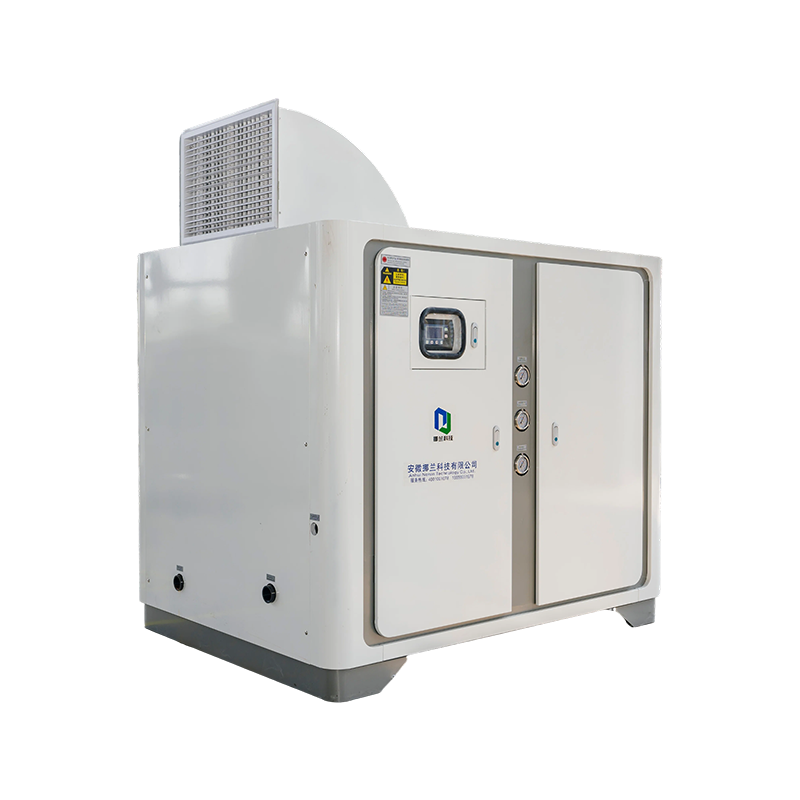
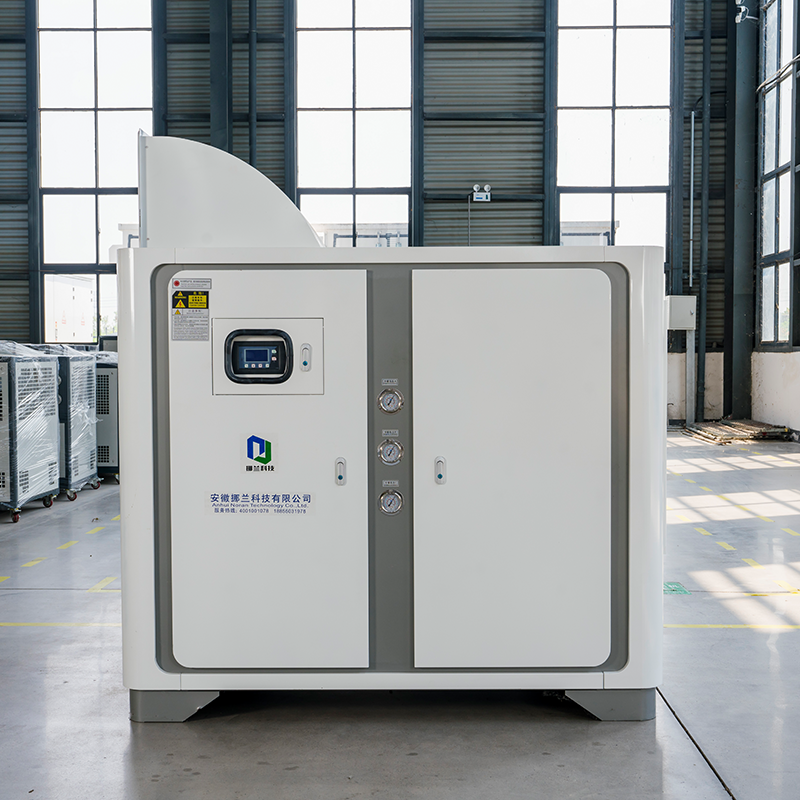
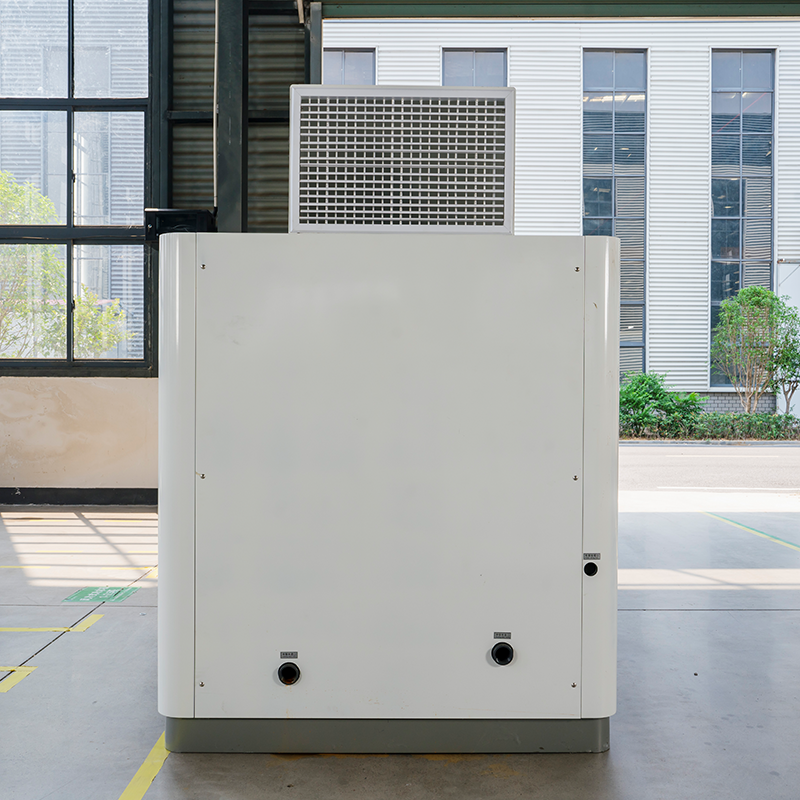
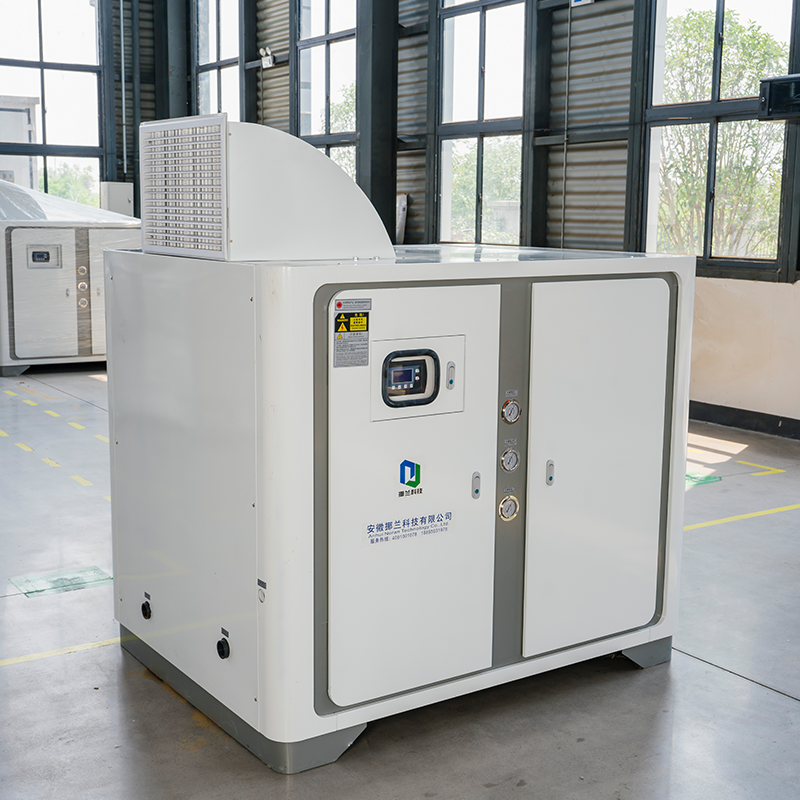


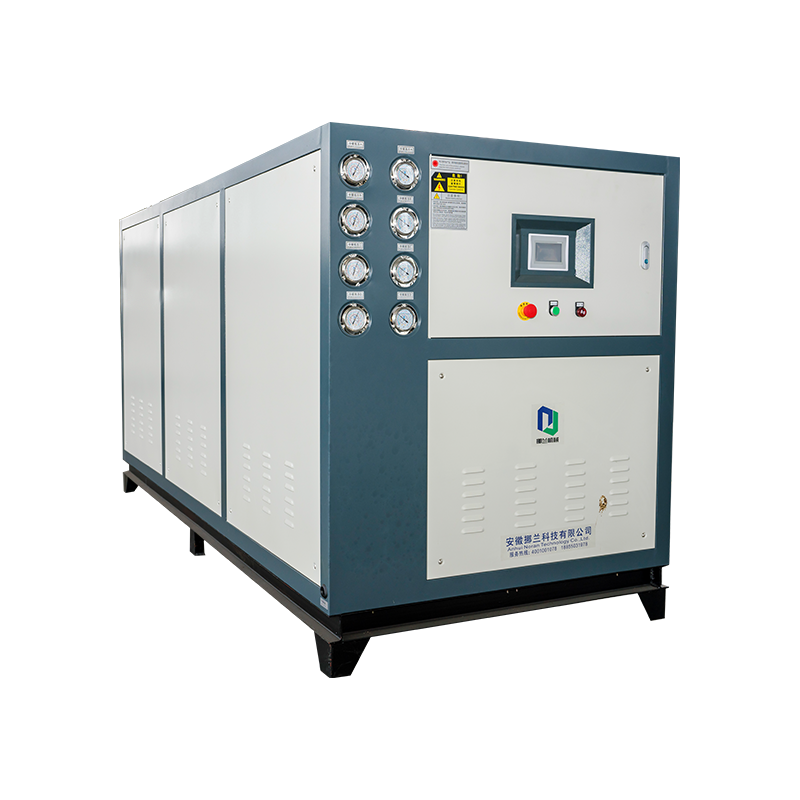















What Are the Key Maintenance Steps to Extend the Lifespan of a Water Cooled Workshop Air Cooler?
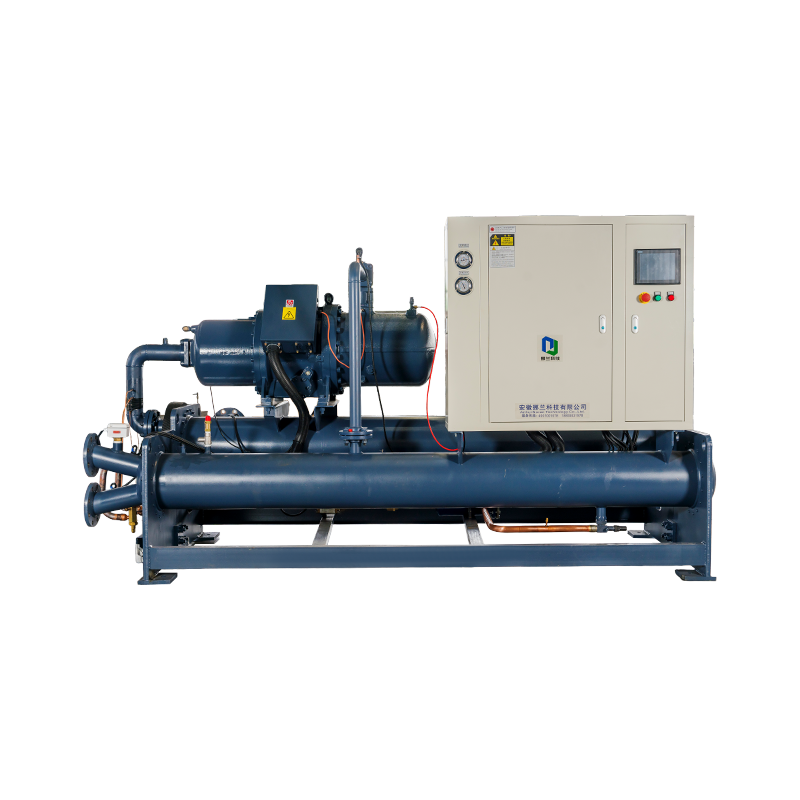
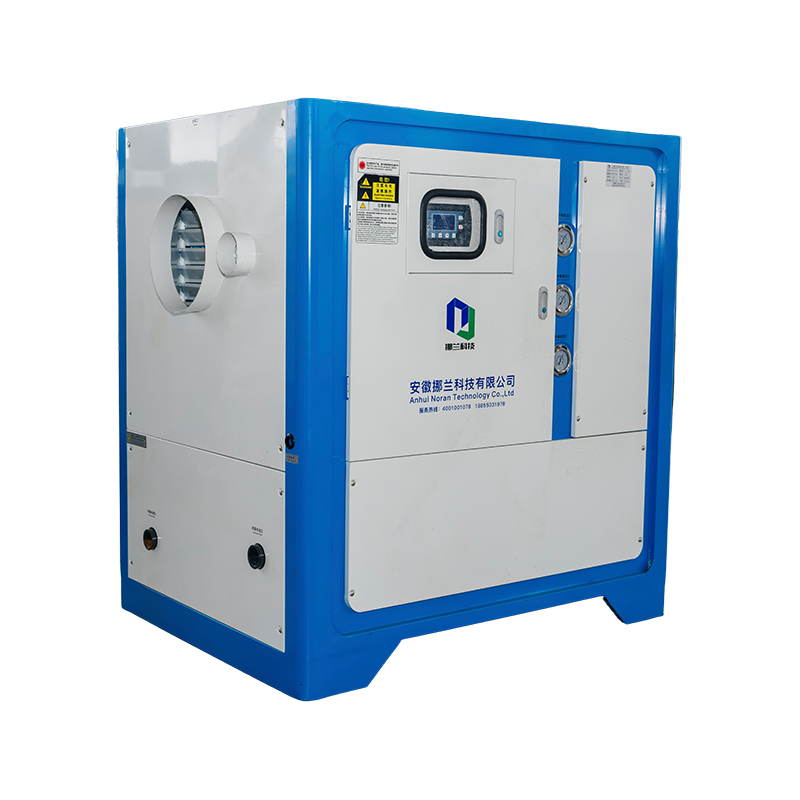
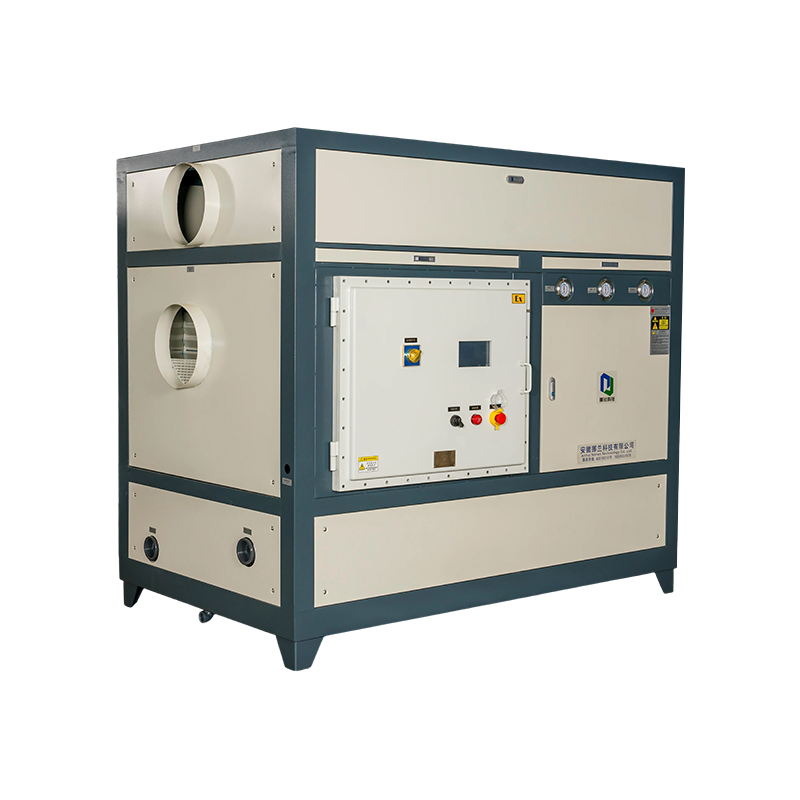
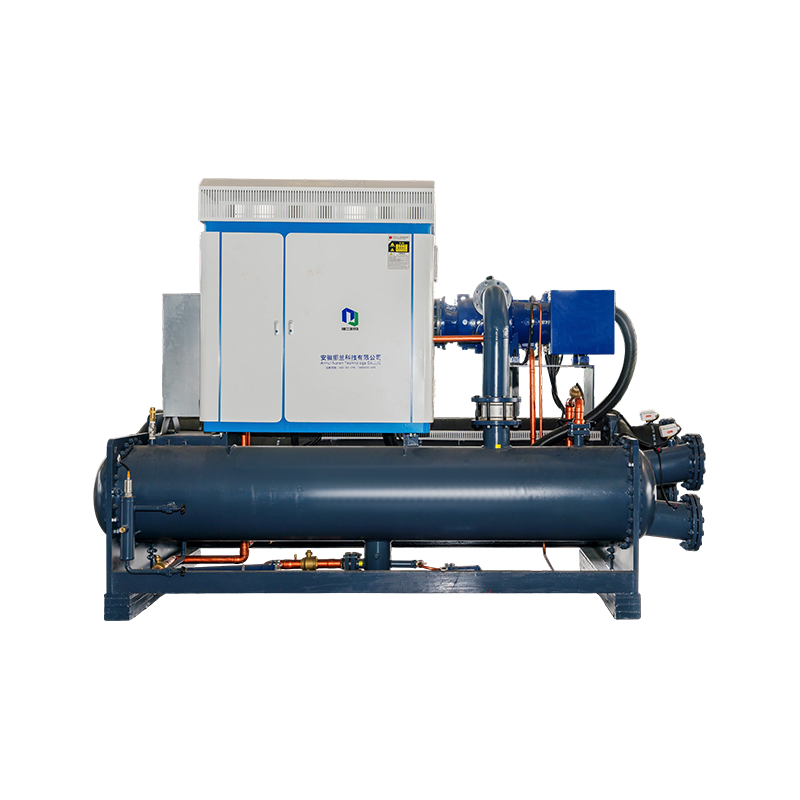
A water cooled unit cooler is one of the most cost-effective ways to keep a production floor comfortable and stable, but its service life depends heavily on how it is maintained. As a water cooled workshop air cooler manufacturer, Anhui Noran Technology Co., Ltd. has seen how routine care directly affects performance, energy consumption, and total cost of ownership. Below are the key maintenance steps that help a workshop cooling unit for stable temperature deliver reliable results year after year.
1. Keep the Water Loop Clean and Correctly Treated
The water circuit is the heart of any water cooled industrial cooling unit. Scale, sediment, and biological growth reduce heat exchange efficiency, raise condensing pressure, and force the compressor to work harder. Regular water quality testing, filter cleaning, and the correct dosage of anti-scale and anti-corrosion agents are essential.
- Water quality testing: check pH, hardness, conductivity, and suspended solids at least monthly.
- Filter and strainer cleaning: flush or replace filters every 2 to 4 weeks depending on dust levels.
- Chemical treatment: maintain anti-scale, anti-corrosion, and anti-biological dosing according to the water source.
- Water replacement: partially drain and refill the tank periodically to prevent concentration of dissolved solids.
2. Clean the Cooling Pad and Heat Exchange Surfaces
Dust, lint, and oil mist are common in plastics, powder coating, and industrial painting workshops. These contaminants block the cooling pad and coil surfaces, which reduces airflow and cooling capacity. A blocked pad also increases fan load and can cause uneven temperature distribution across the workshop.
- Cooling pad inspection: check for deformation, clogging, and algae growth every two weeks.
- Pad cleaning: rinse with low-pressure water and mild detergent, then dry before restarting.
- Coil and fin cleaning: use soft brushes or compressed air to remove dust from heat exchange surfaces.
- Airflow verification: confirm that air volume is consistent across the outlet and that no section is blocked.
3. Inspect the Fan, Motor, and Water Pump
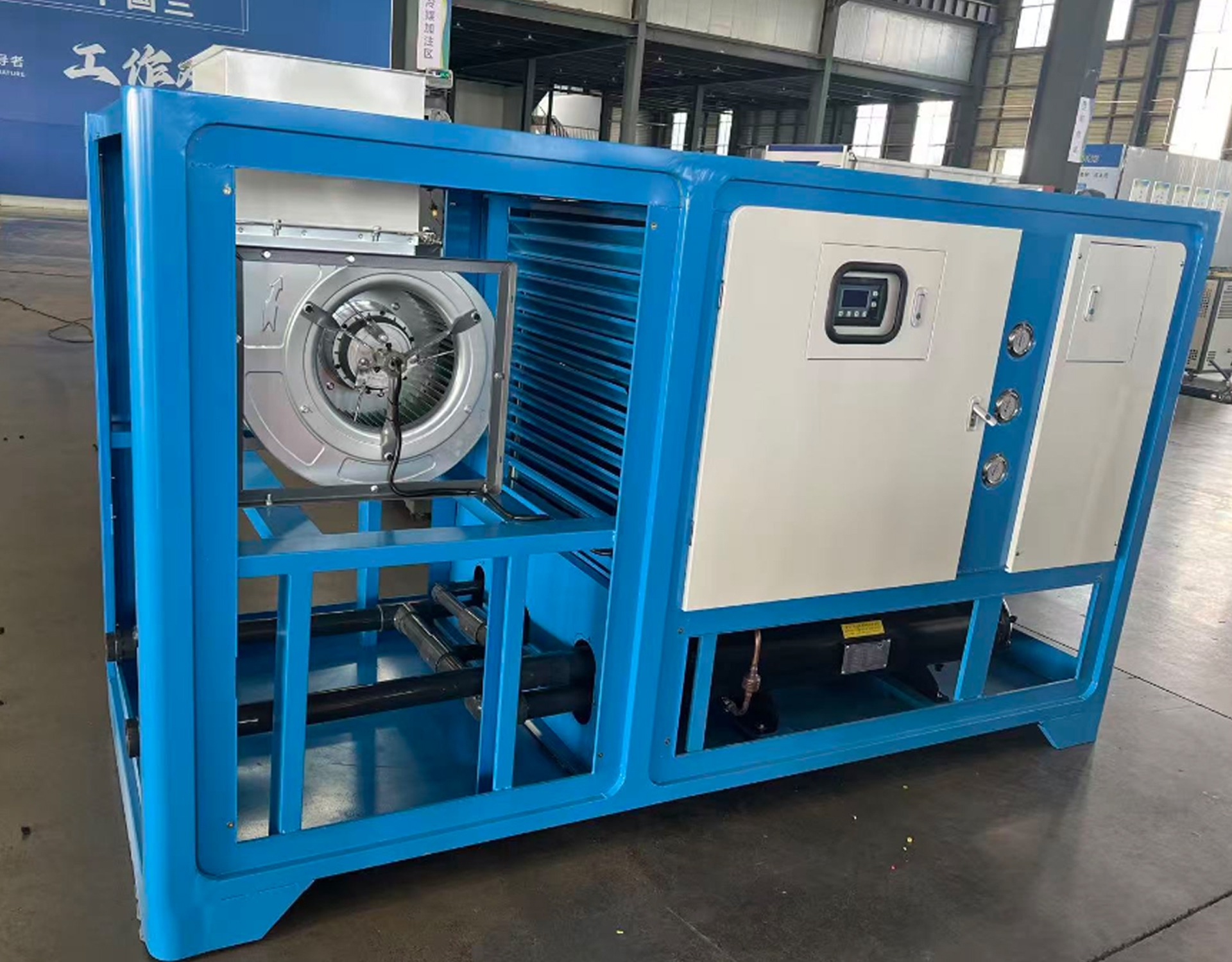
The fan and pump are the main moving parts of a workshop air cooling unit. Bearing wear, belt looseness, and impeller damage are common causes of vibration, noise, and reduced cooling performance. Early detection prevents sudden breakdowns during peak production.
- Bearing lubrication: add or replace grease according to the manufacturer schedule.
- Belt tension check: adjust tension and replace worn belts to avoid slippage.
- Pump inspection: check for leakage, abnormal noise, and reduced flow rate.
- Vibration monitoring: investigate any increase in vibration or noise immediately.
4. Verify Electrical Components and Control Settings
As a workshop air cooling system supplier, Anhui Noran Technology Co., Ltd. emphasizes that electrical reliability is just as important as mechanical maintenance. Loose terminals, aging contactors, and incorrect temperature settings can shorten equipment life and increase energy costs.
- Terminal tightening: check and tighten power and control terminals periodically.
- Contactor and relay inspection: replace pitted or worn contacts before they fail.
- Sensor calibration: confirm temperature and humidity sensors read accurately.
- Control parameter review: keep set points aligned with actual workshop load and season.
5. Maintain the Structural and Air Distribution System
An industrial workshop cooling system depends on correct air distribution as much as on refrigeration capacity. Loose ducts, damaged louvers, and poor sealing allow conditioned air to escape and hot air to enter, which forces the unit to run longer.
- Duct and connection sealing: repair leaks in ducts, flanges, and flexible connections.
- Louver and damper check: confirm that dampers move freely and are set correctly.
- Mounting and frame inspection: tighten bolts and check for corrosion on supports.
- Air balance adjustment: redistribute airflow when workshop layout or equipment changes.
6. Schedule Seasonal and Annual Overhauls
Preventive maintenance before summer and after the cooling season is the most effective way to extend lifespan. A structured overhaul catches small issues before they become major repairs and keeps the air cooling system for factory workshop within its design efficiency range.
- Pre-season overhaul: clean the entire water loop, test all electrical components, and verify cooling capacity.
- Post-season shutdown: drain water where required, clean pads and coils, and cover the unit against dust.
- Spare parts review: keep critical parts such as filters, belts, and sensors in stock.
- Service record keeping: log every inspection, cleaning, and repair for long-term trend analysis.
Maintenance Frequency and Parameter Comparison
| Maintenance Item | Recommended Frequency | Key Parameter to Check | Typical Acceptable Range | Risk If Neglected |
| Water quality testing | Monthly | pH / hardness / conductivity | pH 6.5–8.5, hardness within manufacturer limit | Scale, corrosion, reduced heat exchange |
| Filter and strainer cleaning | Every 2–4 weeks | Pressure drop across filter | Within 0.5–1.0 bar of clean baseline | Reduced water flow, pump overload |
| Cooling pad cleaning | Every 2 weeks | Air pressure drop / visual blockage | Less than 20% airflow reduction | Lower cooling capacity, higher fan load |
| Coil and fin cleaning | Monthly or quarterly | Fin surface condition | No visible dust layer or oil film | Poor heat rejection, higher condensing pressure |
| Bearing lubrication | Every 2000–3000 hours | Grease condition and bearing temperature | Bearing temperature below 70°C | Bearing failure, fan or pump downtime |
| Belt tension check | Monthly | Deflection / wear | Deflection within manufacturer specification | Slippage, noise, reduced airflow |
| Electrical terminal check | Quarterly | Torque and temperature rise | No discoloration, temperature rise within limit | Overheating, contact failure, fire risk |
| Sensor calibration | Every 6 months | Temperature / humidity accuracy | Deviation within ±0.5°C / ±3% RH | Incorrect control, energy waste |
| Full seasonal overhaul | Twice per year | Overall cooling capacity and power consumption | Within 5–10% of design performance | Progressive efficiency loss, premature replacement |
Why Maintenance Support from the Manufacturer Matters
Air cooling machines for workshop use are often installed in demanding environments, and generic maintenance advice may not match the actual water source, dust load, or production schedule. Working with an experienced manufacturer ensures that maintenance intervals, water treatment methods, and spare parts are matched to the specific equipment design.
Anhui Noran Technology Co., Ltd. was founded from Hangzhou Noran in 2014 and moved to Anhui in 2021, establishing an approximately 33000 m2 production base in Mingguang City, Anhui Province. The company specializes in industrial chillers, air cooling systems, screw chillers, low-temperature refrigeration units, heat recovery systems, explosion-proof refrigeration equipment, and customized cooling solutions. Its products are widely used in plastics, powder coating, electronics and photovoltaics, pharmaceuticals, chemicals, industrial painting, and large-scale industrial projects.
Based on customer requirements such as cooling capacity, temperature accuracy, operating environment, and installation conditions, Anhui Noran Technology Co., Ltd. provides reliable and energy-efficient refrigeration solutions tailored to each application. Continuous innovation in energy-saving refrigeration technologies, low-temperature cooling, intelligent temperature control, and customized system integration helps customers worldwide achieve stable, efficient, and professional cooling performance.
FAQ
Q1: How often should a water cooled workshop air cooler be serviced to achieve the longest lifespan?
A: At minimum, perform monthly water quality testing and filter cleaning, biweekly cooling pad inspection, quarterly electrical checks, and a full overhaul twice per year. Anhui Noran Technology Co., Ltd. recommends building a maintenance calendar based on actual dust load, water hardness, and operating hours, because a workshop cooling unit for stable temperature in a powder coating plant may need more frequent pad cleaning than one in a clean electronics assembly area. Following a documented schedule with genuine spare parts is the most reliable way to extend equipment life.
Q2: What are the most common signs that a workshop air cooling unit needs immediate maintenance?
A: Watch for reduced cooling effect, rising outlet air temperature, abnormal noise or vibration, water leakage, higher power consumption, and frequent compressor cycling. These symptoms usually indicate scale buildup, blocked pads, bearing wear, or incorrect control settings. As a water cooled workshop air cooler manufacturer, Anhui Noran Technology Co., Ltd. advises customers to record baseline parameters after commissioning so that any deviation can be identified quickly and corrected before it causes major damage.
Q3: Can Anhui Noran Technology Co., Ltd. provide customized maintenance and cooling solutions for different workshop environments?
A: Yes. Anhui Noran Technology Co., Ltd. designs and manufactures industrial chillers, air cooling systems, screw chillers, low-temperature refrigeration units, heat recovery systems, explosion-proof refrigeration equipment, and customized cooling solutions. Based on cooling capacity, temperature accuracy, operating environment, and installation conditions, the company provides tailored refrigeration solutions for industries such as plastics, powder coating, electronics and photovoltaics, pharmaceuticals, chemicals, and industrial painting. This engineering support helps customers select the right industrial workshop cooling system and maintain it correctly throughout its service life.


