
 English
  Français
  Español
  Português
  عربى
عربى  Türk
Türk  हिंदी
हिंदी 


















How to Choose the Right Industrial Forced-Air Standard Unit Cooler
Choosing the right industrial cooling equipment requires a clear understanding of the production process, cooling demand, installation environment, and investment budget. An industrial forced air unit cooler is designed to deliver cooled air through forced circulation and heat exchange, making it suitable for industrial applications that require reliable temperature management without unnecessary system complexity. For customers who do not need an integrated dust collection system, a standard unit cooler offers a practical balance between essential cooling performance and initial equipment cost.
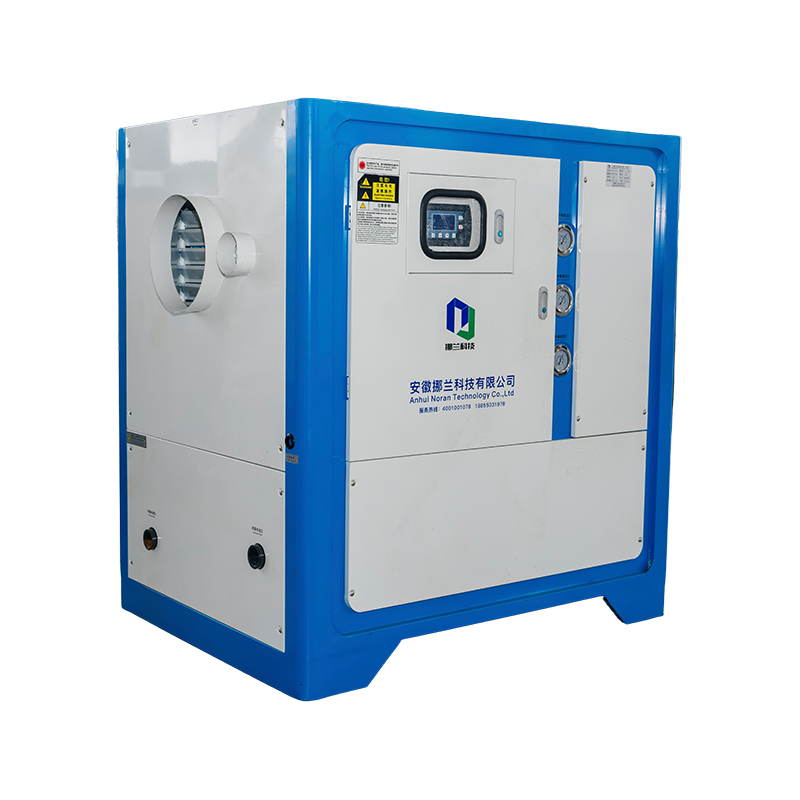
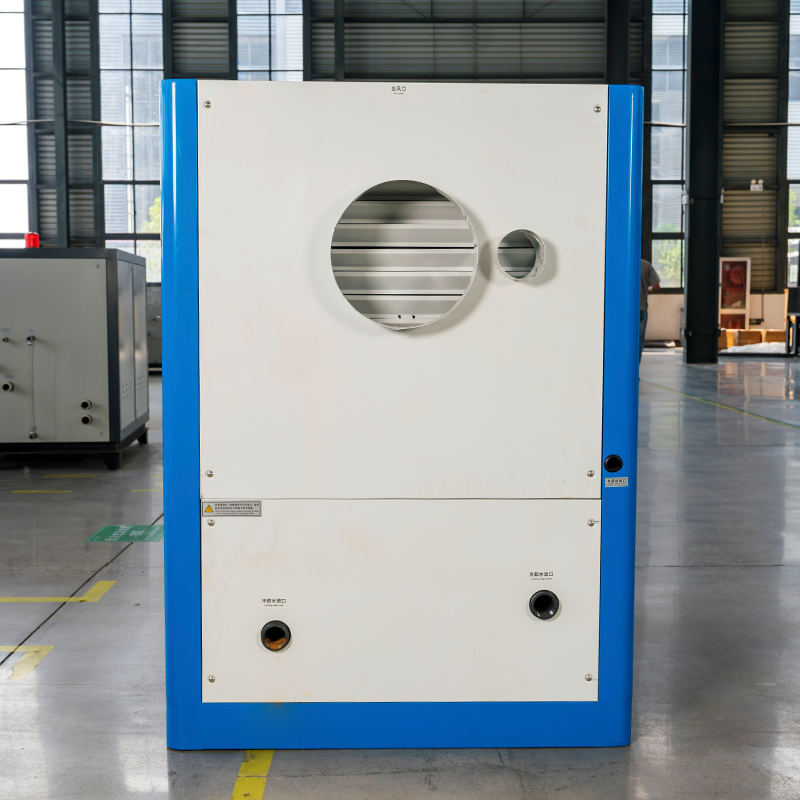
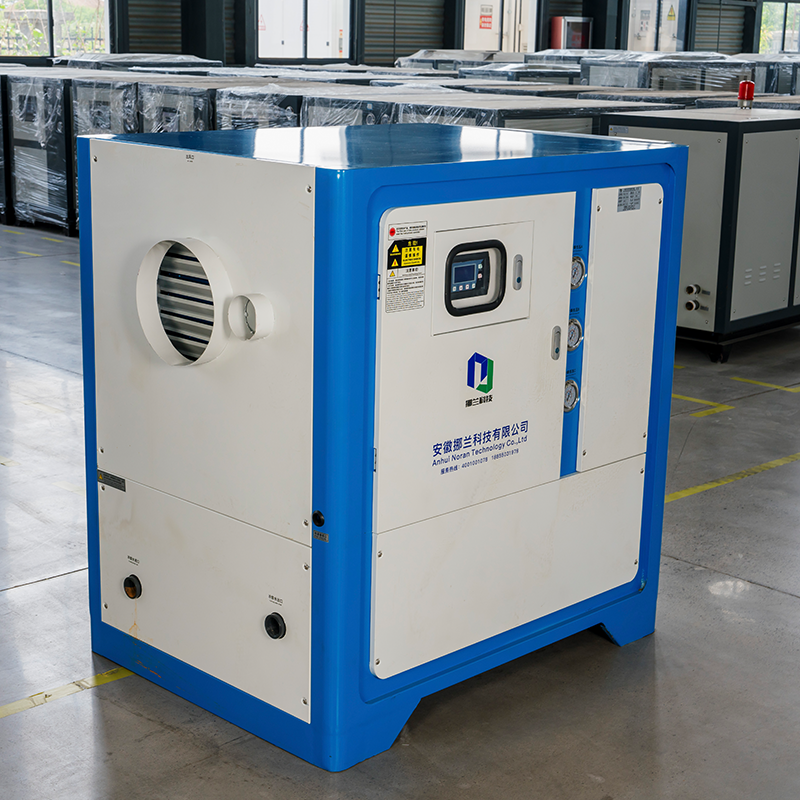
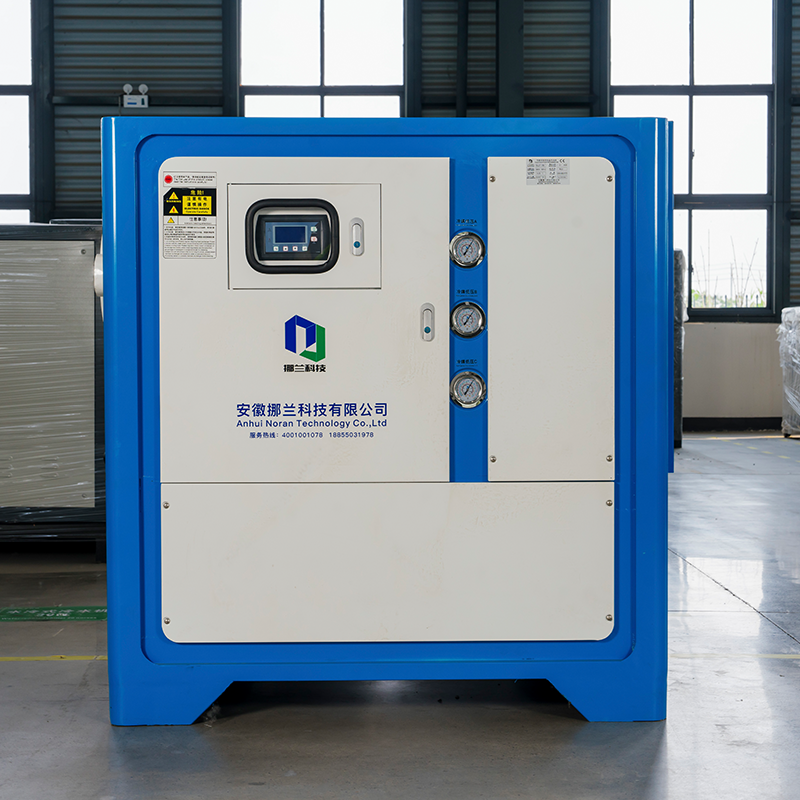
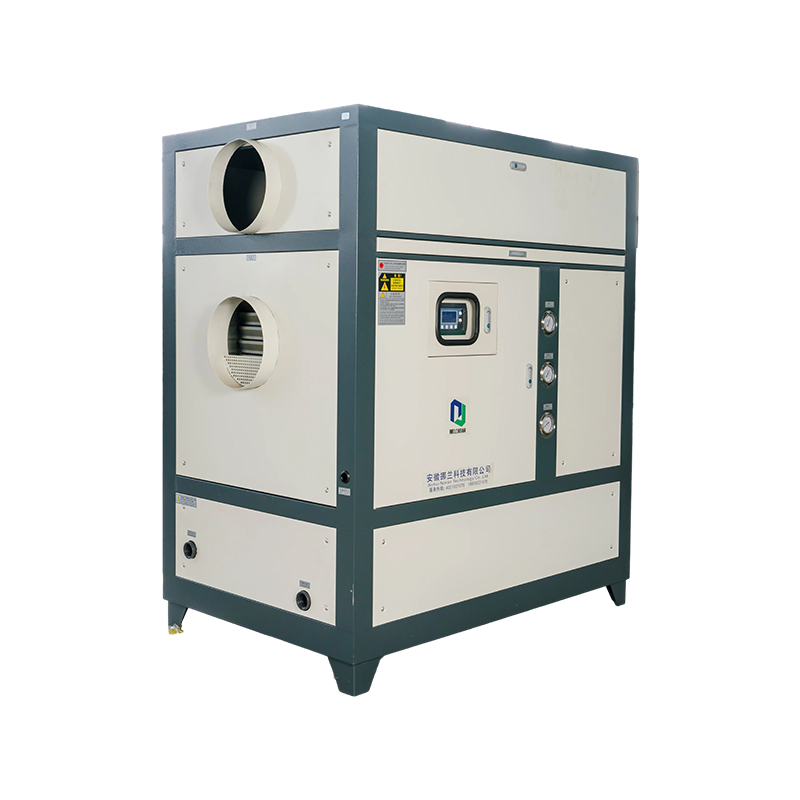
Noran's industrial forced-air standard unit cooler follows a cost-optimized design philosophy. By removing the upper dust collection section, the unit uses a simplified configuration while retaining its core cooling, heat exchange, and forced-air functions. Understanding the available configurations and their application differences helps buyers select equipment that matches actual operating requirements rather than paying for features they do not need.
1. Standard Forced-Air Unit Cooler: Essential Cooling at a Lower Initial Cost
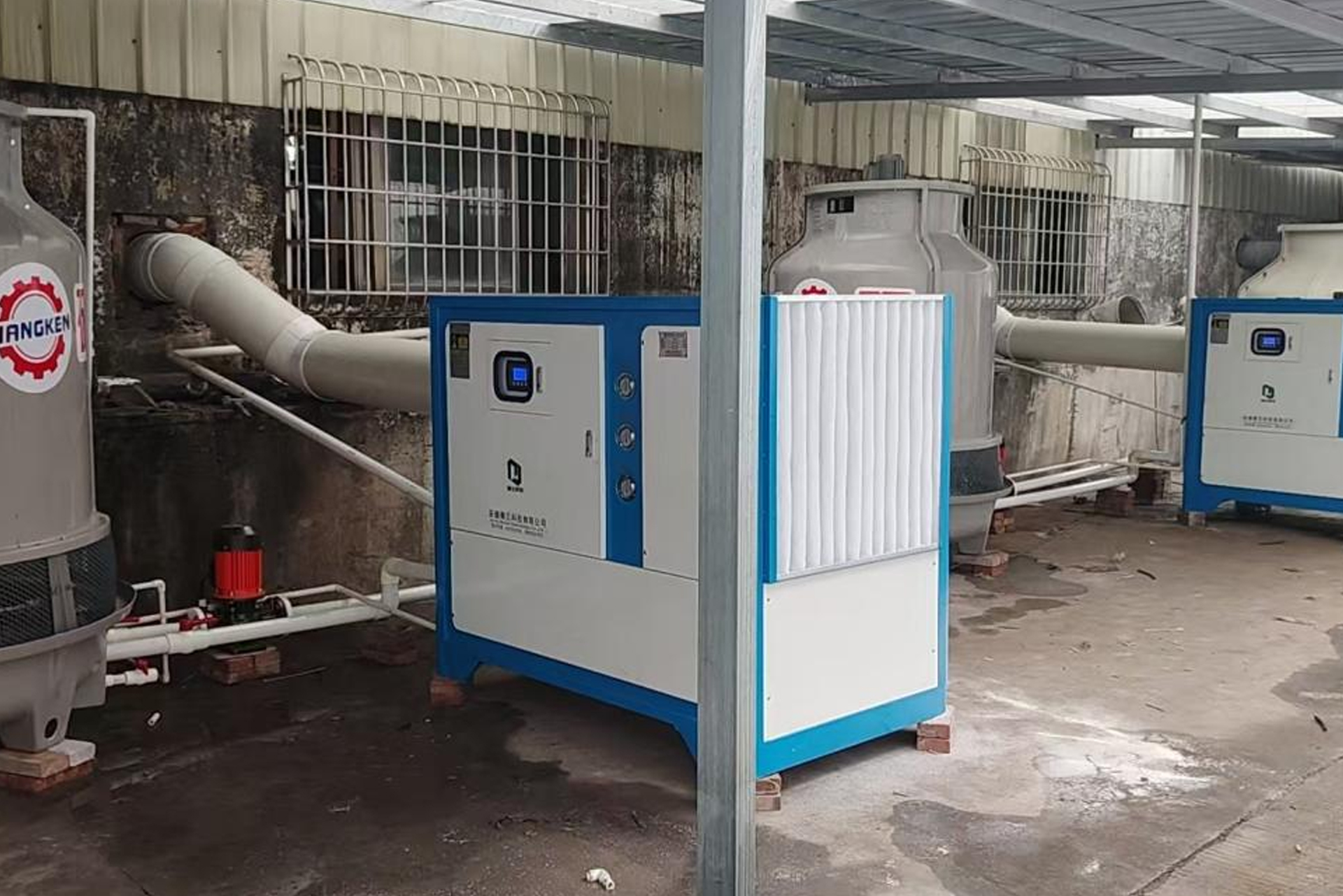
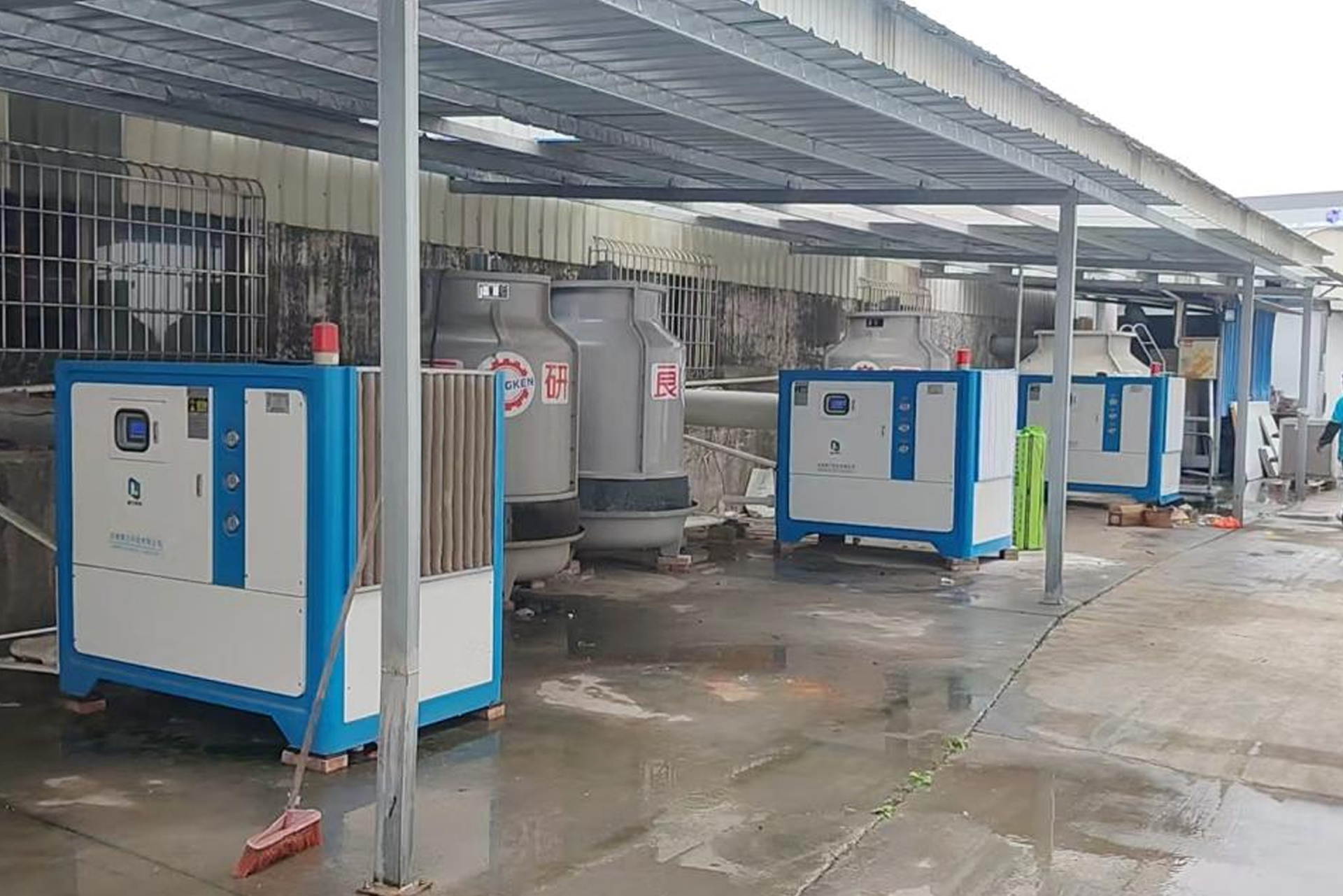
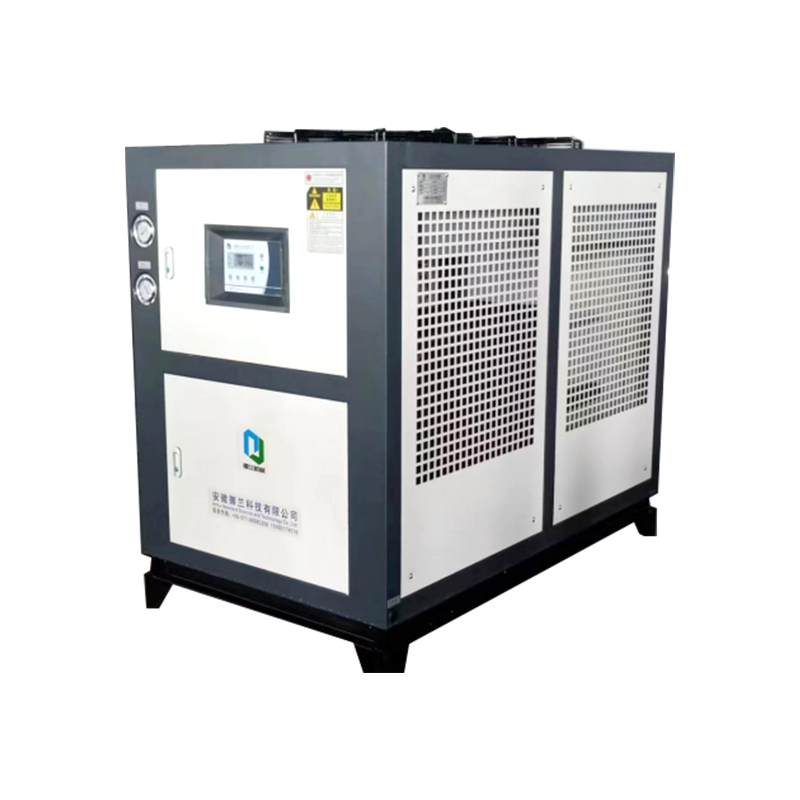
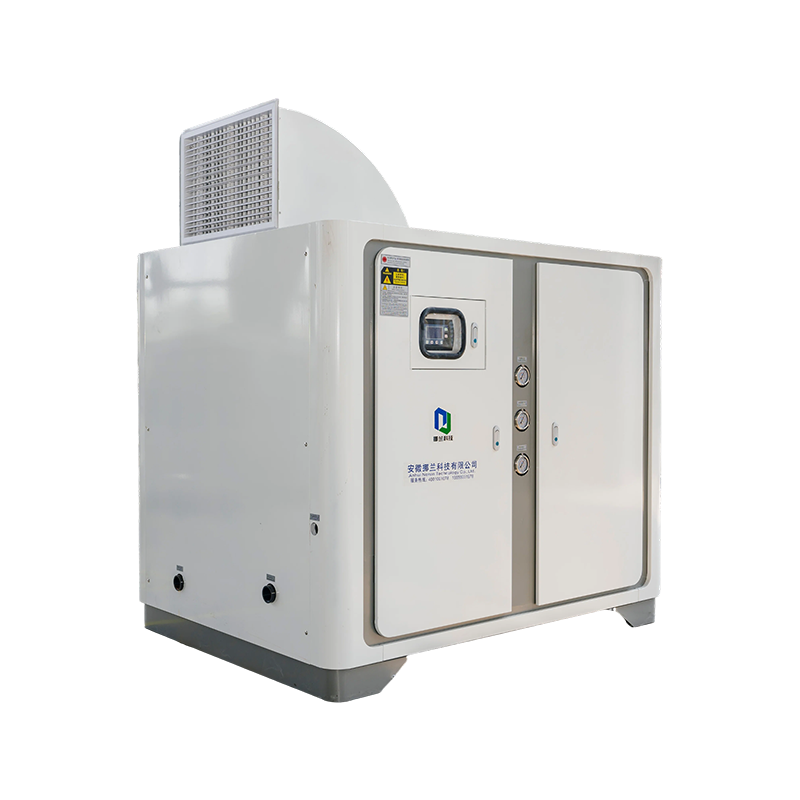
A standard industrial forced air unit cooler is intended for facilities that need consistent cooled-air circulation but do not require an integrated dust collection section. Its basic operating principle combines a cooling heat exchanger with forced airflow. Air passes through the heat exchange section, transfers heat to the cooling medium, and is circulated back into the designated working area or process zone.
For customers seeking reliable cooling with a simplified configuration, Noran's industrial forced air unit cooler delivers essential cooling, heat exchange, and forced-air circulation without an integrated upper dust collection section. This design helps reduce initial investment while maintaining the core functions required for general industrial cooling applications.
The main distinction of this configuration is its simplified structure. Removing the upper dust collection section reduces unnecessary components and can lower the initial equipment investment. This design is particularly relevant when dust collection is handled by a separate system or is not required by the production process. The resulting forced air industrial cooler provides essential cooling without making the equipment more complicated than the application demands.
Typical applications include general industrial workshops, production areas requiring process-air temperature management, and facilities where cooling equipment operates alongside independent ventilation or dust-control equipment. Buyers should still evaluate the surrounding environment carefully. If airborne particles are significant, the overall ventilation and filtration arrangement must be suitable for the process; a standard unit cooler should not be treated as a substitute for dust collection.
For businesses prioritizing cost control, this configuration offers a straightforward starting point. When comparing options, confirm the required cooling capacity, airflow, cooling-medium conditions, installation dimensions, and maintenance access. These factors are more useful for selecting a suitable industrial air cooling unit than choosing equipment based on price alone.
2. Industrial Air Circulation Coolers for General Production Areas
An industrial air circulation cooler focuses on distributing cooled air through a working area or around equipment that needs temperature management. The fan supports air movement across the heat exchanger and helps deliver cooled air beyond the immediate unit location. Compared with a configuration designed for a specialized process, this type is generally selected for broader cooling requirements and relatively straightforward operating conditions.
An industrial forced air unit cooler can serve as the central cooling component in a forced air cooling system, provided that the heat load, airflow pattern, and cooling-medium supply are appropriately matched. Correct placement matters because walls, machinery, partitions, and stored materials can obstruct circulation. A unit with adequate cooling capacity may still produce uneven temperatures if the cooled air cannot reach the intended area.
This category can be considered for general manufacturing areas, equipment rooms, and production spaces where forced circulation is needed to improve air movement and remove process heat. Its main advantage is operational simplicity. It can be integrated into a broader plant cooling arrangement without requiring the same specialized configuration as certain low-temperature, hazardous-area, or tightly controlled process applications.
Before selecting an industrial air circulation cooler, assess the room layout, heat-generating equipment, expected operating hours, and ambient conditions. The final configuration should also provide reasonable access for cleaning, inspection, and servicing. For facilities with changing production loads, discussing operating patterns with the equipment manufacturer can help identify a configuration that meets cooling needs without unnecessary capacity or complexity.
3. Industrial Air Cooling Units for Powder-Related Processes
Powder-processing environments may require cooling to control equipment temperature, manage process heat, or maintain more stable operating conditions. An industrial air cooling unit for powder cooling should therefore be selected according to the actual production process rather than the word powder alone. Different materials and manufacturing methods can create very different thermal loads, airborne particle levels, and environmental requirements.
In applications such as powder coating production, grinding, or related material-processing operations, buyers should identify whether the cooler is intended to cool a machine, circulate air within a work zone, or support a specific process stage. A standard industrial forced air unit cooler may be appropriate when essential cooling and forced circulation are required and dust collection is provided separately or is unnecessary for the application.
The key consideration is that cooling and particle control are different functions. If powder or dust is generated during production, the project may need a separate extraction or filtration system. The cooler's materials, electrical configuration, fan arrangement, and protection measures should also be reviewed against the operating environment. Where combustible dust or other hazardous conditions may exist, the equipment must be evaluated against the applicable safety requirements rather than assuming a standard cooler is suitable.
Compared with a general-purpose unit, a process-oriented cooling solution requires more detailed information about production temperature, dust exposure, operating cycles, and installation conditions. Providing these details during technical consultation helps determine whether a standard unit is sufficient or whether a more customized industrial unit cooler configuration is needed.
4. Custom Industrial Air-Forced Coolers for Specific Requirements
Not every industrial facility has the same cooling load, available installation space, or operating environment. A custom industrial air-forced cooler is considered when standard equipment cannot adequately match the process requirements. Customization may involve cooling capacity, airflow arrangement, installation dimensions, cooling-medium conditions, electrical components, or other project-specific details, depending on the equipment design and application.
Noran specializes in industrial refrigeration equipment and customized temperature control solutions. Founded in 2014 with its origins in Hangzhou, the business expanded its manufacturing capabilities in 2021 through Anhui Noran Technology Co., Ltd., established with an approximately 33,000-square-meter production base in Mingguang City, Anhui Province. Together, Hangzhou Noran and Anhui Noran support industrial customers with equipment development, manufacturing, quality control, and project delivery.
The company's product range includes industrial chillers, air cooling systems, screw chillers, low-temperature refrigeration units, heat recovery systems, explosion-proof refrigeration equipment, and customized cooling solutions. This broader technical scope is relevant when a project needs a standard cooler to work as part of a larger temperature-control arrangement. The objective is to select equipment based on verified process requirements instead of adding features without a clear operational purpose.
When contacting an industrial forced air unit cooler manufacturer, prepare the following information to support an effective technical review:
- Required cooling capacity and expected heat load.
- Target air temperature and acceptable temperature variation, where applicable.
- Available cooling medium and its operating conditions.
- Installation dimensions, airflow direction, and maintenance clearance.
- Dust exposure, ambient conditions, and any relevant safety requirements.
- Daily operating hours, production cycles, and expected load changes.
A qualified forced air cooling equipment supplier should review these details before recommending a configuration. This process helps establish whether a standard model can meet the application requirements or whether customization is justified by the installation or production conditions.
5. Comparing Cooler Configurations Before Purchase
Different cooling configurations serve different purposes. The following comparison provides a practical framework for identifying the appropriate direction. It is a qualitative selection guide rather than a list of guaranteed performance specifications; final capacity, airflow, and operating limits depend on the selected model and project conditions.
| Configuration | Main purpose | Key advantage | Selection consideration |
| Standard forced-air unit cooler | Essential cooling and forced airflow | Simplified structure and lower initial investment | Confirm whether separate dust collection is needed |
| General air circulation cooler | Cooling and air movement in production areas | Suitable for general circulation requirements | Review airflow distribution and room layout |
| Powder-process cooling configuration | Cooling associated with powder-related operations | Can be matched to defined process needs | Evaluate dust exposure and separate extraction needs |
| Customized forced-air cooling unit | Applications with specific technical constraints | Configuration can address project requirements | Requires detailed technical information |
For facilities with straightforward cooling needs, an industrial air cooler for common usage may be sufficient if its performance matches the actual heat load. Where outdoor installation is required, an economic air cooler for outdoor installation should be assessed for weather exposure, ambient temperature, electrical protection, service access, and the suitability of its components for the location. The term economic should refer to overall value and suitability, not merely the lowest purchase price.
6. A Practical Process for Choosing the Right Unit
A structured selection process helps prevent mismatches between equipment capabilities and production requirements. Instead of starting with a model name, buyers should define the operating conditions and compare suitable configurations against those needs.
- Define the cooling objective. Identify whether the equipment must cool a machine, a process area, or circulating air, and establish the required operating conditions.
- Review the environment. Record ambient conditions, airborne particles, installation location, available space, and any applicable safety requirements.
- Confirm the cooling and airflow requirements. Ask the supplier to evaluate the heat load, cooling-medium conditions, airflow direction, and expected operating schedule.
- Compare standard and customized options. Choose a simplified standard configuration when it meets the requirements; consider customization only where specific constraints justify it.
- Plan maintenance and lifecycle costs. Check access for cleaning, component inspection, servicing, and replacement, then compare the expected operating and maintenance demands.
These steps also help buyers distinguish a basic forced air industrial cooling unit from a solution designed for more demanding process conditions. An appropriately selected unit should satisfy the required cooling function while remaining practical to install, operate, and maintain.
Standard Unit Cooler: Scope, Air Distribution, and Commissioning
A standard forced-air unit cooler is a sensible option when the required function is cooling and air circulation, and the process does not require an integrated dust-collection section. That simplified scope should be stated clearly in the quotation and installation drawings. If the facility needs extraction, filtration, or combustible-dust controls, those functions must be designed and specified separately unless the supplied equipment documentation explicitly includes them.
Air distribution is a practical selection issue that is often missed when buyers compare only nominal capacity. Review the unit's mounting height, discharge direction, obstructions, aisle layout, heat-source locations, and the return-air path. If cooled air returns to the inlet before reaching the target area, the space can have local hot spots even though the unit is running. Multiple units, if considered, should be positioned to support the required air movement without creating competing jets or inaccessible maintenance zones.
The cooling coil and fan must also match the specified operating conditions. Ask which entering-fluid temperature and flow are assumed, what airflow is available at the expected resistance, and whether the performance basis changes when filters or protective screens are fitted. Confirm drain arrangements where condensation is possible, and allow room for cleaning the coil, inspecting electrical components, and replacing service parts. A standard configuration can reduce initial complexity, but it should not be selected if the site conditions require features that the standard unit does not provide.
- Define the target temperature, heat sources, operating schedule, and area to be cooled.
- Confirm cooling-medium conditions, airflow requirements, mounting position, and available utilities.
- Check whether dust collection, filtration, corrosion protection, or hazardous-area approval is required.
- At commissioning, verify fan rotation, airflow direction, temperature response, drainage, and safe access for maintenance.
Keep a baseline record of operating conditions after commissioning. A later change in temperature response may be caused by a changed process load, blocked coil, reduced fluid flow, altered fan settings, or a different room-air path. Recording the initial conditions helps maintenance teams investigate the cause rather than replacing equipment based on symptoms alone.
Frequently Asked Questions
Q1: What is an industrial forced-air standard unit cooler?
It is an industrial cooling unit that uses a heat exchanger and forced airflow to deliver cooled air. Noran's standard configuration removes the upper dust collection section to simplify the equipment and reduce initial investment while retaining its essential cooling and air-circulation functions.
Q2: Does a standard unit cooler include dust collection?
The standard product described here does not include an integrated upper dust collection section. If the process generates dust or powder, the facility should determine whether separate extraction or filtration equipment is necessary.
Q3: Can an industrial forced air unit cooler be used for powder cooling?
It may be suitable for certain powder-related processes when the required cooling and airflow conditions match the unit's capabilities. Dust exposure, combustible-dust risks, and other safety considerations must be evaluated separately before the equipment is selected.
Q4: When should I choose a customized cooler instead of a standard model?
Consider customization when the required cooling capacity, airflow, installation dimensions, cooling-medium conditions, or operating environment cannot be adequately addressed by a standard configuration. A technical review can help establish which modifications are necessary.
Q5: What information should I provide when contacting Noran?
Provide the application description, cooling requirements, target temperatures, available cooling medium, installation dimensions, operating schedule, and environmental or safety constraints. Noran can use this information to assess a suitable industrial cooling configuration and determine whether a standard or customized solution is more appropriate.
The right cooler is the one that meets the real demands of the process without adding unnecessary complexity. By comparing cooling requirements, airflow, environmental conditions, and lifecycle considerations, industrial buyers can select a reliable and cost-conscious unit. Noran supports this approach through its range of industrial refrigeration equipment and customized temperature control solutions, helping customers identify a configuration aligned with their application and project requirements.


