
 English
  Français
  Español
  Português
  عربى
عربى  Türk
Türk  हिंदी
हिंदी 


















How Air Bearing Centrifugal Chillers Support Oil-Free Industrial Cooling
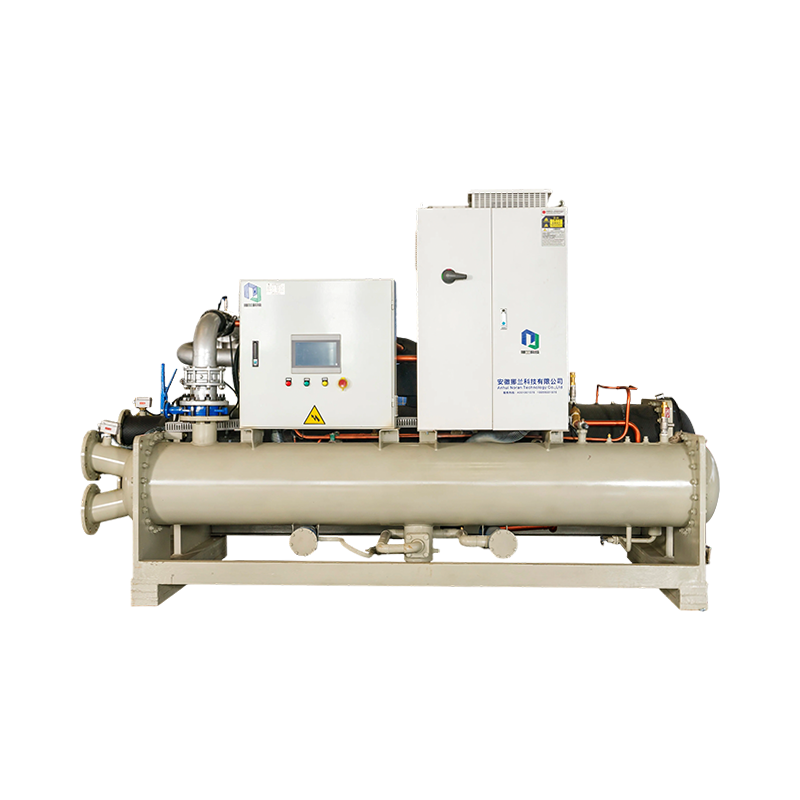
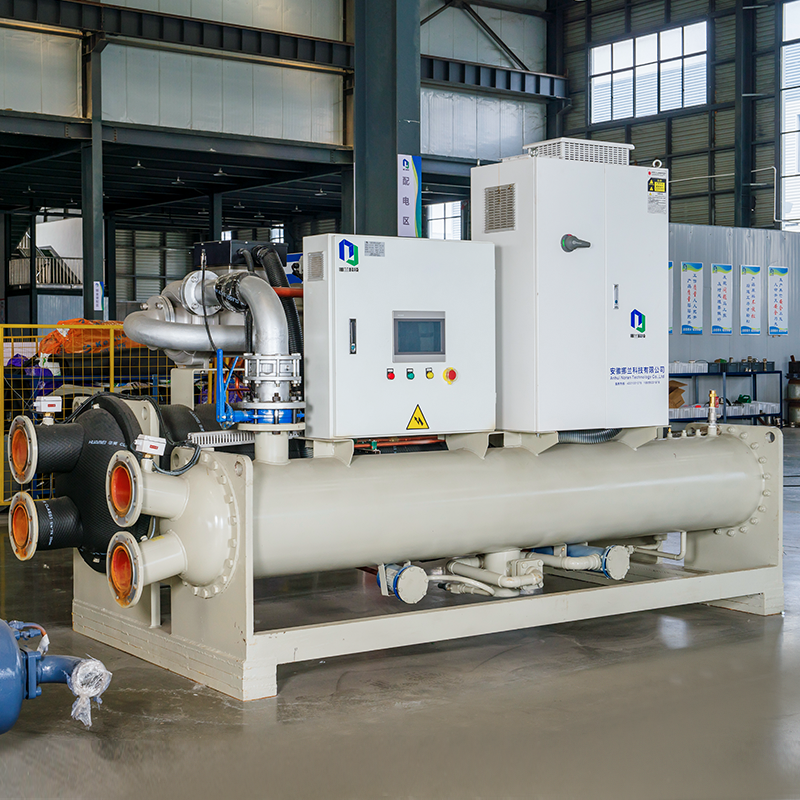
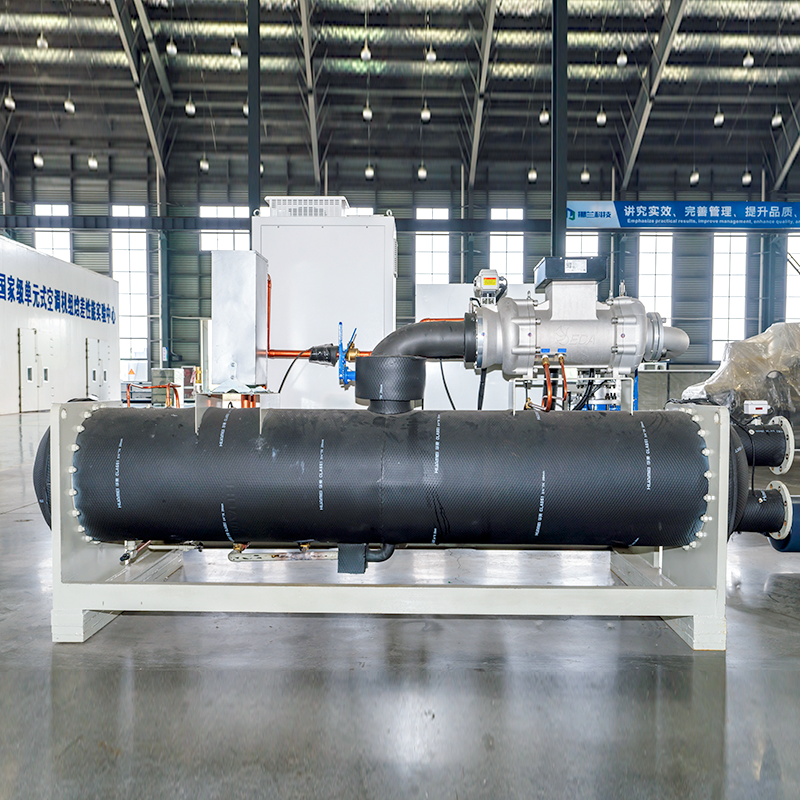
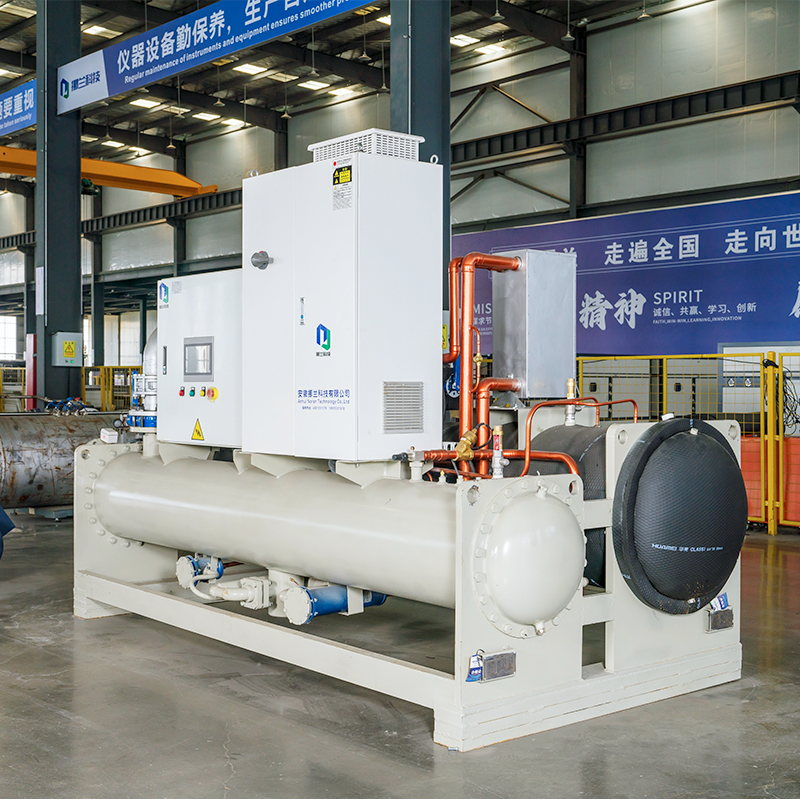
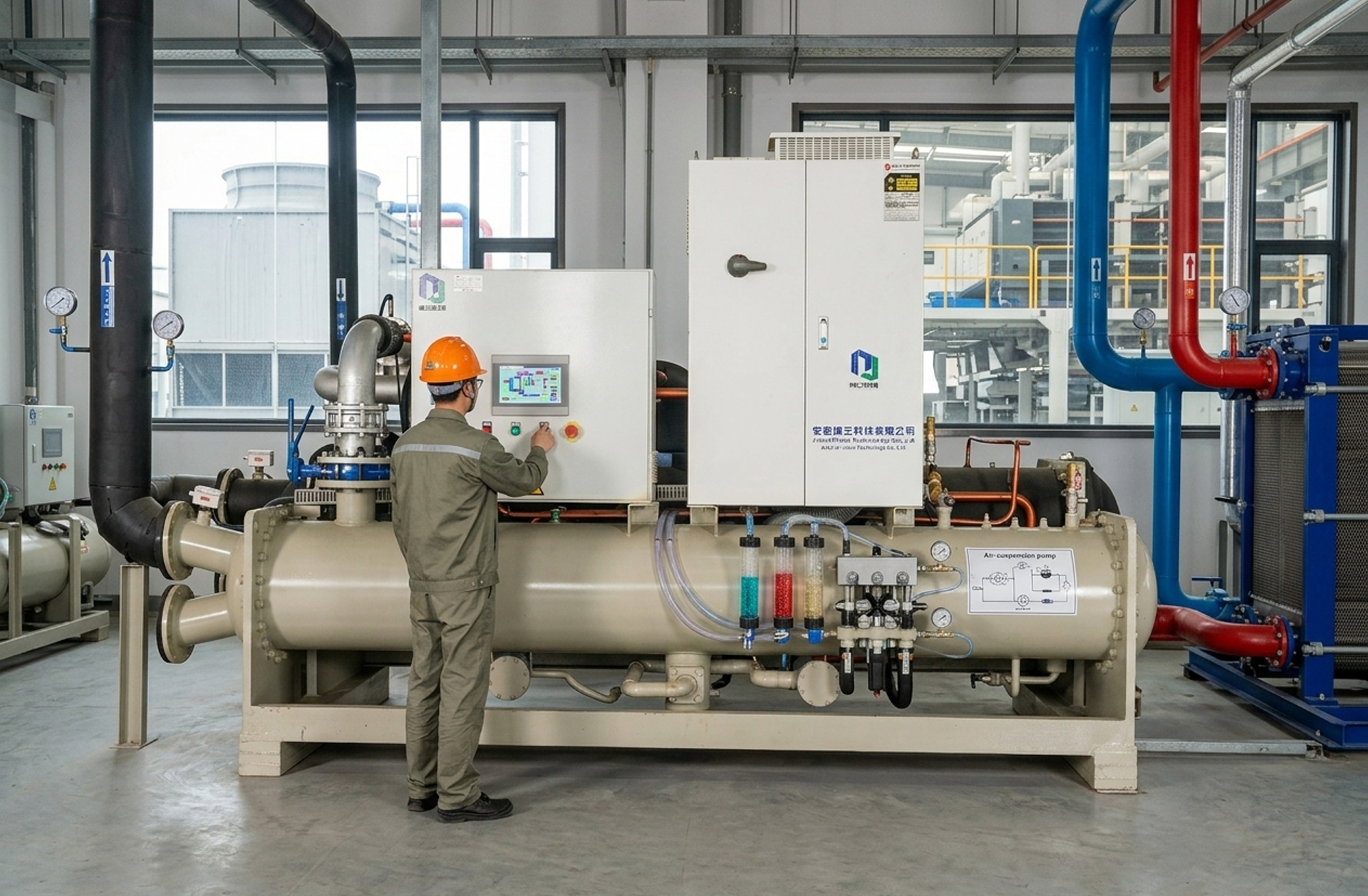
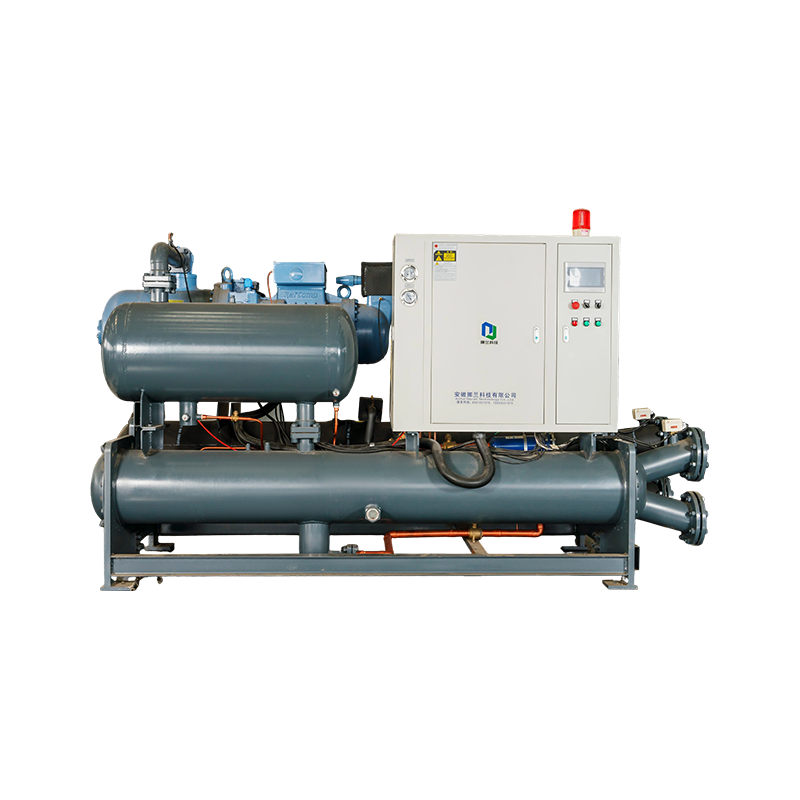
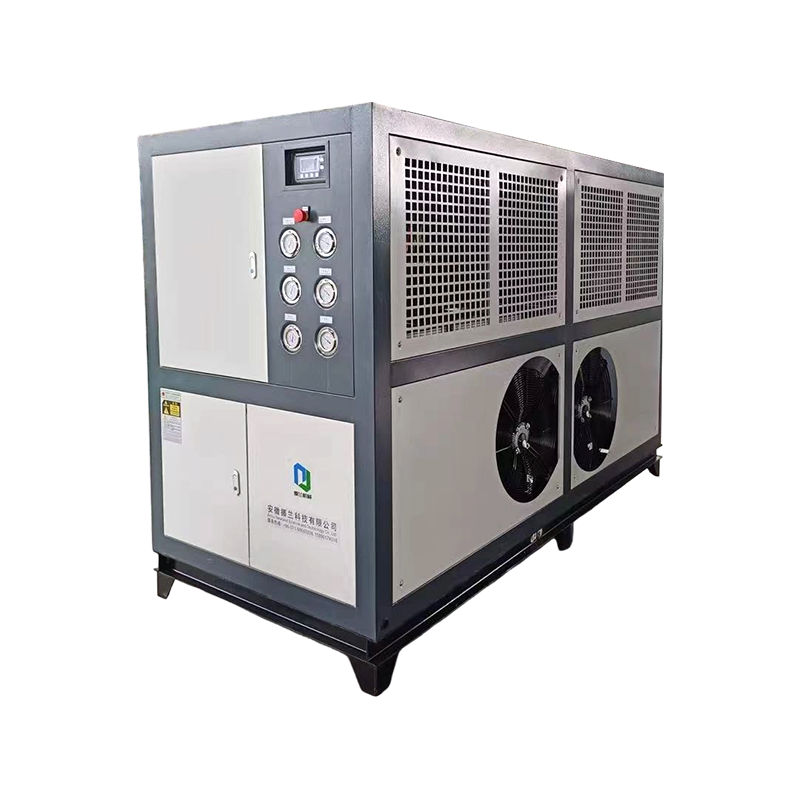
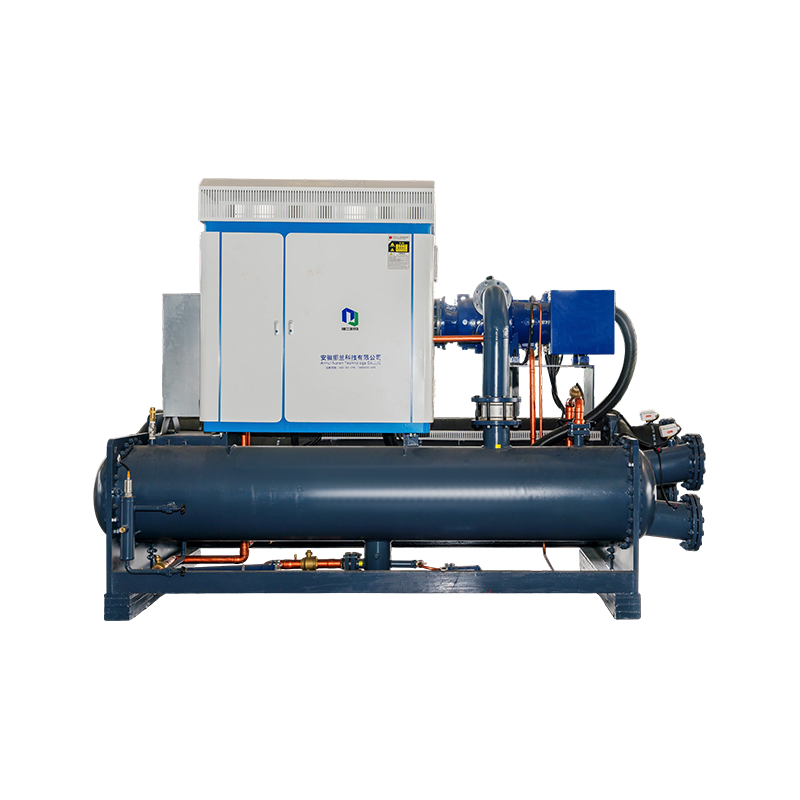
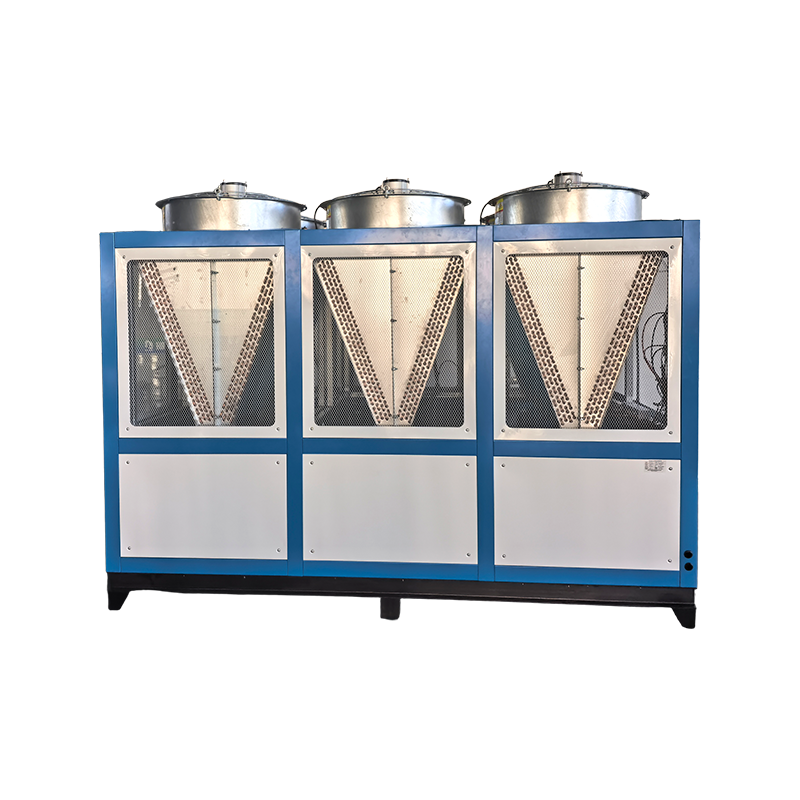
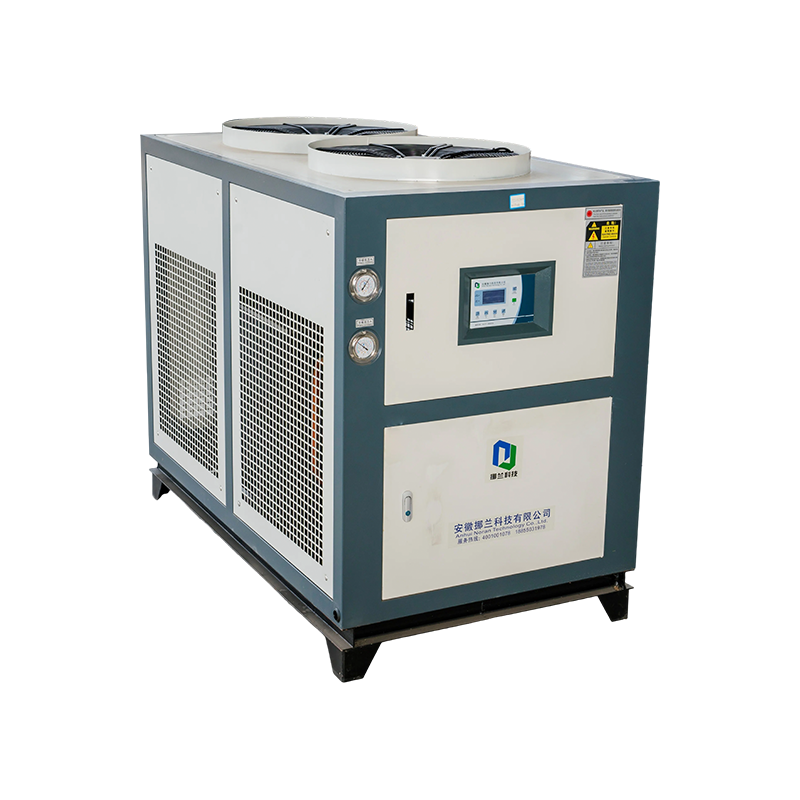
An air bearing centrifugal chiller uses aerodynamic bearings to support a high-speed compressor shaft with a thin film of air, reducing the need for conventional lubricating oil in the bearing system. Combined with centrifugal compression and variable frequency control, this design can support efficient cooling in applications where low maintenance requirements and stable temperature control are important.
When evaluating an air bearing centrifugal chiller, buyers should consider cooling capacity, operating range, chilled water conditions, control strategy, and the requirements of the complete refrigeration system.
How Air Bearing Technology Works
An air bearing compressor uses a thin layer of pressurized air generated by the shaft's rotation to separate moving surfaces. This reduces mechanical contact in the bearing system and eliminates the need for conventional bearing lubrication in that arrangement. The compressor impeller accelerates refrigerant vapor, while the diffuser converts part of its velocity into pressure.
An oil free centrifugal chiller can reduce concerns associated with oil entering the refrigerant circuit, although the exact oil-free configuration and scope should be confirmed in the equipment documentation. Variable frequency control adjusts compressor speed to help match cooling output to changing demand within the permitted operating envelope.
Air Bearing and Conventional Centrifugal Chillers Compared
| Comparison Factor | Air Bearing Design | Conventional Oil-Lubricated Design |
|---|---|---|
| Bearing support | Aerodynamic air film supports the rotating shaft during suitable operating conditions. | Uses a conventional bearing arrangement with a lubrication system. |
| Lubrication requirements | Air bearings do not require conventional bearing oil for their operating principle. | Typically requires bearing lubrication and associated oil management. |
| Maintenance focus | Air bearing operation, compressor controls, and operating limits. | Lubrication system, oil condition, bearings, and compressor controls. |
| Selection considerations | Load range, starting and stopping behavior, and system compatibility. | Load range, lubrication requirements, and overall system performance. |
Neither design guarantees lower total energy consumption in every installation. Performance depends on compressor efficiency, refrigerant conditions, heat exchangers, water temperatures, and auxiliary equipment.
Selection and Maintenance Considerations
- Cooling capacity: Calculate peak process demand and consider variations throughout the operating schedule.
- Operating range: Confirm minimum stable load, compressor speed limits, and protection against unstable operating conditions.
- Water conditions: Specify chilled water temperatures, flow rates, and condenser water conditions.
- System compatibility: Check electrical requirements, control interfaces, installation space, and integration with existing cooling equipment.
- Maintenance planning: Follow the manufacturer's procedures for inspecting heat exchangers, sensors, electrical components, and compressor operation.
When comparing an air bearing centrifugal chiller manufacturer or air bearing chiller supplier, request documented performance data under specified operating conditions. A custom air bearing centrifugal chiller may be suitable when a project has particular capacity, temperature-control, or installation requirements. Buyers should also verify the stated oil-free scope, service requirements, and part-load performance rather than relying on general technology claims.
Frequently Asked Questions
1. What are the main advantages of an oil free compressor chiller?
An oil-free design can eliminate conventional bearing lubrication requirements in the specified bearing arrangement and reduce the risk of lubricant entering the refrigerant circuit. Actual maintenance needs and efficiency depend on the compressor design and complete system. Anhui Noran Technology Co., Ltd. specializes in industrial refrigeration equipment and customized temperature control solutions for different industrial applications.
2. Is an air bearing refrigeration system suitable for variable cooling loads?
It can be suitable when the compressor and control system are designed to operate reliably across the required load range. Buyers should verify minimum capacity, speed limits, and stable operating conditions using model-specific data. Noran focuses on energy-saving refrigeration technologies and intelligent temperature control to address industrial cooling requirements.
3. How should buyers select an air bearing chiller supplier?
Evaluate documented cooling performance, operating limits, maintenance instructions, control integration, and technical support. Founded in 2014, Noran expanded its manufacturing operations to a production base of approximately 33,000 m2 in Mingguang City, Anhui Province. Its product scope includes industrial chillers, low-temperature refrigeration units, heat recovery systems, and customized cooling solutions. Final selection should be based on the specific project's operating conditions and equipment documentation.


