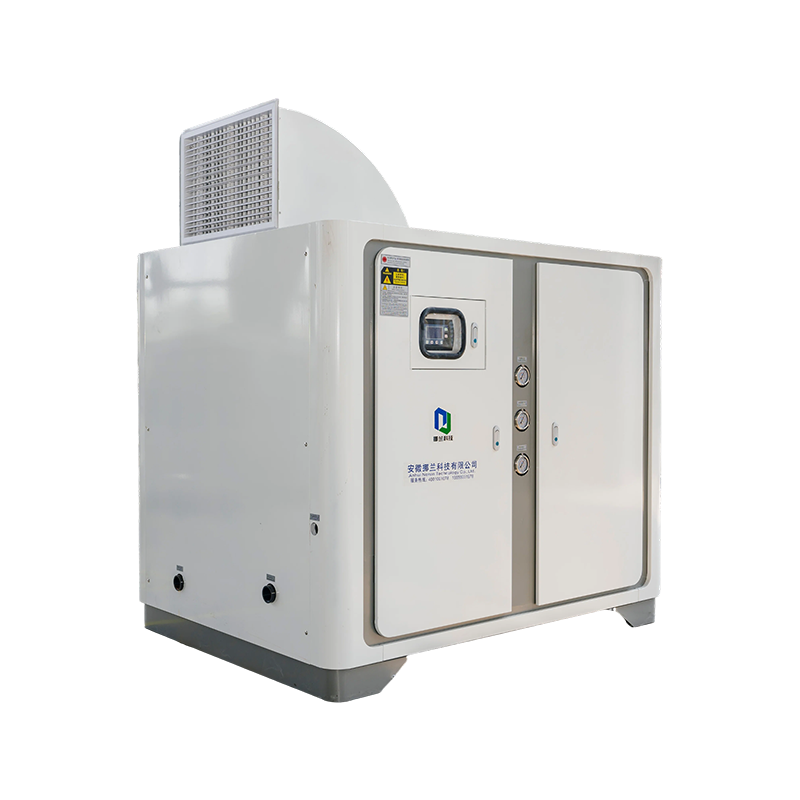
How to Choose the Right Water Cooled Industrial Air Cooling Unit
Selecting the right industrial air cooling unit requires a clear understanding of the working environment, heat load, air circulation requirements, and temperature control objectives. In factories and industrial facilities, cooling equipment must provide stable performance while accommodating continuous operation, production processes, and site-specific installation conditions. A water cooled industrial air cooler uses chilled water circulation for heat exchange to provide controlled, low-temperature air for industrial spaces and suitable cold storage applications. Compared with systems that rely directly on outdoor air for heat rejection, water-based cooling can offer greater flexibility in facilities where a chilled water source is available. Choosing the right equipment begins with identifying the application, evaluating operating conditions, and matching the cooling configuration to the actual requirements.
1. Understand How Water-Cooled Industrial Air Cooling Works
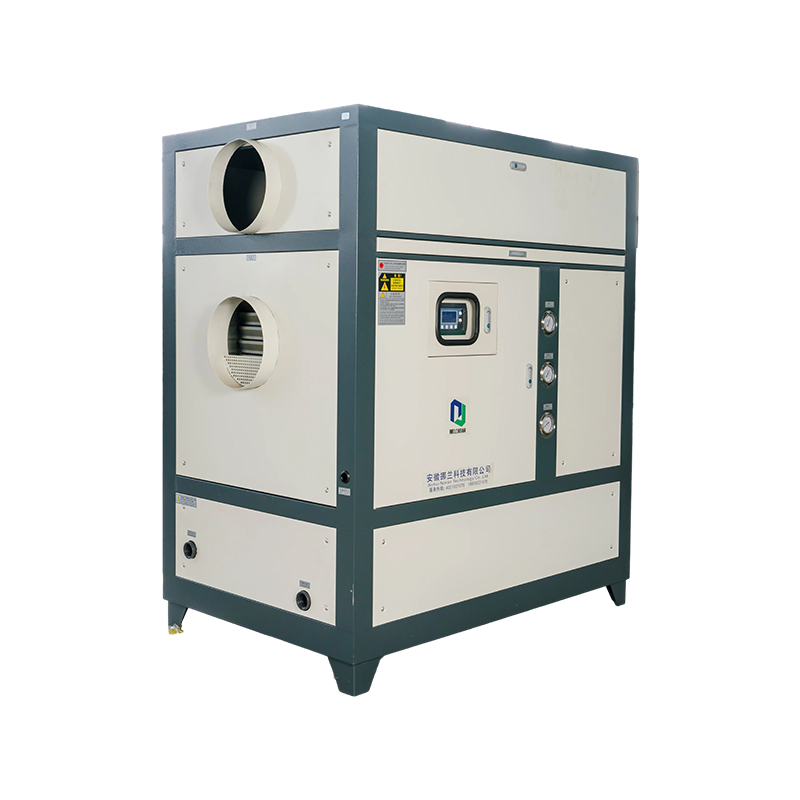
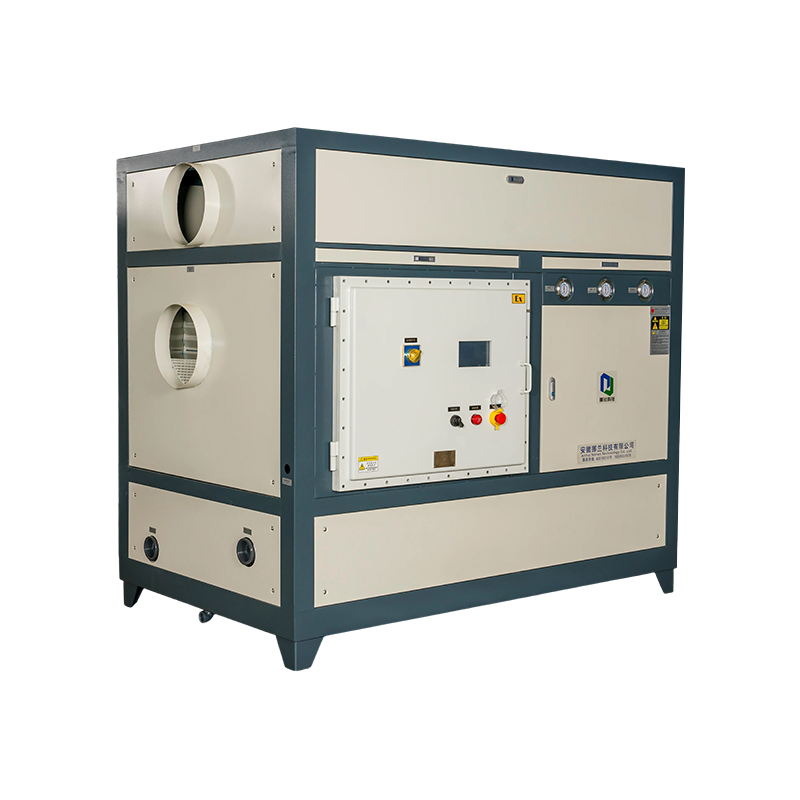
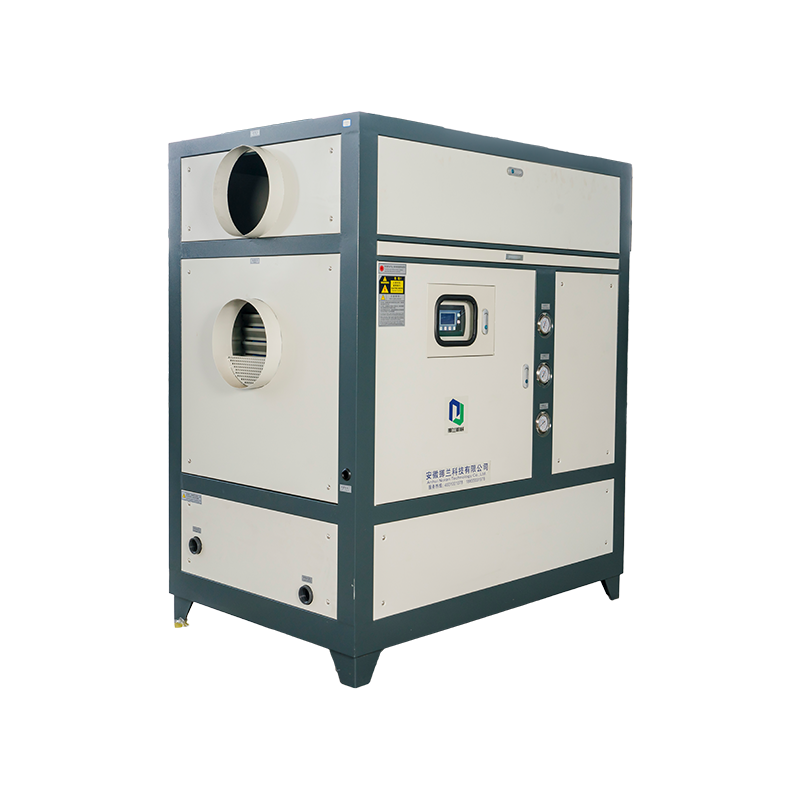
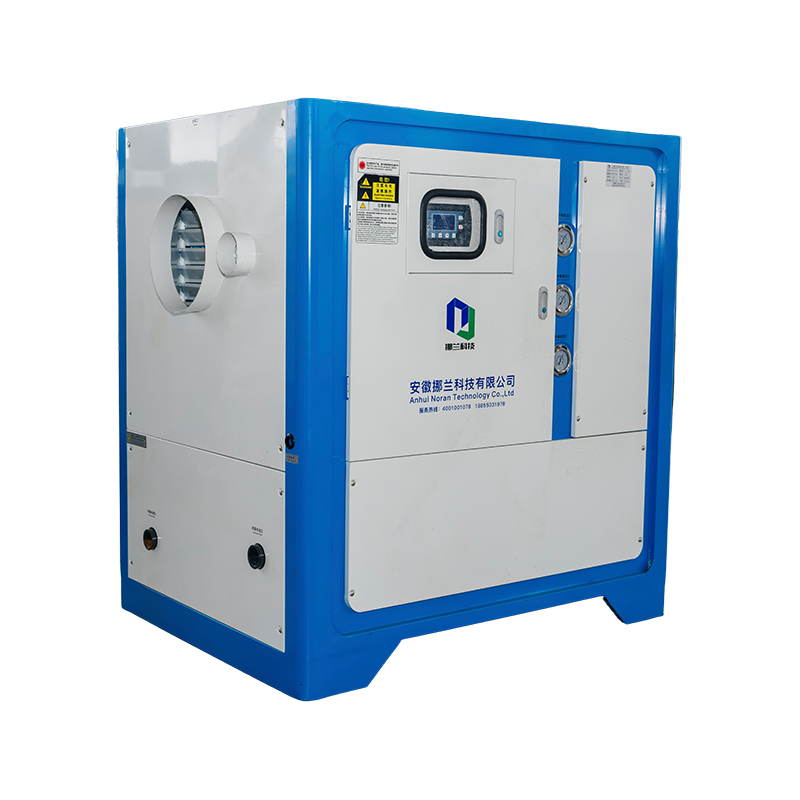
A water-cooled air cooling unit transfers heat from the surrounding air to circulating chilled water through a heat exchange coil. As air passes across the coil, its temperature decreases before it is returned to the designated space or process area. The chilled water then carries the absorbed heat away through the connected circulation system. The unit's performance depends on factors such as water supply conditions, airflow, coil design, heat load, and the arrangement of the overall cooling system.
A water cooled industrial air cooler is particularly relevant when a facility already operates a central chiller or another suitable chilled water source. Rather than selecting equipment by name alone, buyers should determine whether the unit is intended for general space cooling, localized process cooling, or temperature-sensitive production. An industrial water cooled air cooler designed for one application may not be appropriate for another if their airflow distribution, temperature requirements, and operating schedules differ.
Before comparing models, establish the basic operating requirements. These include the size and layout of the space, the heat generated by machinery, the number of operating hours, the required air temperature, the available water circulation infrastructure, and the installation environment. These details help determine the appropriate equipment configuration and reduce the risk of selecting a unit that cannot deliver the required cooling performance.
2. General Industrial Air Cooling Units for Factory Spaces
General industrial air cooling units are intended to help manage heat in production facilities, equipment areas, and other industrial spaces. Their primary function is to circulate cooled air and support a more stable working environment. In a facility with an existing chilled water network, a water cooled industrial air cooler can provide localized heat exchange without requiring every cooling point to operate as a separate refrigeration system. The actual benefits depend on the building layout, the distribution of heat sources, and the capacity of the connected water system.
This category is suitable for factories where machinery, lighting, and production activities contribute to indoor heat accumulation. Equipment selection should account for the distance between the cooling unit and the target area, the presence of obstacles, air return paths, and the need to avoid uneven temperature distribution. A unit with an unsuitable airflow pattern may cool one area effectively while leaving other parts of the workspace warmer than intended.
A water cooled factory air cooler is therefore best selected according to the actual factory environment rather than floor area alone. Facilities with concentrated machinery heat may require a different arrangement from open production halls with relatively distributed heat loads. Buyers should also review maintenance access, condensate management where applicable, and the compatibility of the proposed unit with the existing water circulation system.
The key distinction of this category is its focus on general industrial environmental cooling. It can serve as part of a broader water cooled industrial cooling system, while specialized production applications may require additional attention to process temperatures, material characteristics, or equipment-specific cooling demands. Choosing a configuration based on the real operating conditions supports more consistent performance and practical long-term maintenance.
3. Cooling Solutions for Powder Processing and Grinding Areas
Powder processing and grinding operations can generate heat through mechanical friction, material handling, and continuous equipment operation. Depending on the material and production process, excessive temperatures may affect product consistency, downstream handling, or the stability of the working environment. Cooling requirements should therefore be assessed according to the process itself, including material properties, heat generation, dust levels, and the intended temperature range.
A water cooled industrial air cooler may be incorporated into a process cooling arrangement when the objective is to reduce ambient heat around powder-processing equipment. Buyers searching for a water cooler industrial air cooler for powder processing should clarify whether they need to cool the room, a machine enclosure, or the powder material directly. These are different duties and may require different heat exchange arrangements, airflow paths, and process interfaces.
For applications involving ground powder, a water cooled air cooler for grinded powder cooling should not be selected solely on the assumption that cooling the surrounding air will directly control the material temperature. Direct product cooling and general environmental cooling are not interchangeable. The material's physical characteristics, conveying method, dust-control arrangements, and process contact requirements must be evaluated before the cooling method is finalized.
The principal advantage of a water-based air cooling arrangement is that it can be integrated with a suitable chilled water source and positioned to address specific heat zones. However, powder-processing environments may present special challenges, including airborne particles, restricted airflow, and difficult maintenance conditions. Protective measures and equipment placement should be determined from the actual site assessment. Where direct powder cooling is required, the complete process design should be reviewed instead of treating an air cooler as a universal solution.
4. Cooling for Blow Molding and Other Plastic Processing
Blow molding and related plastic processing operations can generate considerable heat from machinery, production cycles, and surrounding equipment. Maintaining an appropriate operating environment can help support production stability and improve working conditions. However, cooling the production area is different from cooling molds, process water, or the plastic material itself. Buyers should define which source of heat needs to be controlled before deciding on an air cooling unit.
An industrial air cooler for blow molding cooling may be suitable when the primary requirement is to reduce ambient heat around production machinery. The selection process should consider machine layout, heat concentration, ventilation, production schedules, and the location of operators and control equipment. In a facility with a compatible chilled water supply, a water-cooled unit can provide localized air cooling as part of the site's wider temperature management strategy.
The main difference between general factory cooling and blow molding support is the relationship between cooling equipment and the production cycle. A general-purpose unit is often selected to manage the overall environment, while a process-oriented solution must be coordinated with specific equipment requirements. If the application requires precise mold temperature control or direct process cooling, a dedicated industrial chiller or another suitable process cooling configuration may be necessary in addition to an air cooling unit.
For this reason, the water cooled industrial air cooler selected for a plastics facility should be evaluated as one part of the cooling arrangement rather than as a replacement for every type of process refrigeration. Coordinating ambient cooling with the facility's other cooling equipment helps avoid mismatched duties and supports a more practical system design.
5. Compare Product Categories Before Making a Decision
Although these applications may use similar heat exchange principles, their operating priorities are different. General factory cooling emphasizes air distribution and indoor heat management. Powder-processing applications require careful assessment of dust, material temperature, and process interfaces. Blow molding facilities must distinguish between ambient heat control and direct process cooling. The following table provides a practical starting point for comparing these categories. Final equipment specifications should be confirmed against the actual project requirements.
| Application category |
Primary objective |
Key selection factors |
Main consideration |
| General factory cooling |
Manage heat in industrial spaces |
Room layout, airflow, heat distribution, water supply |
Consistent air distribution |
| Powder processing areas |
Control ambient heat around processing equipment |
Dust conditions, material properties, process interfaces |
Distinguish ambient cooling from direct material cooling |
| Blow molding facilities |
Reduce heat around production machinery |
Production cycles, machine layout, process cooling needs |
Separate room cooling from mold or process cooling |
| Specialized industrial installations |
Meet defined site or process requirements |
Installation restrictions, operating conditions, control needs |
Confirm compatibility with the full cooling system |
When reviewing factory air cooling equipment, buyers should also confirm whether the product is intended for a general workspace, a specific production zone, or a controlled process environment. A workshop air cooler may help manage local heat, but the required performance depends on the installation and the connected cooling infrastructure. Product names alone do not establish cooling capacity or suitability.
6. How to Select the Right Configuration
A structured selection process helps purchasing and engineering teams compare equipment on a consistent basis. Before requesting a quotation, prepare the essential application information and identify any constraints that could affect installation, operation, or maintenance.
- Define the cooling objective. Determine whether the equipment will cool a general workspace, a powder-processing area, a blow molding facility, or a specific production process.
- Assess the heat load and operating conditions. Provide information about heat-producing machinery, operating schedules, desired temperature conditions, and the surrounding environment.
- Confirm the chilled water supply. Check the availability and operating conditions of the water circulation system and verify compatibility with the proposed unit.
- Review airflow and installation layout. Consider air circulation paths, mounting position, access for maintenance, and possible obstructions around the unit.
- Discuss customization and after-sales requirements. Confirm the proposed configuration, service access, documentation, and maintenance expectations before finalizing the purchase.
This process is especially important when working with a water cooled industrial air cooler manufacturer or a water cooled air cooler supplier. Providing accurate application details enables the technical team to assess whether a standard unit is suitable or whether a custom water cooled air cooler should be considered. Cooling performance, airflow, installation conditions, and system compatibility should be confirmed through technical review rather than assumed from a product description.
7. Noran's Industrial Refrigeration and Customization Capabilities
Founded in 2014 in Hangzhou, Noran specializes in industrial refrigeration equipment and customized temperature control solutions. In 2021, the company expanded its operations to Anhui, where Anhui Noran Technology Co., Ltd. was established with an approximately 33,000-square-meter production base in Mingguang City, Anhui Province. Together, Hangzhou Noran and Anhui Noran support industrial customers with refrigeration equipment and integrated cooling solutions.
Noran's product portfolio includes industrial chillers, air cooling systems, screw chillers, low-temperature refrigeration units, heat recovery systems, explosion-proof refrigeration equipment, and customized cooling solutions. This range is relevant because industrial air cooling is often one element of a larger temperature control arrangement. Depending on the application, a project may require an air cooling unit connected to a chilled water source, a dedicated chiller for process equipment, or a combination of cooling technologies selected for different operating duties.
The company serves sectors including plastics, powder coating, electronics and photovoltaics, pharmaceuticals, chemicals, industrial painting, and large-scale industrial projects. Each sector can present different requirements for temperature accuracy, operating environment, installation space, and production continuity. Noran develops solutions around these application factors, with an emphasis on energy efficiency, low-temperature cooling, intelligent temperature control, and customized system integration.
For customers evaluating a water cooled industrial air cooler, the practical next step is to provide the intended application, heat sources, water supply details, installation layout, and required operating conditions. These inputs help determine whether a standard configuration is appropriate and what technical information must be confirmed before ordering. Through manufacturing, engineering, and project coordination capabilities, Noran aims to provide cooling solutions aligned with the needs of each industrial installation.
8. Installation, Operation, and Maintenance Considerations
Correct equipment selection should be followed by proper installation and routine inspection. The unit must be compatible with the site's water circulation arrangement and installed with adequate space for airflow and servicing. Water connections, electrical requirements, drainage provisions where applicable, and control interfaces should be reviewed against the manufacturer's documentation. Any site-specific operating or safety requirements should be identified before commissioning.
- Inspect the heat exchange coil and airflow path according to the maintenance schedule.
- Check water circulation conditions and investigate any unexpected change in cooling performance.
- Keep service access clear so that inspections and maintenance can be performed safely.
- Monitor operating conditions and investigate unusual noise, leakage, or airflow changes.
- Review the cooling arrangement when production equipment, operating schedules, or heat loads change.
A well-matched water cooled industrial air cooler should be evaluated not only by its initial purchase cost but also by its compatibility with the existing infrastructure, maintenance needs, and expected operating pattern. Energy performance depends on the entire cooling arrangement, including the chilled water source and circulation equipment, so efficiency claims should be assessed using project-specific information rather than product labels alone.
Application Review: Powder Processing, Grinding, and Blow Molding
Industrial cooling requirements differ by process, so application labels should be treated as a starting point rather than proof that one unit fits every duty. For powder processing and grinding, document the source and location of heat, the amount and type of airborne material, cleaning procedures, and whether the cooling unit sits inside the process area or in a cleaner adjacent zone. A water cooled air cooler can manage heat in a suitable air-side application, but it should not be treated as a substitute for process extraction or dust collection.
Where airborne particles can reach the coil, the design review should consider fin spacing, access for cleaning, filter pressure drop if filtration is fitted, and how reduced airflow will be detected. A loaded filter can increase resistance and lower delivered airflow; that change can affect room temperature and the performance of the cooling system. If the powder is combustible, dust handling and ignition-source control require a separate hazard assessment and suitable site-specific safeguards.
Blow molding often has a distinct process-cooling requirement for molds, hydraulic or auxiliary equipment, and the surrounding production area. Room air cooling and a process chiller do different jobs. Before specifying an industrial air cooler for blow molding cooling, clarify whether the objective is to remove heat from the workshop air, cool a process fluid, or do both through separate systems. Record required fluid temperatures, flow, duty cycle, and allowable temperature variation for each load rather than combining them into one vague cooling target.
- Describe the exact process and identify whether the target is air temperature or process-fluid temperature.
- Provide the expected heat load, operating cycle, and required temperature stability.
- Disclose dust, moisture, oil mist, corrosive exposure, and any cleaning constraints.
- Confirm how airflow, fluid flow, and temperature will be checked during commissioning.
This application-first approach helps determine whether a standard unit cooler, a customized water cooled industrial air cooler, or a separate process-cooling arrangement is appropriate. The final selection should be based on verified operating data and the documented capabilities of the proposed equipment.
Frequently Asked Questions
Q1: What is a water-cooled industrial air cooling unit?
It is a unit that uses circulating chilled water and a heat exchange coil to reduce the temperature of air. It can support industrial space cooling where a suitable chilled water source and compatible installation conditions are available.
Q2: Can the same unit be used for factory cooling and powder processing?
Potentially, but suitability depends on the application. General factory cooling focuses on ambient temperature and air distribution, while powder-processing projects may involve dust, material temperature, and specific process requirements. Direct material cooling should not be assumed to be achievable through ambient air cooling alone.
Q3: Is an air cooler a replacement for a process chiller in blow molding?
Not necessarily. An air cooler may help reduce ambient heat around machinery, while mold or process temperature control may require a dedicated chiller or another purpose-designed cooling arrangement. The required duty should be identified before equipment is selected.
Q4: What information should I provide when requesting a customized unit?
Provide the application, heat sources, desired operating conditions, available chilled water supply details, installation layout, operating schedule, and any relevant site restrictions. A technical review can then determine the appropriate configuration and identify any missing information.
Q5: How can Noran help with industrial cooling projects?
Noran provides industrial refrigeration equipment and customized temperature control solutions across several industrial sectors. Its product range includes chillers, air cooling systems, low-temperature refrigeration units, and other specialized cooling equipment. The appropriate solution depends on the customer's application and verified project requirements.

 English
  Français
  Español
  Português
  عربى
عربى  Türk
Türk  हिंदी
हिंदी