
 English
  Français
  Español
  Português
  عربى
عربى  Türk
Türk  हिंदी
हिंदी 

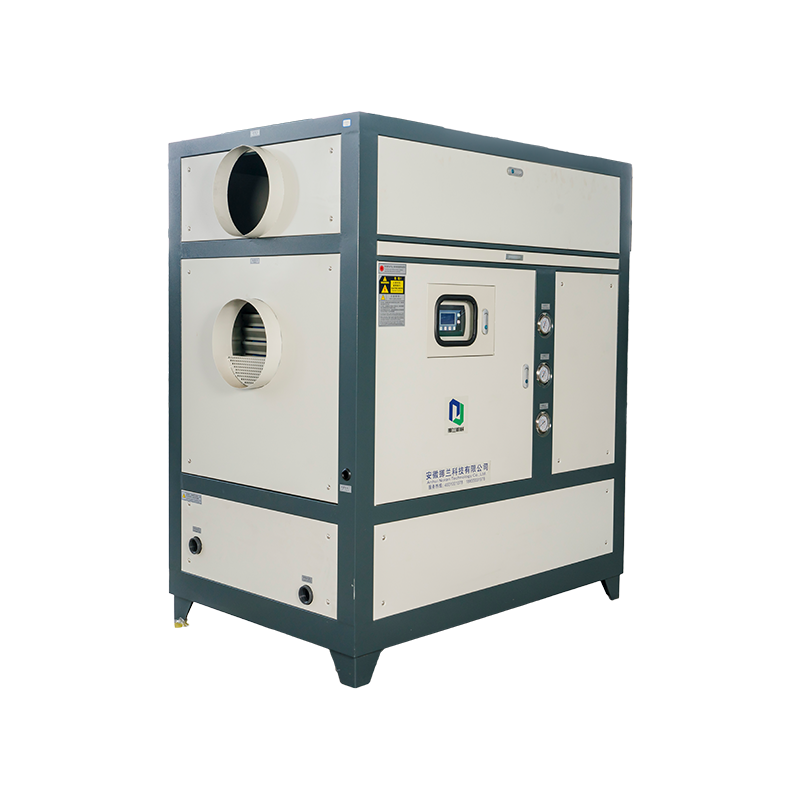
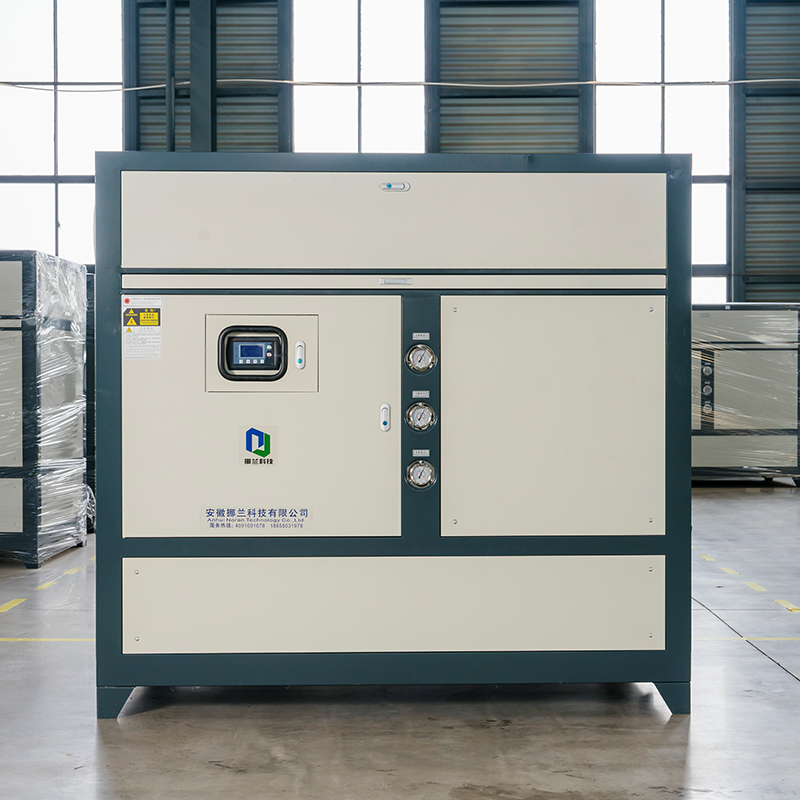
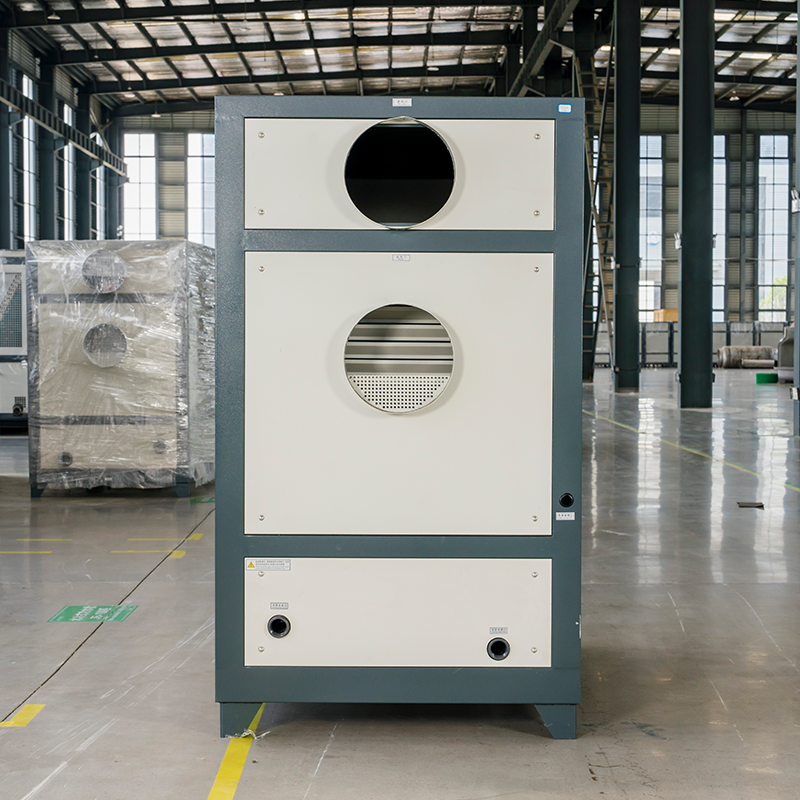
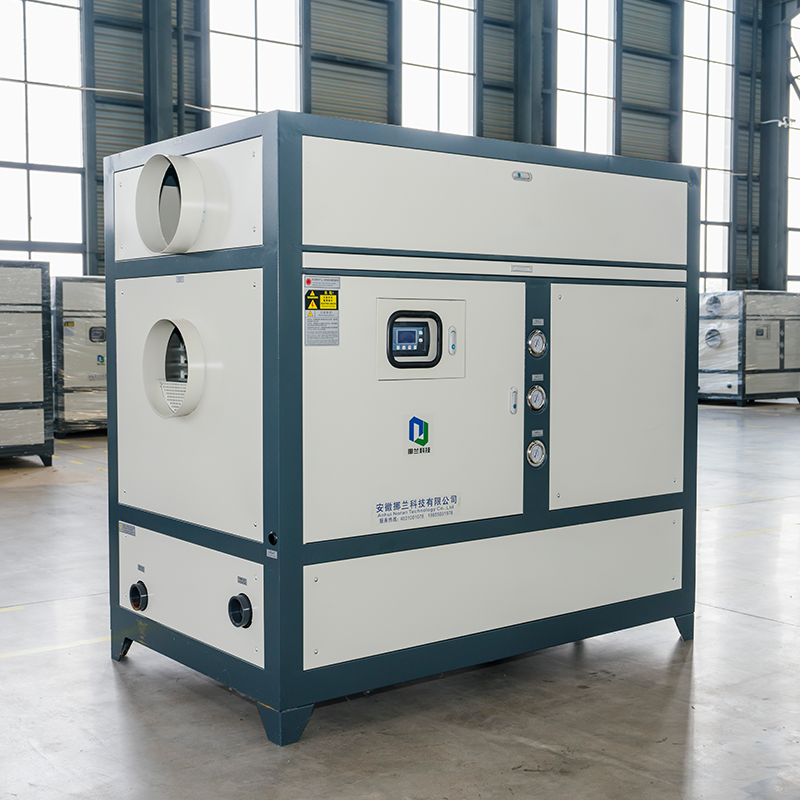
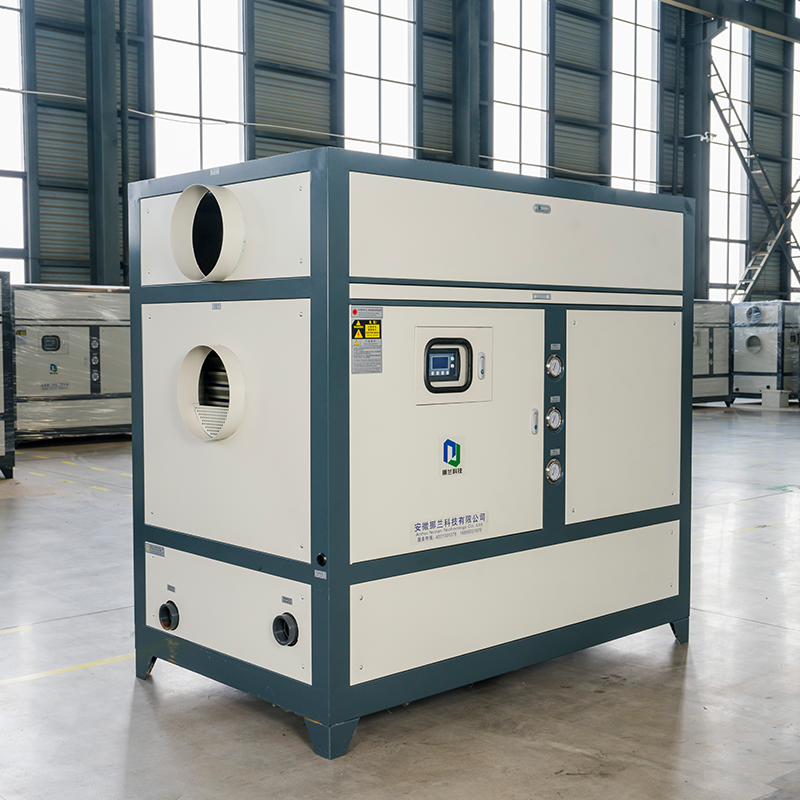
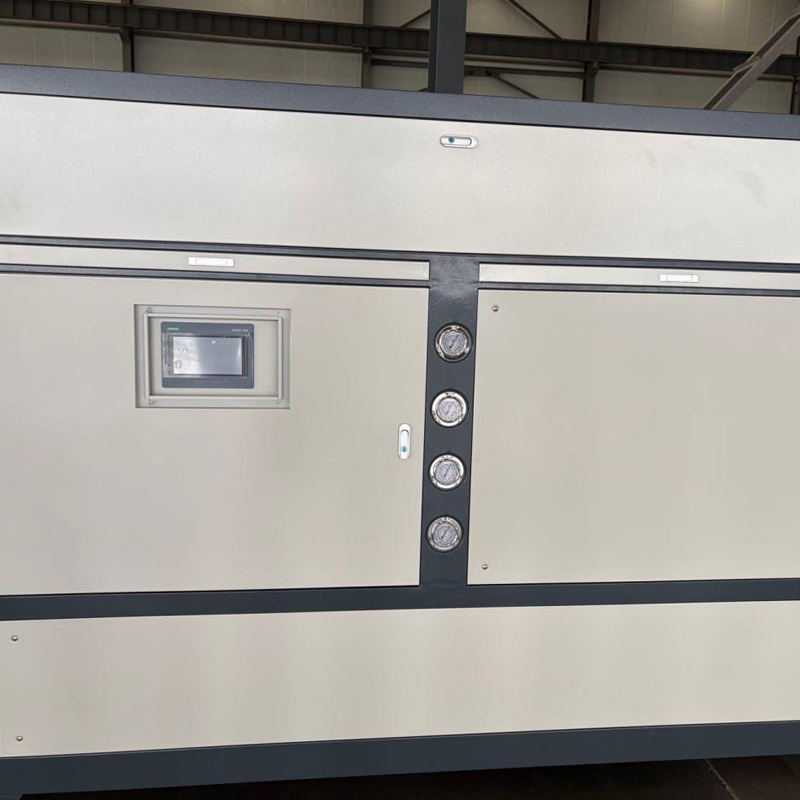
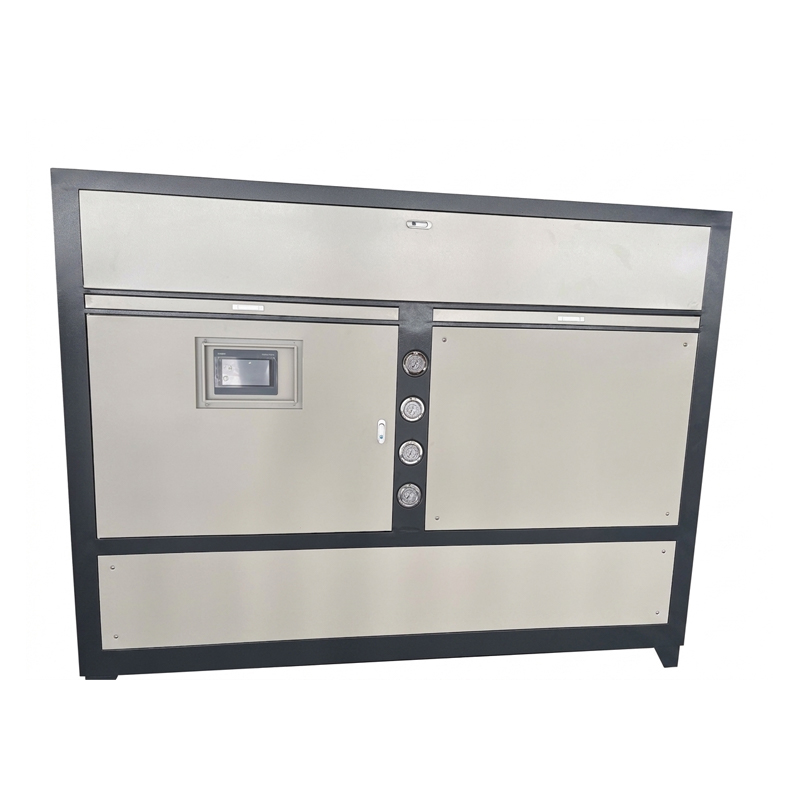


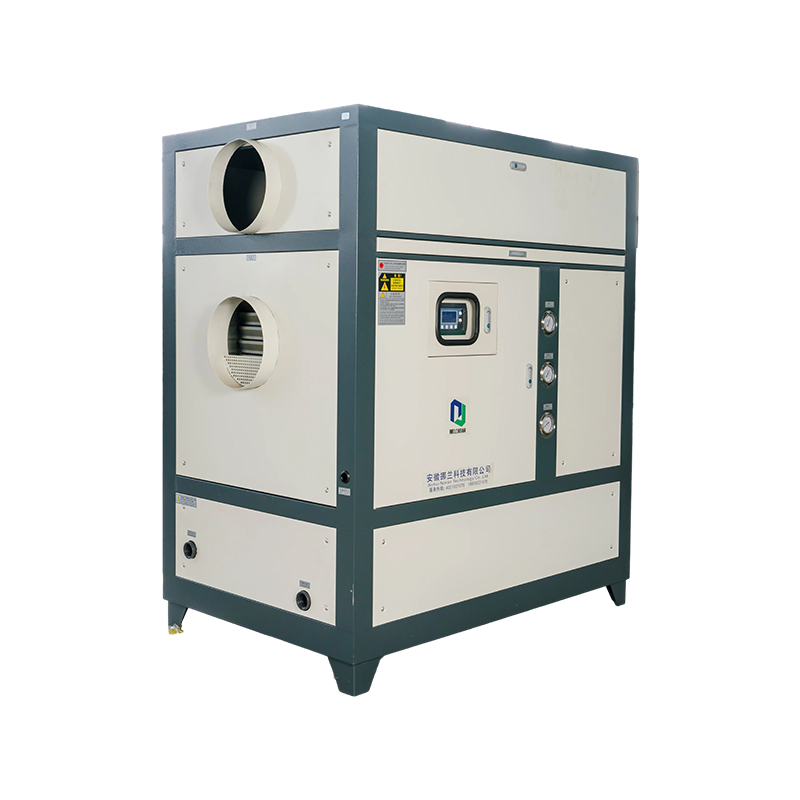
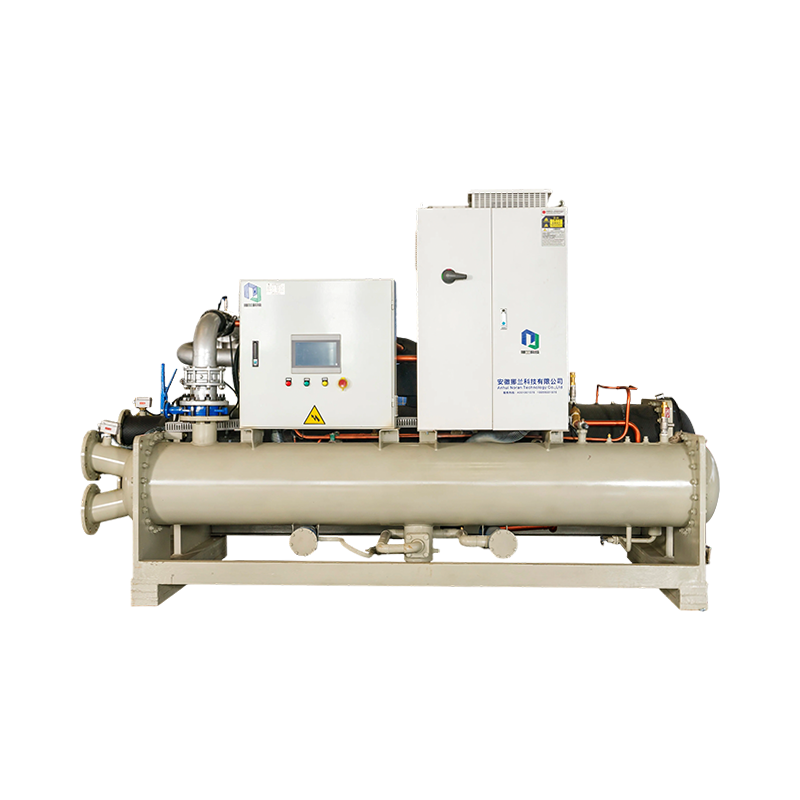
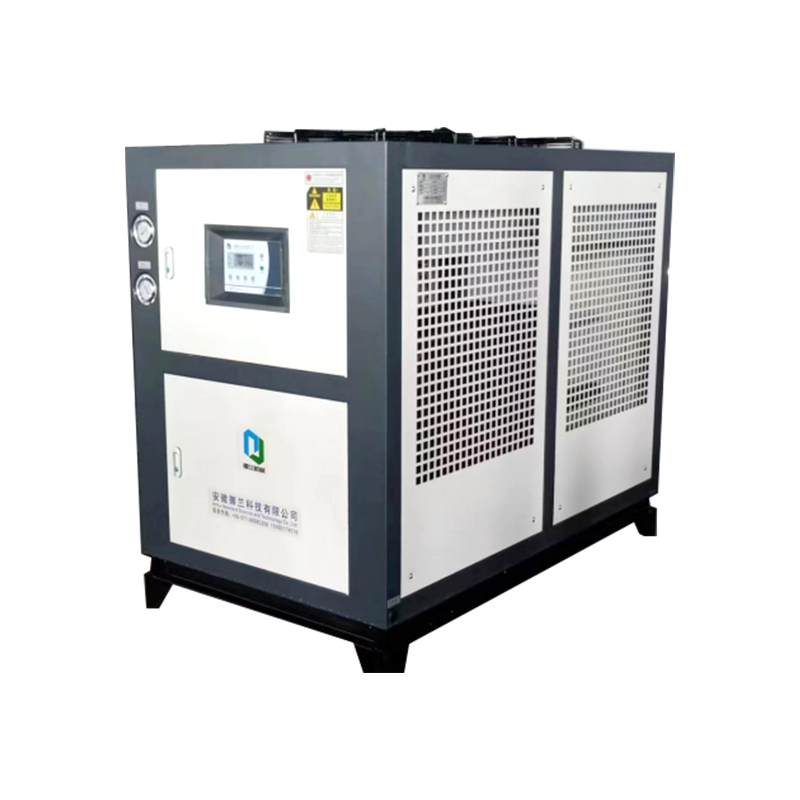
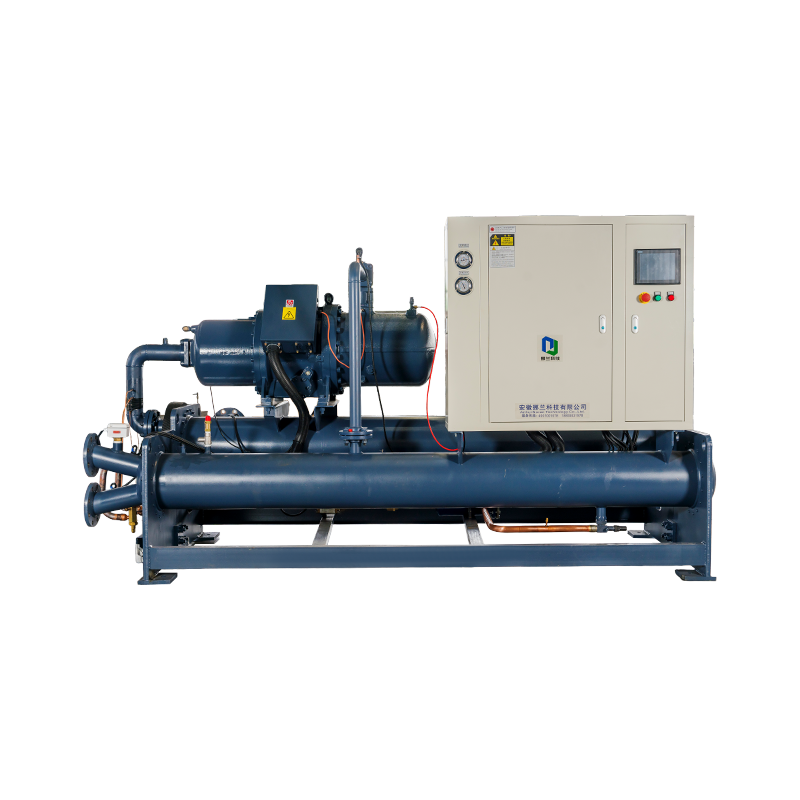
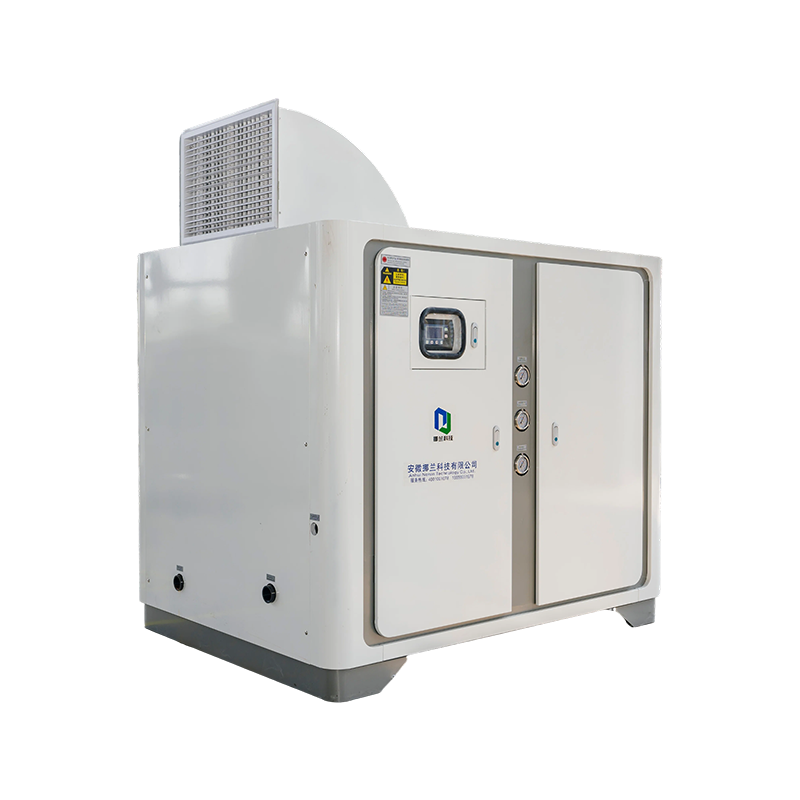















How to Choose a High Efficiency Smart Variable Frequency Water-Cooled Air Cooler
Industrial cooling systems must respond to changing heat loads, production schedules, and operating conditions while maintaining reliable temperature control. Conventional cooling equipment may operate less efficiently when cooling demand fluctuates throughout the day. A high-efficiency water-cooled air cooler with variable frequency control can adjust fan operation according to actual requirements, while intelligent monitoring helps operators understand equipment status and make informed maintenance decisions.
A VFD smart air cooler combines variable frequency control, real-time operating data, and remote access to support more flexible industrial cooling. When integrated with a suitable water-based cooling arrangement, it can help match cooling output to process demand. Selecting the right model requires evaluating cooling capacity, water conditions, control functions, monitoring requirements, and the characteristics of the installation environment.
1. Understanding Variable Frequency Water-Cooled Air Coolers
A variable frequency water cooled air cooler uses a cooling coil supplied with chilled water or cooling water to transfer heat from the surrounding air. Variable frequency control adjusts the speed of compatible motors according to the control strategy and operating demand. This provides more flexibility than equipment that relies exclusively on fixed-speed operation, particularly when process heat loads vary.
The term high efficiency water cooled air cooler describes a cooling solution intended to deliver effective heat exchange with appropriate energy management. Actual efficiency depends on the coil design, water temperature and flow, airflow requirements, motor characteristics, control settings, and the performance of the wider cooling system. Variable frequency operation may reduce unnecessary fan energy use under partial-load conditions, but the result depends on the complete system design.
A VFD smart air cooler can be considered for industrial facilities where cooling demand changes with production activity. Instead of selecting equipment only for peak conditions, engineers can evaluate how the unit will operate during typical and reduced-load periods. The control system should be configured to maintain the required temperature without compromising airflow, process stability, or equipment operating limits.
Before selecting a unit, confirm whether the project requires chilled-water cooling, what water supply conditions are available, and how the cooler will communicate with existing controls. These details help determine whether a variable frequency model provides a practical advantage over a conventional water-cooled unit.
2. Smart Industrial Cooling with Real-Time Monitoring
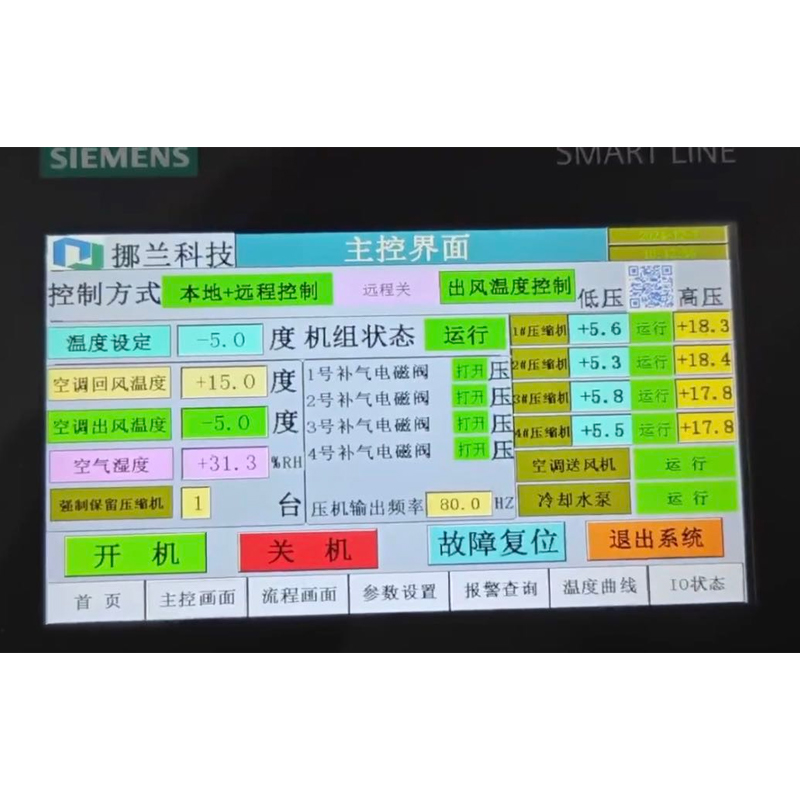
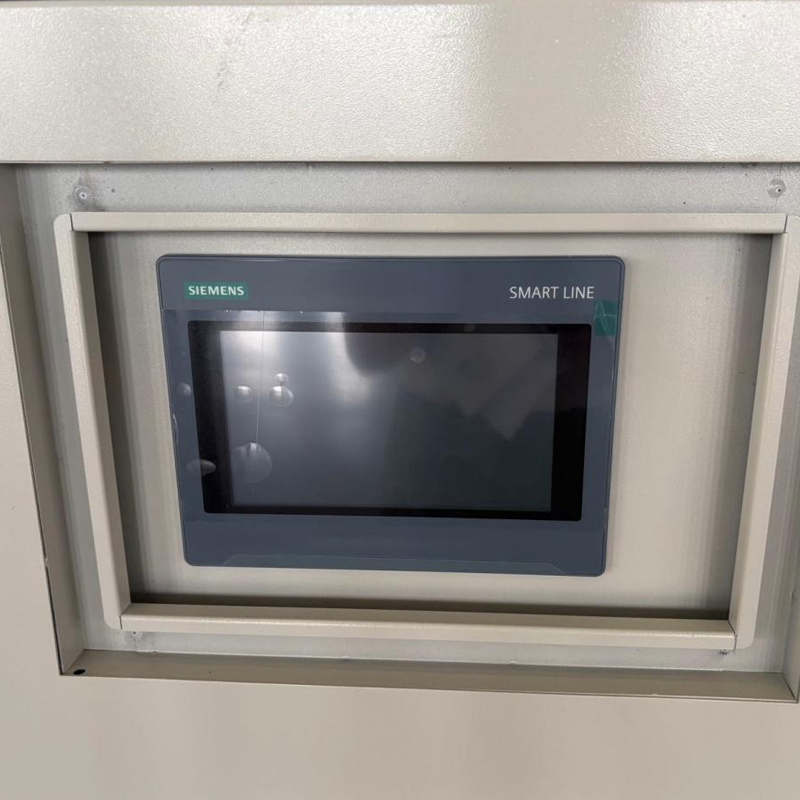
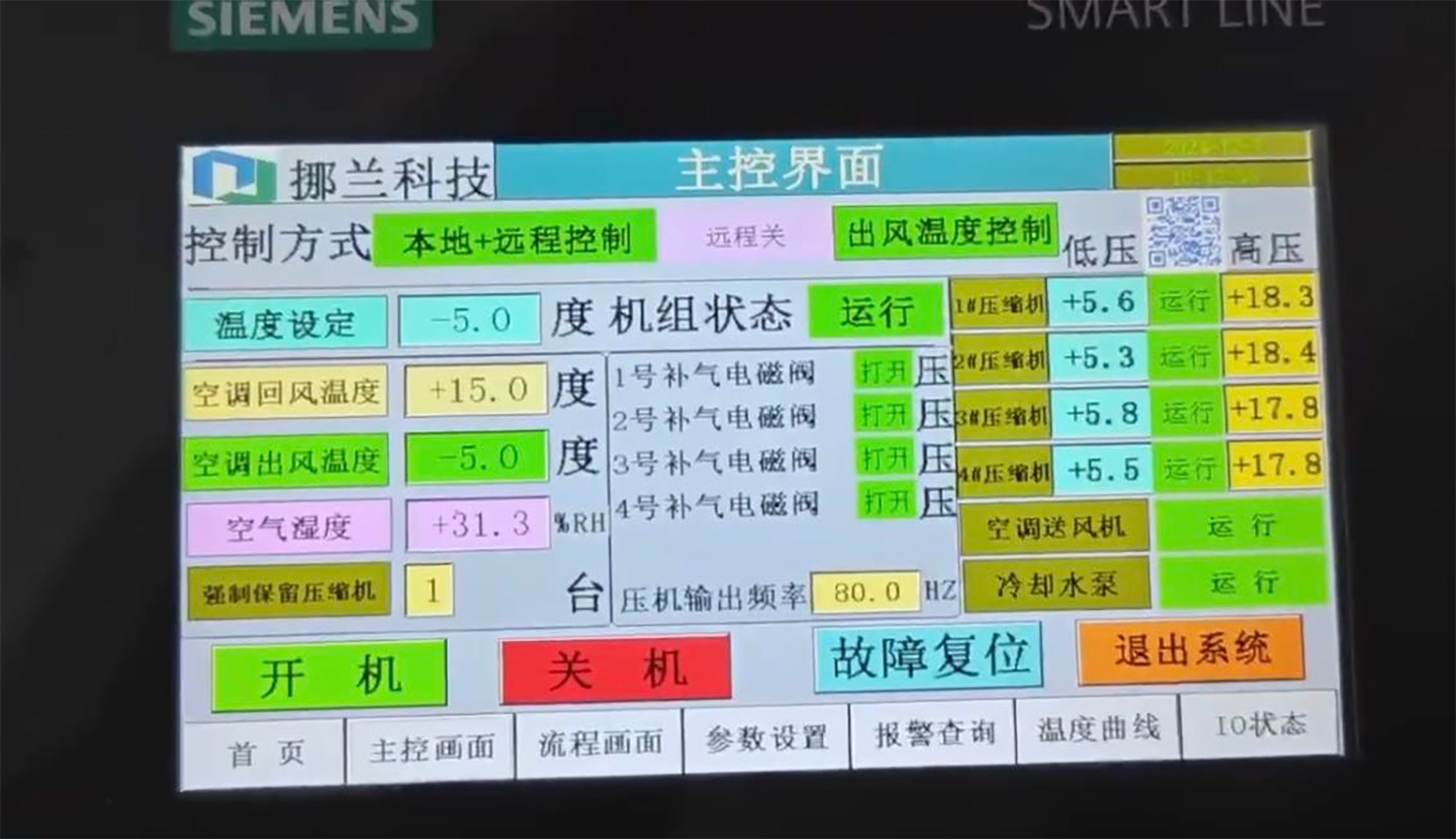
A smart industrial air cooler adds monitoring and control functions to the cooling process. Depending on the actual configuration, operators can review parameters such as voltage, current, power consumption, refrigerant pressure, and air temperature through a smartphone or computer. Access to these readings can make operating conditions easier to review without requiring personnel to remain beside the equipment.
Real-time monitoring can help maintenance teams identify unusual changes in operating data and investigate potential problems earlier. For example, a change in current or air temperature may indicate that the equipment requires inspection. These readings do not automatically identify the cause, so they should be assessed alongside system conditions, alarms, maintenance records, and the manufacturer's troubleshooting guidance.
A VFD smart air cooler can combine monitoring with variable frequency operation, allowing the control strategy to respond to defined operating conditions. Remote access is useful for reviewing equipment status and supporting maintenance planning, especially at facilities with multiple cooling units or distributed production areas. The available monitoring functions, communication interfaces, alarm settings, and remote-control permissions should be confirmed for the selected model.
Intelligent monitoring is not a substitute for proper installation or routine maintenance. Operators still need suitable control limits, clear alarm procedures, and trained personnel who can interpret the data. Remote access should also be configured with appropriate cybersecurity and access controls, particularly when cooling equipment is connected to a wider industrial network.
- Review operating parameters from a supported smartphone or computer interface.
- Track temperature and electrical readings to understand changes in equipment operation.
- Use alarms and operating records to help prioritize maintenance inspections.
- Confirm which parameters are monitored and which can be adjusted remotely.
- Establish access permissions and procedures for responding to abnormal readings.
3. Variable Frequency Cooling for Powder Coating and Powder Processing
Powder coating and powder processing facilities can experience changing heat loads as production equipment starts, stops, or operates at different output levels. Cooling requirements may also vary between production zones. A variable frequency air cooler can help regulate airflow according to the designed control strategy, making it worth evaluating for applications where fixed-speed operation does not closely match the cooling demand.
For a VFD industrial air cooler for powder coating processing cooling, equipment selection should begin with the process temperature requirements and the sources of heat. Engineers should consider the layout of the workshop, the position of heat-generating machinery, water supply conditions, airflow distribution, and the potential presence of airborne powder. Cooling equipment should be coordinated with appropriate dust extraction and process safety systems rather than treated as a replacement for them.
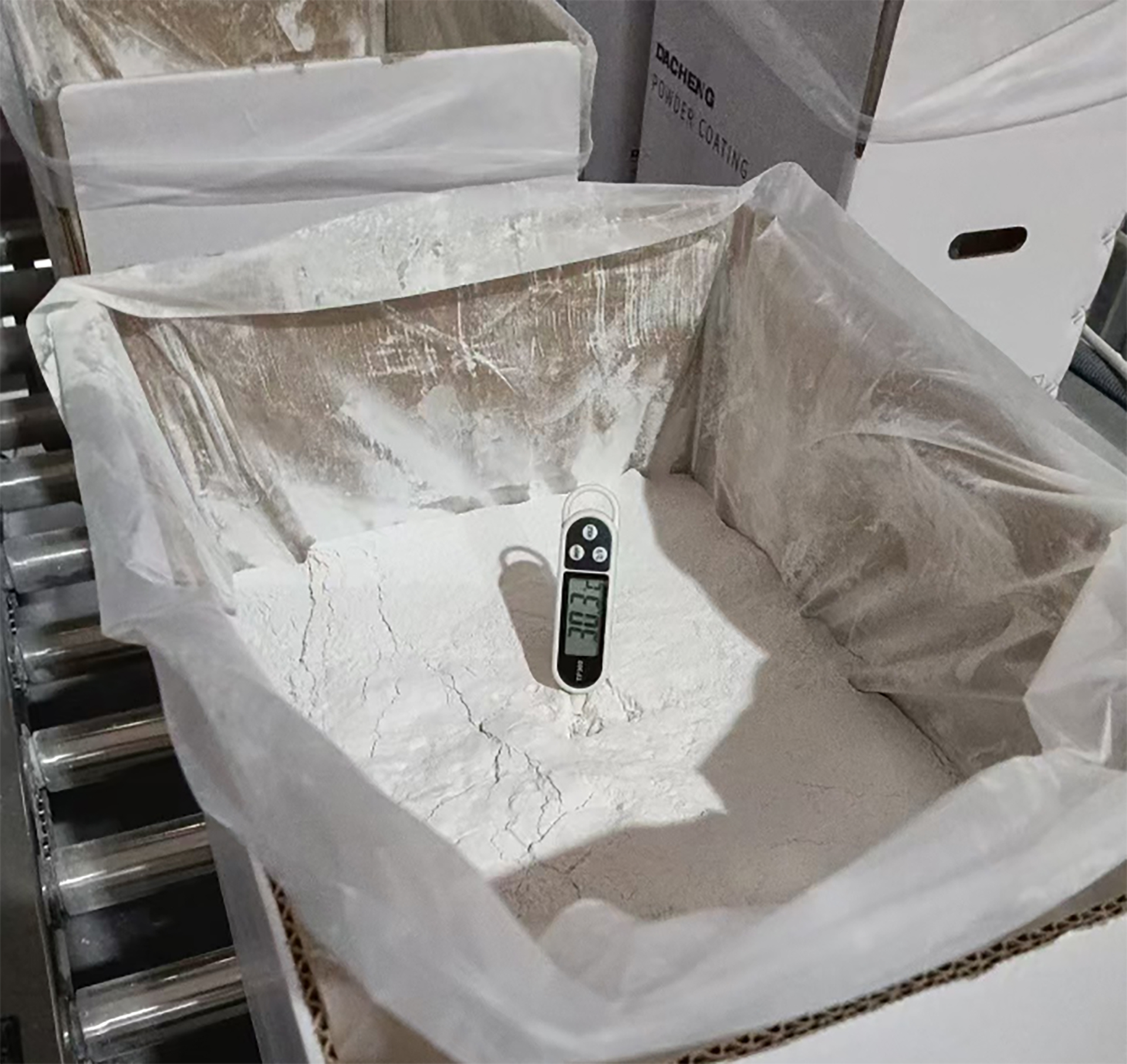
A VFD industrial air cooler for grinded powder cooling may also be considered where grinding or powder-handling operations create changing cooling demands. The design must account for particle characteristics, contamination risks, maintenance access, and the need to keep heat exchange surfaces clean. If combustible dust or another hazardous condition may be present, the equipment and installation must be assessed against the applicable safety requirements.
The advantage of a variable frequency arrangement is its potential to adapt operation to changing demand rather than continuously running at a fixed speed. However, minimum airflow requirements, process constraints, and the manufacturer's permitted operating range must always be respected. The appropriate control strategy should be determined from the process requirements, not simply from the availability of a variable frequency drive.
4. Comparing Cooling Equipment and Control Configurations
Different industrial cooling configurations offer different levels of control and monitoring. The most suitable choice depends on whether the priority is basic heat exchange, variable airflow, or more comprehensive operating visibility. The following table provides a general comparison; specific performance and available functions must be confirmed in the product documentation.
| Configuration | Main Function | Potential Advantage | Selection Consideration |
| Standard water-cooled air cooler | Transfers heat through a water-fed coil | Straightforward cooling arrangement | Cooling capacity, water conditions, and airflow |
| Variable frequency air cooler | Adjusts compatible motor speed to match demand | More flexible operation under changing loads | Control range, motor compatibility, and minimum airflow |
| Smart variable frequency water-cooled air cooler | Combines variable frequency control and operating monitoring | Greater operating visibility and potential remote access | Monitoring functions, communication, alarms, and access controls |
A VFD industrial air cooling system should be evaluated as part of the complete cooling installation. The performance of the air cooler depends not only on its own control functions but also on the chilled-water source, circulation conditions, heat load, and airflow arrangement. A system-level assessment helps avoid selecting advanced controls that cannot deliver meaningful benefits because of limitations elsewhere in the installation.
5. How to Choose the Right Smart VFD Air Cooler
When comparing equipment, buyers should define their operating requirements before choosing a particular model. A unit with extensive monitoring functions may be unnecessary for a stable, simple application, while a facility with changing production loads may benefit from variable frequency control and remote operating data. The decision should be based on measurable needs and confirmed product capabilities.
- Assess the cooling demand. Identify the required temperature, heat load, operating schedule, and airflow distribution.
- Check the water supply. Confirm the available water temperature, flow conditions, connection requirements, and compatibility with the cooling coil.
- Define control requirements. Determine whether variable frequency operation, automatic adjustment, alarms, or remote monitoring are needed.
- Review the installation environment. Consider dust, humidity, corrosion risks, available space, maintenance access, and applicable safety requirements.
- Confirm technical documentation. Request the product specifications, control functions, electrical requirements, maintenance instructions, and any relevant compliance documents.
When evaluating a VFD water cooled air cooler manufacturer, buyers should review the supplier's ability to match equipment to the actual process and explain how the control functions operate. It is important to distinguish between parameters that can be monitored and those that can be adjusted remotely, as these functions are not necessarily identical.
A reliable variable frequency air cooler supplier should also provide clear information about installation requirements, routine maintenance, available technical support, and spare parts. For applications with unusual cooling loads or specific monitoring requirements, a custom smart VFD air cooler may be worth considering. Customization should be based on defined project needs rather than adding functions that provide little practical benefit.
6. Noran's Intelligent Industrial Cooling Solutions
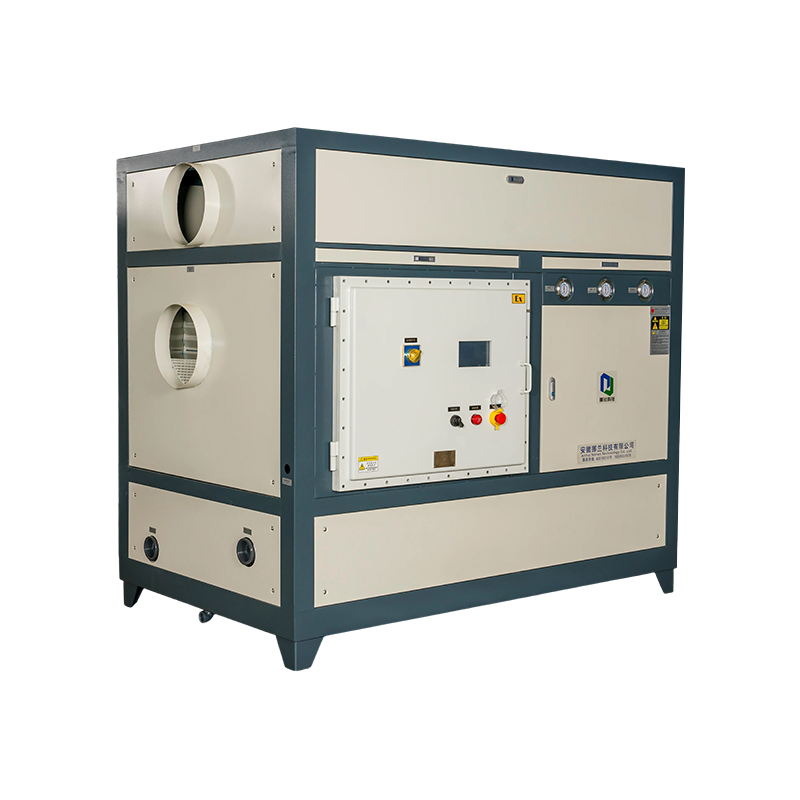
Noran's smart variable frequency water-cooled air cooler combines variable frequency control, real-time data monitoring, and remote operation for industrial cooling applications. Depending on the configured product, operators can monitor key parameters such as voltage, current, power consumption, refrigerant pressure, and air temperature from a supported smartphone or computer. These functions help improve operating visibility and support more informed equipment management.
Founded in Hangzhou in 2014, Noran expanded its manufacturing operations to Anhui in 2021 with the establishment of Anhui Noran Technology Co., Ltd. The company operates an approximately 33,000-square-meter production base in Mingguang City, Anhui Province. Together, Hangzhou Noran and Anhui Noran provide industrial refrigeration equipment and customized temperature-control solutions for global industrial customers.
Noran's product range includes industrial chillers, air cooling systems, screw chillers, low-temperature refrigeration units, heat recovery systems, explosion-proof refrigeration equipment, and customized cooling solutions. Its equipment serves applications across plastics, powder coating, electronics and photovoltaics, pharmaceuticals, chemicals, industrial painting, and large-scale industrial projects. Cooling capacity, temperature accuracy, operating environment, and installation conditions can be considered when developing an appropriate configuration.
For facilities seeking a variable frequency water-cooled solution, review the VFD smart air cooler product page for relevant product information. Confirm the published specifications, available monitoring functions, control options, and water-system requirements before selecting the equipment for a specific application.
7. Maintenance and Long-Term Operating Performance
Routine maintenance helps preserve heat exchange performance and identify potential issues before they affect production. Inspection should follow the manufacturer's instructions and account for the equipment's operating environment. Typical checks include cooling coil condition, water circulation, fan operation, electrical connections, control settings, and the accuracy of monitored readings.
Monitoring records can help maintenance personnel identify changes in temperature, current, or power consumption over time. However, abnormal readings should be investigated rather than treated as definitive proof of a particular fault. Clear alarm thresholds, documented troubleshooting procedures, and trained personnel are important for using smart monitoring effectively.
A VFD smart air cooler should be maintained with attention to both its cooling components and its variable frequency controls. Changes to operating parameters should remain within the manufacturer's recommended limits. Remote access should be restricted to authorized personnel, and any electrical inspection or repair should follow appropriate safety procedures.
A variable frequency industrial air cooler may be considered when the application benefits from adjusting operation to changing cooling demand. Before selection, compare the required temperature range, heat load variation, water conditions, control requirements, and installation environment with the verified specifications of the proposed equipment.
How to Evaluate VFD Performance Without Overpromising Savings
Variable frequency control is most useful when the required airflow changes over time and the fan, motor, drive, and control logic are designed to operate together. Fan affinity relationships indicate that, under comparable conditions, flow changes roughly with speed, pressure with the square of speed, and fan power with the cube of speed. These relationships are useful for understanding why a modest speed reduction can lower fan power, but they are not a guaranteed savings figure for a complete cooling system. Actual results depend on the system resistance, static-pressure requirements, motor and drive efficiency, operating hours, and the minimum airflow needed by the process.
A control sequence should define what the VFD responds to: air temperature, process temperature, pressure, a production signal, or a scheduled setpoint. The sensor location and control deadband matter. A sensor placed in a short-circuit airflow path may not represent the temperature in the working zone, while an overly aggressive control loop can cause frequent speed changes or unstable temperature. Confirm the minimum and maximum permitted speed, motor cooling requirements, vibration limits, and any manufacturer restrictions before setting the operating range.
Smart monitoring adds value when measured data leads to a clear action. Before purchase, list the actual values available for display, whether alarms are local or remote, how historical data is stored, who can access it, and whether the system supports communication with the plant's existing controls. Do not assume that a product offers remote control, cloud logging, or predictive maintenance unless those functions are included in its confirmed specification.
- Compare power and temperature data at similar production loads before and after control changes.
- Set minimum airflow and process-temperature limits before enabling automatic speed control.
- Trend fan speed, temperature, current or power where available, and alarm events.
- Recheck performance after coil cleaning, filter changes, or process modifications.
The U.S. Department of Energy provides general resources on fan-system energy management. Use measured site data and the verified equipment specification to assess the likely benefit of a VFD smart air cooler; avoid publishing a percentage saving unless it is supported by a documented calculation or test.
Frequently Asked Questions
Q1: What is a VFD smart air cooler?
It is an industrial cooling unit that combines variable frequency control with monitoring functions. Depending on the configuration, it can adjust compatible motor speed and provide operating data for local or remote review.
Q2: Can variable frequency control reduce energy consumption?
It may reduce fan energy use when the cooling demand allows the motor to operate at a lower speed. Actual savings depend on the control strategy, operating conditions, system design, and required airflow.
Q3: Is a smart variable frequency cooler suitable for powder coating facilities?
It may be suitable when its cooling capacity, airflow, water conditions, and environmental protection meet the process requirements. Dust extraction and any necessary hazardous-area protections must be assessed separately.
Q4: What information should buyers request from a supplier?
Request cooling specifications, water requirements, motor and control details, monitoring functions, communication options, installation instructions, maintenance guidance, and relevant compliance documentation.
Q5: Can Noran provide customized smart cooling solutions?
Noran provides industrial refrigeration equipment and customized temperature-control solutions. Project requirements such as cooling capacity, temperature accuracy, operating environment, and installation conditions can be reviewed to identify a suitable configuration.
Choosing a high-efficiency smart variable frequency water-cooled air cooler requires more than comparing nominal capacity. Cooling performance, water conditions, control flexibility, monitoring capabilities, and maintenance requirements should be assessed together. By matching these factors to actual operating needs, industrial facilities can select a cooling solution designed to support reliable temperature control and more informed equipment management.


