 English
 Français
 Español
 Português
 عربى
 Türk
 हिंदी
Industrial Heat Exchanger Suppliers
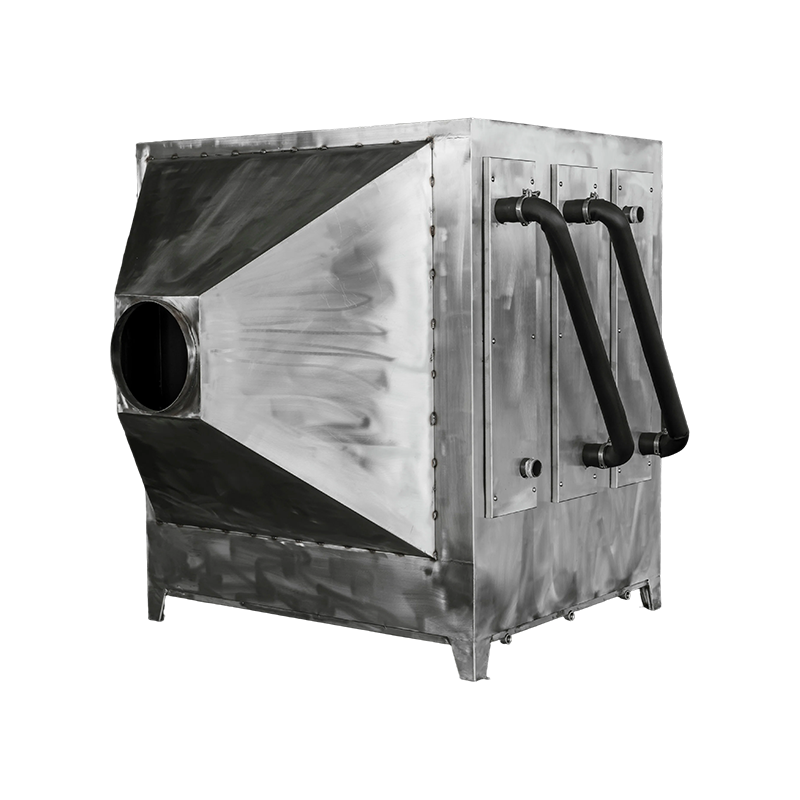
Industrial heat exchangers and surface coolers transfer heat between different media to improve system efficiency. They are widely used in chemical, energy, and refrigeration industries.
Industrial heat exchangers and surface coolers transfer heat between different media to improve system efficiency. They are widely used in chemical, energy, and refrigeration industries.
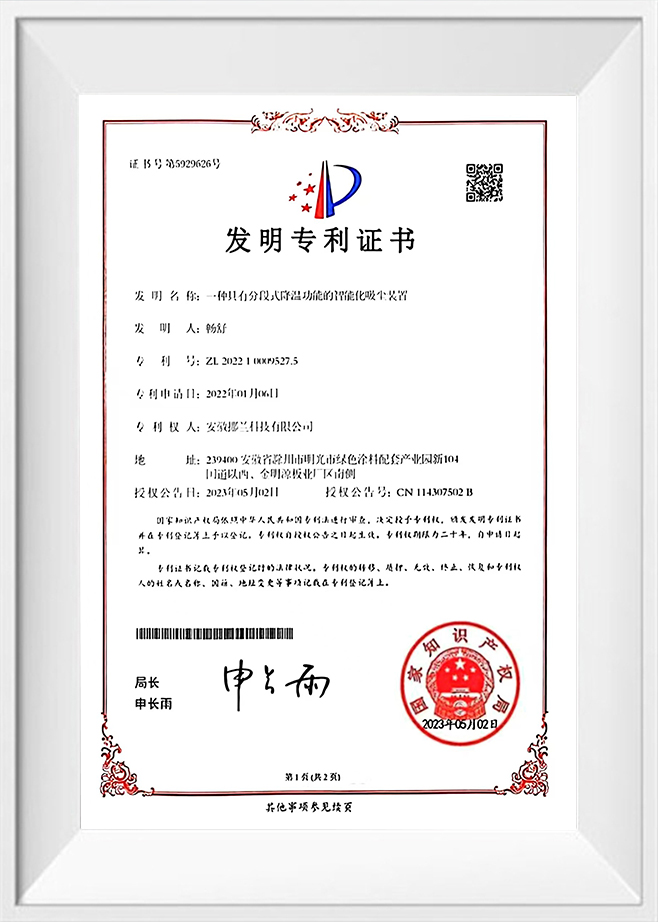
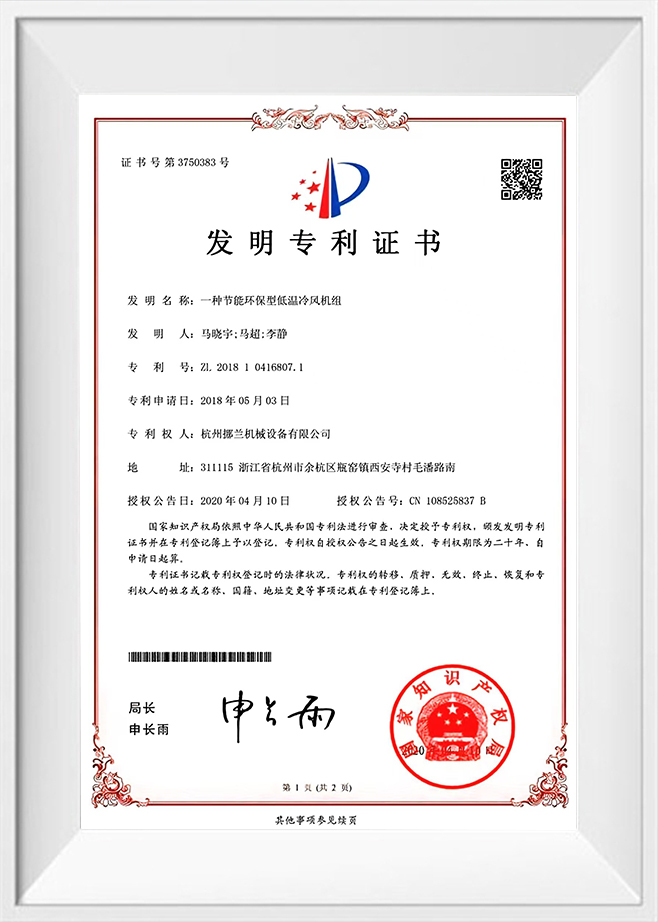
Hangzhou Noran Machinery Equipment Co., Ltd. is China Industrial Heat Exchanger Suppliers and industrial heat transfer equipment manufacturers, founded in 2014, focusing on the R&D and manufacturing of high-end refrigeration equipment. In 2021, Anhui Noran Technology Co., Ltd. was established, with a 50-mu production base built in Mingguang, Anhui Province, continuously upgrading capabilities in R&D, manufacturing and project delivery.
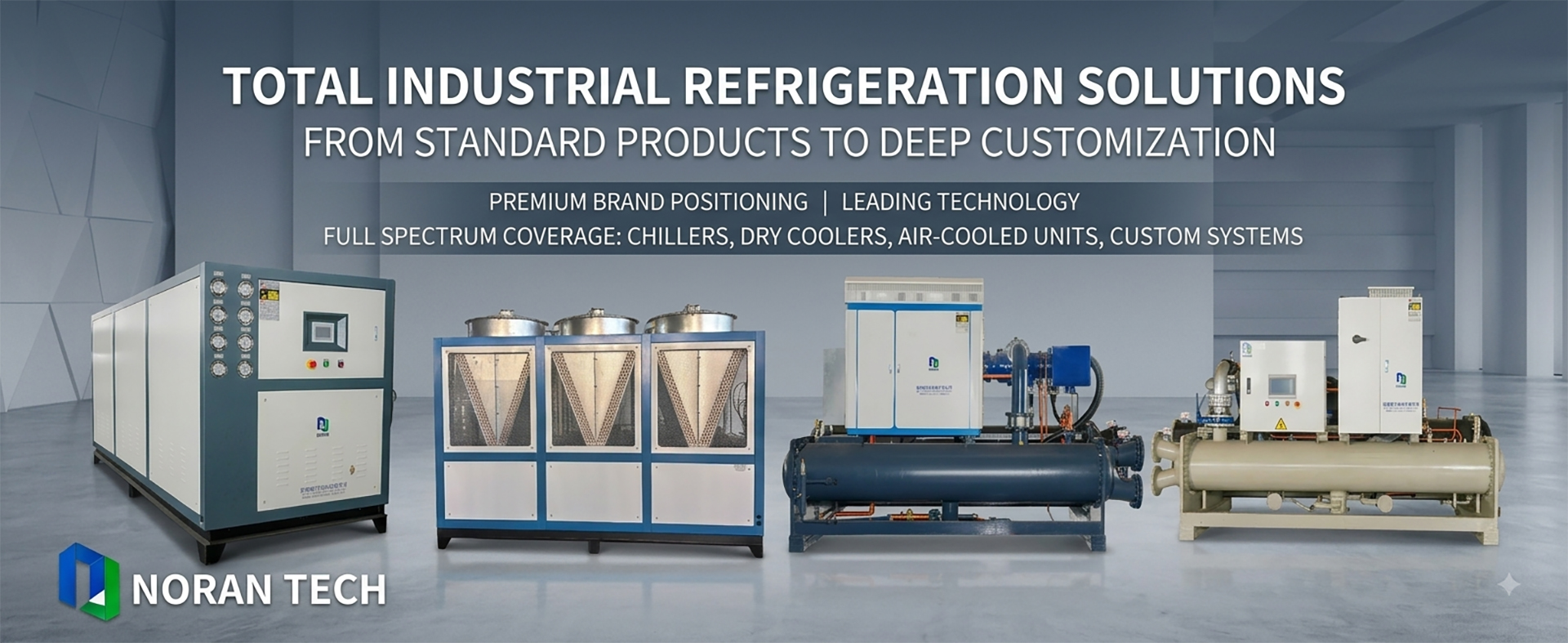
Noran mainly supplies industrial water chillers, air coolers, mold temperature control systems, explosion-proof refrigeration units and magnetic levitation centrifugal units. Its products are widely used in powder coating, plastic mould, electronic photovoltaic, pharmaceutical chemical and other industries. Supported by technological innovation, university cooperation and patent reserves, we are committed to providing customers with stable, energy-saving and customizable industrial temperature control solutions.
 More About Us
NORAN

0+
years
Industry Experience

0+
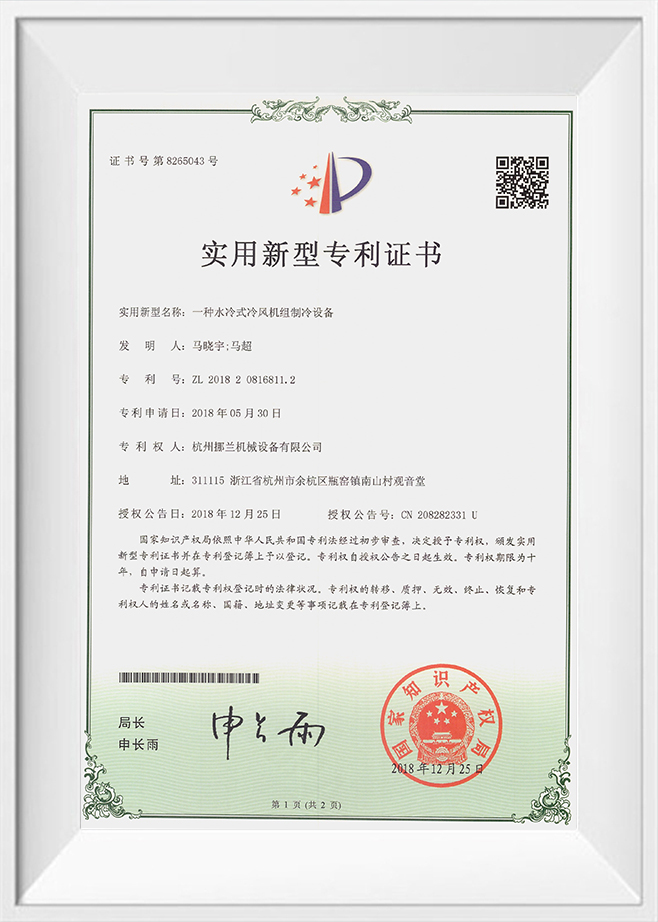
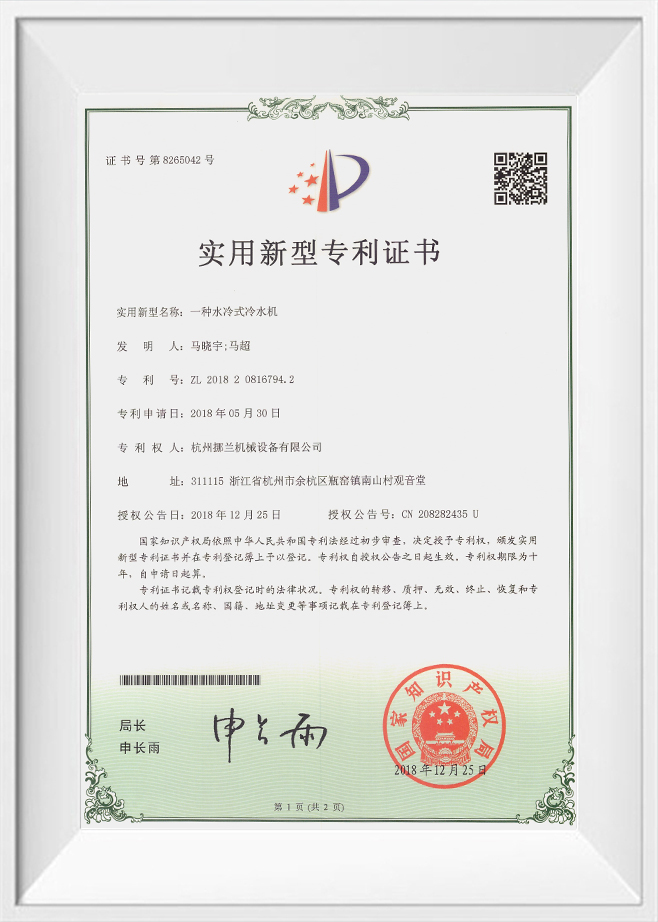
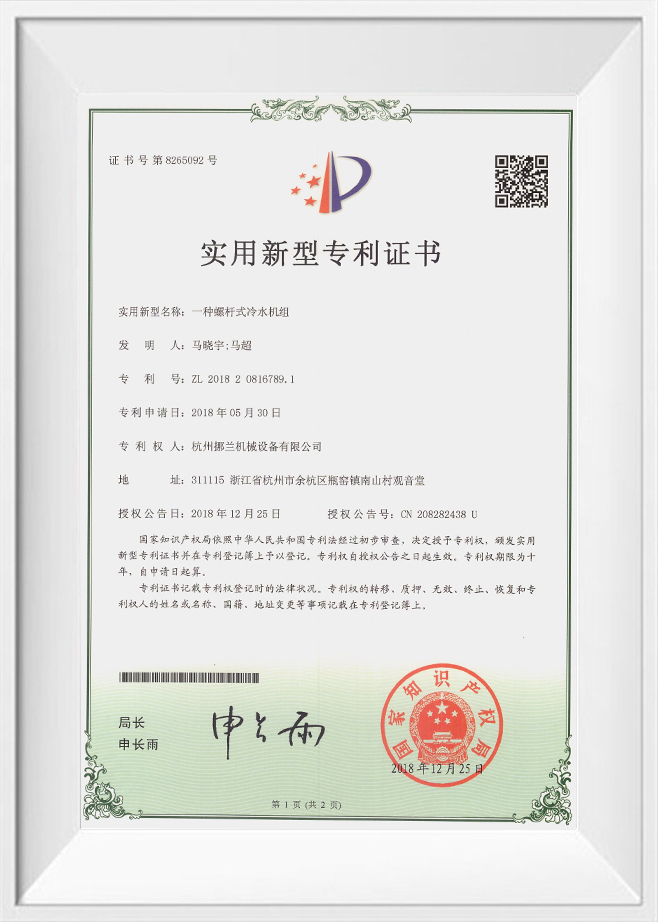
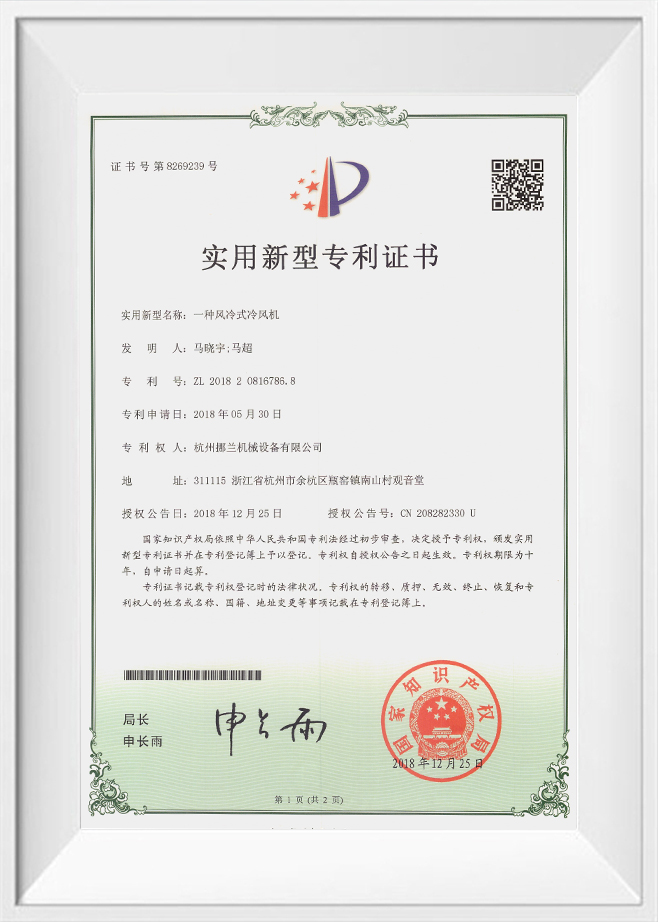
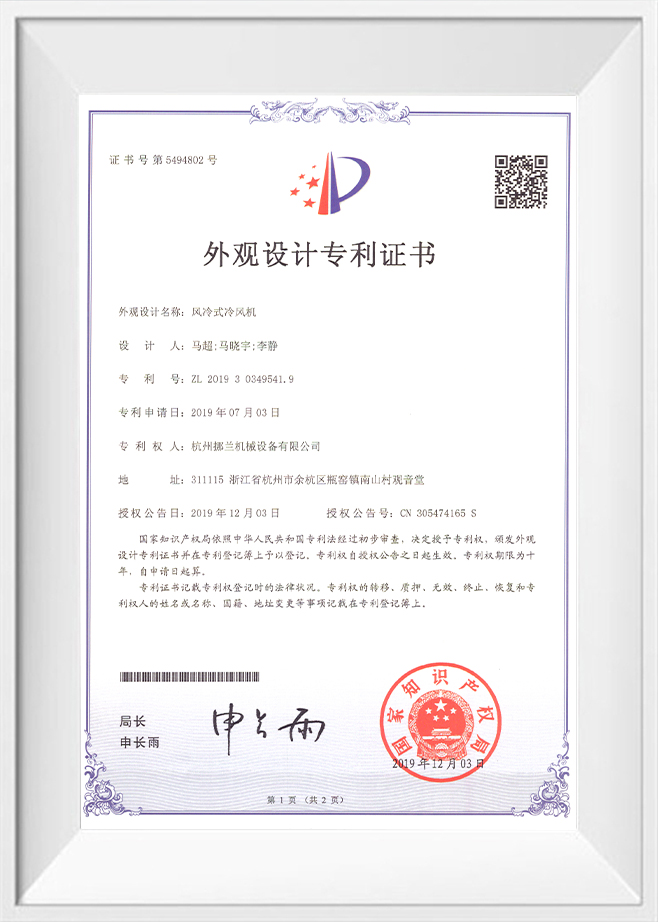
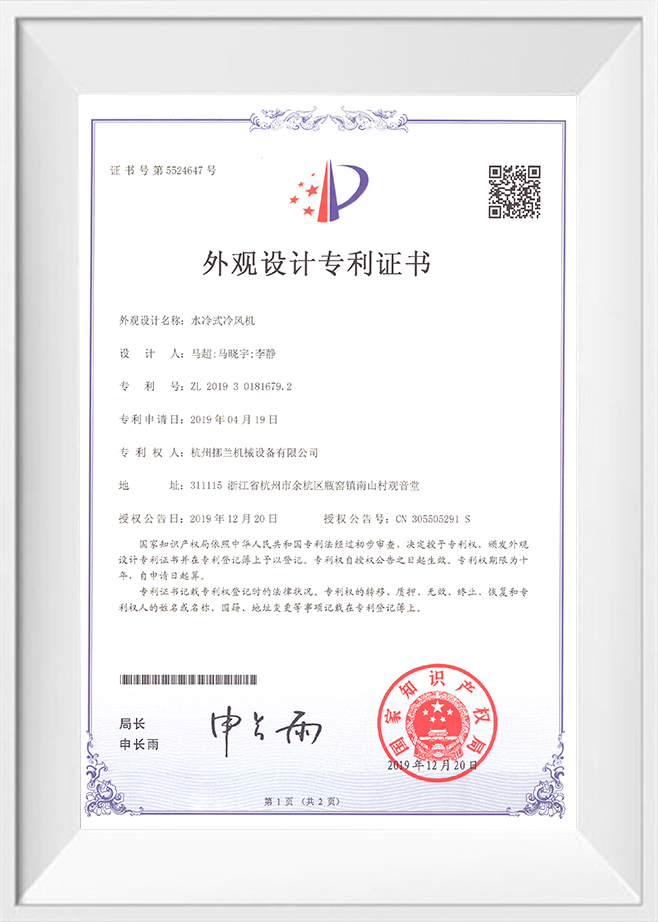
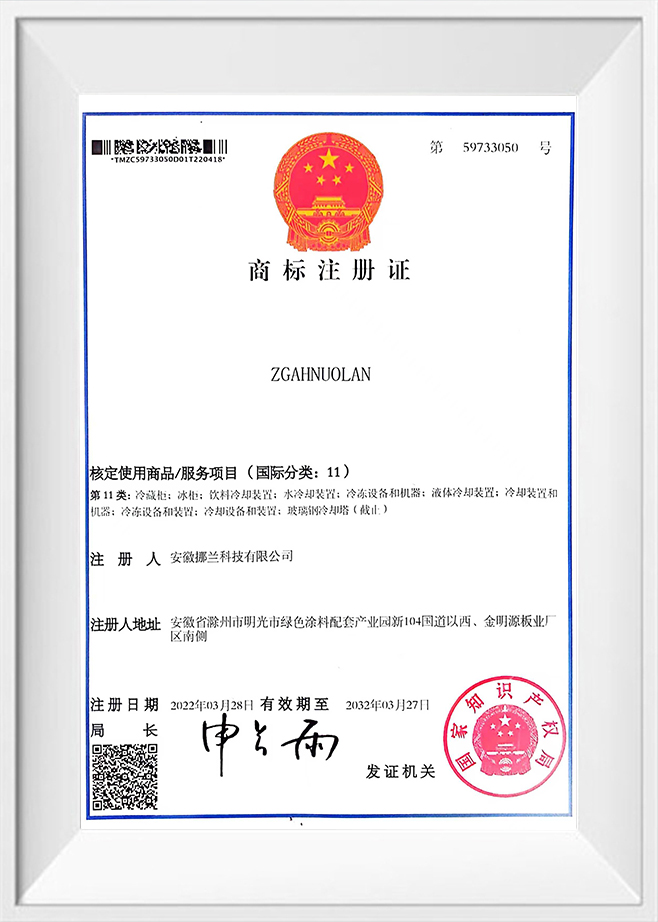
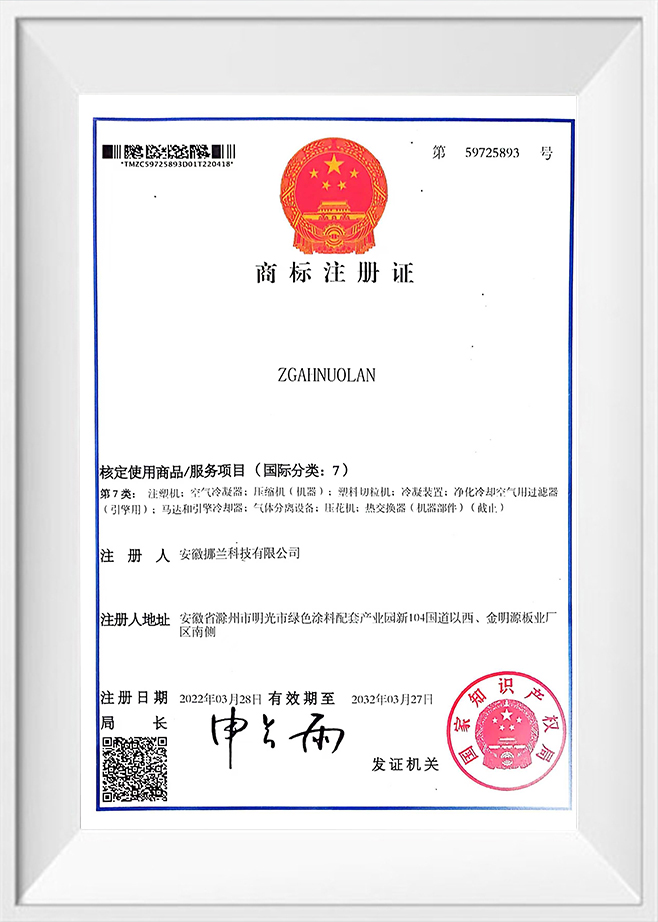
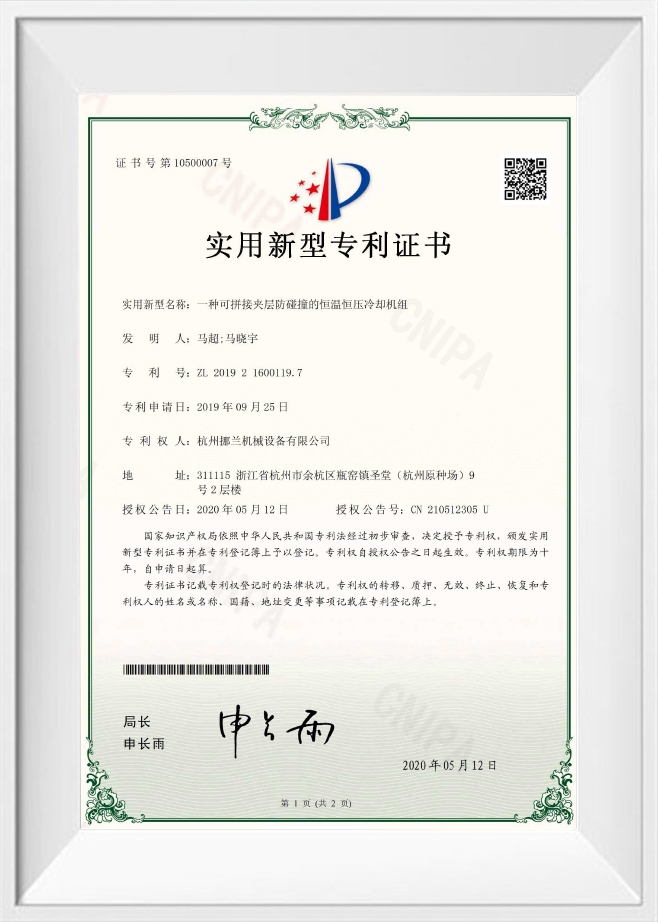
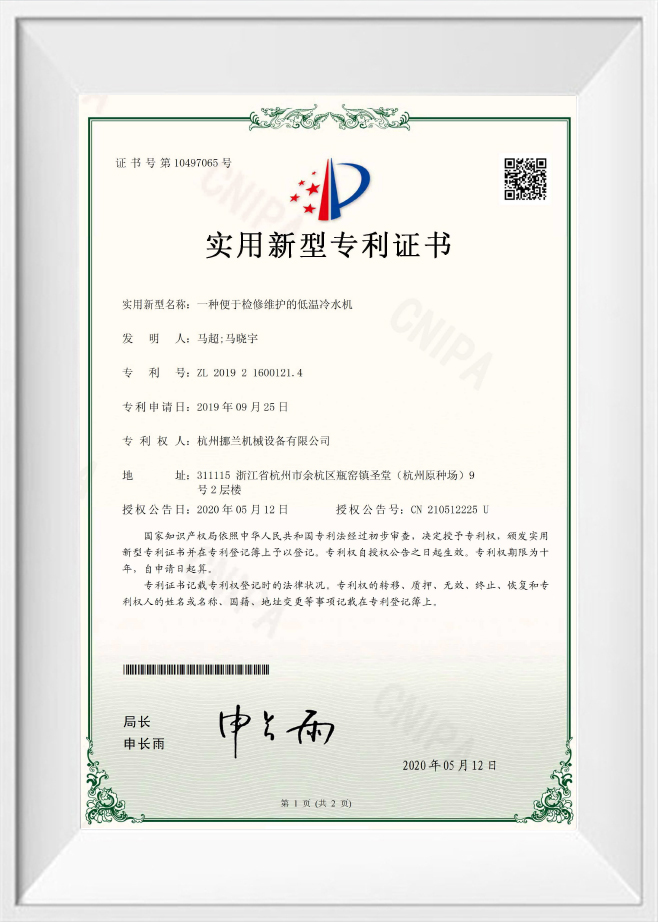
Patent Certification

0+
Number of Employees

0
㎡
Factory Area

News & Insights

2026-10-10
2026-10-10
2026-10-10
2026-10-10
2026-10-05
An industrial heat exchanger transfers thermal energy from hot exhaust gases, process fluids, or heated equipment to another medium that can be reused for preheating, space heating, or other production requirements. By capturing heat that would otherwise be released into the environment, heat recovery systems help reduce energy consumption, improve thermal efficiency, and support more sustainable industrial operations.
Waste heat recovery is the process of collecting residual thermal energy generated during industrial operations and redirecting it to a useful application. Heat may be lost through hot water, exhaust gases, cooling circuits, refrigeration systems, and high-temperature process fluids.
An industrial heat exchanger enables this process by transferring heat between two media without necessarily mixing them. Depending on the application, the recovered energy can preheat process water, raise the temperature of incoming air, support secondary heating circuits, or reduce the workload of industrial refrigeration systems.
Common heat sources include:
The amount of recoverable heat depends on the source temperature, flow rate, operating schedule, and temperature requirements of the receiving process. Effective waste heat recovery begins with identifying a consistent heat source and a practical use for the recovered energy.
The waste heat recovery process generally involves heat collection, thermal transfer, and energy reuse. The system configuration varies according to the heat source and the required output temperature.
The system first identifies a stream carrying usable thermal energy, such as hot process water, heated exhaust air, or refrigeration condenser fluid. The heat source must provide sufficient temperature and flow to support the intended recovery application.
The hot medium passes through one side of the heat exchanger, while the receiving medium flows through a separate passage. Heat moves across the conductive surface from the higher-temperature medium to the lower-temperature medium.
Plate heat exchangers are often suitable for compact liquid-to-liquid applications, while shell-and-tube designs can accommodate various industrial fluid conditions. Air-based systems may use finned surfaces to increase heat transfer between gas and fluid streams.
The heated medium is routed to a process that can use the recovered energy. For example, preheated water may reduce boiler demand, while recovered heat from a refrigeration system may support cleaning processes or facility heating.
Temperature sensors, flow controls, valves, and automated control systems help maintain stable operation. Monitoring inlet and outlet temperatures, pressure drop, and flow rates helps identify fouling, insufficient heat transfer, and changes in operating conditions.
Different industrial heat transfer equipment designs serve different thermal conditions. Selection depends on the heat source, fluid properties, available installation space, maintenance requirements, and target heat recovery efficiency.
| Heat exchanger type | Main function | Typical applications |
|---|---|---|
| Plate heat exchanger | Transfers heat between separate fluid circuits through thin plates | Process water heating, liquid cooling, and thermal recovery |
| Shell-and-tube heat exchanger | Transfers heat between fluids through tube surfaces | Industrial oil systems, process fluids, and demanding operating conditions |
| Air cooled heat exchanger | Uses ambient air to remove heat from a process fluid | Fluid cooling, refrigeration systems, and outdoor installations |
| Finned-tube heat exchanger | Increases heat transfer area for gas-to-fluid exchange | Exhaust heat recovery and air heating |
| Refrigeration heat recovery system | Reuses heat generated during refrigeration operation | Water preheating, combined heating and cooling, and industrial temperature control |
An air cooled heat exchanger primarily rejects heat to ambient air, but its role can be incorporated into a broader thermal management system. Where practical, usable heat should be recovered before excess energy is discharged.
Heat recovery performance depends on more than the heat exchanger itself. The system must match the characteristics of the heat source with the needs of the receiving process.
Temperature difference: A sufficient temperature difference between the hot and cold streams drives heat transfer. A larger difference can increase the available transfer potential, although actual performance also depends on exchanger design and flow conditions.
Heat transfer area: A suitable exchange surface allows the system to transfer the required amount of energy. Undersized equipment may fail to meet demand, while excessive sizing can increase installation costs.
Flow rate and fluid properties: Viscosity, specific heat capacity, thermal conductivity, and flow velocity influence heat transfer. These factors must be evaluated during system design.
Fouling and maintenance: Scale, oil deposits, dust, and other contaminants can reduce heat transfer and increase pressure drop. Regular inspection and appropriate cleaning help maintain performance.
Operating stability: Waste heat recovery is most practical when the heat source and receiving process operate at compatible times. Thermal storage or auxiliary heating may be needed when supply and demand fluctuate.
Recovering waste heat can reduce the amount of purchased energy needed to reach a target process temperature. Instead of heating incoming water entirely with a boiler or electric heater, a facility can use recovered energy to provide part of the required temperature increase.
In refrigeration applications, the condenser releases heat removed from the cooled process, together with the energy consumed by the refrigeration cycle. A suitable heat recovery arrangement can redirect part of this thermal output for useful heating. The actual benefit depends on the refrigeration operating conditions and the temperature required by the heating application.
Industrial cooling and heating can also be coordinated through integrated temperature control. For example, a system that cools one process while supplying recovered heat to another may reduce total energy demand compared with operating independent heating and cooling equipment.
However, heat recovery does not eliminate the need for appropriate cooling capacity. The system must still reject excess heat when recovery demand is insufficient.
Industrial chillers remove heat from production equipment, circulating fluids, or controlled environments. During refrigeration, this heat is transferred to the condenser side of the system. Rather than rejecting all of it, a properly designed heat recovery system can capture part of the thermal output for secondary use.
Applications include process water preheating, equipment cleaning, auxiliary heating, and other operations that require warm water or a controlled heat source.
Some projects also combine cooling coils, air handling equipment, and refrigeration systems to support applications described as a machine exchanging chilled water into chilled air. Technically, this process involves chilled water absorbing heat from an air stream through a coil, thereby cooling the air. It is a cooling function rather than waste heat recovery itself, but both functions can be integrated into a coordinated industrial temperature control solution.
Anhui Noran Technology Co., Ltd. specializes in industrial refrigeration equipment and customized temperature control solutions, including industrial chillers, air cooling systems, low-temperature refrigeration units, and heat recovery systems. Its engineering approach supports projects that require coordinated cooling and heat utilization.
Selecting an industrial heat exchanger manufacturer requires evaluating the complete operating conditions rather than comparing equipment prices alone. Important considerations include the heat source, required heat recovery capacity, target outlet temperatures, fluid compatibility, pressure conditions, installation space, and maintenance access.
A qualified industrial heat exchanger supplier should be able to assess process requirements, recommend a suitable exchanger configuration, and explain how the proposed system will operate under changing loads.
Anhui Noran Technology Co., Ltd. has accumulated industrial refrigeration experience since 2014. Its manufacturing facilities include a 50-mu production base and a 12,000-square-meter processing center, with an annual output of more than 3,000 units. The company applies CAD design, core component selection, intelligent control systems, and factory testing to support equipment reliability.
Noran also develops energy-saving refrigeration technologies and customized solutions for low-temperature operation, explosion protection, heat recovery, special voltage requirements, and combined heating and cooling temperature control. These capabilities can support industrial projects where cooling performance and thermal energy utilization must be considered together.
An industrial heat exchanger recovers waste heat by transferring thermal energy from a hot process stream to a medium that can use it. When the heat source, exchanger design, and receiving application are properly matched, heat recovery can reduce energy demand, improve process efficiency, and support more effective industrial temperature management. Careful system assessment, appropriate equipment selection, and routine maintenance are essential to achieving reliable long-term performance.
Its main purpose is to transfer heat between two media for heating, cooling, or thermal energy recovery. In waste heat applications, it redirects otherwise unused heat to a useful process.
Common sources include hot water, process fluids, exhaust gases, heated oil, and refrigeration condenser heat. Recoverability depends on temperature, flow rate, operating hours, and the receiving process’s heat demand.
An air cooled heat exchanger is commonly used to reject heat from process fluids to ambient air. In a heat recovery system, a suitable exchanger or modified system arrangement may capture useful thermal energy before it is discharged.
It can reduce fuel or electricity consumption when recovered heat replaces energy that would otherwise be required for heating. Savings depend on heat availability, system efficiency, installation costs, and operating conditions.
Evaluate the supplier’s engineering capabilities, experience with similar thermal conditions, equipment customization options, control systems, quality testing, and maintenance support. Provide process temperatures, flow rates, fluid details, and heat recovery requirements for a more accurate proposal.
Contact Us

Jenny@nolantech.cn
amy.wang@nolantech.cn
cici.yuan@nolantech.cn

+86-4001001078

+86-15990174016

+86-13677629472

+86-13677629472 (Amy) / +86-18226838248 (Cici)

No.60 Harmony Road,Green Coating Supporting Industrial Park, Mingguang City,Chuzhou City,Anhui Province, China
Ready to Begin?
Get in Touch

Now!
Custom Industrial Heat Transfer Equipment Company

ANHUI NORAN