
 English
  Français
  Español
  Português
  عربى
عربى  Türk
Türk  हिंदी
हिंदी 

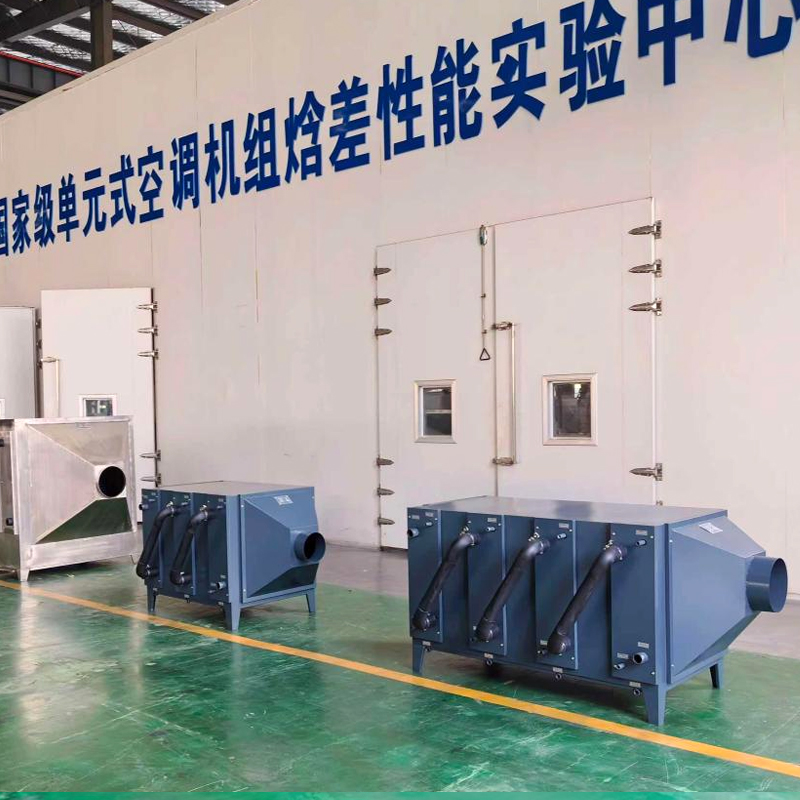
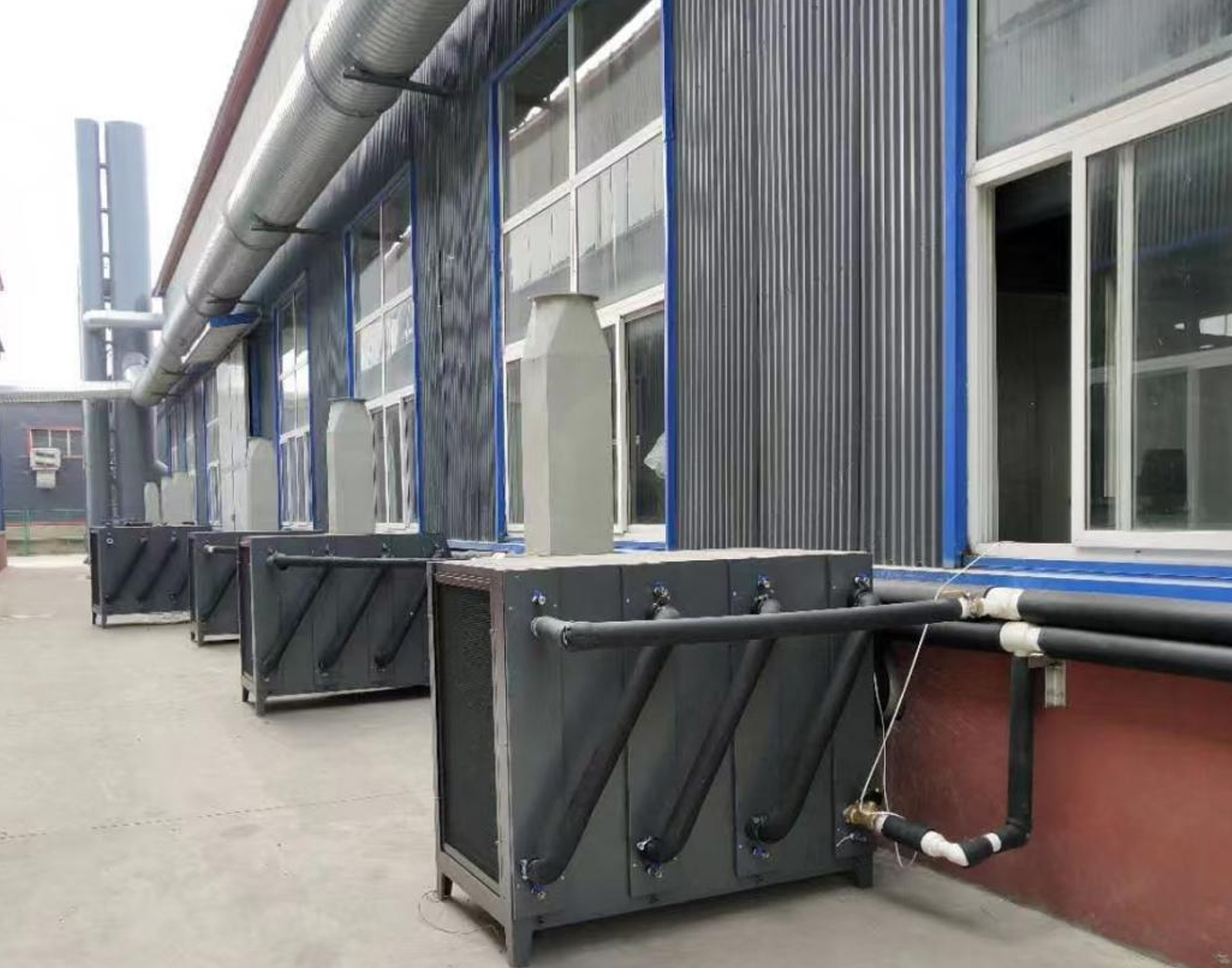
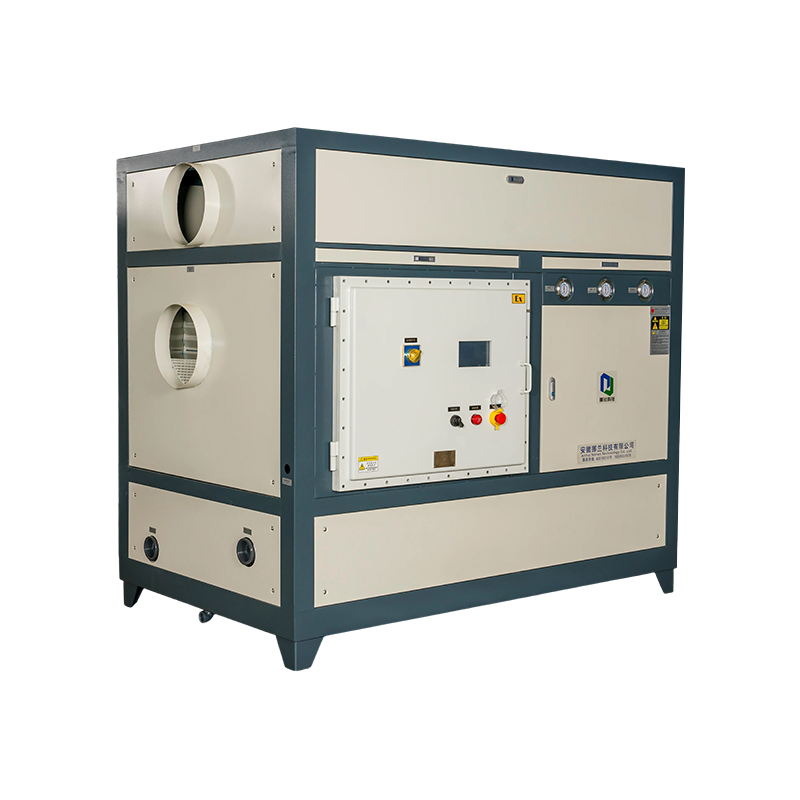


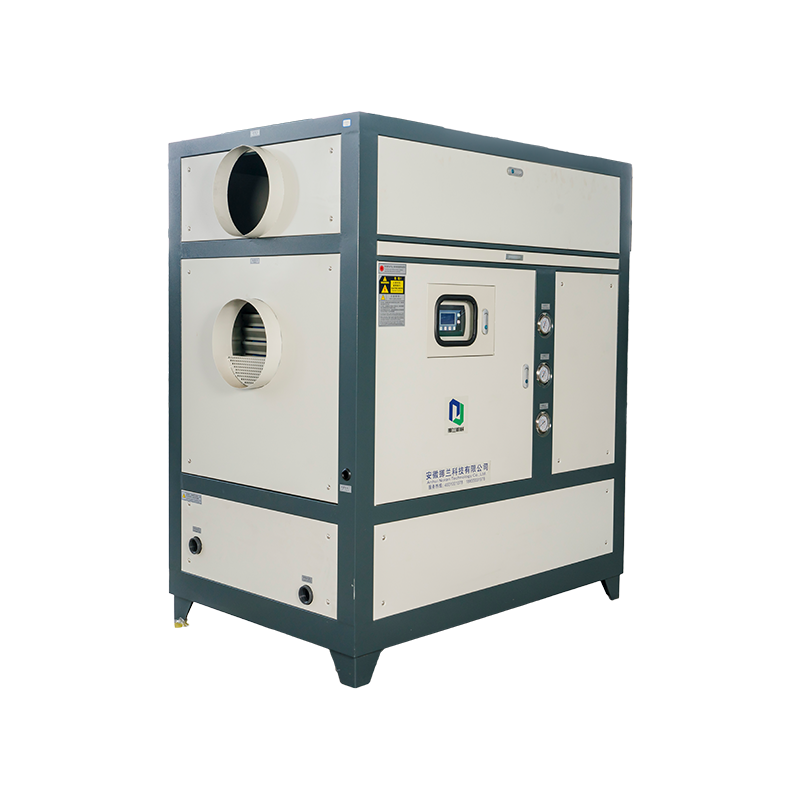















How Does a Copper Tube and Aluminum Fin Heat Exchanger Transfer Heat?
How does a copper tube and aluminum fin heat exchanger transfer heat efficiently in industrial cooling systems? The process relies on thermal conduction through copper tubes and aluminum fins, combined with convection between the heat exchanger surface and the surrounding air. This structure increases the effective heat transfer area, improves cooling efficiency, and supports stable temperature control in industrial refrigeration and air cooling applications.
1. What Is a Copper Tube and Aluminum Fin Heat Exchanger?
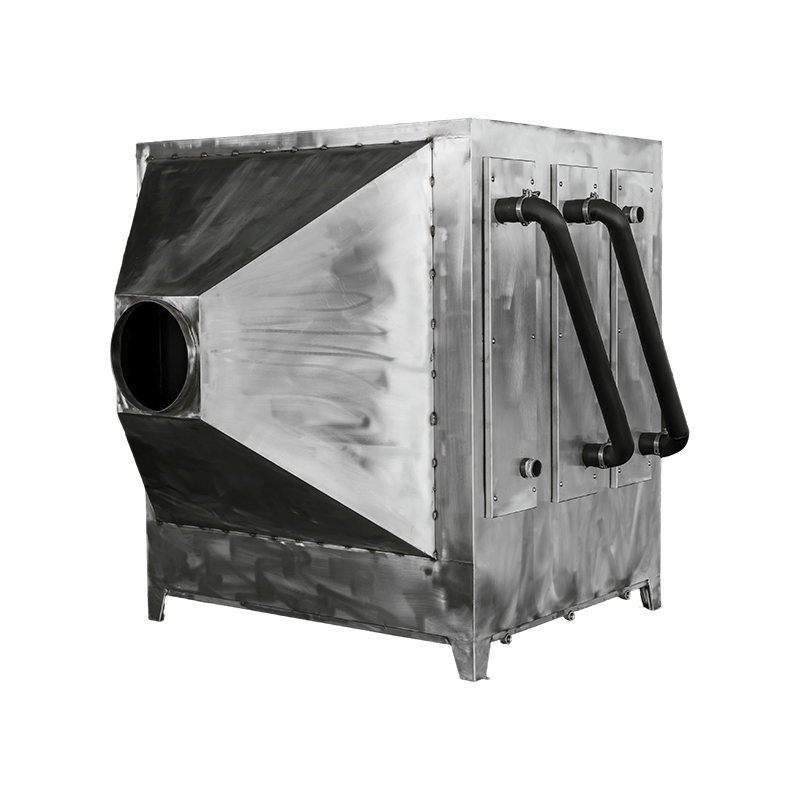
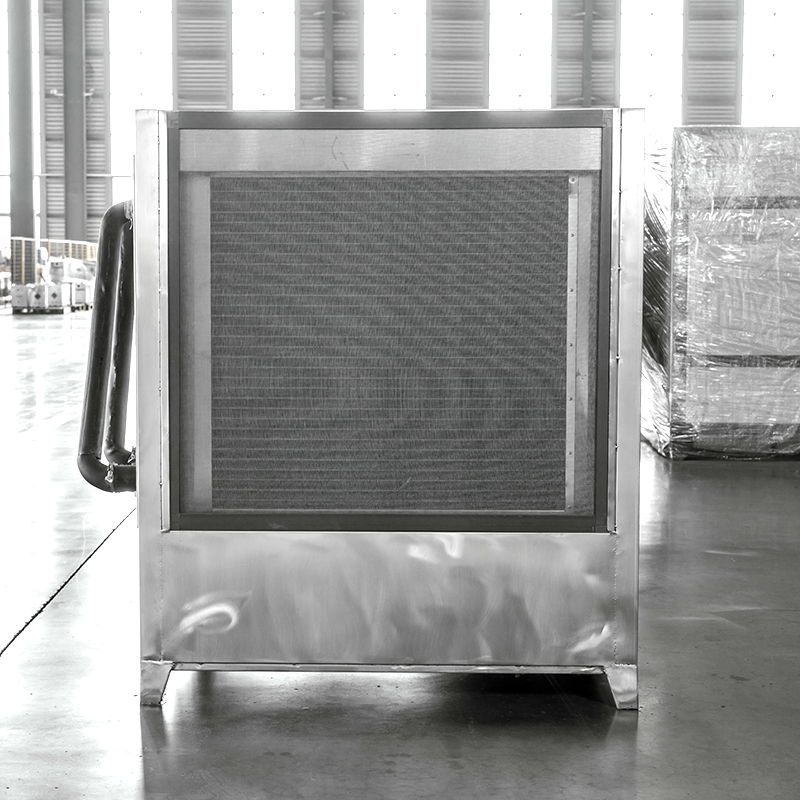
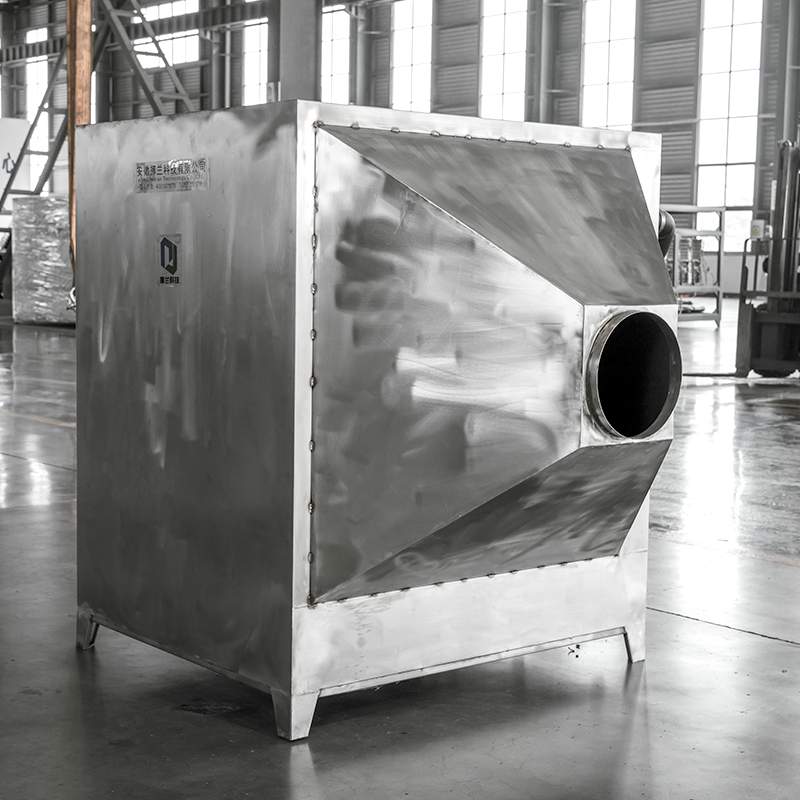
A copper tube and aluminum fin heat exchanger is a heat transfer component designed to move thermal energy from a fluid inside the tubes to the surrounding air. It typically consists of copper tubes, aluminum fins, headers, and connecting structures that form an integrated heat transfer assembly.
Copper provides high thermal conductivity and supports the circulation of refrigerants, chilled water, or other compatible heat transfer fluids. Aluminum fins extend the external surface area, allowing heat to transfer more effectively between the tube assembly and the air.
This design is widely used in industrial refrigeration equipment, air coolers, cooling coils, and temperature control systems. A copper tube & aluminum fin surface cooler is particularly suitable for applications that require effective heat exchange, compact construction, and reliable cooling performance.
2. How Does the Heat Transfer Process Work?
The heat transfer process involves three main stages: convection inside the tubes, conduction through the metal structure, and convection between the external fins and air.
Stage 1: Heat Transfer from the Fluid to the Copper Tube
The process begins when a relatively warm fluid enters the copper tubes. Depending on the system design, the fluid may be refrigerant, chilled water, or another suitable heat transfer medium.
Heat moves from the fluid to the inner tube wall through convection. Because copper has high thermal conductivity, the tube wall transfers this energy efficiently toward the external surface.
The actual heat transfer rate depends on fluid properties, flow velocity, temperature difference, tube geometry, and internal surface conditions.
Stage 2: Heat Conduction from Copper Tubes to Aluminum Fins
Once heat reaches the outside of the copper tubes, it passes into the aluminum fins through the tube-fin contact interface. The fins distribute heat across a larger surface area than the tubes alone can provide.
This expanded surface area is important because air generally transfers heat less effectively than many liquids. Increasing the area exposed to air helps compensate for the relatively low convective heat transfer coefficient on the air side.
The quality of the tube-fin connection directly affects performance. Mechanical expansion, suitable bonding methods, or other engineered joining processes can help establish effective thermal contact.
Stage 3: Heat Exchange Between the Fins and Air
Air flows across the finned tube assembly, absorbing heat from the fins when the air is cooler than the heat exchanger surface. A fan may be used to increase airflow and maintain more consistent heat transfer.
In refrigeration applications, the process can also operate in reverse from the perspective of the fluid: a cold refrigerant or chilled-water circuit absorbs heat from warmer air. The direction of heat flow is determined by the temperature difference, not simply by the material arrangement.
The transferred heat is then carried away by the circulating fluid or air stream, allowing the system to maintain the required operating temperature.
3. Why Are Copper Tubes and Aluminum Fins Used Together?
The combination takes advantage of the different thermal and structural properties of the two metals. Copper supports efficient heat conduction through the tube wall, while aluminum provides a lightweight, cost-effective way to increase the external heat transfer area.
| Component | Main Function | Key Characteristics |
|---|---|---|
| Copper tubes | Transfer heat between the internal fluid and the tube surface | High thermal conductivity, good formability, suitable for many refrigeration circuits |
| Aluminum fins | Increase the surface area exposed to air | Lightweight, good thermal conductivity, suitable for finned structures |
| Headers and connections | Distribute and collect the circulating fluid | Support flow distribution and system integration |
| Fans and airflow passages | Move air across the finned surface when required | Influence air-side heat transfer and pressure drop |
Material selection should also account for operating pressure, fluid compatibility, corrosion exposure, temperature range, and maintenance requirements. Copper and aluminum are not universally suitable for every environment, so the complete assembly must be designed for the intended working conditions.
4. What Factors Affect Heat Exchanger Performance?
The performance of a copper tube aluminum fin heat exchanger depends on more than the thermal conductivity of its materials. Several operating and design factors determine how effectively the unit transfers heat.
- Temperature difference: A larger temperature difference between the two media generally increases the potential heat transfer rate.
- Airflow and fluid flow: Appropriate flow rates improve heat exchange, while excessive flow resistance or poor distribution can reduce overall system efficiency.
- Fin geometry: Fin spacing, thickness, height, and shape affect heat transfer area, airflow resistance, and the risk of dust accumulation.
- Tube arrangement: Tube diameter, circuit configuration, and the number of tube rows influence fluid distribution and heat transfer performance.
- Surface cleanliness: Dust, oil, and other deposits can obstruct airflow and create additional thermal resistance. Regular inspection and cleaning help preserve performance.
- Operating conditions: Ambient temperature, humidity, fluid properties, and refrigeration load must be considered when selecting the heat exchanger.
For industrial applications, the design should balance heat transfer capacity, fan power consumption, pressure drop, equipment dimensions, and ease of maintenance rather than maximizing any single parameter.
5. Where Are Copper Tube and Aluminum Fin Surface Coolers Used?
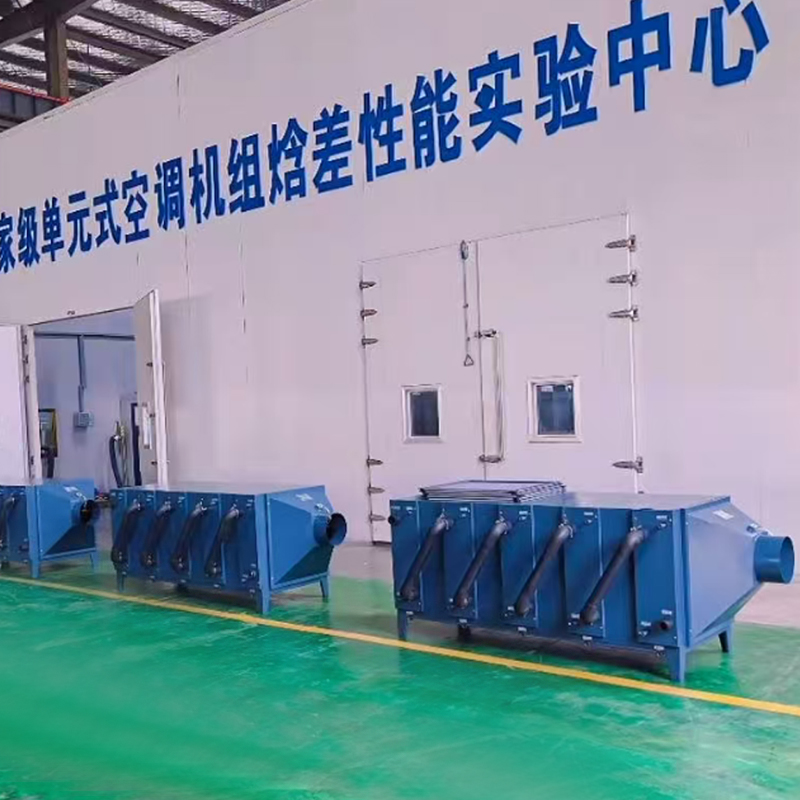
A copper tube & aluminum fin surface cooler can be integrated into different industrial cooling and air conditioning systems, depending on the fluid circuit, required cooling capacity, and installation environment.
Common applications include:
- Industrial refrigeration: Supports heat exchange in refrigeration equipment and process cooling systems.
- Air cooling systems: Removes heat from circulating air in equipment rooms, industrial facilities, and process environments.
- Plastics manufacturing: Helps maintain process temperatures for production equipment and auxiliary cooling systems.
- Electronics and photovoltaics: Supports temperature management for production processes and associated equipment.
- Powder coating and industrial painting: Contributes to temperature control where stable thermal conditions are required.
- Chemical and pharmaceutical production: Can be incorporated into suitable cooling systems designed around process requirements and material compatibility.
An industrial surface cooler cooling coil must be selected according to the required heat load, inlet and outlet temperatures, airflow conditions, installation space, and the characteristics of the working fluid. Corrosive atmospheres and environments with heavy airborne contaminants may require additional protective measures or alternative material configurations.
6. How Can the Right Heat Exchanger Be Selected?
Selecting an appropriate heat exchanger begins with defining the actual operating requirements rather than choosing a unit based on dimensions alone.
First, calculate the required cooling capacity and identify the heat transfer medium. Next, determine the target inlet and outlet temperatures, available airflow, fluid flow rate, pressure limits, and acceptable pressure drop. Installation conditions, maintenance access, ambient conditions, and corrosion risks should also be evaluated.
An oversized or undersized unit can affect equipment cost, operating stability, and energy consumption. The heat exchanger should therefore be matched to the complete refrigeration or cooling system, including the compressor, fans, control components, and circulation equipment where applicable.
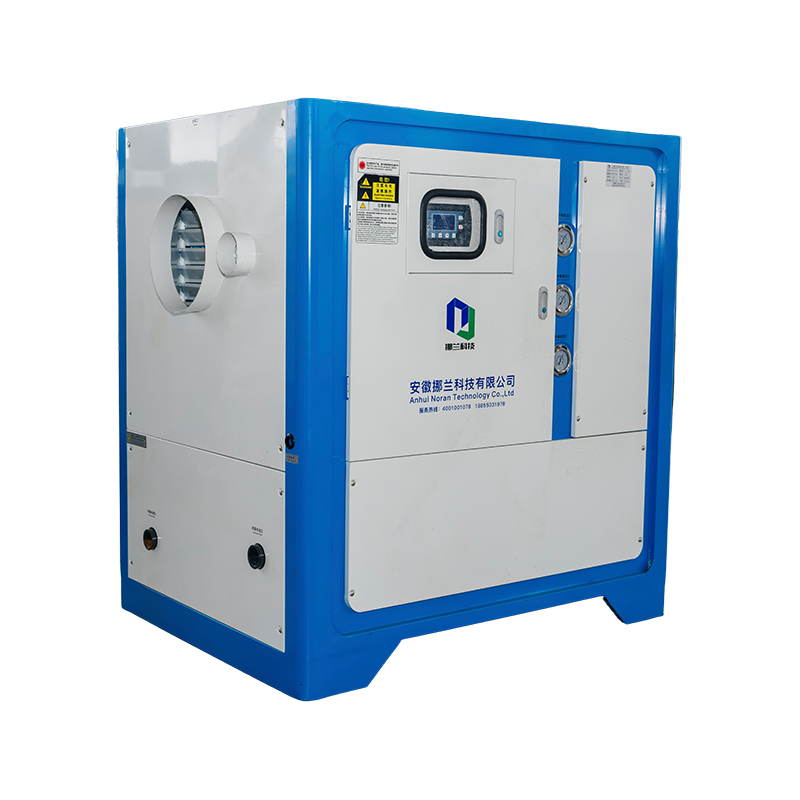
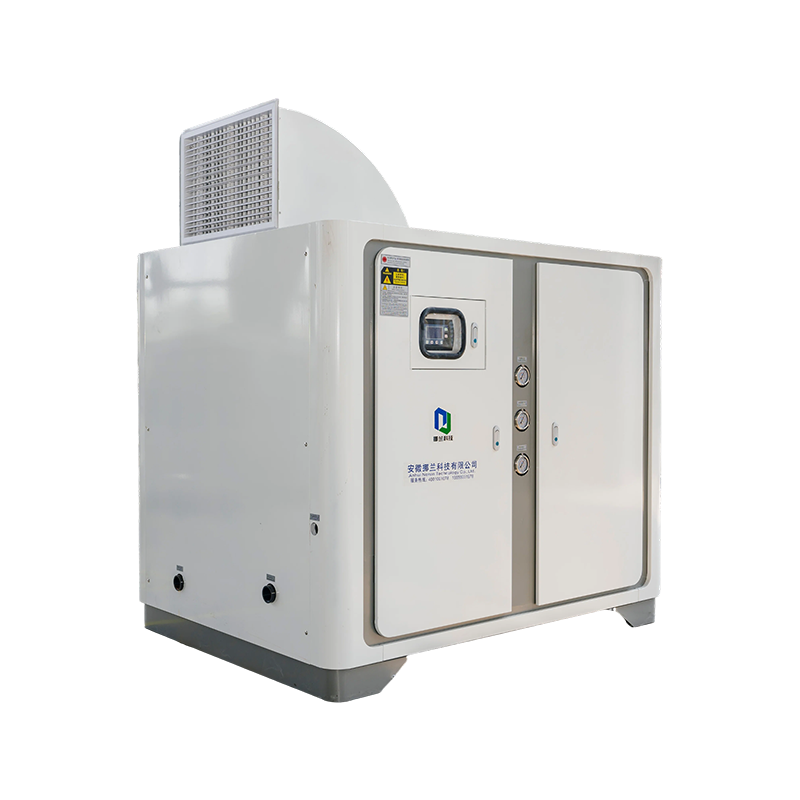
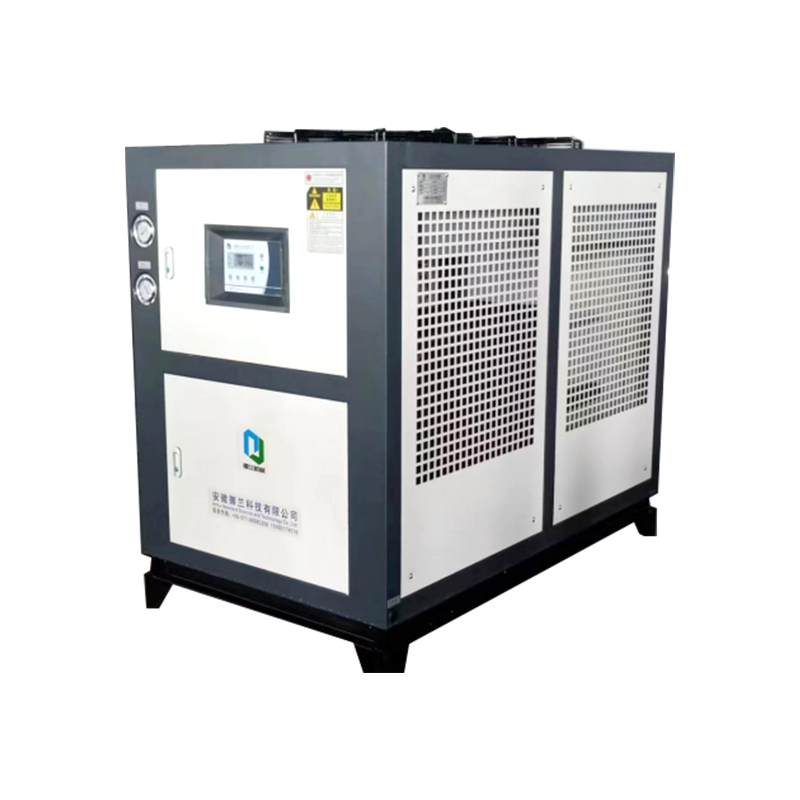
Anhui Noran Technology Co., Ltd. specializes in industrial refrigeration equipment and customized temperature control solutions. Its product range includes industrial chillers, air cooling systems, screw chillers, low-temperature refrigeration units, and heat recovery systems. For projects requiring a copper tube aluminum fin heat exchanger, engineering evaluation can help determine the appropriate configuration based on cooling capacity, temperature accuracy, and installation requirements.
Quality control is also essential. Noran uses CAD design and engineering review to evaluate system structure and component layout. Depending on the equipment and project requirements, CPU and PLC intelligent control systems can support automatic monitoring, operating protection, and fault detection. Factory testing may include refrigeration performance, temperature performance, control logic, and protection functions. Explosion-proof testing is available upon request for applicable equipment.
7. Conclusion
A copper tube and aluminum fin heat exchanger transfers heat through a combination of convection and conduction. Copper tubes provide an effective thermal path from the internal fluid, while aluminum fins expand the external surface area for air-side heat exchange. The resulting structure supports efficient cooling in industrial refrigeration, process temperature control, and air cooling applications.
However, actual performance depends on the complete design, including airflow, fluid distribution, fin geometry, thermal contact, operating temperatures, and maintenance conditions. Choosing the right copper tube & aluminum fin surface cooler requires a clear understanding of the application and coordination with the overall cooling system. Anhui Noran Technology Co., Ltd. provides customized industrial refrigeration solutions designed around specific operating and installation requirements.
Frequently Asked Questions
1. How does a copper tube and aluminum fin heat exchanger work?
It transfers heat from the fluid inside the copper tubes through the tube walls and aluminum fins, then exchanges that heat with the surrounding air. Fans may be used to improve airflow and heat transfer.
2. Why are copper tubes combined with aluminum fins?
Copper offers high thermal conductivity and is suitable for many fluid-carrying applications. Aluminum fins increase the external heat transfer area while keeping the assembly relatively lightweight and economical.
3. What affects the efficiency of a copper tube aluminum fin heat exchanger?
Key factors include the temperature difference, fluid and air flow rates, fin design, tube arrangement, tube-fin contact quality, surface cleanliness, and operating conditions.
4. What is the difference between a surface cooler and a cooling coil?
A cooling coil generally refers to a heat exchanger assembly through which a cooling medium circulates. A surface cooler is a broader functional term for equipment that removes heat through a heat exchange surface. The terminology may overlap depending on the industrial application and equipment design.
5. How do I choose an industrial surface cooler cooling coil?
Determine the required cooling capacity, working fluid, inlet and outlet temperatures, airflow, pressure limits, installation dimensions, and environmental conditions. These parameters help establish the suitable heat exchanger configuration and its compatibility with the overall cooling system.


