
 English
  Français
  Español
  Português
  عربى
عربى  Türk
Türk  हिंदी
हिंदी 

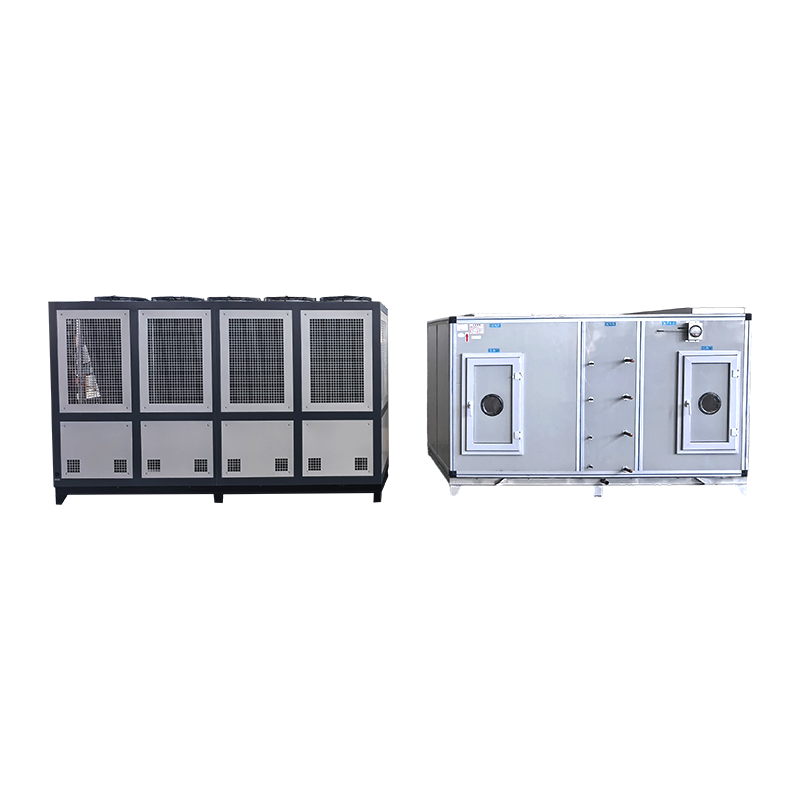
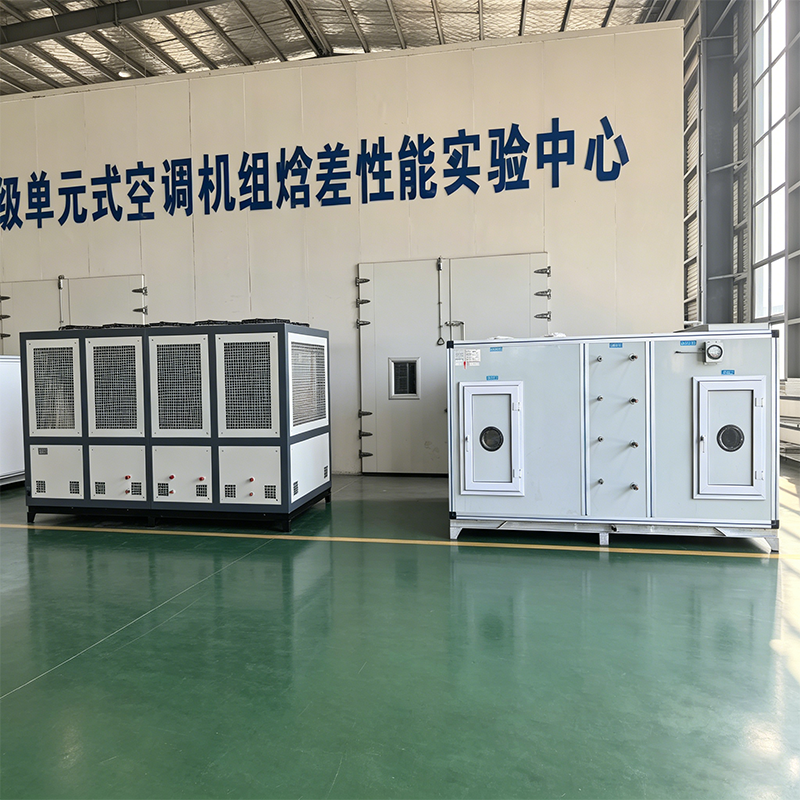
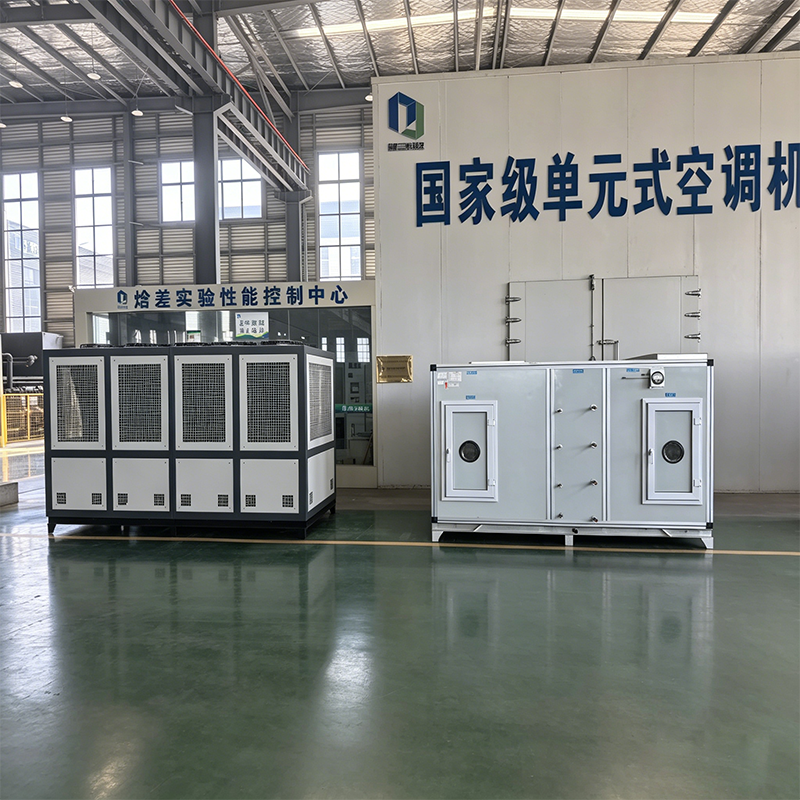
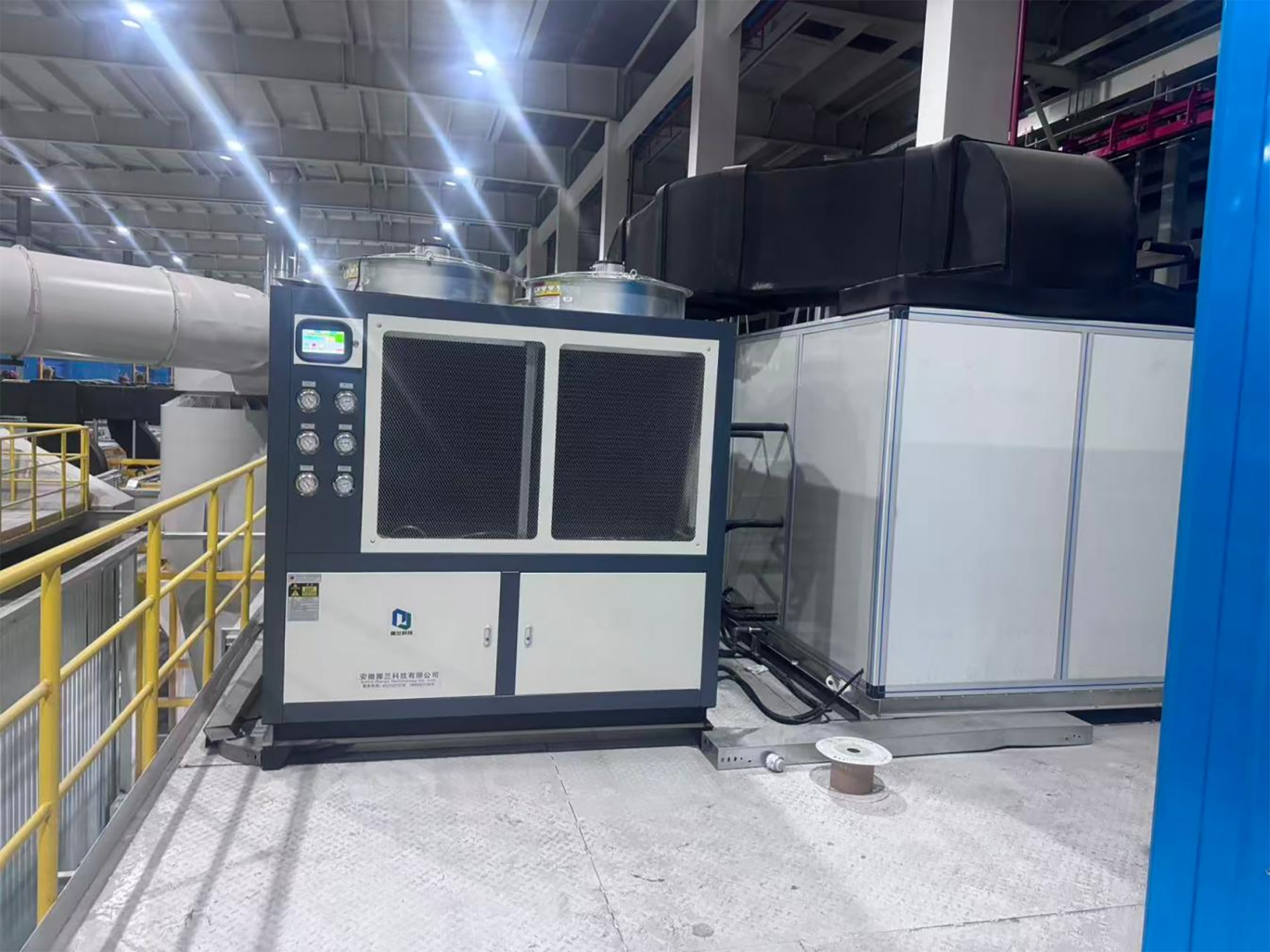
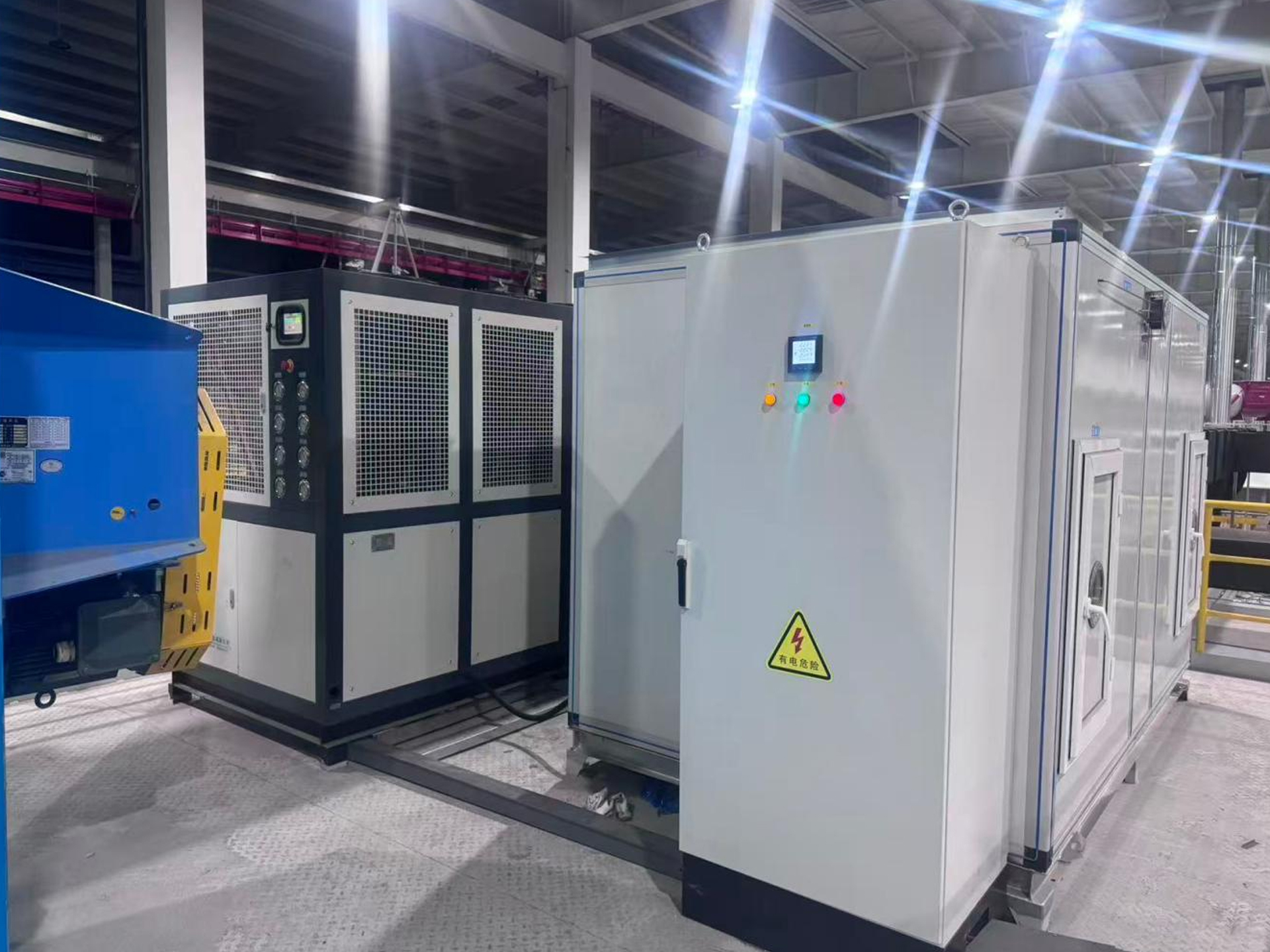
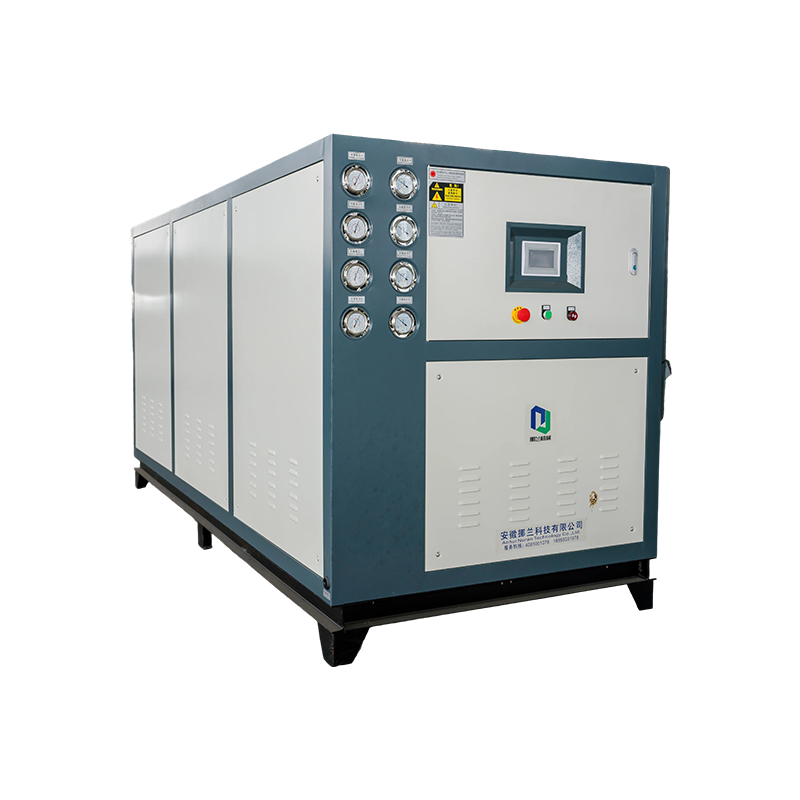


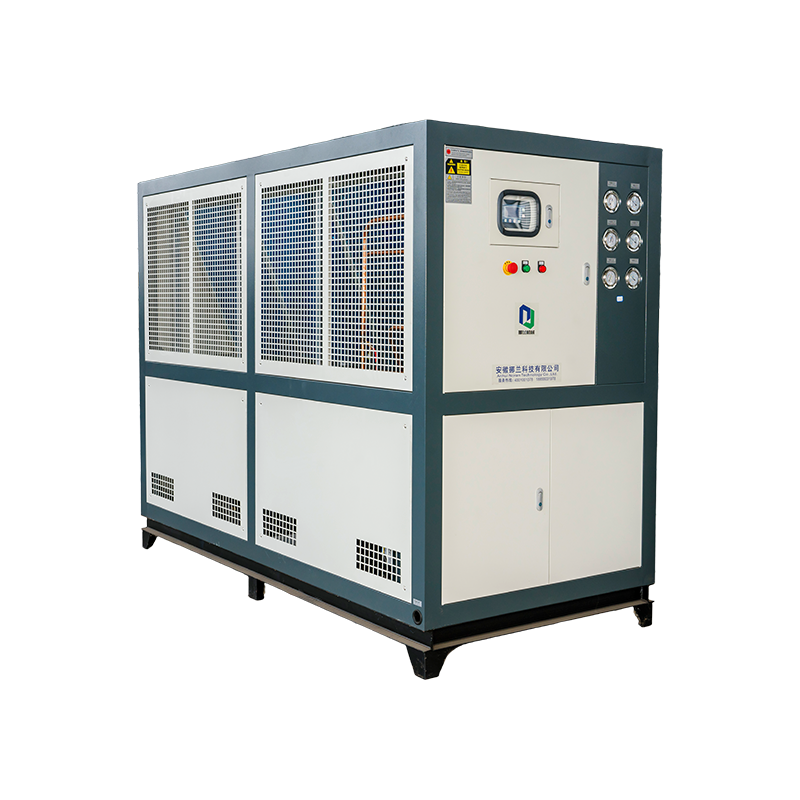
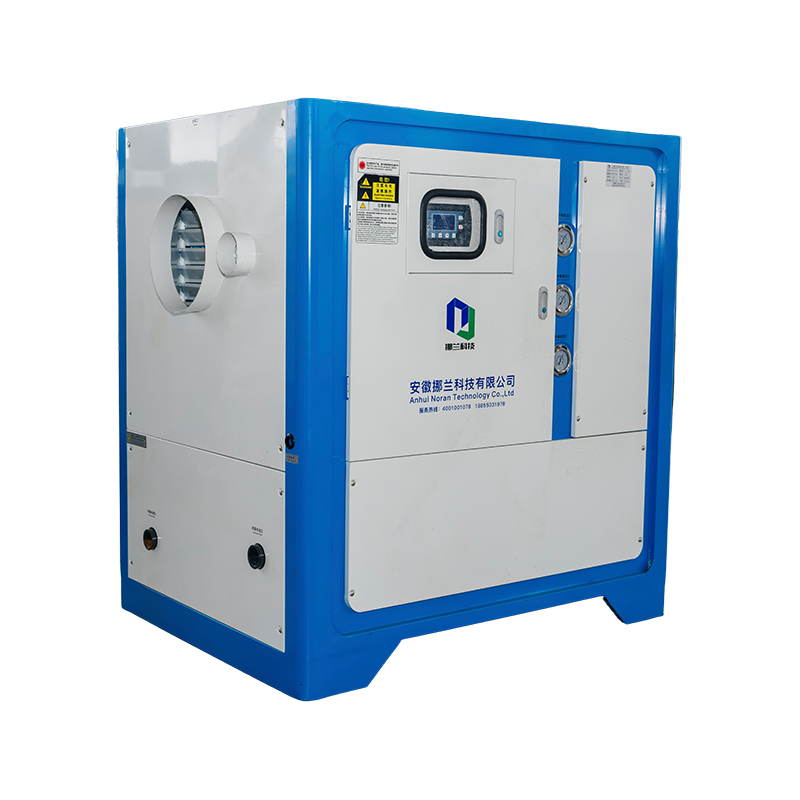
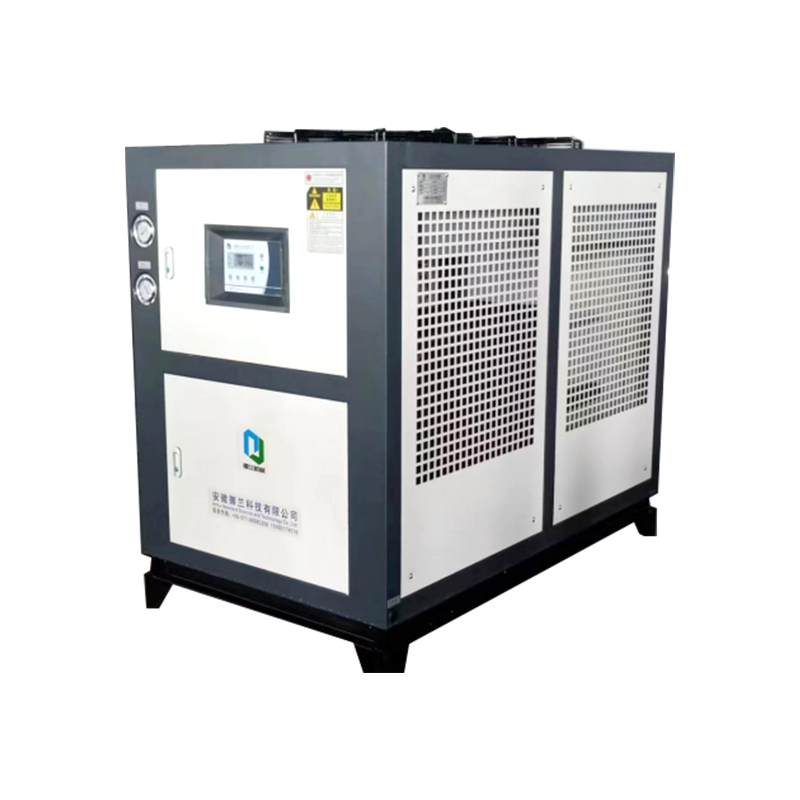
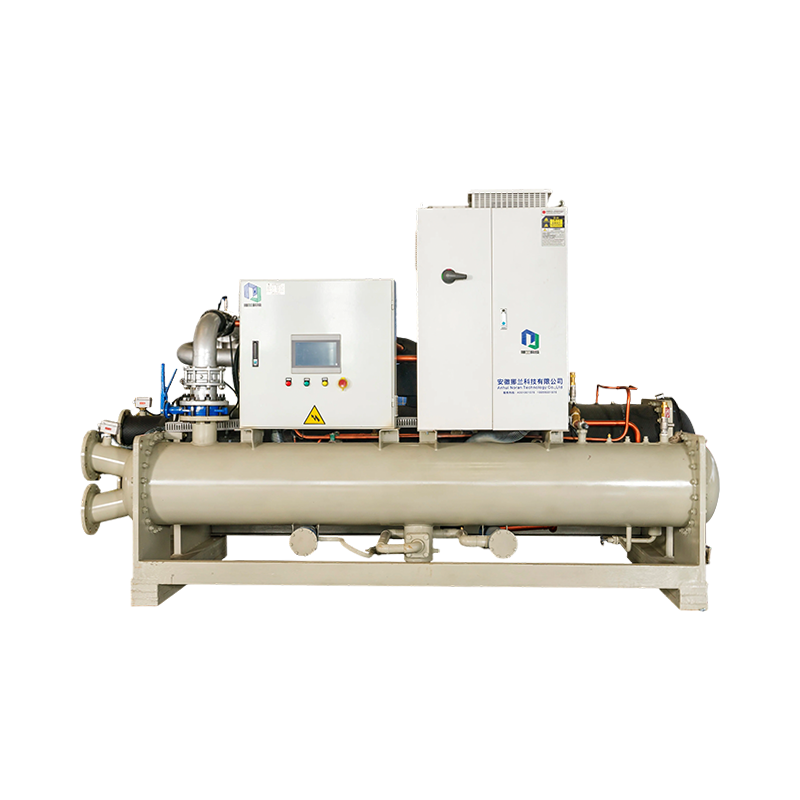
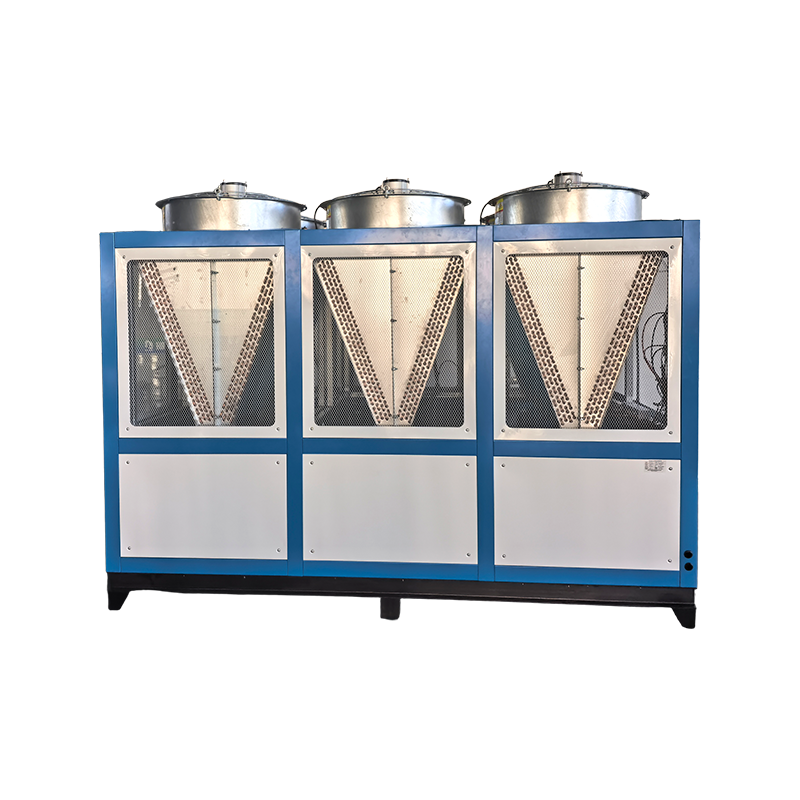















Why Is an Industrial DX Constant Temperature Humidity Air Conditioner More Energy-Efficient Than Traditional HVAC Systems?
Energy consumption is one of the largest operating costs in any temperature and humidity controlled production environment. Traditional HVAC systems are designed primarily for human comfort, while an industrial DX constant temperature humidity air conditioner is engineered for process accuracy and continuous industrial duty. This fundamental design difference explains why a properly selected industrial DX air conditioner often delivers lower energy consumption per unit of controlled space than conventional comfort HVAC equipment. As an industrial DX air conditioner manufacturer, Anhui Noran Technology Co., Ltd. designs systems around cooling capacity, temperature accuracy, operating environment, and installation conditions.
1. Direct Expansion Design Eliminates Intermediate Heat Transfer Losses
A direct expansion air conditioning unit places the evaporator directly in the air stream, so refrigerant absorbs heat from the air without an intermediate chilled water loop. Traditional chilled water HVAC systems require a chiller, pumps, piping, and an air handling unit, and each stage introduces energy losses.
- Direct refrigerant expansion: heat is absorbed directly from the air stream.
- No chilled water loop: eliminates pump power and piping heat gain.
- Fewer energy conversion stages: reduces cumulative efficiency losses.
- Faster response: refrigerant-based control reacts quickly to load changes.
2. Purpose-Built for Continuous Industrial Duty
Comfort HVAC systems cycle on and off based on occupancy and comfort set points. An industrial constant temperature humidity air conditioner runs continuously and modulates capacity to hold tight tolerances. Modulating operation avoids the high inrush current and inefficiency associated with frequent compressor starts.
- Continuous duty design: components rated for 24/7 industrial operation.
- Modulating capacity: matches output to actual load instead of cycling.
- Reduced start-stop losses: fewer compressor starts lower average power draw.
- Longer service life: stable operation reduces mechanical wear.
3. Integrated Temperature and Humidity Control
In many industrial processes, temperature and humidity must be controlled simultaneously. A DX temperature humidity control system manages both parameters with one integrated logic, avoiding the conflict that occurs when separate cooling and dehumidification systems fight each other.
- Simultaneous control: temperature and humidity handled by one system.
- Reduced reheat demand: avoids unnecessary reheating after over-cooling.
- Avoided system conflict: prevents cooling and humidifying at the same time.
- Process-matched set points: control logic tuned to production requirements.
4. Intelligent Control and Variable Capacity Modulation
Modern DX equipment uses advanced controllers, variable-speed compressors, and electronically commutated fans to match capacity precisely to demand. This modulation is the single largest source of energy savings compared with fixed-speed traditional systems.
- Variable-speed compressors: reduce power draw at part-load conditions.
- EC fan motors: lower fan energy at reduced airflow demand.
- Precise sensor feedback: prevents unnecessary over-cooling or over-drying.
- Load-adaptive algorithms: optimize operation across seasonal changes.
5. Targeted Cooling Instead of Whole-Building Conditioning
Traditional HVAC systems often condition entire buildings, including corridors, storage areas, and offices. An industrial DX air conditioner can be applied as a dedicated temperature and humidity control unit serving only the critical production zone, which dramatically reduces the volume of air that must be conditioned.
- Zone-specific conditioning: cooling only where process accuracy is required.
- Reduced conditioned volume: less air to cool, heat, and dehumidify.
- Lower duct losses: shorter air paths reduce leakage and heat gain.
- Scalable modularity: capacity added only as production expands.
6. Heat Recovery and Free-Cooling Opportunities
DX systems can be integrated with heat recovery and free-cooling options. Recovered condenser heat can preheat process air or domestic water, while free-cooling uses cool outdoor air when conditions allow, reducing compressor runtime.
- Heat recovery integration: reuse rejected heat for other plant needs.
- Free-cooling mode: use ambient cool air to reduce compressor load.
- Seasonal optimization: shift between modes based on outdoor conditions.
- Reduced annual energy: lower cumulative compressor operating hours.
Parameter Comparison: Industrial DX vs Traditional HVAC
| Comparison Item | Industrial DX Constant Temperature Humidity Air Conditioner | Traditional HVAC System |
| Primary design purpose | Process accuracy and continuous industrial duty | Human comfort |
| Heat transfer path | Direct expansion, refrigerant to air | Chilled water loop with intermediate stages |
| Typical temperature tolerance | ±0.5°C to ±1°C | ±2°C to ±3°C or wider |
| Typical humidity tolerance | ±3% to ±5% RH | ±10% RH or uncontrolled |
| Capacity modulation | Variable-speed, continuous modulation | Often fixed-speed, on-off cycling |
| Compressor start frequency | Low, stable operation | High, frequent cycling |
| Part-load efficiency | High | Moderate to low |
| Reheat requirement | Minimized by integrated control | Common, increases energy use |
| Conditioned zone | Targeted critical production area | Whole building or large zones |
| Duct and piping losses | Lower, shorter air paths | Higher, extensive distribution |
| Heat recovery option | Integrated | Limited or add-on |
| Free-cooling option | Available | Varies by design |
| Service life under continuous duty | Designed for 24/7 operation | Not rated for continuous industrial duty |
| Typical energy outcome | Lower kWh per controlled zone | Higher kWh per controlled zone |
7. Matching Equipment to Actual Process Requirements
Energy efficiency is not only a matter of component quality. A DX air conditioner for custom demand must be engineered around the real load profile, required tolerance, ambient conditions, and installation constraints. Oversized or undersized equipment both waste energy, so accurate selection is essential.
Anhui Noran Technology Co., Ltd. was founded from Hangzhou Noran in 2014 and moved to Anhui in 2021, establishing an approximately 33000 m2 production base in Mingguang City, Anhui Province. The company designs and manufactures industrial chillers, air cooling systems, screw chillers, low-temperature refrigeration units, heat recovery systems, explosion-proof refrigeration equipment, and customized cooling solutions. Its products serve plastics, powder coating, electronics and photovoltaics, pharmaceuticals, chemicals, industrial painting, and large-scale industrial projects.
As a DX temperature humidity control supplier, Anhui Noran Technology Co., Ltd. provides air conditioner for temperature and humidity control solutions built around cooling capacity, temperature accuracy, operating environment, and installation conditions. The company focuses on energy-saving refrigeration technologies, low-temperature cooling, intelligent temperature control, and customized system integration, delivering stable, efficient, and professional refrigeration solutions to customers worldwide.
FAQ
Q1: How much energy can an industrial DX constant temperature humidity air conditioner save compared with a traditional HVAC system?
A: Savings depend on climate, load profile, tolerance requirements, and system design, but the main gains come from eliminating chilled water intermediate losses, reducing compressor cycling through modulation, and conditioning only the critical production zone. Typical projects see meaningful reductions in annual kWh compared with comfort HVAC serving the same area, especially where tight humidity control is required and reheat is avoided. Anhui Noran Technology Co., Ltd. evaluates cooling capacity, temperature accuracy, operating environment, and installation conditions to quantify expected savings for each application.
Q2: Is a DX temperature humidity control system suitable for pharmaceutical and electronics production?
A: Yes. These industries require tight and repeatable control of both temperature and humidity, which is exactly what a DX temperature humidity control system is designed to deliver. Anhui Noran Technology Co., Ltd. manufactures equipment for pharmaceuticals, electronics and photovoltaics, chemicals, and other precision industries. Because the system integrates cooling, dehumidification, and modulation in one control platform, it avoids the conflicting operation that often occurs when separate comfort HVAC and standalone dehumidifiers are combined.
Q3: Can Anhui Noran Technology Co., Ltd. customize a temperature and humidity control unit for a specific production process?
A: Yes. Anhui Noran Technology Co., Ltd. specializes in industrial chillers, air cooling systems, screw chillers, low-temperature refrigeration units, heat recovery systems, explosion-proof refrigeration equipment, and customized cooling solutions. The company supplies DX air conditioner for custom demand projects, engineering each temperature and humidity control unit around the actual load profile, required tolerance, ambient conditions, and available installation space. Continuous investment in research and cooperation with leading institutions support stable, efficient, and professional refrigeration performance.


