
 English
  Français
  Español
  Português
  عربى
عربى  Türk
Türk  हिंदी
हिंदी 

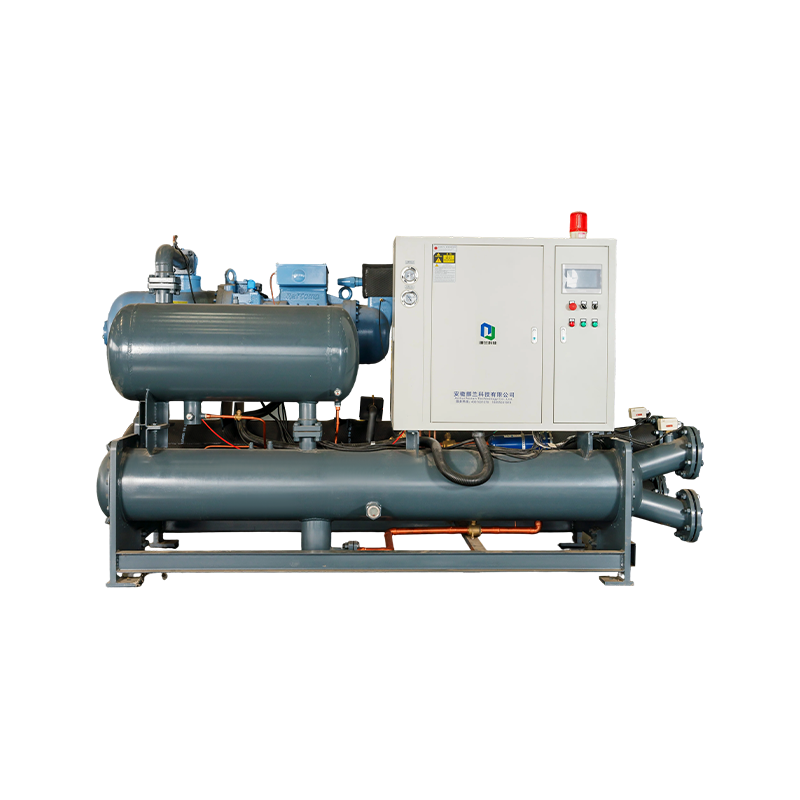
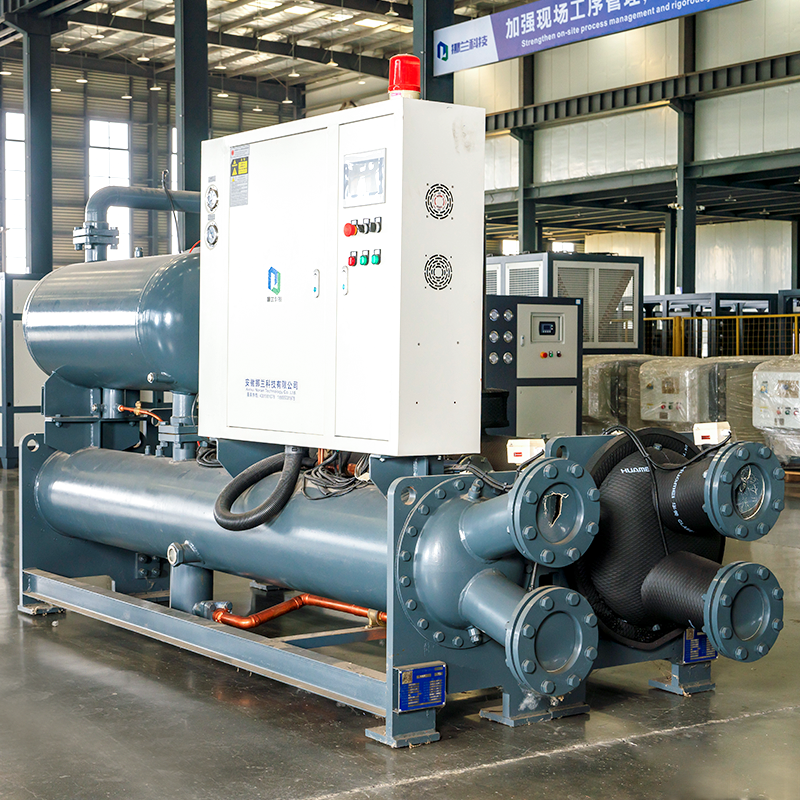
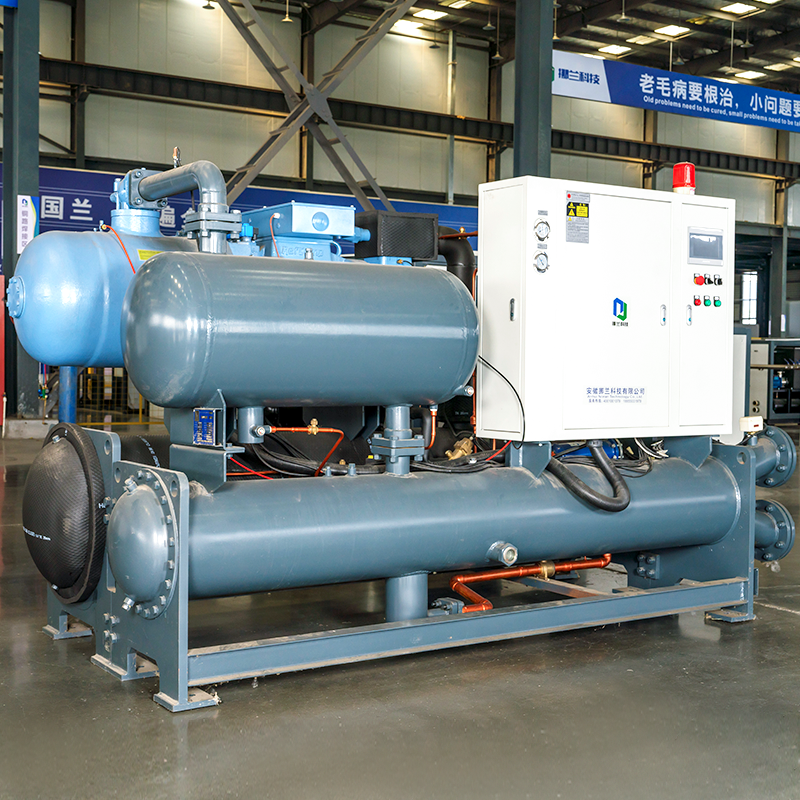
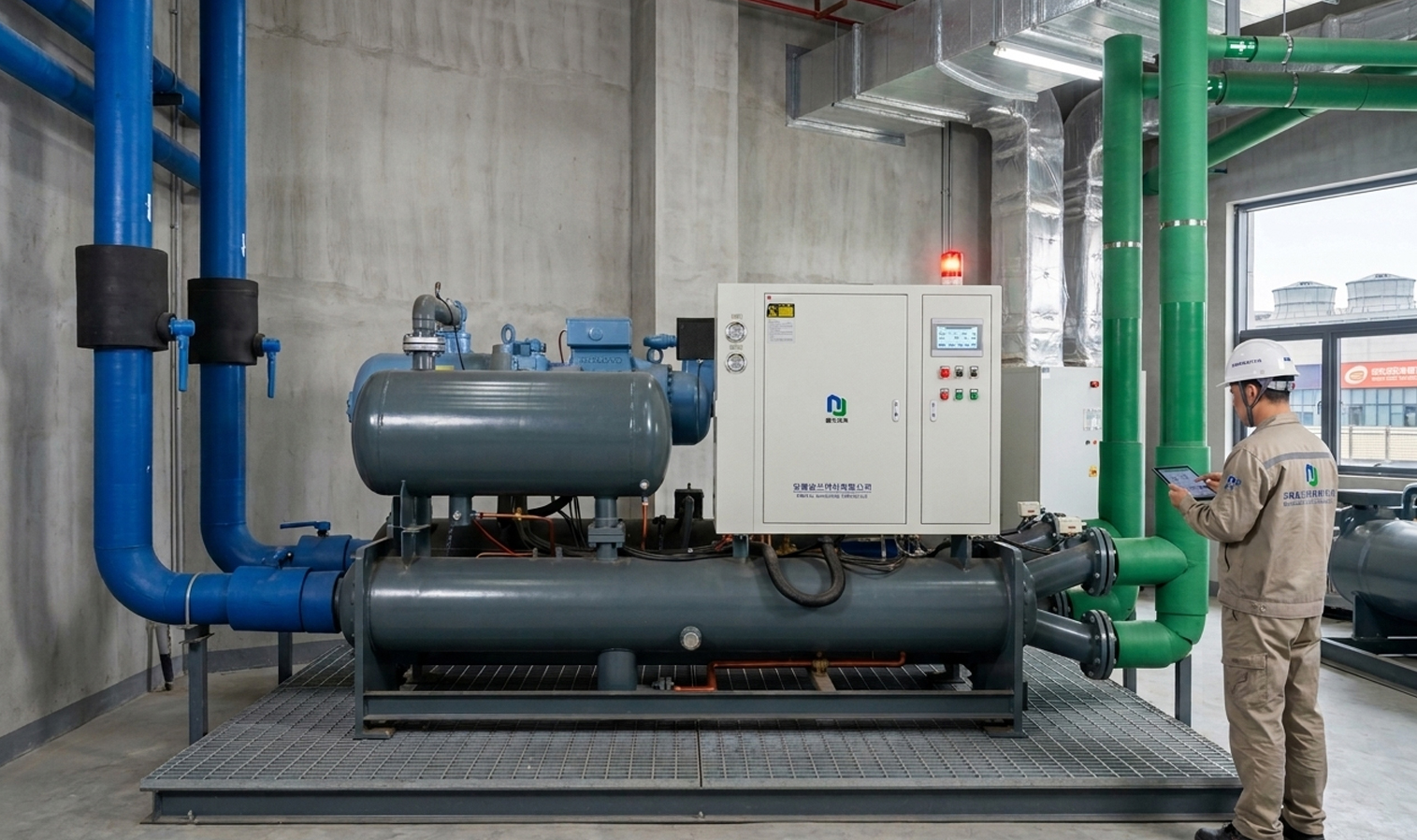
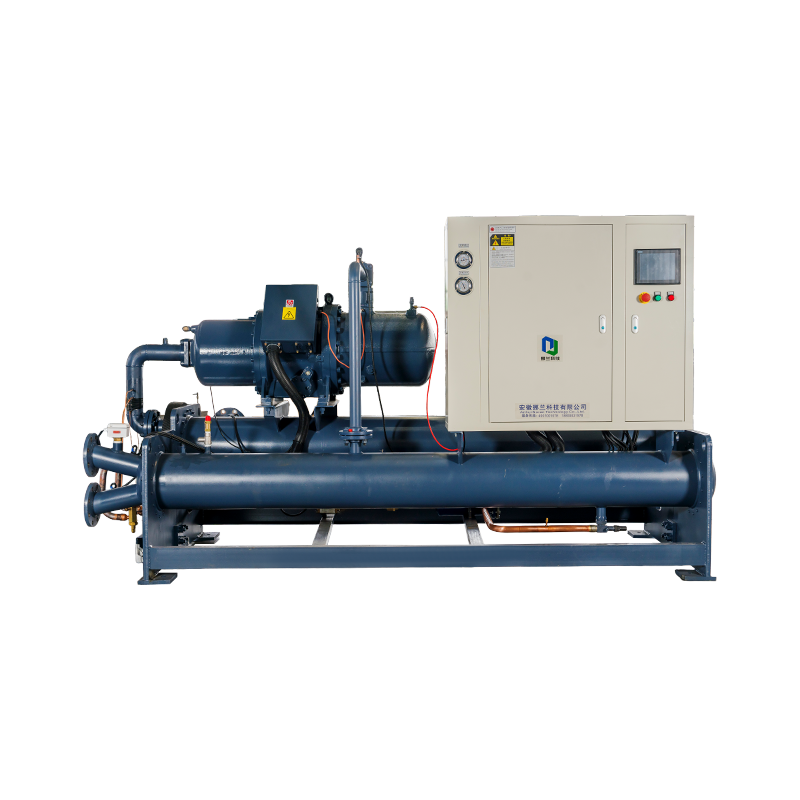


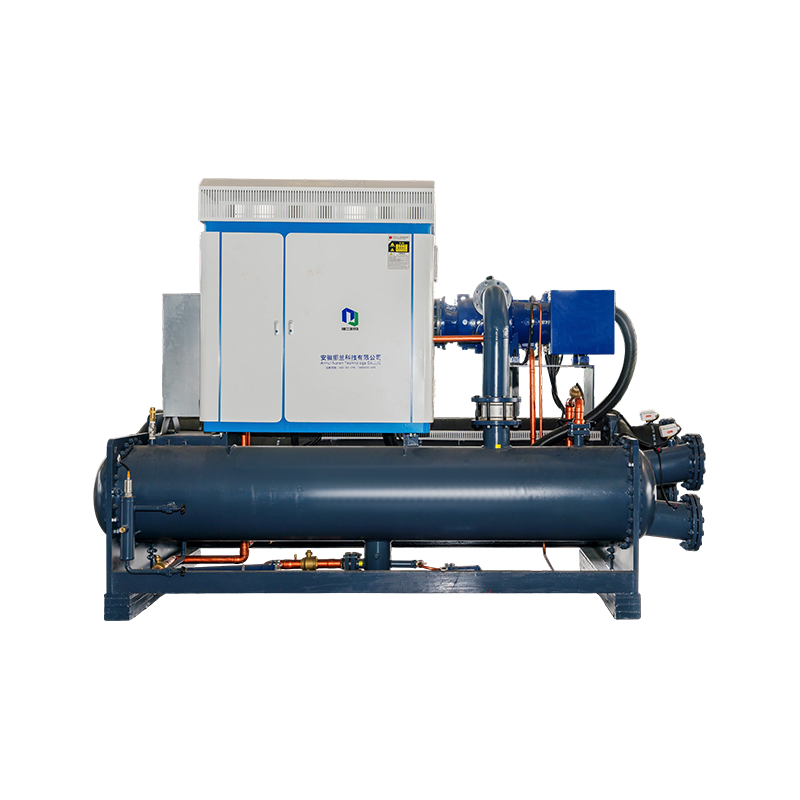
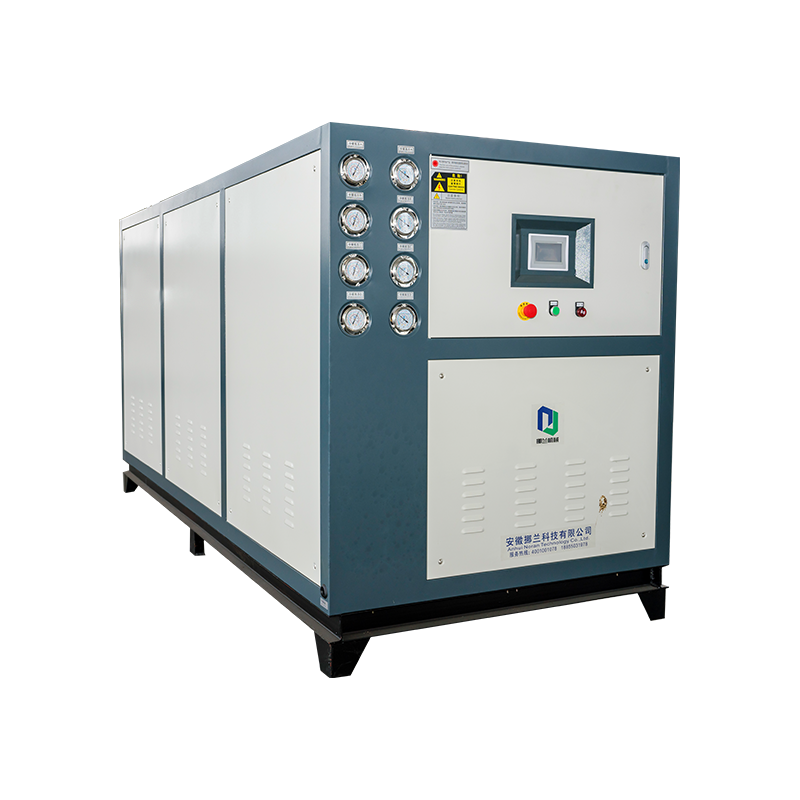
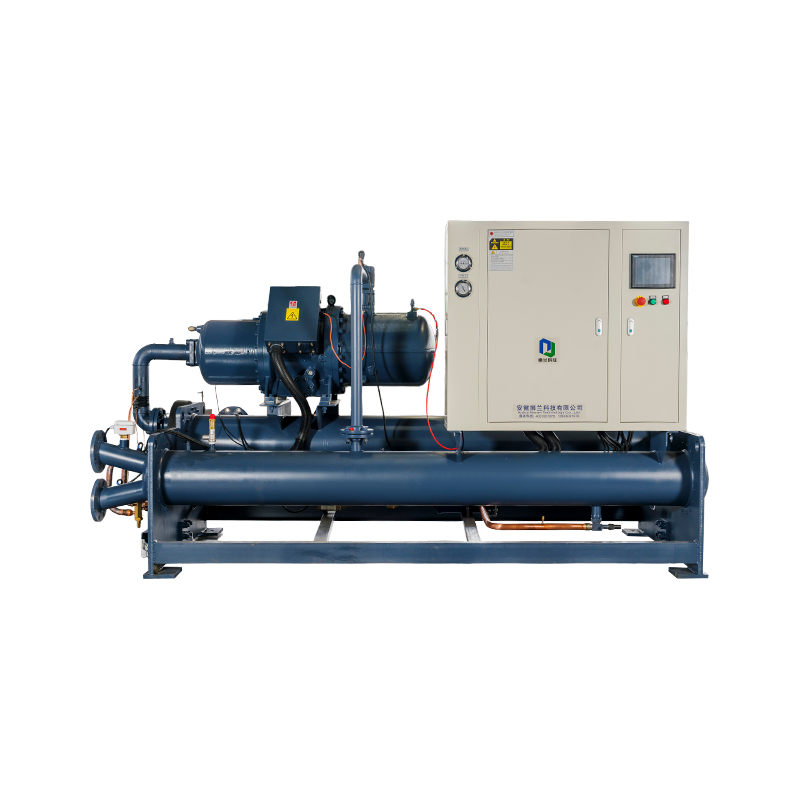
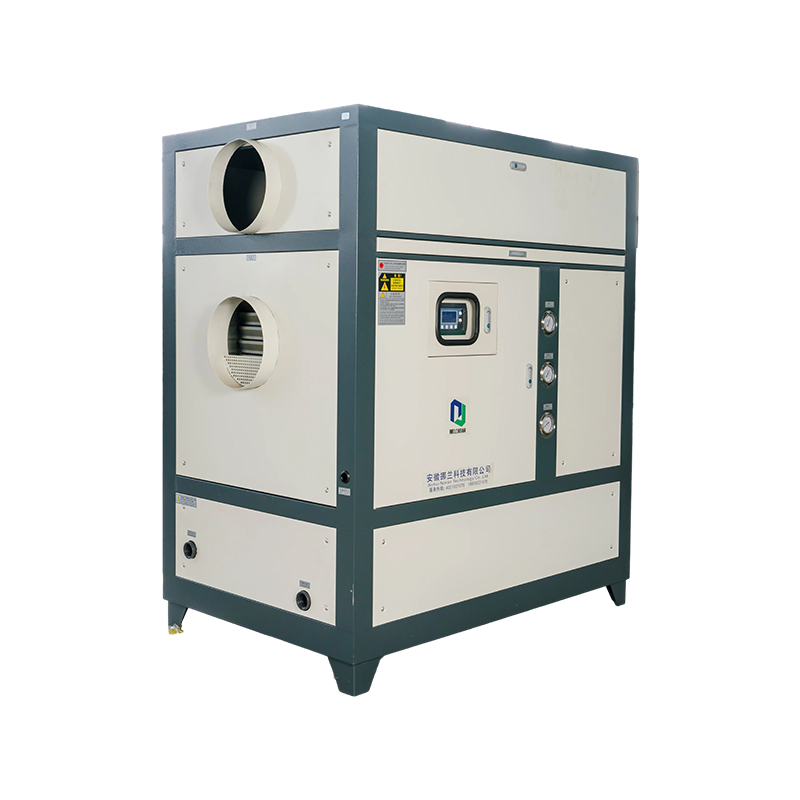
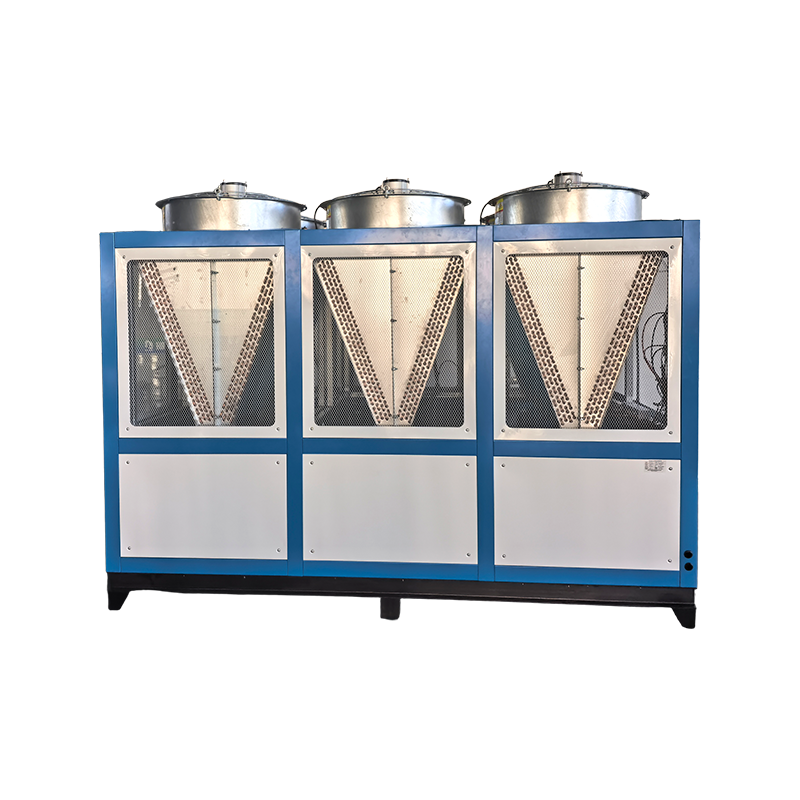















Heat Transfer Principles and High-Efficiency Performance Analysis of Flooded Screw Chillers
Large industrial cooling systems require stable chilled-water temperatures, reliable operation, and efficient heat transfer during extended operating periods. A flooded screw chiller addresses these requirements through a flooded evaporator design that maintains refrigerant around the heat-transfer tubes. Combined with a semi-hermetic twin-screw compressor, optimized oil management, and intelligent control, this configuration is suitable for manufacturing plants and centralized cooling systems with substantial cooling demands.
Understanding the relationship between evaporator architecture, refrigerant circulation, compressor capacity, and condenser heat rejection helps engineers evaluate system performance. For facilities operating under sustained high loads, the water cooled flooded screw chiller configuration offers particular advantages when equipment selection and water-system design are properly matched to actual operating conditions.
1. Flooded Evaporator Architecture and Heat Transfer Principles
A flooded evaporator is a shell-and-tube heat exchanger in which refrigerant surrounds the external surfaces of the heat-transfer tubes. Chilled water flows through the tubes, transferring heat to the refrigerant without direct contact between the two fluids. The refrigerant absorbs this heat and evaporates, while the water temperature decreases as it passes through the exchanger.
Compared with a conventional direct-expansion evaporator, where refrigerant is distributed through the tubes and progressively evaporates along the flow path, the flooded arrangement maintains a refrigerant-rich environment around much of the heat-transfer surface. This configuration can support effective heat exchange and is particularly relevant to large-capacity refrigeration systems with relatively stable cooling requirements.
A flooded evaporator chiller typically incorporates several important design considerations:
- Heat-transfer tube arrangement and available exchange surface.
- Refrigerant distribution and liquid-level management.
- Oil separation and return to maintain effective heat exchange.
- Refrigerant-side pressure and temperature control.
- Protection against low water flow and evaporator freezing.
The flooded design does not guarantee higher efficiency under every operating condition. Its performance depends on refrigerant selection, evaporating temperature, condenser-water conditions, tube cleanliness, oil circulation, and system controls. Correctly balancing these factors allows the evaporator to deliver consistent cooling while supporting the overall efficiency objectives of the refrigeration plant.
2. Refrigerant Cycle Dynamics and Screw Compressor Performance
The refrigeration cycle connects the evaporator, compressor, condenser, and expansion control components. Refrigerant absorbs heat in the evaporator and changes from liquid to vapor. The compressor raises the vapor pressure and temperature, allowing the refrigerant to release heat in the condenser. After condensation, the refrigerant passes through the expansion device, where its pressure decreases before it returns to the evaporator.
In a flooded screw refrigeration system, stable refrigerant circulation is essential because evaporator performance depends on maintaining suitable liquid coverage and vapor removal. The compressor must accommodate the vapor generated by the heat load while operating within its permitted pressure and temperature limits. Inadequate refrigerant management, excessive oil circulation, or unsuitable condenser conditions can reduce heat-transfer effectiveness and increase energy consumption.
A flooded screw compressor system uses screw compression technology to support continuous industrial operation. Semi-hermetic twin-screw compressors are suitable for medium- and large-capacity equipment because they can accommodate sustained operating demands and support capacity adjustment according to the cooling load.
Capacity control is particularly important when production schedules, equipment utilization, or ambient conditions change. Although full-load performance is an important selection criterion, the system should also operate efficiently when cooling demand falls below its maximum design capacity. Single- and twin-compressor configurations can be evaluated according to required capacity, load profile, maintenance considerations, and desired operational flexibility.
3. Water-Cooled Flooded Screw Chillers for Large Cooling Loads
A water cooled flooded screw chiller combines a flooded evaporator with a water-cooled condenser. The evaporator removes heat from the chilled-water circuit, while the condenser transfers heat into a separate cooling-water circuit. A cooling tower or another suitable heat-rejection arrangement can then release this heat to the surrounding environment.
This configuration is frequently considered for centralized cooling plants, large manufacturing facilities, and industrial processes that require substantial cooling capacity over long operating periods. Compared with air-cooled equipment, a water-cooled system relies on condenser-water conditions rather than outdoor air alone to support heat rejection. Its energy performance therefore depends on the combined design of the chiller, condenser-water circuit, cooling tower, pumps, and associated controls.
For a flooded type screw chiller, the principal engineering priorities include:
- Matching evaporator capacity to the actual process cooling demand.
- Maintaining appropriate chilled-water and condenser-water flow.
- Managing condenser approach temperature and heat-rejection performance.
- Controlling scale, corrosion, and biological fouling in water circuits.
- Coordinating compressor capacity with system-level energy consumption.
A standard water-cooled screw chiller may be more economical for general industrial applications with moderate cooling demands. Flooded configurations are more relevant when large loads, extended operating hours, and long-term efficiency considerations justify their equipment and system requirements.
4. High-Efficiency Performance Under Full-Load Conditions
At full load, the chiller operates near its designated cooling capacity. Heat-transfer performance, compressor efficiency, and condenser heat rejection must remain balanced to maintain stable chilled-water delivery. A high efficiency flooded screw chiller can benefit from the effective heat-transfer surface of its evaporator, provided that refrigerant distribution, oil return, and water-side conditions are properly managed.
The following factors are particularly important when assessing full-load performance:
- Evaporator condition: Clean tubes and suitable refrigerant levels help maintain effective heat exchange.
- Compressor operating conditions: Appropriate suction and discharge conditions support stable compression and limit unnecessary energy use.
- Condenser-water temperature: Suitable heat-rejection conditions help prevent excessive condensing pressure.
- Water-side flow: Stable flow supports heat transfer and reduces the risk of abnormal temperature conditions.
- Integrated control: Coordinated operation of the compressor, pumps, and cooling tower helps avoid energy waste across the complete system.
Full-load efficiency should not be evaluated from the evaporator design alone. Engineers should compare cooling capacity, total electrical input, chilled-water temperatures, condenser-water conditions, and auxiliary equipment consumption under clearly defined test conditions. Seasonal operating profiles and part-load performance should also be considered before selecting equipment for a long-term industrial installation.
5. Industrial Applications and Customized System Configuration
A flooded screw chiller for industrial cooling is suitable for facilities where production equipment, process fluids, or centralized building systems require dependable chilled water. Potential applications include large manufacturing plants, industrial processing lines, and factory office buildings with substantial cooling loads. A water cooled flooded chiller for process cooling can also be considered when process stability and extended daily operating hours are major design priorities.
Anhui Noran Technology Co., Ltd. specializes in industrial refrigeration equipment and customized temperature-control solutions. Following its relocation to Anhui in 2021, the company established a production base of approximately 33,000 square meters in Mingguang City, strengthening its manufacturing, research and development, and quality-control capabilities. Its product range includes industrial chillers, screw chillers, low-temperature refrigeration equipment, heat-recovery systems, and customized cooling solutions.
For a flooded evaporator chiller for industrial applications, configuration should reflect the process requirements rather than relying solely on nominal cooling capacity. Relevant parameters include:
- Required cooling capacity and chilled-water supply and return temperatures.
- Condenser-water temperatures, flow conditions, and water quality.
- Refrigerant selection and electrical configuration.
- Single- or twin-compressor arrangements and expected load variations.
- Heat recovery, remote monitoring, and control-system requirements.
- Corrosion-resistant or explosion-proof configurations where applicable.
Heat recovery provides another opportunity to improve overall energy utilization. Rather than rejecting all condenser heat, an optional recovery system can supply approximately 30 to 52 degrees Celsius hot water for process preheating, equipment cleaning, and other suitable low-temperature heating requirements. Actual recovery performance depends on the cooling load, available heat, water demand, and required outlet temperature.
6. System Comparison and Selection Considerations
Selecting between chiller configurations requires consideration of operating conditions, installation constraints, and expected service life. The table below summarizes the main differences between common system arrangements without assuming that one configuration is universally superior.
| Configuration | Heat Transfer Arrangement | Typical Application | Selection Priority |
| Air-cooled screw chiller | Air-side condenser heat rejection | Sites with limited cooling-water availability | Installation simplicity and water independence |
| Standard water-cooled screw chiller | Water-cooled condenser with conventional evaporator arrangement | General industrial and commercial cooling | Initial investment and operating requirements |
| Water-cooled flooded screw chiller | Flooded shell-and-tube evaporator and water-cooled condenser | Large centralized plants and continuous industrial loads | Heat-transfer performance and long-term operating efficiency |
Before purchasing equipment, buyers should request performance data under their actual design conditions, including cooling capacity, power consumption, water temperatures, and operating limits. A qualified flooded screw chiller manufacturer should also clarify control functions, protection devices, maintenance requirements, and the scope of the supplied refrigeration system. Working with an experienced flooded screw chiller supplier helps ensure that equipment selection reflects the requirements of the entire cooling plant.
7. Intelligent Control, Maintenance, and Operational Reliability
Intelligent control helps maintain stable operation by monitoring key operating conditions and adjusting chiller operation as required. PLC-based controls can coordinate capacity regulation and provide protection against high or low pressure, compressor overload, abnormal oil pressure, excessive discharge temperature, insufficient water flow, freezing risk, and electrical phase faults. Remote monitoring and communication functions can support centralized plant management.
Routine maintenance is equally important. Operators should inspect water quality, clean heat-transfer surfaces when necessary, check refrigerant and oil-system conditions, verify sensor accuracy, and test protective functions. Cooling towers and condenser-water circuits require particular attention because scale and fouling can increase condensing temperature and compressor energy consumption.
A custom flooded screw chiller should be configured according to documented site conditions, including cooling demand, ambient environment, installation space, and maintenance access. Anhui Noran Technology Co., Ltd. provides customized refrigeration configurations for industrial customers, with options that may include heat recovery, remote monitoring, and specialized protection features. Final equipment selection should be supported by engineering review and confirmed performance requirements.
Frequently Asked Questions
Q1: What is the main advantage of a flooded evaporator?
A flooded evaporator maintains refrigerant around the heat-transfer tubes, providing a large effective heat-transfer surface. Its actual efficiency depends on refrigerant management, oil circulation, water quality, and operating conditions.
Q2: Is a water-cooled flooded screw chiller suitable for continuous industrial operation?
Yes. It can be suitable for large industrial cooling loads and extended operating schedules when the compressor, evaporator, condenser, water circuits, and controls are properly selected and maintained.
Q3: Can a flooded screw chiller recover condenser heat?
An optional heat-recovery system can capture part of the condenser heat for suitable hot-water applications, including process preheating and equipment cleaning. The available heat depends on operating conditions and process demand.
Q4: What information is needed to configure a custom flooded screw chiller?
Important information includes required cooling capacity, chilled-water supply and return temperatures, condenser-water conditions, operating environment, refrigerant preferences, electrical requirements, and any heat-recovery or remote-monitoring needs.
Q5: How can operators maintain high heat-transfer efficiency?
Maintain clean heat-transfer surfaces, control water quality, ensure adequate water flow, monitor refrigerant and oil circulation, and keep condenser-water temperatures within the design range. Regular inspection and coordinated system control help preserve reliable performance.
The performance of a flooded screw chiller depends on the combined effectiveness of its evaporator, compressor, condenser, water circuits, and control system. For large industrial facilities, a properly engineered configuration can support stable cooling and efficient long-term operation while providing options for customized control and heat recovery.


