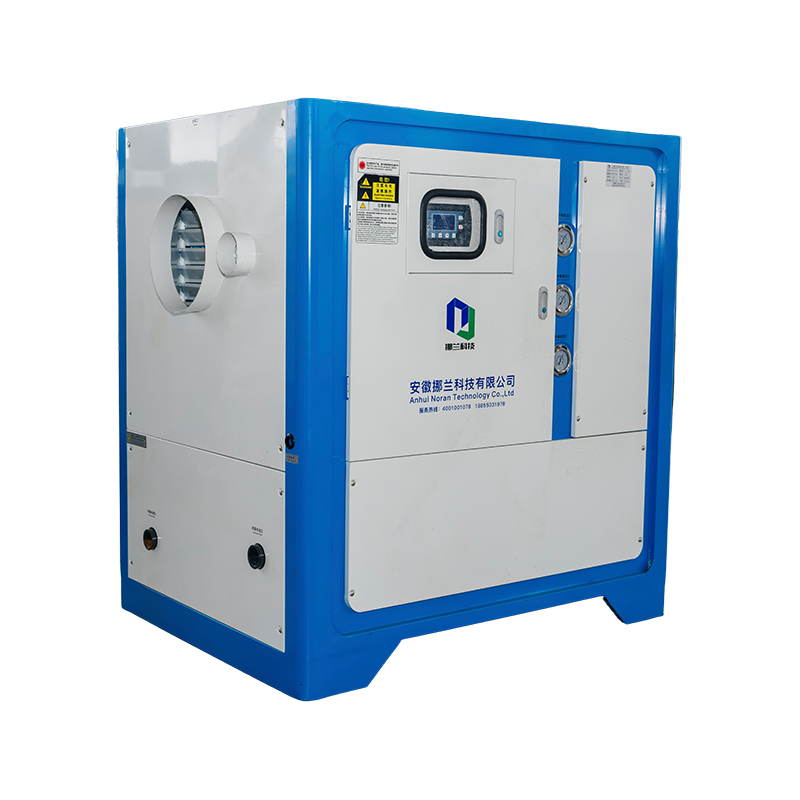
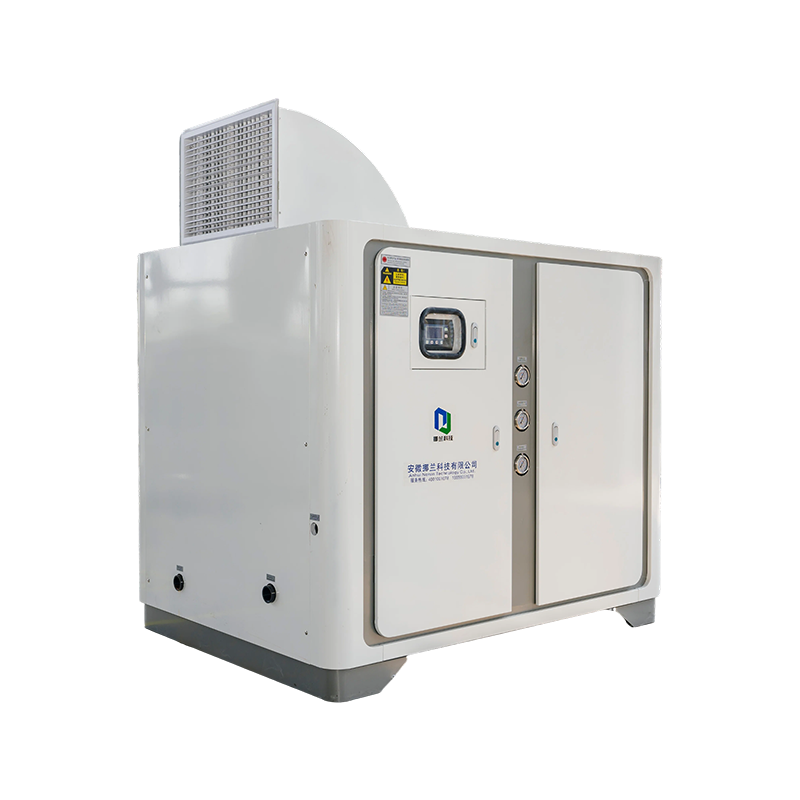
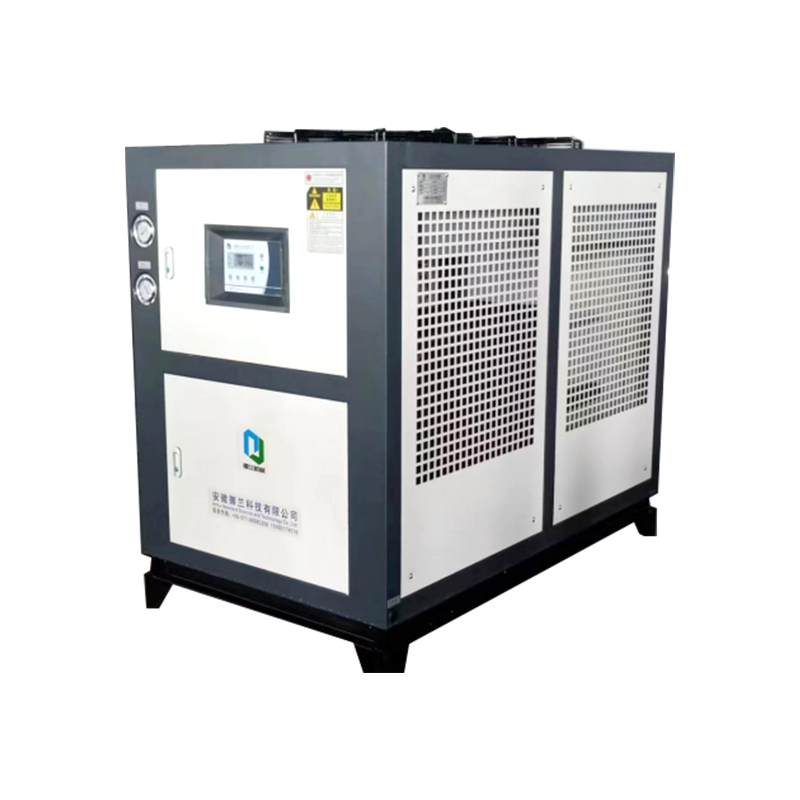
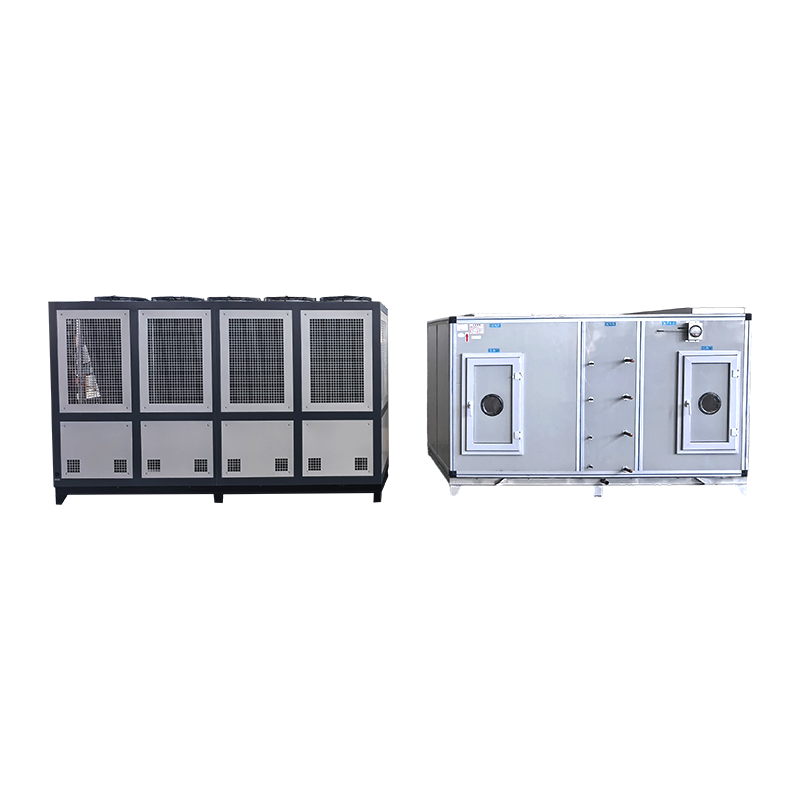
What is industrial refrigeration equipment and how does it differ from chillers?
Industrial thermal management relies on complex thermodynamic frameworks designed to maintain precise environmental and operational parameters across heavy manufacturing plants. While general chillers primarily focus on circulating chilled water for specific machinery cooling loops, comprehensive industrial refrigeration equipment encompasses a much broader category of heavy-duty thermal systems. This includes multi-stage compression loops, specialized heat exchangers, and sub-zero freezing units engineered for rigorous industrial demands. Understanding the distinction between standard water chillers and complete thermal plants helps facility engineers select the optimal infrastructure for their specific production workflows.
The primary difference lies in the scope, capacity, and temperature range of the apparatus. Standard chillers typically regulate moderate temperatures ranging from positive five degrees to thirty-five degrees Celsius for applications like plastic molding or laser cutting. In contrast, heavy industrial setups handle extreme sub-zero conditions, chemical synthesis heat loads, and large-scale architectural climate control. Established in 2014 and operating from a modern thirty-three thousand square meter production base in Mingguang City, Anhui Province, Anhui Noran Technology Co., Ltd. provides integrated thermal technologies designed to bridge this operational gap for global industrial partners.
Deploying robust thermal infrastructure requires careful consideration of fluid dynamics, refrigerant properties, and compressor reliability. Facilities dealing with continuous, heavy-duty processing cannot rely on basic commercial units due to the risk of thermal overload and unexpected production downtime. By integrating advanced engineering principles into every design phase, modern manufacturers deliver reliable cooling frameworks that withstand continuous operation under harsh ambient conditions while maintaining exceptional energy efficiency.
Screw Chillers and Large-Scale Industrial Cooling Series
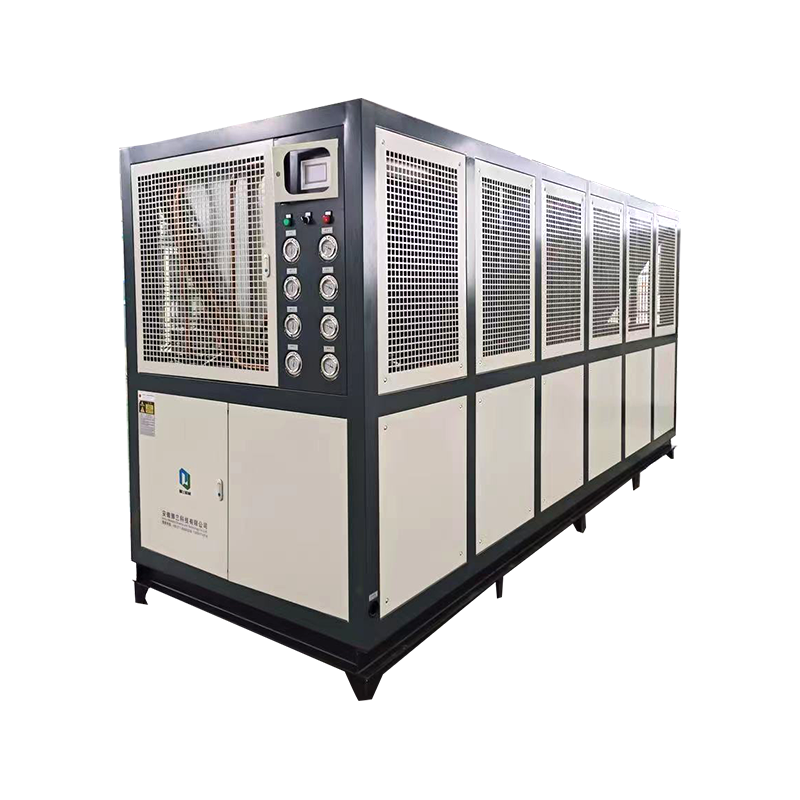
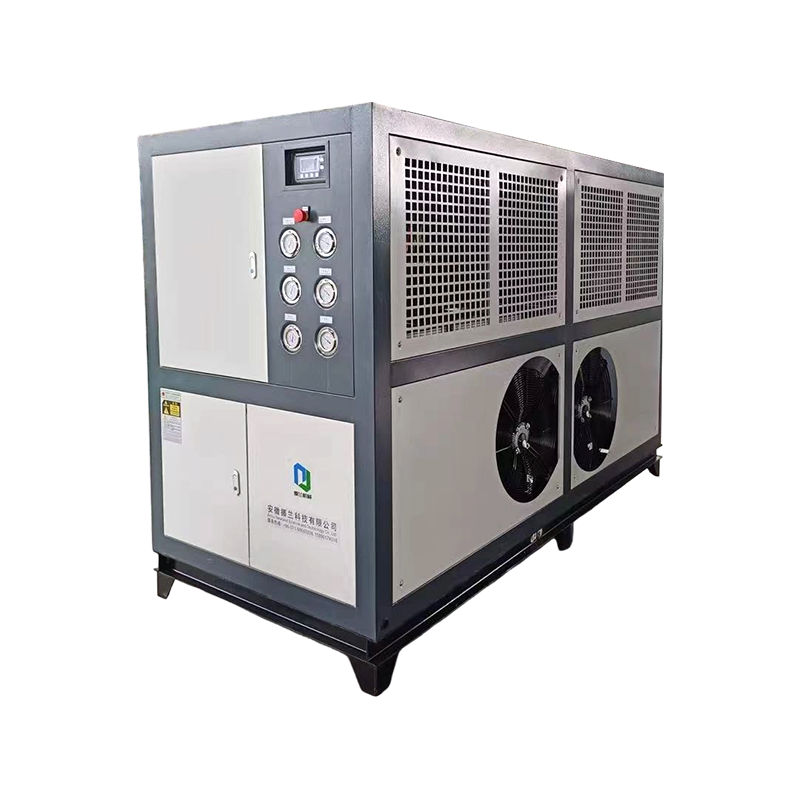
Screw chillers represent the cornerstone of large-scale thermal management, positioned as high-capacity units designed for continuous heavy industrial duty. Defined by their multi-compressor screw mechanisms, these systems offer exceptional volumetric efficiency and reliability for massive factory complexes. Their core function is to extract enormous quantities of heat from centralized facility water loops, maintaining steady temperatures even when production lines experience sudden load spikes. Typical application scenarios include large chemical processing plants, massive plastic extrusion facilities, and extensive data center cooling networks where uninterrupted operation is non-negotiable. Compared to smaller scroll or reciprocating units, screw systems provide superior durability, wider capacity modulation, and lower maintenance intervals over long operational cycles. Anhui Noran Technology Co., Ltd. specializes in engineering these robust industrial refrigeration systems to match the exact capacity and environmental demands of each client. Through advanced computer-aided design and stringent quality control protocols, every unit delivers optimal performance under maximum stress.
Furthermore, the integration of high-performance industrial cooling equipment within these large configurations ensures that facility managers can achieve significant energy savings during partial load shifts. The ability to automatically stage compressors reduces electrical consumption while preventing thermal shock to internal components, ensuring a stable operating environment for years of continuous service.
- Multi-stage compressor control allowing seamless capacity modulation from ten to one hundred percent.
- Heavy-duty shell and tube evaporators designed to resist fouling and ensure high heat transfer efficiency.
- Intelligent microcomputer controllers with remote diagnostic capabilities and automated safety shutdowns.
- Robust acoustic enclosures that minimize operating noise levels in densely populated industrial zones.
Low-Temperature Refrigeration Units for Special Processing
Low-temperature refrigeration units are specialized thermal systems engineered to reach extreme sub-zero conditions that standard chillers cannot achieve. Positioned as precision cooling apparatus for advanced scientific and industrial sectors, these units maintain operating temperatures dropping down to minus forty degrees Celsius or lower. Their core technical feature involves cascade refrigeration cycles utilizing specialized refrigerants and dual-compressor configurations to overcome extreme thermodynamic resistance. Typical application scenarios include pharmaceutical active ingredient crystallization, chemical freezing reactions, aerospace material testing, and low-temperature food processing where precise thermal control dictates product integrity. The primary differential advantage of low-temperature units lies in their ability to deliver stable sub-zero cooling without compressor overheating or oil degradation. Noran incorporates specialized safety interlocks and oil management systems into these units to guarantee long-term stability in extreme environments. Furthermore, these systems are equipped with advanced multi-layer thermal insulation and hermetically sealed fluid pathways to prevent ambient heat gain and moisture condensation during prolonged sub-zero processing cycles.
To support these complex technical requirements, facility operators rely on specialized industrial temperature control equipment that integrates seamlessly with plant automation networks. By maintaining tight temperature tolerances at sub-zero levels, these systems prevent batch spoilage and ensure full compliance with international manufacturing standards.
- Conducting a comprehensive thermal load and temperature drop analysis for the specific reaction vessel or chamber.
- Designing insulated hydronic piping networks utilizing specialized low-temperature glycol mixtures and vapor barriers.
- Performing rigorous pressure testing and vacuum dehydration to eliminate moisture contamination in the refrigeration circuit.
- Calibrating digital controllers and executing trial runs under simulated full-load operating conditions.
Air Cooling Systems and Heat Recovery Equipment
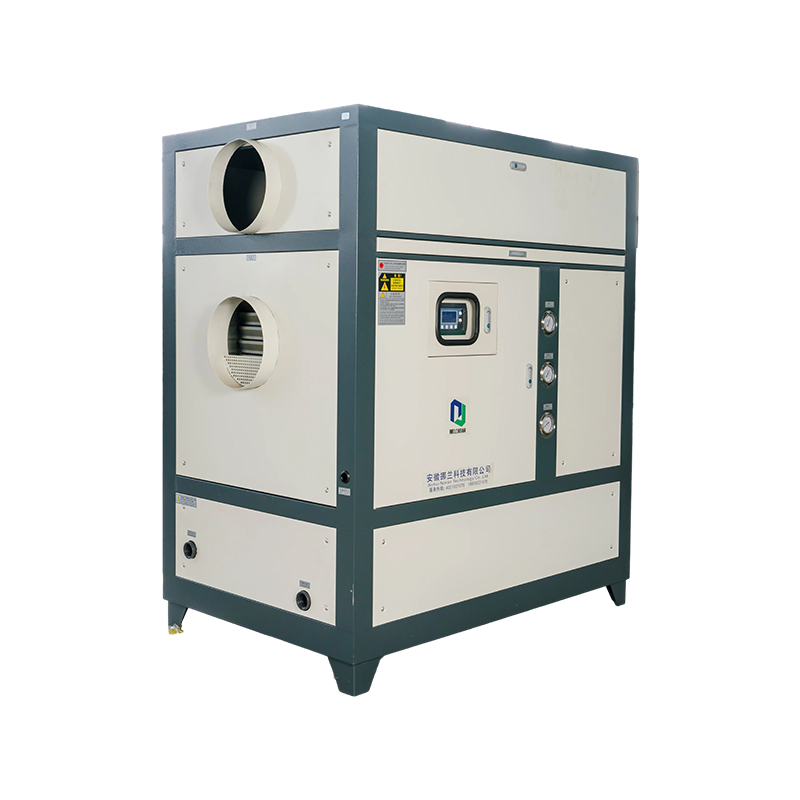
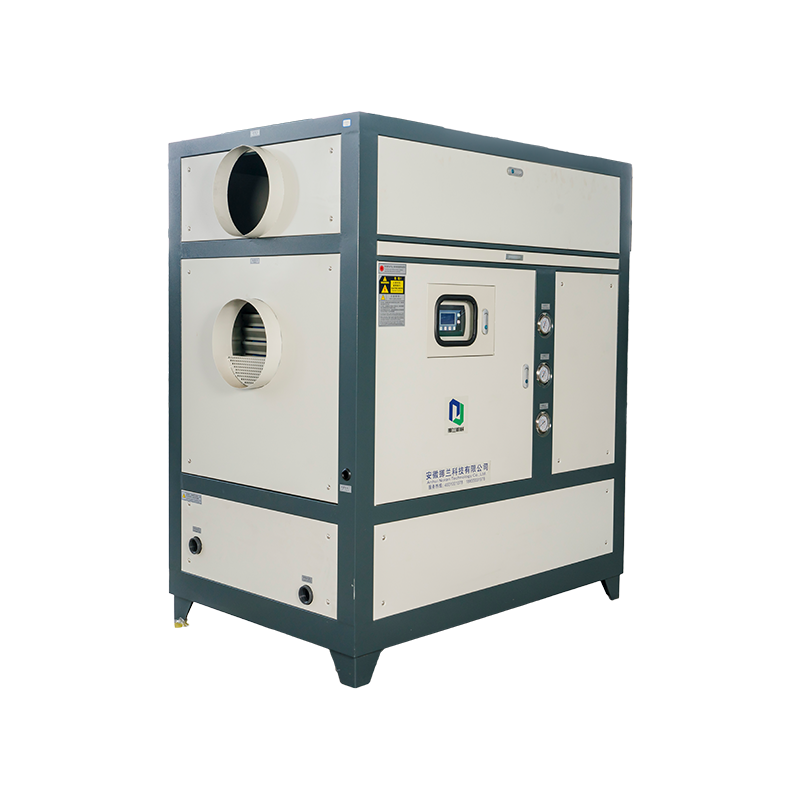
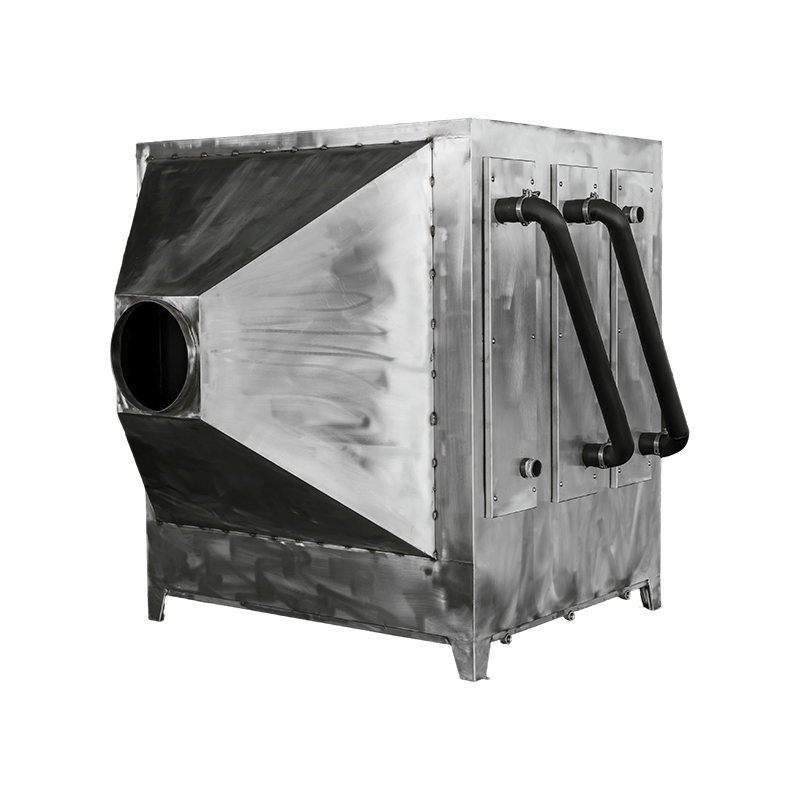
Air cooling systems and heat recovery units represent an eco-friendly approach to thermal management, positioned as standalone or integrated alternatives to water-dependent cooling towers. Their core function is to reject process heat directly to the ambient air using high-efficiency finned coils while simultaneously capturing waste thermal energy for secondary facility uses, such as preheating wash water or space heating. Typical applications include remote industrial sites with limited water access, powder coating facilities, and manufacturing plants seeking to minimize their overall energy consumption and environmental impact. Unlike traditional water-cooled setups that require continuous water consumption and chemical water treatment, air-cooled and heat recovery configurations eliminate water scaling issues and reduce overall utility overhead. As a dedicated industrial refrigeration equipment supplier, Noran provides diverse configurations tailored to specific plant layouts and environmental regulations. In addition to reducing water consumption, modern air-cooled designs feature variable-speed fan motors and corrosion-resistant coatings, ensuring high durability even in harsh outdoor coastal or industrial environments. Facility managers benefit from lower ongoing maintenance requirements and enhanced operational reliability across all seasonal climate variations.
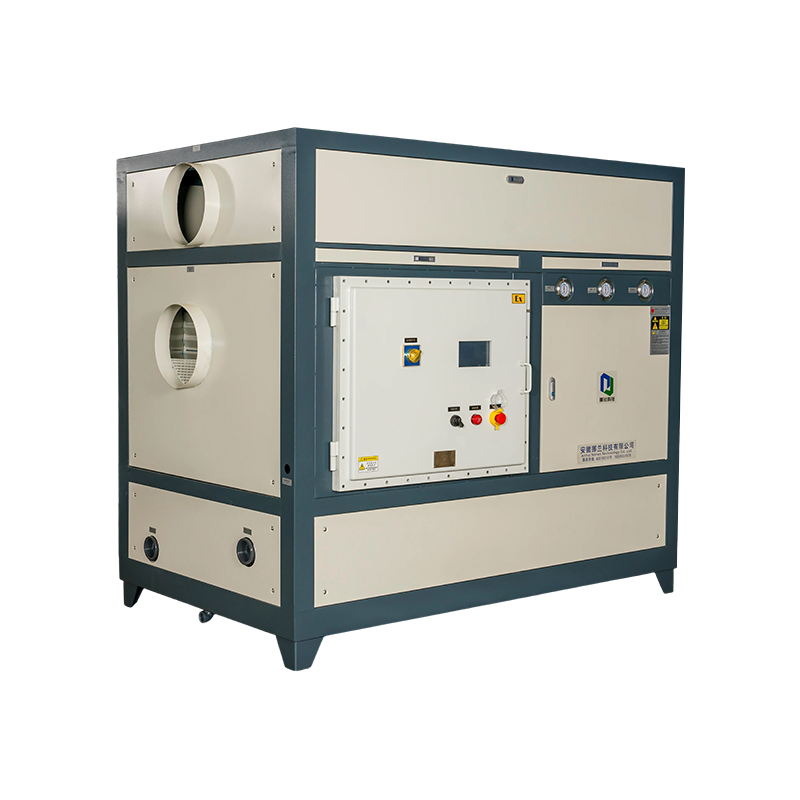
Through close collaboration with industrial clients, Noran delivers highly versatile customized cooling solutions that address unique spatial, electrical, and thermal challenges. Whether a facility requires explosion-proof compliance for hazardous chemical zones or compact footprints for crowded cleanrooms, engineered adaptability remains the key to long-term operational success.
| Equipment Series |
Operating Temperature |
Primary Heat Rejection Method |
Core Application Focus |
| Screw Chiller Units |
Three to Twenty-Five Degrees |
Water-Cooled Tower Loop |
Large Chemical and Plastic Plants |
| Low-Temperature Units |
Minus Forty to Zero Degrees |
Cascade Refrigeration Loop |
Pharmaceutical Freezing and Storage |
| Air Cooling and Heat Recovery |
Five to Thirty-Five Degrees |
Direct Ambient Air Condenser |
Powder Coating and Energy Saving |
Frequently Asked Questions
Q1: What is the main structural difference between general chillers and industrial refrigeration systems?
General chillers usually consist of compact, packaged units designed to cool moderate temperature water loops for specific production machinery. In contrast, heavy industrial refrigeration systems incorporate multi-stage compressors, customized heat exchangers, and specialized piping networks capable of handling extreme sub-zero temperatures and massive thermal loads across entire factory complexes.
Q2: Why are low-temperature refrigeration units critical for pharmaceutical manufacturing?
Pharmaceutical synthesis, active ingredient crystallization, and biological storage require precise sub-zero thermal control to ensure chemical stability and prevent product degradation. Low-temperature units deliver the exact thermal profiles necessary to meet strict regulatory standards and maintain batch integrity.
Q3: What benefits do air cooling systems offer over traditional water tower setups?
Air cooling systems eliminate the need for continuous water consumption, chemical water treatment, and extensive plumbing infrastructure associated with cooling towers. They are particularly advantageous in water-scarce regions or facilities seeking to reduce maintenance costs and prevent biological growth issues like legionella.
Q4: How do customized cooling solutions improve overall facility energy efficiency?
Customized cooling solutions are engineered specifically to match the exact thermal profile, load fluctuations, and environmental conditions of a facility. By avoiding oversized or mismatched equipment and integrating heat recovery features, plants can minimize electricity consumption, reduce operational expenses, and lower their overall carbon footprint.

 English
  Français
  Español
  Português
  عربى
عربى  Türk
Türk  हिंदी
हिंदी